
 Worksheets
For Science Final
Total questions: 91
Worksheet time: 1hrs 13mins
Name
Class
Date
1.

Name this part.
a)
Pulmonary veins
b)
Left atrium
c)
Aorta
d)
Pulmonary artery
2.
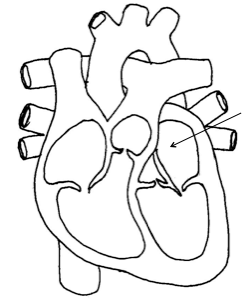
Name this part.
a)
Right atrium
b)
Left ventricle
c)
Right ventricle
d)
Left atrium
3.

Name this part.
a)
Left ventricle
b)
Pulmonary artery
c)
Right atrium
d)
Pulmonary veins
4.
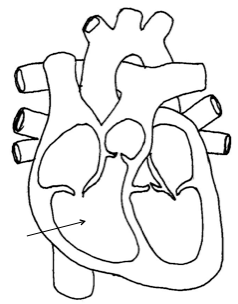
Name this part.
a)
Right ventricle
b)
Pulmonary artery
c)
Left ventricle
d)
Right atrium
5.
Name this part.
a)
Right ventricle
b)
Pulmonary artery
c)
Left ventricle
d)
Right atrium
6.
Which side of the heart pumps oxygen-rich blood to the rest of the body?
a)
Right
b)
Left
7.
Which side of the heart pumps blood into the lungs?
a)
Right
b)
Left
8.
______ carry blood to the heart.
a)
Arteries
b)
Veins
c)
Capillaries
d)
Vena Cava
9.
_____ carries blood away from the heart.
a)
Blood cells
b)
Veins
c)
Capillaries
d)
Arteries
10.

What is #3?
a)
Superior Vena Cava
b)
Right Pulmonary Vein
c)
Right Ventricle
d)
Right Atrium
11.
Oxygen-poor blood flows into what atrium?
a)
Left
b)
Bottom
c)
Right
d)
Top
12.

Identify
a)
Pulmonary veins
b)
Pulmonary artery
c)
Aorta
d)
Vena cava
13.
The heart has ___ chambers.
a)
1
b)
2
c)
3
d)
4
14.
This chamber of the heart RECEIVES blood returning from the body
a)
Right Atrium
b)
Right Ventricle
c)
Left Atrium
d)
Left Ventricle
15.
The _________ PUMPS blood to the lungs.
a)
Right Atrium
b)
Right Ventricle
c)
Left Atrium
d)
Left Ventricle
16.
The _______ RECEIVES blood returning from the lungs.
a)
Right Atrium
b)
Right Ventricle
c)
Left Atrium
d)
Left Ventricle
17.
This chamber of the heart PUMPS blood to the body.
a)
Right Atrium
b)
Right Ventricle
c)
Left Atrium
d)
Left Ventricle
18.

a)
Humerus
b)
Ulna
c)
Radius
d)
Clavicle
19.

a)
metacarpals
b)
metatarsals
c)
tarsals
d)
carpals
20.

a)
metacarpals
b)
metatarsals
c)
carpals
d)
tarsals
21.

a)
pelvis
b)
tibia
c)
sternum
d)
sacrum
22.
fingers and toes
a)
phalanges
b)
metacarpals
c)
metatarsals
d)
fibula
23.
the thigh bone
a)
femur
b)
phalanges
c)
fibula
d)
frontal bone
24.
What is the name of the collar bone?
a)
Clavicle
b)
Scapular
c)
Sternum
d)
Xiphoid
25.

Name the bones.
a)
Tarsals
b)
Carpals
c)
Phalanges
d)
Mandible
26.
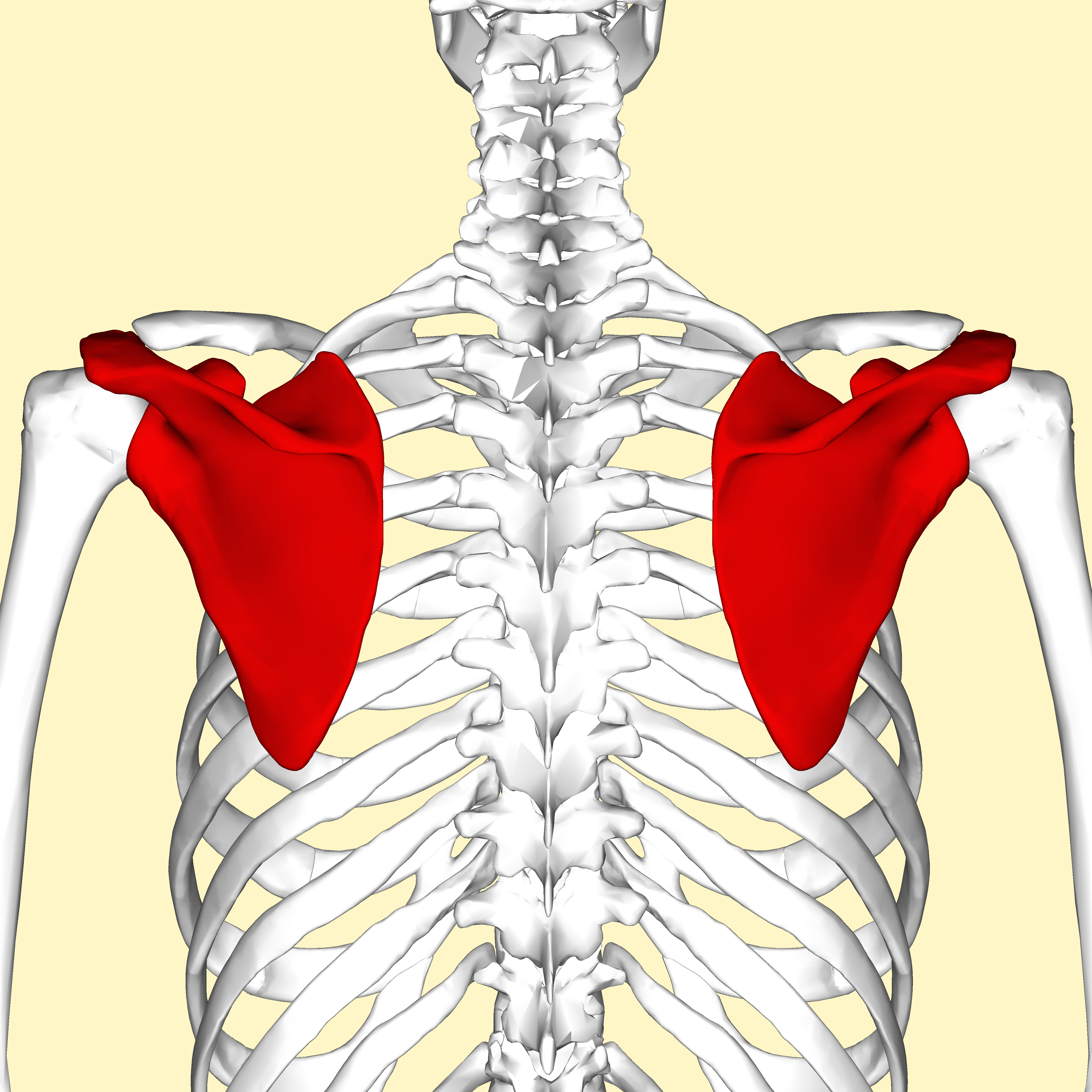
What bones is represented in the picture?
a)
Clavicle
b)
Scapula
c)
Sternum
d)
Carpals
27.

Name the bone highlighted in red.
a)
Clavicle
b)
Rib Cage
c)
Humerus
d)
Femur
28.

a)
Tibia
b)
Fibula
c)
Patella
d)
Femur
29.

Also known as the kneecap
a)
Patella
b)
Tibia
c)
Fibula
d)
Femur
30.

Also known as the shin bone
a)
Femur
b)
Tibia
c)
Fibula
d)
Metatarsals
31.

This is the smaller bone behind the Tibia
a)
Tibia
b)
Femur
c)
Fibula
d)
Pelvis
32.

a)
Sacrum
b)
Coccyx
c)
Lumbar Vertebrae
d)
Pelvis
33.

a)
Tarsals
b)
Metatarsals
c)
Phalanges
d)
Carpals
34.

a)
Lumbar Vertebrae
b)
Sacrum
c)
Thoracic Vertebrae
d)
Cervical Vertebrae
35.

a)
Sternum
b)
Sacrum
c)
Radius
d)
Cervical Vertebrae
36.

a)
Clavical
b)
Sacrum
c)
Sternum
d)
Cervical Vertebrae
37.

a)
humerus
b)
radius
c)
ulna
d)
fibula
38.

a)
humerus
b)
radius
c)
ulna
d)
tibia
39.

Name this bone.
a)
xyphoid process
b)
coccyx
c)
sternum
40.

Our bodies need the _________ in the air we breathe.
a)
feathers
b)
oxygen
c)
carbon dioxide
41.

When you take air in through your mouth or your nose, you....
a)
exhale
b)
cough
c)
inhale
42.

When you breathe hard, your body...
a)
gets really sweaty.
b)
takes in more oxygen.
c)
sounds loud.
43.

When you exercise, your heart beats faster to...
a)
spread oxygen throughout your body more quickly.
b)
make you feel excited.
c)
let you know you're working hard.
44.
What type of cells carries oxygen?
a)
red blood cells
b)
white blood cells
c)
neurons
45.
What is the respiratory system?
a)
Body's food processing system
b)
Body's breathing system
c)
Body's reproduction system
d)
Body's nervous system
46.
What is the main organ in the respiratory system?
a)
Kidney
b)
Heart
c)
Lungs
d)
Diaphragm
47.

What is tube that is also known as your wind pipe?
a)
esophogus
b)
bronchi
c)
trachea
d)
alveoli
48.

What is the function of the bronchi?
a)
Transport air from nose to lungs
b)
Transport air from trachea to lungs
c)
Transport air from lungs to alveoli
d)
Transport air from alveoli to blood
49.

What is the main function of the respiratory system?
a)
to provide oxygen and remove carbon dioxide from the body
b)
to bring oxygen to the body
c)
to break down food and absorb nutrients
d)
to remove oxygen from the body and deliver carbon dioxide
50.
Which of the following does NOT make up part of the lungs?
a)
Alveoli
b)
Bronchioles
c)
Trachea
d)
Bronchi
51.

Where is the bronchi?
a)
A
b)
B
c)
C
d)
D
52.
Inhale!!!
My lungs ________
My lungs ________
a)
Got Smaller
b)
Got Bigger
53.
spasm of the diaphragm
a)
cough
b)
sneeze
c)
hiccup
d)
yawn
54.
Location of gas exchange
a)
alveoli
b)
myocardium
c)
raveoli
d)
pulmonary vent
55.
What surrounds the alveoli?
a)
oxygen
b)
carbon dioxide
c)
capillaries
d)
bronchioles
56.

Name the organ label # 5.
a)
alveoli
b)
bronchi
c)
trachea
d)
lungs
57.
Amy goes to the doctor because she is not feeling well. The doctor carefully looks for anything abnormal in Amy's pharynx. The doctor then listens through his stethoscope for abnormal sounds in Amy's bronchi and alveoli. Which body system is the doctor examining?
a)
the lymphatic system
b)
the respiratory system
c)
the circulatory system
d)
the cardiovascular system
58.

Choose the correct air pathway when you breathe in.
a)
Windpipe ---> Nose ---> Lungs
b)
Lungs ---> Nose ---> Windpipe
c)
Nose ---> Windpipe ---> Lungs
d)
Nose ---> Lungs ---> Windpipe
59.
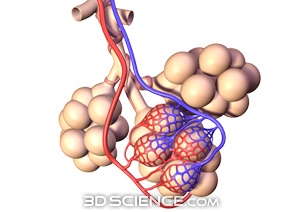
The air sacs that are covered with capillaries where gas exchange takes place
a)
bronchi
b)
lungs
c)
oxygen
d)
alveoli
60.
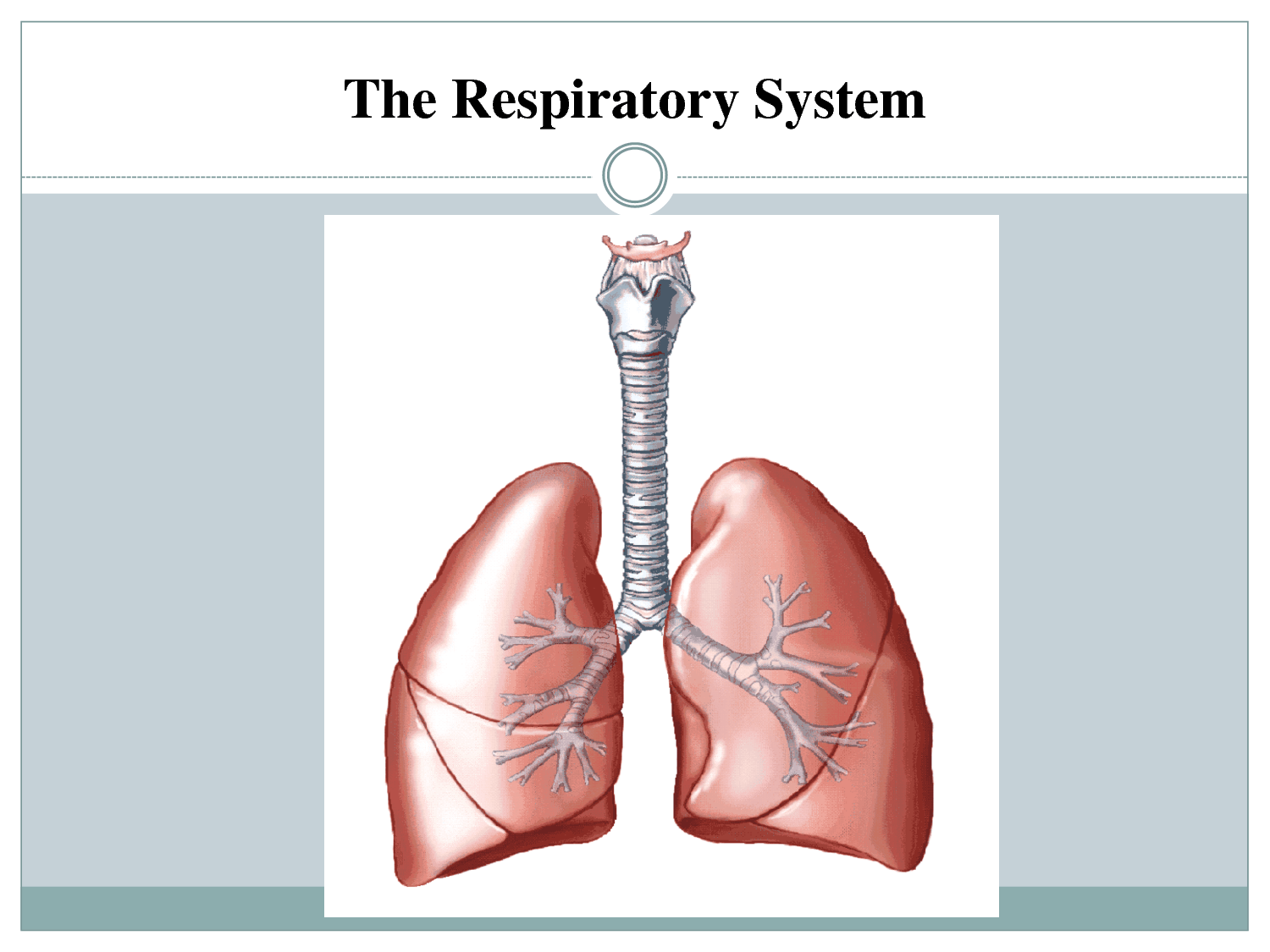
What is the main function of the respiratory system?
a)
to provide oxygen and remove carbon dioxide from the body
b)
to bring oxygen to the body
c)
to break down food and absorb nutrients
d)
to remove oxygen from the body and deliver carbon dioxide
61.
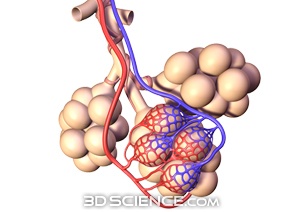
When you breathe, your lungs take in ___ and remove ___.
a)
air/oxygen
b)
oxygen/carbon dioxide
c)
carbon dioxide/waste
d)
waste/air
62.
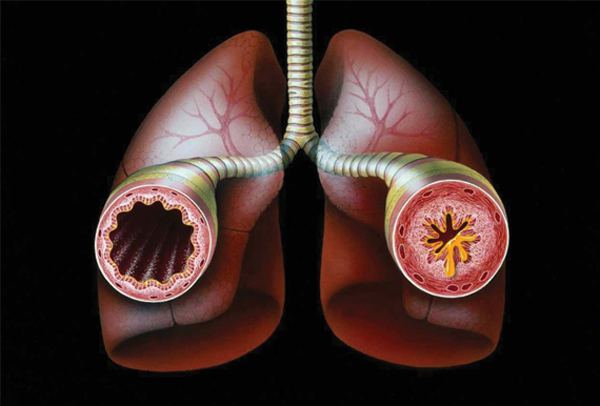
A disorder of the lungs called ____ causes the bronchi to become restricted (get smaller) so air can't get to the lungs.
a)
asthma
b)
cold
c)
influenza
d)
bronchitis
63.
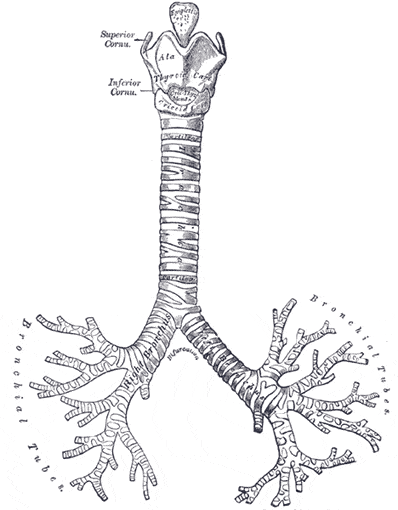
The two main branches from the trachea (one to each lung)
a)
bronchi
b)
alveoli
c)
capillaries
d)
bronchioles
64.
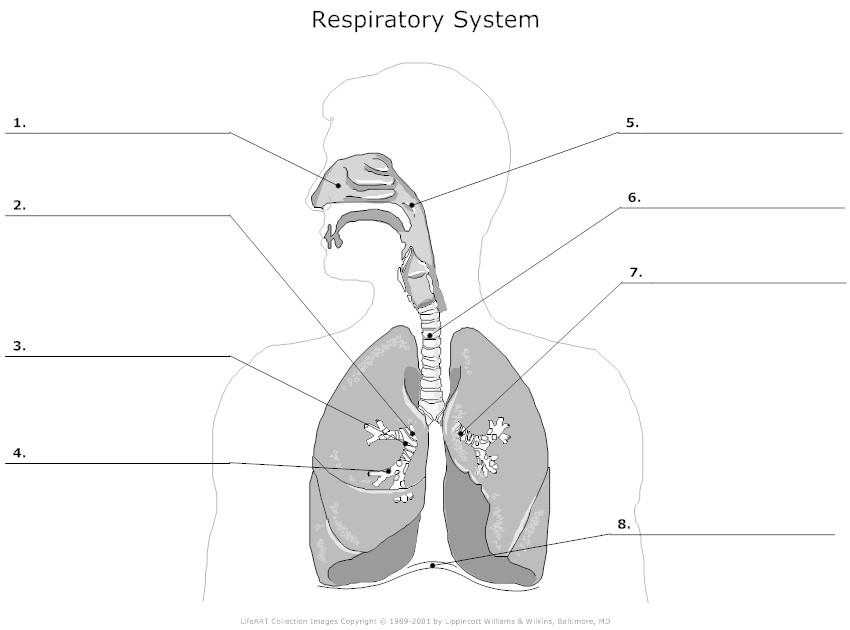
Name the structure labeled 8
a)
lungs
b)
trachea
c)
diaphragm
d)
alveoli
65.
What are the main organs of gas exchange in the respiratory system?
a)
diapragm
b)
lungs
c)
trachea
d)
bronchi
66.
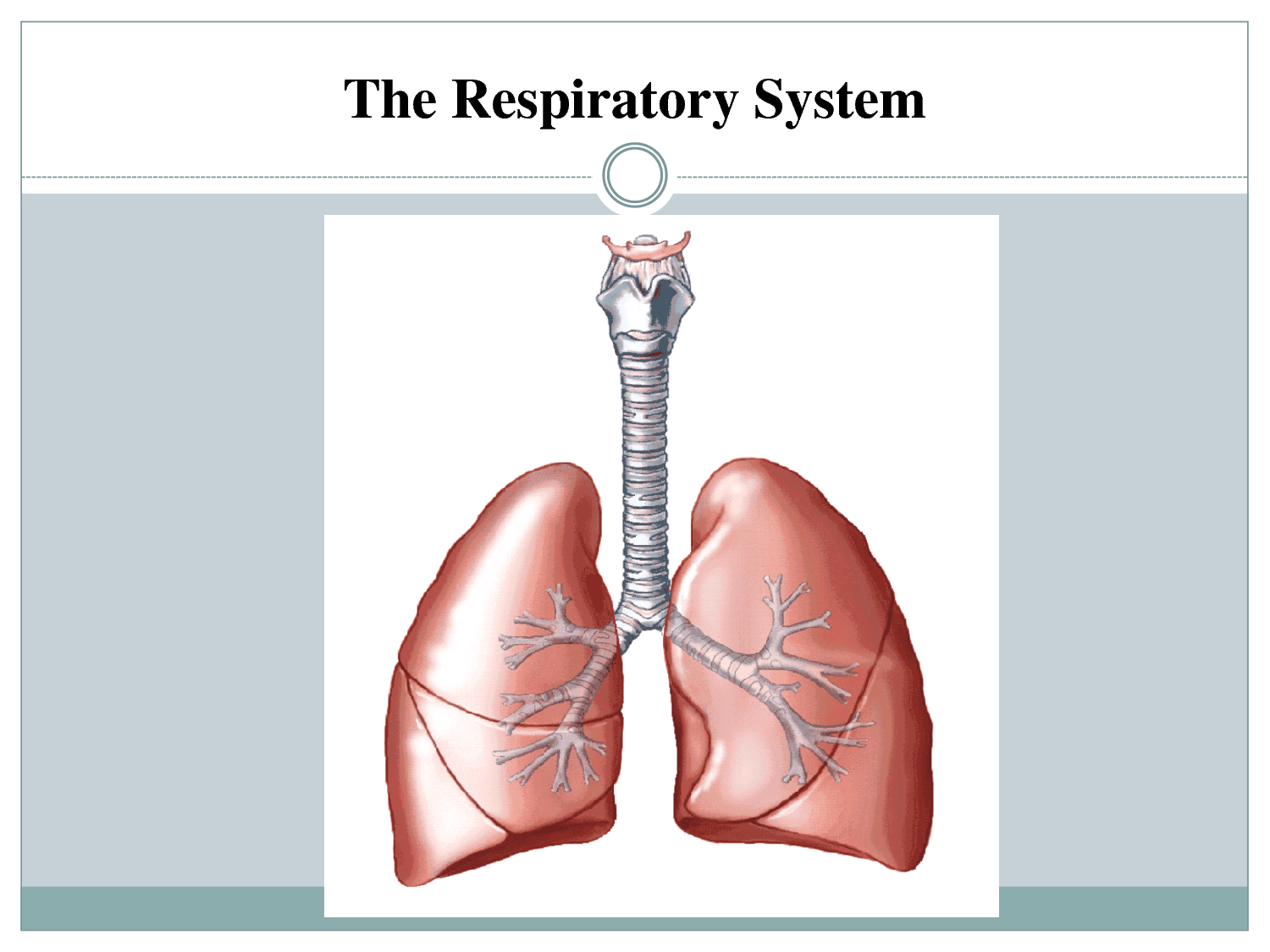
Within the lungs, the exchange of oxygen and carbon dioxide occurs between the ___ and the capillaries.
a)
trachea
b)
bronchi
c)
alveoli
d)
diaphragm
67.
Clusters of tiny air sacs that allow the exchange of oxygen and carbon dioxide
a)
Pharynx
b)
Diaphragm
c)
Alveoli
d)
Lungs
68.

The chewing and grinding of food into smaller pieces is an example of...
a)
Mechanical Digestion
b)
Chemical Digestion
69.

What is one secondary (helper) organ of the digestive system?
a)
Small Intestine
b)
Esophagus
c)
Gallbladder
d)
Stomach
70.

Bile is made by which digestive organ?
a)
Gallbladder
b)
Stomach
c)
Rectum
d)
Liver
71.

Which digestive organ makes digestive juices to help the small intestine absorb nutrients?
a)
Liver
b)
Gallbladder
c)
Pancreas
d)
Esophagus
72.

Nutrients from digested food are absorbed in which digestive organ?
a)
Small Intestine
b)
Stomach
c)
Large Intestine
d)
Gallbladder
73.
Which of the following is NOT part of the digestive tract? (Hint: Identify the secondary organ.)
a)
Mouth
b)
Esophagus
c)
Small Intestine
d)
Liver
74.

Number 4 is pointing to the....
a)
Anus
b)
Rectum
c)
Large Intestine
d)
Small intestine
75.

Number 5 is pointing to the...
a)
Liver
b)
Gallbladder
c)
Pancreas
d)
Stomach
76.

Number 3 is pointing to the...
a)
Small intestine
b)
Rectum
c)
Large intestine
d)
Stomach
77.

Number 2 is pointing to the...
a)
Esophagus
b)
Stomach
c)
Small intestine
d)
Anus
78.

Which organ pushes food down to the stomach?
a)
Mouth
b)
Esophagus
c)
Rectum
d)
Large intestine
79.
Which body system gets ride of solid waste?
a)
Excretory (Urinary)
b)
Digestive
c)
Circulatory
d)
Respiratory
80.

As waste moves through the digestive system, the ______ absorbs water before storing waste in the rectum.
a)
Small intestine
b)
Stomach
c)
Esophagus
d)
Large intestine
81.
A short tube at the end of the large intestine that stores solid waste is the...
a)
Anus
b)
Rectum
82.

Bile is stored in which secondary digestive organ?
a)
Stomach
b)
Liver
c)
Gallbladder
d)
Pancreas
83.
What is the substance found in the stomach that allows for chemical digestion to take place?
a)
Gastric Juices
b)
Saliva
c)
Bile
84.
Which is NOT a function of the Digestive System?
a)
To rid the body of solid waste
b)
Absorb nutrients for energy & growth
c)
Break down nutrients from food
d)
Pump blood around the body
85.

The opening at the end of the digestive system where solid waste comes out is the...
a)
rectum
b)
anus
c)
mouth
d)
large intestine
86.

Which secondary organ makes digestive juices like insulin to help absorb food in the small intestine?
a)
Large intestine
b)
Pancreas
c)
Liver
d)
Gallbladder
87.
Gastric juices in the stomach digest food into a thick liquid. This is...
a)
Mechanical digestion
b)
Chemical digestion
88.
Enzymes (chemicals) in your saliva help break down food while chewing. This is...
a)
Mechanical digestion
b)
Chemical digestion
89.
Most chemical digestion takes place in which organ?
a)
Stomach
b)
Small intestine
c)
Rectum
d)
Esophagus
90.

Number 7 is pointing to...
a)
Mouth
b)
Esophagus
c)
Small intestine
d)
rectum
91.

Number 8 is pointing to the...
a)
small intestine
b)
stomach
c)
anus
d)
rectum
100 %

