
 Worksheets
Cardiovascular system
Total questions: 82
Worksheet time: 58mins
___ takes place when blood travels from the heart, through the lungs, and back to the heart.
pulmonary circulation
systemic circulation
___ takes place when oxygen-rich blood travels to all body tissues except the lungs.
pulmonary circulation
systemic circulation




The bottom chambers of the heart are called
ventricles
atria
vena cava
valves

The top chambers of the heart are called
ventricles
atria
vena cava
valves
The heart is best described as a;
filter
pump
storage space
messenger
When blood leaves the right atrium it goes to the;
Right aorta
Right ventricle
Right vena carva
Left atrium
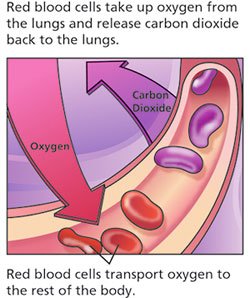
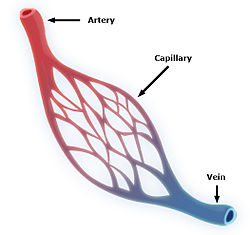
In what type of blood vessel does oxygen exchange take place?
Capillary
Vein
Artery
Aorta
What side of the heart has the strongest muscle?
right
left
What side of the heart pumps oxygenated blood?
right
left
One component of blood is
(a)
One component of blood is
(a)
One component of blood is
(a)

Name number 1 in the image (click on the image to enlarge it).
(a)

Name number 8 in the image (click on the image to enlarge it).
(a)

Name number 4 in the image (click on the image to enlarge it).
(a)
The measure of blood flow in arteries is...
blood pressure/heart rate
capillaries
pulmonary veins
True or False: the vena cava is the largest vein in the body.
True
False
What is the largest vein in the body?
Septum
Aorta
Capillaries
Vena cava
What is the condition of keeping the body stable?
Homeopathy
Balance
Homeostasis
Physiology
What is the clear, yellowish liquid portion of the blood?
Plasma
Veins
Platelets
Capillaries
What is the largest blood vessel in the body?
Right Atrium
Plasma
Vena cava
Aorta
What is responsible for clotting the blood when a person gets cut?
Capillaries
Platelets
Plasma
Vena cava
What is the upper chamber of the heart that receives blood from the body?
Aorta
Right atrium
Right ventricle
Left atrium
Why does the blood turn dark red as it circulates through the body?
Because the heart is pumping blood to the brain
Because Oxygen is replaced with Carbon Dioxide
Because there are no platelets
Because Carbon Monoxide is replaced with Oxygen
What is the main function of valves in the circulatory system?
To pump blood throughout the body
To prevent blood from moving in the wrong direction
To prevent platelets from clotting the blood
To keep the body stable
Which is NOT a part of the cardiovascular system?
Capillaries
Heart
Arteries
Ligaments

#2
Septum
Right ventricle
Left ventricle
Right Atrium

#9
Right Atrium
Right ventricle
Left atrium
Left ventricle

#5
Pulmonary Valve
Aorta
Superior Vena Cava
Mitral Valve

Pink color....
Lungs
Septum
Pulmonary artery
Superior vena cava

#4
Aorta
Pulmonary artery
Inferior vena cava
Superior vena cava

#3
Right ventricle
Right atrium
Septum
Mitral valve

#7
Left atrium
Right ventricle
Right atrium
Aorta
#5
Pulmonary Valve
Aorta
Superior Vena Cava
Mitral Valve
What's in the Circulatory (Cardiovascular) system?
consists of heart, veins and brain
consists of heart, blood vessels and blood
consists of heart, blood and lungs
consists of heart, brain and bladder
What is the atrium?
the bottom chamber of the heart
the right chamber of the heart
the left chamber of the heart
the upper chamber of the heart

What do red blood cells do?
carries oxygen
fights infection
clots blood
nothing; the white blood cells do all the work
What is a septum?
tissue that separates the right side from the left side of the brain
tissue that separates the right side from the left side of the lung
tissue that separates the right side from the left side of the heart
tissue that separates the right side from the left side of the veins

What is the main organ of the circulatory system?
Brain
Lungs
Heart
Blood Vessels
Your heart always pumps at the same rate.
True
False
How big is your heart?
About the size of your brain
About the size of your lungs
About the size of a cell
About the size of your fist

Which of the following are chambers of the heart?
Valves
Atrium and ventricle
Arteries and veins
Sinoatrial nerve
The pulmonary artery is the artery that carries the blood to your heart from your lungs.
True
False
How are arteries and veins different?
One is bigger than the other.
The arteries carry more blood than the veins.
The arteries carry blood away from the heart.
Veins carry blood to the heart.
The veins carry blood away from the heart.
Arteries carry blood to the heart.


How does the heart muscle move the blood between your heart, lungs and the rest of the body?
Magic
Diaphragm muscle pushes the blood around your body
Muscle contractions and relaxations
Who knows, ask a scientist


What is the vein that carries blood in the heart?
aorta
vena cava
left atrium
right atrium
How much can your heart weigh?
7 to 15 ounces
20 to 25 ounces
8 to 20 ounces
30 to 35 ounces
How much does an adult heart weigh?
300 grams
50 grams
500 grams
800 g
What is the purpose of the fat layer around the heart?
To regulate blood flow
To protect the heart from friction
To provide insulation
To store energy
What type of muscle is the heart made of?
Skeletal muscle
Voluntary muscle
Smooth muscle
Cardiac muscle
Which chamber of the heart acts as a waiting room for blood?
Pulmonary artery
Ventricle
Atrium
Aorta
What is the main function of the atrium in the heart?
To receive blood from the body
To pump blood to the body
To oxygenate the blood
To regulate heart rate
Which part of the heart contracts to create the 'lub' sound in a heartbeat?
Pulmonary artery
Ventricle
Atrium
Aorta
Where does the blood go after being oxygenated in the lungs?
Vena cava
Aorta
Pulmonary arteries
Pulmonary veins
What is the function of the left ventricle in the heart?
To receive blood from the body
To pump blood to the body
To oxygenate the blood
To regulate heart rate
Which vessel carries oxygenated blood from the heart to the body?
Vena cava
Aorta
Pulmonary vein
Pulmonary artery
What is the main purpose of blood in the body?
To transport oxygen and nutrients
To fight infections
To regulate body temperature
To produce energy
Where can you find more science activities and demonstrations from the Arizona Science Center?
YouTube



