
NEW
Font size
 Worksheets
Year 8 Biology - Cells, Microscopes and Reproduction Review
Total questions: 60
Worksheet time: 36mins

Animal cells DO NOT have ...
mitochondria
cell membranes
vacuoles
chloroplasts

Where are proteins made in the cell?
Golgi body
mitochondrion
nucleus
ribosomes

Tiny cell structures that carry out specific functions within the cell...
membranes
nucleus
organelles
organs

These are passageways in the cell that carry proteins from one part of the cell to another.
Golgi body
endoplasmic reticulum
ribosome
cell membrane

This organelle is found only in plant cells
Cytoplasm
Chloroplast
Mitochondria
Cell Membrane

The clear, jelly-like material in a cell that supports and protects the cell’s organelles.
Cytoplasm
Cell Membrane
Nucleus
Mitochondria

Which is the correct order from smallest to biggest?
Cells-Tissue-Organs-Organ System
Tissue-Cells-Organs-Organ System
Organs-Tissue-Cells-Organ System
Organ System-Organs-Tissue-Cells

This cell organelle breaks down food to release energy. Its known as the power plant of the cell.
Endoplasmic Reticulum
Mitochondria
Ribosomes
Cell Wall

This is the control center of the cell.
Nucleus
Nuclear Membrane
Chloroplasts
Golgi Apparatus


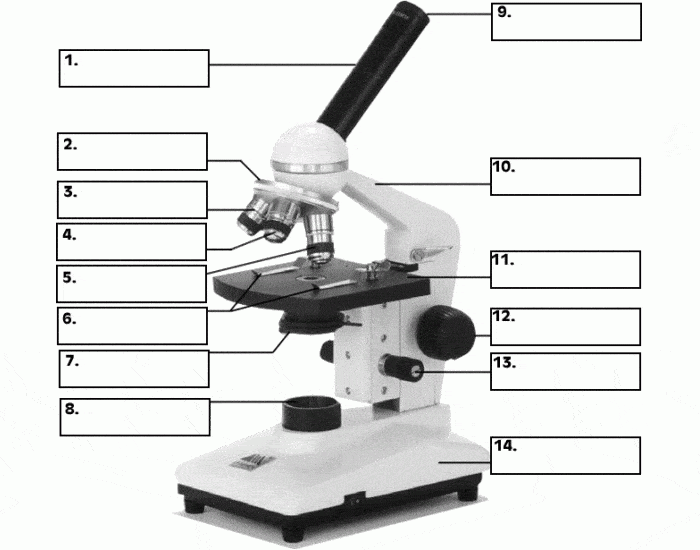

Used to control the amount of light reaching the specimen
Coarse focus knob
Objective lens
Eyepiece
Diaphragm
Part that holds two or more objectives
Stage
Ocular
Turret
Body Tube


In asexual reproduction, all of the offspring are:
Physically Identical
Genetically Identical
Physically and Genetically Identical
Not Identical

A hydra reproduces when an outgrowth forms and continues to develop until if falls off of the parent. This is an example of:
Binary Fission
Sporulation
Budding
Vegetative Propagation


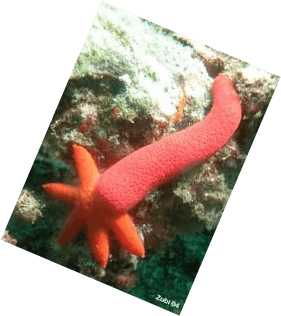
What type of asexual reproduction is taking place?
Fishermen cut up starfish with knives, and then throw the pieces of starfish overboard. They thought this would kill the starfish. Instead it helped their numbers increase.
Regeneration
Vegetative propagation
Budding
Fission

What type of asexual reproduction is taking place?
Binary Fission
Budding
Fragmentation
Regeneration
Vegetative Reproduction
All offspring of asexual reproduction are genetically identical
True
False

Prokaryotes (bacteria) reproduce asexually via -
spore formation
bud creation
vegetative propagation
binary fission


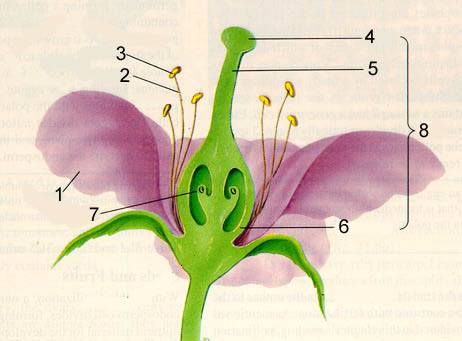
How is C adapted to receiving pollen from male flowers?
Part C is sticky.
Part C is colourful.
Part C produces nectar.
Part C produces eggs.

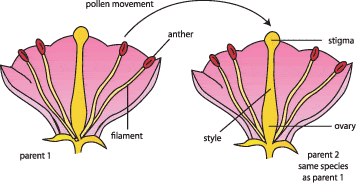
Pollen from the anther of one flower landing on the stigma of a different flower
cross pollination
self pollination
germination
fruit development
Pollen traveling from the anther to the stigma
fertilization
self fertilisation
cross fertilisation
pollination




Some worms reproduce if they are broken into pieces as shown. This is called:
trinary fission
regeneration
vegetative propagation
binary fission


Mushrooms and toadstools reproduce by:
dropping spores.
growing buds.
binary fission.
vegetative methods.

Bread moulds reproduce by:
dropping spores.
growing buds.
binary fission.
vegetative methods.

The yeast pictured are reproducing by:
dropping spores.
growing buds.
binary fission.
vegetative methods.

The spider plant pictured is reproducing by:
dropping spores.
growing buds.
binary fission.
vegetative methods.
The spider plant pictured is reproducing by which specific method of vegetative reproduction?
bulbs
runners
tubers
grafting

The picture shows one way in which man has aided some varieties of plants to reproduce. It is known as: reproduction?
budding
runners
grafting
first aid

The potato plants pictured have reproduced by which specific method of vegetative reproduction?
bulbs
runners
tubers
grafting

The onion plants pictured have reproduced by which specific method of vegetative reproduction?
bulbs
runners
tubers
grafting

Which of the following is NOT an advantage of asexual reproduction?
No variation in offspring
Less time required
Less energy required
Faster rate of reproduction

Greater variation in offspring is usually seen as an advantage in sexual reproduction. Which of the following best explains why?
It is easier to tell your kids apart.
Organisms with greater range of variations are less able to cope with (and survive) major environmental changes.
Organisms with greater range of variations are more able to cope with (and survive) major environmental changes.
It would be boring if everyone looked the same.

Which of the following is NOT true for sexual reproduction?
Two parents are usually involved
Male and female gametes must join.
Offspring are usually identical to the parents.
The joining off gametes is known as fertilisation.

What becomes the fruit of a flowering plant?
The enlarged petals.
The enlarged stamen.
The enlarged ovary.
The enlarged stigma

