wayground logo

Free Printable Worksheets

Font size

S
M
L
XL
Worksheets

Chapter 16 and Starting Final Review

Total questions: 100

Worksheet time: 1hrs 12mins

Name
Class
Date
1.
The chewing and grinding of food into smaller pieces is an example of...
a)
Mechanical Digestion
b)
Chemical Digestion
2.
Bile is made by which digestive organ?
a)
Gallbladder
b)
Stomach
c)
Rectum
d)
Liver
3.
Nutrients from digested food are absorbed in which digestive organ?
a)
Small Intestine
b)
Stomach
c)
Large Intestine
d)
Gallbladder
4.
Which organ pushes food down to the stomach?
a)
Mouth
b)
Esophagus
c)
Rectum
d)
Large intestine
5.
Which body system gets ride of solid waste?
a)
Excretory (Urinary)
b)
Digestive
c)
Circulatory
d)
Respiratory
6.
As waste moves through the digestive system, the ______ absorbs water before storing waste in the rectum.
a)
Small intestine
b)
Stomach
c)
Esophagus
d)
Large intestine
7.
Most chemical digestion takes place in which organ?
a)
Stomach
b)
Small intestine
c)
Rectum
d)
Esophagus
8.
What comes first?
a)
Mouth
b)
stomach
c)
large intestine
d)
none
9.
What does the stomach do?
a)
Nothing
b)
Adds digestive juices to the food
c)
Goes out to the rectum
d)
Barley any of these
10.
Where digestion begins, teeth and tongue help break food into smaller pieces.
a)
mouth
b)
pharynx
c)
esophagus
d)
salivary glands
11.
The throat, food passes through here when swallowing.
a)
esophagus
b)
pharynx
c)
stomach
d)
salivary glands
12.
Churns and mixes food, produces acid to kill pathogens & pepsin to digest proteins.
a)
stomach
b)
liver
c)
gall bladder
d)
pancreas
13.
Which is NOT a function of the Digestive System?
a)
To rid the body of solid waste
b)
Absorb nutrients for energy & growth
c)
Break down nutrients from food
d)
Pump blood around the body
14.
Most chemical digestion takes place in which organ?
a)
Stomach
b)
Small intestine
c)
Rectum
d)
Esophagus
15.

Which nutrient begins its chemical digestion in the mouth?

a)

carbohydrates

b)

proteins

c)

fats

d)

water

16.
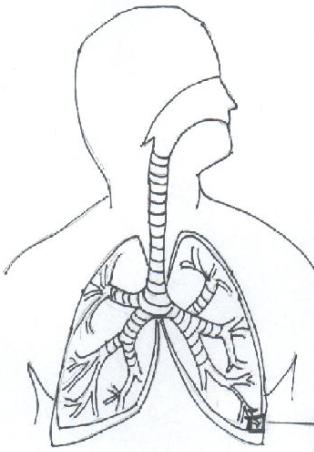
Inhale!!!!
Your lungs are ___________  air
a)
taking in
b)
letting out
17.
EXHALE!!!
My lungs are __________________ air. 
a)
taking in
b)
letting out
18.
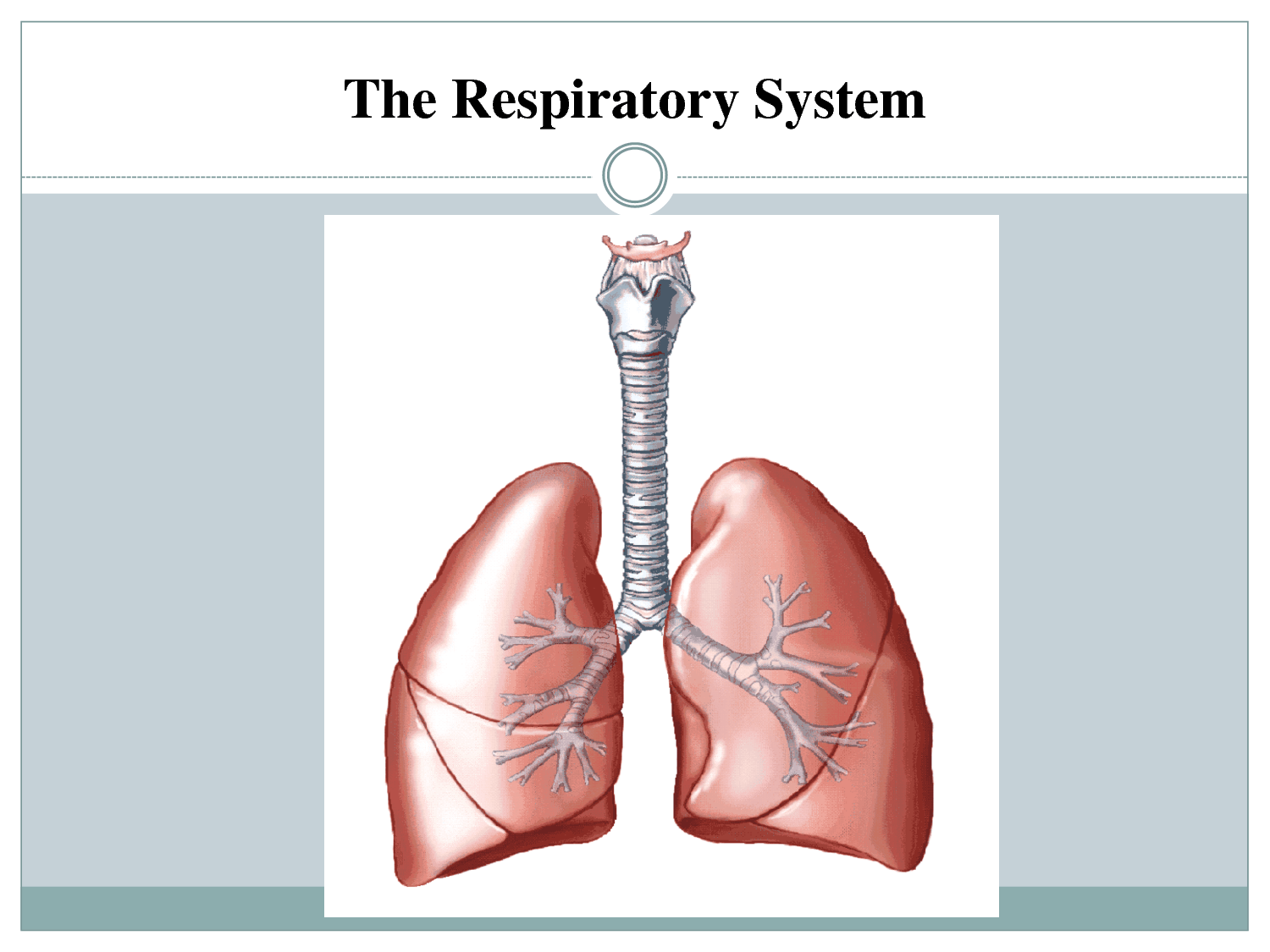
What is the main function of the respiratory system?
a)
to provide oxygen and remove carbon dioxide from the body
b)
to bring oxygen to the body
c)
to break down food and absorb nutrients
d)
to remove oxygen from the body and deliver carbon dioxide
19.
What are the main organs of gas exchange in the respiratory system?
a)
diapragm
b)
lungs
c)
trachea
d)
bronchi
20.
When you breathe, your lungs take in ___ and remove ___. 
a)
air/oxygen
b)
oxygen/carbon dioxide 
c)
carbon dioxide/waste 
d)
waste/air 
21.
What is the function of the bronchi?
a)
Transport air from nose to lungs
b)
Transport air from trachea to lungs
c)
Transport air from lungs to alveoli
d)
Transport air from alveoli to blood
22.
What are the main organs of gas exchange in the respiratory system?
a)
diapragm
b)
lungs
c)
trachea
d)
bronchi
23.
What does the cilia do in the respiratory syestem ?
a)
The cilia carries food and air through the respiratory system. 
b)
The cilia is known to be part of a cell. 
c)
Cilia filters particles that enter the nose. 
d)
Cilia contains the vocal chords. 
24.
What does the Larynx hold ?
a)
The larynx holds the whole sub system 
b)
The larynx is part of the plant cells. 
c)
The larynx holds the vocal chords. 
d)
The larynx is part of animal tissues. 
25.
What are the most five important organs part of the respiratory system? 
a)
The nose,throat,lungs, and sub system 
b)
The nose,throat ,windpipe,voice box, lungs 
c)
Nose , Trachea
d)
Nose, Trachea, windpipe,oesphogus,lungs 
26.
What is an other word for windpipe?
a)
Larynx
b)
Trachea
c)
Oesophagus
d)
Diaphragm
27.
How is carbon dioxide released from the body? 
a)
When we exhale
b)
When we urinate
c)
When we sweat
d)
When we inhale
28.
What is the name of the muscle below the lungs that helps with breathing?
a)
trachea
b)
alveoli
c)
diaphragm
d)
bronchi
29.
The beginning of the respiratory system that warms and moistens the air.
a)
trachea
b)
nose
c)
bronchi
d)
diaphragm
30.

Urine is produced by the

a)

Urethra

b)

Urinary bladder

c)

Kidney

d)

Ureter

31.

Urine is carried to the bladder by

a)

Blood vessels

b)

The urethra

c)

The calyxes

d)

The ureter

32.

Each of the following is part of the urinary system, except the

a)

Kidney

b)

Liver

c)

Urinary bladder

d)

Ureter

e)

Urethra

33.

What structure in the kidneys filters the blood?

a)

Ureters

b)

Nephrons

c)

Bladder

d)

Urethra

34.

which of the following is a structure of the urinary system

a)

ureters

b)

urethra

c)

kidneys

d)

bladder

e)

uterus

35.
What is #3?
a)
Kidney
b)
Ureters
c)
Bladder
d)
Urethra
36.
Which of the following is an example of the urinary system's ability to maintain homeostasis?
a)
A person drinks a large amount of water and urinary output increases.
b)
The kidneys are protected by a heavy cushion of fat and a fibrous capsule.
c)
As people get older, the frequency of nocturne increases.
d)
When physical activity increases, the blood flow through the kidneys decreases.
37.
How does freezing water cause the weathering of rocks?  The freezing water—
a)
keeps the rocks in place
b)
makes the rocks last longer
c)
expands cracks and breaks rocks
d)
causes rocks to fall in landslides
38.
The process that breaks down rocks and other materials on Earth's surface is called
a)
weathering
b)
erosion
c)
soil conservation
d)
decomposition
39.
What is mechanical weathering?
a)
Process through which rocks are physically broken into smaller pieces.
b)
Rocks are broken down through chemical changes.
c)
Rocks are worn away from acid in plant roots.
d)
Rocks broken down by machinery.
40.
How do plants weather rocks?
a)
during photosynthesis
b)
when roots grow into cracks of rocks and expand the rock
c)
when the plant moves water from the roots to the leaves
41.
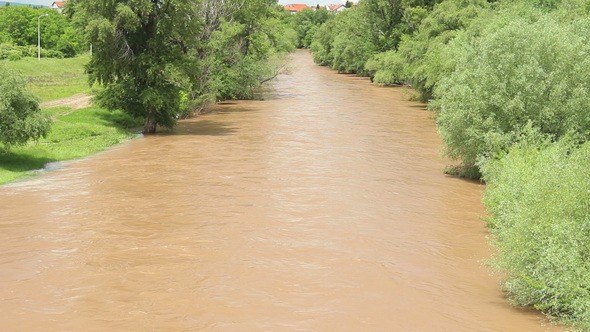
Muddy water being carried away by a fast-moving river is an example of
a)
Weathering
b)
Erosion
c)
Deposition 
d)
A nice place to swim
42.
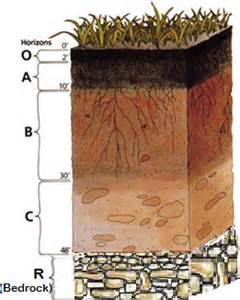
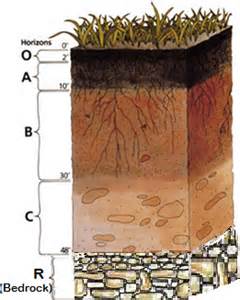
In which horizon is most of the HUMUS?
a)
Horizon A
b)
Horizon B
c)
Horizon C
d)
Horizon D or R
43.
Which horizon is made up of partially weathered rocks?
a)
Horizon A
b)
Horizon B
c)
Horizon C
d)
Horizon D or R
44.
If plants are exposed to sunlight, then they will grow taller.
What part of the scientific method is this an example of?
a)
Procedure
b)
Hypothesis
c)
Question
d)
Results
45.
What step does every scientific experiment begin with?
a)
hypothesis
b)
question/problem
c)
procedures
d)
conclusion
46.
What is the part of the experiment that is left alone or “natural", and is used to compare back to?
a)
Independent Variable
b)
Dependent Variable
c)
Control Group
d)
Experimental Group 
47.
A scientist hypothesizes the the temperature at which an alligator's egg is incubated will determine whether the alligator will be male or female. The independent variable is
a)
the male alligators
b)
the incubator
c)
the gender of the alligator
d)
the temperature
48.
What would the INDEPENDENT variable be in an experiment testing which types of paper airplane goes furthest?
a)
the paper used
b)
the type of paper airplane
c)
the distance of each plane's flight
d)
how hard the plane is thrown
49.
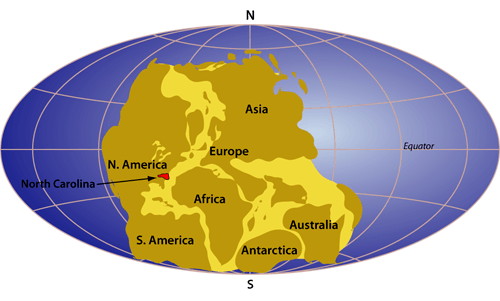
What is this a picture of?
a)
plate tectonics
b)
continental drift
c)
pangea
d)
glacier scaring
50.
What do you call the evidence of Wegener's Theory that tells about the remains of an organism that lived long time ago?
a)
Ashes
b)
Bones
c)
Follicles
d)
Fossils
51.
What do you call the supercontinent landmass formed million years ago?
a)
Pangea
b)
Asia
c)
Pantallasa
d)
Eurasi
52.
How many time zones are there?
a)
18
b)
11
c)
20
d)
24
53.
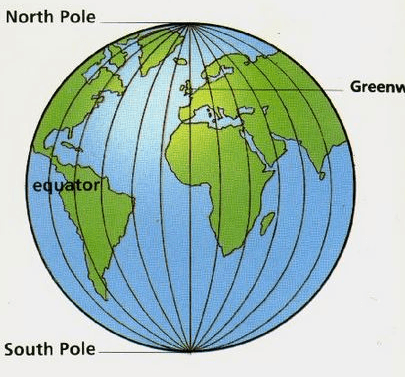
What is the name of the line at zero degrees longitude?
a)
Equator
b)
Prime Meridian
c)
North Pole
d)
South Pole
54.
a)
The map shows lines of longitude.
b)
The map shows lines of latitude.
55.
Which city is closest to the Equator?
a)
Los Angeles
b)
Minneapolis
c)
Miami
d)
Unable to determine
56.
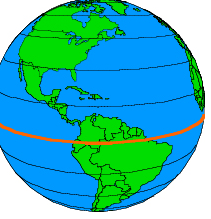
Which imaginary lines are shown by this map?
a)
The map show the lines of longitude.
b)
The map shows the lines of latitude.
57.

What is the contour interval of this map?

a)

10

b)

20

c)

30

d)

40

58.

Which side is steeper?

a)

The left side of the hill

b)

The right side of the hill

59.

What is the contour interval?

a)

1 ft

b)

5 ft

c)

10 ft

d)

60 ft

60.

What are these maps called?

a)

Line Maps

b)

Topographic Maps

c)

Circle Maps

d)

Mountain Maps

61.

How can you tell a map shows a steep slope?

a)

The lines are far apart from each other

b)

The lines are close to each other

62.
What is the shaking of the Earth’s crust caused by a release of energy?
a)
Earthquake
b)
Epicenter
c)
Fault
d)
Plate
63.
Which type of wave is the first to arrive after an earthquake occurs?
a)
P Wave
b)
Rayleigh Wave
c)
S Wave
d)
Shear Wave
64.
Where is the point on the Earth’s surface directly above the focus of an earthquake?
a)
Epicenter
b)
Fault
c)
Hypocenter
d)
Tremor
65.
S Waves can move through which of the following?
a)
Gas
b)
Liquid
c)
Solid
d)
All of these
66.
What is an instrument that detects and records waves produced by earthquakes? (This piece of equipment can measure the magnitude of an earthquake.)
a)
Epicenter
b)
Fault
c)
Seismogram
d)
Seismograph
67.
What is the measure of the amount of energy released in an earthquake?
a)
Earthquake
b)
Epicenter
c)
Magnitude
d)
Seismogram
68.
What are the three states of matter?
a)
solid, liquid, and gas
b)
solid, water, and gas
c)
wood, liquid, and gas
d)
solid, liquid, and helium
69.
What is one way matter change states?
a)
matter loses mass
b)
heat is added
c)
it doesn't change
d)
by doing nothing
70.
The amount of space that matter takes up is its _______.
a)
atom
b)
volume
c)
matter
d)
weight
71.
Water in the form of a gas is called _________.
a)
water vapor
b)
gasoline
c)
ice
d)
liquid
72.
__________ are the building blocks of life.
a)
solids
b)
gases
c)
atoms
d)
nutrients
73.
Water in its solid form is _____________.
a)
a vapor
b)
ice
c)
a liquid
d)
boiling
74.
When a solid is turned into a liquid, the solid _______________.
a)
melts
b)
freezes
c)
turns into a gas
d)
floats
75.
Volume is ______________.
a)
length X width
b)
height X length
c)
length X width X height
d)
width X height
76.
__________ has a definite shape and volume.
a)
liquid
b)
solid
c)
gas
77.
______________ does not have a definite shape or volume.
a)
liquid
b)
solid
c)
gas
78.
What is the atomic mass of Neon?
a)
10
b)
20.18
c)
10.18
d)
20.18
79.
How many protons are in Beryllium?
a)
4
b)
9
c)
5
d)
2
80.
How many neutrons are in a Gold atom?
a)
79
b)
196
c)
118
d)
275
81.
How many electrons does a Copper atom have?
a)
63
b)
29
c)
92
d)
34
82.
What is the atomic mass of Gold?
a)
79
b)
196.9665
c)
117
d)
275
83.
How many electrons does an Iodine atom have?
a)
53
b)
126
c)
73
d)
179
84.
How many electrons are in a gold atom?
a)
79
b)
196
c)
117
d)
275
85.
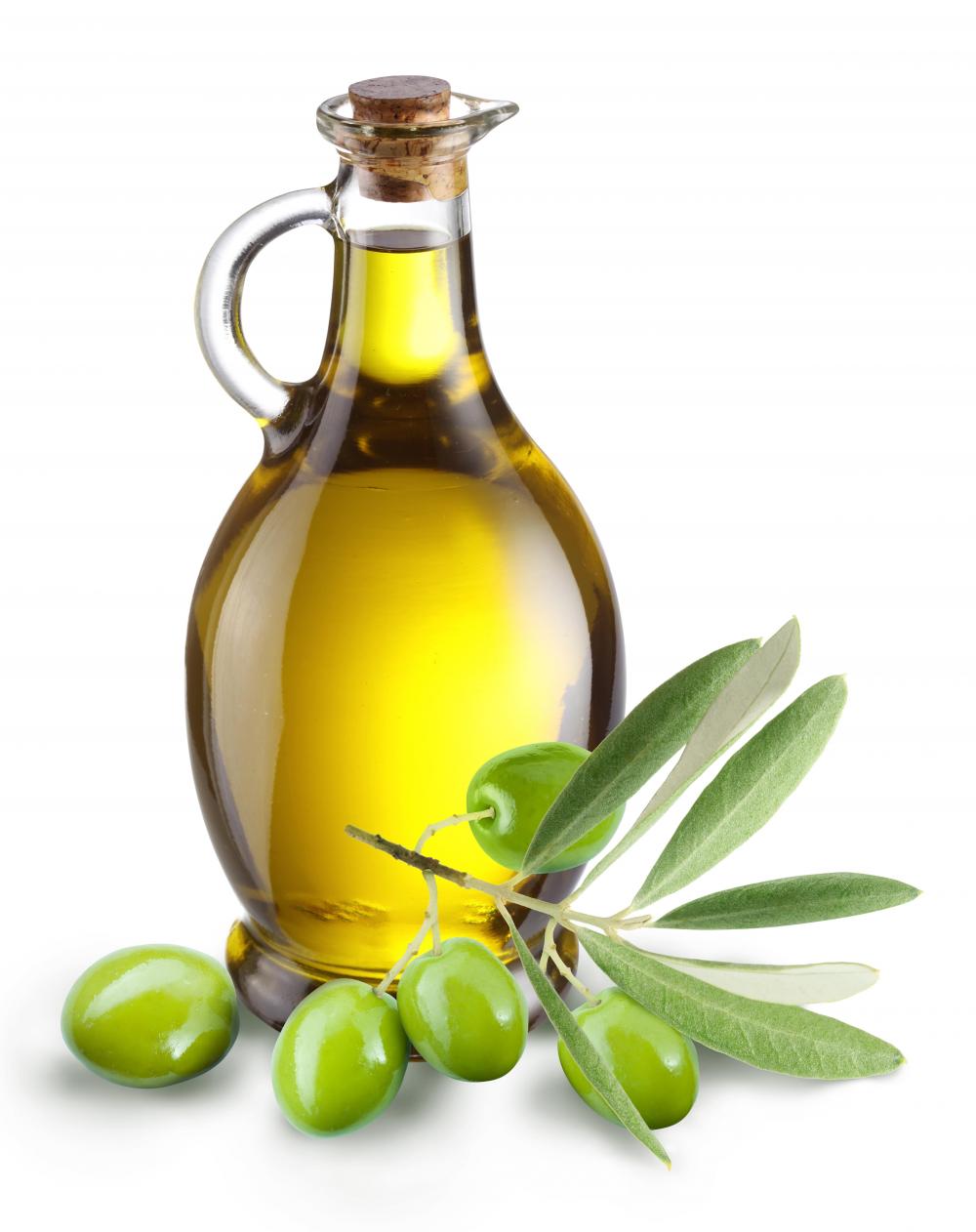
Olive Oil
a)
Heterogeneous  mixture
b)
Homogeneous mixture
86.
black ink
a)
heterogeneous mixture
b)
homogeneous mixture
87.
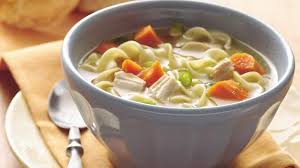
Chicken noodle soup
a)
heterogeneous mixture
b)
homogeneous mixture
88.
dish washing liquid
a)
homogeneous
b)
heterogeneous
89.
ice cream sandwich
a)
homogeneous
b)
heterogeneous
90.
What is a substance that is dissolved in another substance? 
a)
solution
b)
solute
c)
solvent
d)
compound
91.
What is a solvent?
a)
The substance that does the dissolving in a solution.
b)
The substance that is being dissolved in a solution.
c)
The mixing of different substances.
d)
The process in which neutral molecules lose or gain electrons
92.
This is the part of a solution that dissolves
a)
Solute
b)
Solvent
c)
Solution
d)
Mixture 
93.
salt water is a 
a)
compound
b)
element
c)
heterogeneous mixture
d)
solution
94.
Another name for a homogeneous mixture is 
a)
an element.
b)
a solution.
c)
a compound.
95.
what a solute dissolves in
a)
solvent
b)
mixture
c)
solute
96.
Kool-Aid - Powder, sugar, and water
Identify the solvent 
a)
water
b)
powder
c)
sugar
d)
powder and sugar
97.
Lemonade - Water, lemon juice, and sugar
Identify the solute
a)
water
b)
lemon juice
c)
sugar and lemon juice 
98.
When solute dissolves into a solvent it is called a _____________.
a)
mixture
b)
solution
c)
element
99.
To make a solute dissolve more quickly i n a solvent which would you do?
a)
Put it in cold water and stir it
b)
Put it in warm water and stir it
100.
This type of mixture contains two or more substances that are visibly distinguishable. 
a)
homogeneous
b)
heterogeneous
c)
solution
d)
colloid