wayground logo

Free Printable Worksheets

Font size

S
M
L
XL
Worksheets

Ch. 4 Study Guide Reproduction and Meiosis

Total questions: 104

Worksheet time: 56mins

Name
Class
Date
1.
A mode of reproduction in which an organism arises from two organisms and inherits half of its DNA from each parent
a)
Sexual Reproduction
b)
Asexual Reproduction
c)
Cloning
d)
Fragmentation
2.
A mode of reproduction in which an organism arises from two organisms and inherits half of its DNA from each parent
a)
Sexual Reproduction
b)
Asexual Reproduction
c)
Cloning
d)
Fragmentation
3.
Egg
a)
male sex cell
b)
body cell
c)
stem cell
d)
female sex cell
4.
Sperm
a)
male sex cell
b)
body cell
c)
stem cell
d)
female sex cell
5.
Zygote
a)
sex cells that form in the reproductive organs
b)
cell that is the result of fertilization
c)
cell that directions the activities of the other cells
d)
cell that turns into other types of cells
6.
Zygote
a)
sex cells that form in the reproductive organs
b)
cell that is the result of fertilization
c)
cell that directions the activities of the other cells
d)
cell that turns into other types of cells
7.
Regeneration
a)
when a body part regrows and may form a new organism
b)
when a body part regrows and may cause a mutation
c)
when a body part regrows and may form more sex cells
d)
when a body part regrows and may cause genetic issues
8.
What is the process shown in this figure?
a)
budding
b)
cloning
c)
regeneration
d)
vegetative reproduciton
9.
A form of asexual reproduction in which offspring grow from a part of a parent plant.
a)
vegetative reproduction
b)
tubers.
c)
fragmentation.
d)
budding.
10.
Which process and type of resulting cells are represented?
a)
mitosis, gametes
b)
meiosis, gametes
c)
mitosis, body cells
d)
meiosis, body cells
11.
one parent organism
a)
part of sexual reproduction
b)
part of cell division
c)
part of asexual reproduction
d)
part of the cell cycle
12.
sex cells
a)
are usually haploid cells
b)
are usually diploid cells
c)
are usually found in the liver of a human
d)
are usually found in body cells
13.
male reproductive organs produced _____
a)
sperm
b)
meiosis
c)
fertilization
d)
eggs
14.
fertilization
a)
when a cell goes through mitosis
b)
when two body cells join to form tissue
c)
when tissue cells join to form organs
d)
when two sex cells join
15.
diploid cells
a)
have one of every kind of chromosome
b)
have two of every kind of chromosome
c)
have three of every kind of chromosome
d)
have four of every kind of chromosome
16.
in meiosis, the daughter cells have _____the number of chromosomes compared to the parent cell
a)
1/3
b)
1/2
c)
2/2
d)
6/6
17.
in meiosis, the daughter cells have _____the number of chromosomes compared to the parent cell
a)
four, with 1/2 # of chromosomes
b)
two, identical
18.
What kind of reproduction requires more energy and is slow?
a)
sexual
b)
asexual
19.
Which of the following is not a benefit of asexual reproduction?
a)
Offspring will be successful in an unchanged environment.
b)
Good at adapting to changing environments.
c)
Only requires one parent to produce offspring.
d)
Can reproduce rapidly.
20.
If a diploid tomato cell has 24 chromosomes, how many chromosomes will the tomato's sex cells have?
a)
12
b)
6
c)
24
d)
48
21.
What is the type of cell division associated with sexual reproduction?
a)
meiosis
b)
mitosis
22.
What is the type of cell division associated with asexual reproduction?
a)
meiosis
b)
mitosis
23.
These are long strands of DNA in the nucleus that controls the traits of an organism.
a)
Gene
b)
Allele
c)
Chromosomes
d)
mitosis
24.
If a cow has 60 chromosomes in a somatic cell how many chromosomes would be in a cow's sex cell?
a)
60
b)
30
c)
120
d)
90
25.
Which type of reproduction results in diversity because the offspring are a combination of the parents and genetically different?
a)
sexual
b)
asexual
26.
When a new organism grows by mitosis and cell division on the body of its parent.
a)
budding
b)
regeneration
c)
vegetative reproduction
d)
mitotic cell division
27.
Which statement describes why genetic variation is beneficial to populations of organisms?
a)
individuals look different from one another
b)
only one parent is needed to produce offspring
c)
populations of the organism increase more rapidly
d)
species can better survive environmental changes
28.
Amoeba use mitosis and produce two offspring that are identical to the parent. This is an example of...
a)
budding.
b)
binary fission.
c)
regeneration.
d)
parthenogenesis.
29.
Which of the following types of reproduction would result in the greatest genetic diversity in the offspring?
a)
Option 1
b)
Option 2
c)
Option 3
d)
Option 4
30.
Which of the following is a disadvantage for sexual reproduction?
a)
a lot of time and energy is required for making gametes and finding mates
b)
the genetic diversity makes organisms respond differently to environmental changes
c)
offspring can be produced more quickly than by asexual means
d)
the offspring are genetically different
31.
A male shark has 40 chromosomes in each of its sex cells. How many would be present in its body cells?
a)
20
b)
40
c)
80
d)
160
32.
a two-stage type of cell division that results in gametes with half the number of chromosome number as the body cells:
a)
meiosis
b)
mitosis
c)
fertilization
d)
crossing over
33.
when nonsister chromatids of homologous chromosomes exchange genetic information, results in a new combination of genes (genetic variation)
a)
meiosis
b)
mitosis
c)
fertilization
d)
crossing over
34.
Which letter(s) in the diagram correspond to cells that are haploid?
a)
B
b)
C
c)
A
35.
Which letter(s) in the diagram correspond to cells that are diploid?
a)
B
b)
C
c)
A
36.
which of the following is a concern associated with cloning?
a)
causing animals to become extinct
b)
dinosaurs roaming the earth
c)
creating superhuman species
d)
ethics(what is right and wrong)
37.

(a)   Chromosomes = paired chromosomes that have genes for the same traits arranged in the same order

38.

If 47 sex cells go through meiosis, how many daughter cells will be produced?

(a)  

39.

For a type of frog, 3 eggs in arow measure 6 mm across. What is the length of a line of 12 eggs?

(a)  

40.

PMAT helps us remember the correct order of the phases of Mitosis. What does each letter stand for?

(a)  

41.

What is the difference between a haploid and a diploid cell?

(a)  

42.

Why is it important that genetic variation exists within a population?

(a)  

43.

What are some advantages of asexual reproduction? Disadvantages?

(a)  

44.

Why is meiosis important?

(a)  

45.

What are some advantages of sexual reproduction? Disadvantages?

(a)  

46.

What are the two phases of meiosis?

(a)  

47.

How many chromosomes do human body cells have?

(a)  

48.

Do identical twins have the same genetic code? Why or why not?

(a)  

49.

What is the difference between fission and fusion?

(a)  

50.

Why is regeneration, a process in which an organism regrows part of its body, not considered reproduction?

(a)  

51.

What process creates reproductive cells used in sexual production?

a)

meiosis

b)

mitosis

c)

cellular respiration

d)

photosynthesis

52.

Meiosis results in _____.

a)

4 haploid daughter cells

b)

2 diploid daughter cells

c)

2 haploid daughter cells

d)

4 diploid daughter cells

53.

Meiosis is known as ___________ division.

a)

reduction

b)

addition

c)

division

d)

multiplying

54.

During meiosis, nonsister chromatids of a homolgous pair exchange DNA. This is called _____________.

a)

crossing over

b)

trading places

c)

criss cross apple sauce

d)

breaking places

55.

Crossing over occurs during __________ of meiosis.

a)

Prophase I

b)

Metaphase II

c)

Anaphase I

d)

Telophase II

56.

What is the effect of crossing over and independent assortment during meiosis?

a)

increased genetic diversity of gametes

b)

decreased genetic diversity of gametes

c)

increased number of daughter cells

d)

decreased number of daughter cells

57.

Which describes a zygote cell?

a)

diploid

b)

haploid

c)

monoploid

d)

triploid

58.

Half the _________ in the offspring come from each parent.

a)

genes

b)

molecules

c)

particules

d)

substances

59.

Females produce sex cells called ________

a)

eggs

b)

sperms

c)

ovaries

d)

uterus

60.

Males produce sex cells called ________ cells

a)

sperm

b)

male

c)

egg

d)

sex

61.

The zygote grows through __________

a)

mitosis

b)

meiosis

c)

budding

d)

spores

62.

Sexual reproduction increases genetic _______

a)

variation

b)

division

c)

explanation

d)

condensation

63.

Some advantages of sexual reproduction include: (select all that apply)

a)

genetic variation

b)

improves chances of adapting to the environment

c)

helps species survive catastrophes

d)

it doesn't take as much energy as asexual reproduction

64.

What are some advantages of asexual reproduction? (select all that apply)

a)

it only requires one organism

b)

it takes less energy than sexual reproduction

c)

offspring are already well-adapted for the environment

d)

there is a lot of genetic variety

65.
A male shark has 40 chromosomes in each of its sex cells. How many would be present in its body cells?
a)
20
b)
40
c)
80
d)
160
66.

Zygote

a)

sex cells that form in the reproductive organs

b)

cell that is the result of fertilization

c)

cell that directions the activities of the other cells

d)

cell that turns into other types of cells

67.

regeneration

a)

when a body part regrows and may form a new organism

b)

when a body part regrows and may cause a mutation

c)

when a body part regrows and may form more sex cells

d)

when a body part regrows and may cause genetic issues

68.

A planarian is cut into 3 equal parts. How many planarians will there be by fragmentation/regeneration?

a)

5

b)

6

c)

10

d)

3

69.

Do not need a mate

a)

advantage of asexual reproduction

b)

disadvantage of asexual reproduction

70.

Little genetic variation

a)

advantage of asexual reproduction

b)

disadvantage of asexual reproduction

71.

mutations can occur

a)

advantage of asexual reproduction

b)

disadvantage of asexual reproduction

72.

all susceptible to disease

a)

advantage of asexual reproduction

b)

disadvantage of asexual reproduction

73.

diploid cells

a)

have one of every kind of chromosome

b)

have two of every kind of chromosome

c)

have three of every kind of chromosome

d)

have four of every kind of chromosome

74.

Cloning results in two organisms that are

a)

both adult mammals

b)

produced from cuttings

c)

genetically similar

d)

genetically identical

75.

Binary fission is the bacterial process of

a)

asexual reproduction

b)

obtaining food

c)

producing energy

d)

forming endospores

76.

What is the process shown in this figure?

a)

budding

b)

cloning

c)

regeneration

d)

vegetative reproduciton

77.

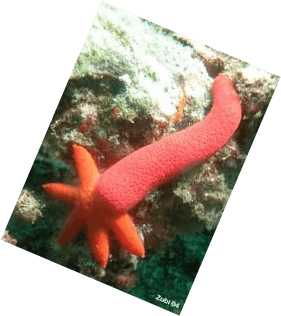
A sea star has one of its arms break off. That arm grows into its own separate organism through ____________________.

a)

sexual reproduction

b)

regeneration

c)

spindle fibers

d)

chromosomes

78.

Hydra reproduce through ___________________, where the offspring grows from the body of the parent organism.

a)

budding

b)

DNA

c)

thymine

d)

mutations

79.

If a diploid tomato cell has 24 chromosomes, how many chromosomes will the tomato's sex cells have?

a)

12

b)

6

c)

24

d)

48

80.

Which is NOT a form of asexual reproduction?

a)

binary fission

b)

meiosis

c)

budding

d)

parthenogenesis

81.

Which statement reflects a way in which asexual reproduction is beneficial? Select all that apply.

a)

It results in genetic variation.

b)

It requires a lot of time and energy.

c)

Organisms can reproduce without a mate.

d)

It is a much quicker process.

82.

Which statement describes why genetic variation is beneficial to populations of organisms?

a)

individuals look different from one another

b)

only one parent is needed to produce offspring

c)

populations of the organism increase more rapidly

d)

species can better survive environmental changes

83.

Amoeba use mitosis and produce two offspring that are identical to the parent. This is an example of...

a)

budding.

b)

binary fission.

c)

regeneration.

d)

parthenogenesis.

84.

Strawberry plants produce offspring by sending out specialized stems. This is an example of...

a)

runners.

b)

tubers.

c)

fragmentation.

d)

budding.

85.

Which of the following types of reproduction would result in the greatest genetic diversity in the offspring?

a)
b)
c)
d)
86.
Which of the following is a characteristic of a  disadvantage of Sexual Reproduction?
a)
diverse offspring
b)
identical to parent
c)
time and energy 
d)
adaptability 
87.
All of the offspring of an organism have the same genetic material, which is identical to the parent organism?
a)
makes its own food
b)
goes away
c)
live in a marine habitat
d)
reproduces asexually
88.
How many daughter cells are produced in meiosis?
a)
4 daughter cells
b)
none of these
c)
3 daughter cells
d)
2 daughter cells
89.
Identify the phase:
a)
Metaphase I
b)
Metaphase II
c)
Anaphase I
d)
Anaphase II
90.
Identify the phase.
a)
Metaphase I
b)
Metaphase II
c)
Anaphase I
d)
Anaphase II
91.
Identify the process.
a)
Mitosis
b)
Meiosis I
c)
Meiosis II
d)
Interphase
92.
Identify the phase.
a)
Telophase I
b)
Telophase II
c)
Metaphase I
d)
Metaphase II
93.
What phase is represented?
a)
metaphase 1
b)
metaphase 2
c)
anaphase 1
d)
anaphase 2
94.

Homologous chromosomes contain the same genes.

a)

True

b)

False

95.

Identify the phase of meiosis in the image below.

a)

anaphase 1

b)

prophase 1

c)

metaphase 1

d)

telophase 1

96.

What do you call the form of asexual reproduction in which offspring grow from a part of a parent plant?

a)

fission

b)

budding

c)

regeneration

d)

vegetative reproduction

97.

What do you call the type of asexual reproduction performed in a laboratory that produces identical individuals from a cell or from a cluster of cells taken from a multi cellular organism?

a)

budding

b)

fission

c)

cloning

d)

regeneration

98.

Which of these is NOT an advantage of asexual reproduction.

a)

Enables organisms to reproduce without a mate

b)

Requires less time and energy

c)

Results in little genetic variation

d)

Enables organisms to produce large amounts of offspring

e)

Enables plants to spread and colonize an area in a short period of time

99.
a)
budding
b)
sporulation
c)
vegetative propagation
d)
binary fission
100.
What type of asexual reproduction is taking place?
Fishermen work hard to catch and remove all the starfish that get into their favorite shell fishing beds and the “underwater farms” where they raise clams and oysters. In the past, they put the starfish into their boats, cut them up with knives, and then throw the pieces of starfish overboard. They thought this would kill the starfish. What they did not know was that each piece of starfish will grow into a whole new animal.
a)
Regeneration
b)
Vegetative propagation
c)
Budding
d)
Fission
101.
What are some of the facts about asexual reproduction?
a)
Takes only one mate to reproduce and takes a longer time to reproduce
b)
Takes a shorter amount of time to reproduce and it takes two mates to reproduce
c)
Reproduces diverse offspring and takes a longer time to reproduce
d)
Takes only one mate to reproduce and takes a shorter time to reproduce
102.

The prefix a- in the term asexual means

a)

one

b)

alike or identical

c)

above

d)

without

103.

Which of the following is an advantage of asexual reproduction? (chose all that apply)

a)

Energy and time are not wasted finding a mate

b)

Favorable conditions can be exploited quickly

c)

It is generally faster that sexual reproduction

d)

Every organism is identical having the same needs, requirements, and characteristics

104.

Which of the following is a disadvantage of asexual reproduction? (chose all that apply)

a)

There is no genetic variation

b)

Populations are slower to adapt

c)

Populations are limited to the specific conditions

d)

It is generally faster and does not require the energy to find a mate