wayground logo

Free Printable Worksheets

NEW

Font size

S
M
L
XL
Worksheets

Science II: Unit 4 - Ecology

Total questions: 50

Worksheet time: 31mins

Name
Class
Date
1.
An organism that produces its own food supply from inorganic compounds is called a(an)
a)
heterotroph
b)
consumer
c)
detritivore
d)
autotroph
2.
What is the original source of almost all energy in most ecosystems?
a)
carbohydrates
b)
sunlight
c)
water
d)
carbon
3.
What is the term for each step in the transfer of energy and matter within a biological community?
a)
energy path
b)
food web
c)
trophic level
d)
food pyramid
4.
symbiotic relationship in which both organisms benefit
a)
competition
b)
Mutualism
c)
nitrogen fixation
d)
energy pyramid
5.
What does a food web represent?
a)
All connections of energy flow throughout all organisms in a habitat.
b)
The specific ways that mutualism is carried out.
c)
A single pathway or energy flow between organisms. 
d)
How carnivores get their food. 
6.
The image provided is an example of a(n):
a)
Carnivore
b)
Herbivore
c)
Producer
d)
Autotroph
7.
The image provided is an example of a(n):
a)
Producer
b)
Autotroph
c)
Consumer
d)
Insect
8.
The amount of energy that usually transfers from one trophic level to the next...
a)
10%
b)
20%
c)
80%
d)
50%
9.
Which of the following would be the definition of a detritivore?
a)
Animals that eat insects.
b)
Organisms that feed on rocks, recycling the nutrients back into the ground.
c)
Organisms that eat only pants
d)
Things that feed on dead organisms, recycling the nutrients back into the ground.
10.
The nonliving aspects of an ecosystem.
a)
Abiotic factors
b)
Biotic factors
11.
The living portions of the ecosystem.
a)
Biotic factors
b)
Abiotic factors
12.
Water temperature would be an example of ...
a)
A biotic factor
b)
An abiotic factor
13.
A collection of organisms that belong to different populations but all live in the same area and interact with one another.
a)
Population
b)
Ecosystem
c)
Community
d)
Ecosphere
14.
A place where an organism lives.
a)
Terrain
b)
Habitat
c)
Community
d)
Population
15.
A collection of organisms that make up a community as well as all of the nonliving aspects of the environment.
a)
Population
b)
Community
c)
Habitat
d)
Ecosystem
16.
Organisms that can capture energy from inorganic, nonliving sources.
a)
Producers
b)
Consumers
c)
Detritivores
d)
Carnivores
17.
Organisms that feed on both living producers and other consumers.
a)
Carnivores
b)
Omnivores
c)
Herbivores
d)
Detritivores
18.
An organism at the second trophic level would be considered a...
a)
Top carnivore
b)
Producer
c)
Herbivore
d)
Carnivore
19.
A graphic illustration that shows each trophic level and the amount of useable energy contained within.
a)
Food chain
b)
Food web
c)
Energy Pyramid
d)
All of these
20.
Organisms that look similar and can produce fertile offspring
a)
Species
b)
Fish
c)
Community
d)
Trees
21.

Which is the simplest level of organization within the environment?

a)

cell

b)

organism

c)

population

d)

community

22.

Which of the following is the highest level of organization within the environment?

a)

biome

b)

organism

c)

ecosystem

d)

biosphere

23.
Which term refers to the job an organism plays within its environment?
a)
biosphere
b)
ecology
c)
habitat
d)
niche
24.
A group of similar organisms that can reproduce with each other is called a _______________.
a)
community
b)
species
c)
population
d)
ecosystem
25.
All the alligators in a swamp are an example of a(n) _______________.
a)
ecosystem 
b)
community 
c)
population  
d)
group
26.
Which of the following is an example of a community?
a)
All the tiger sharks in the ocean.
b)
All the oak trees in a forest.
c)
All the cows on a farm. 
d)
The plants and animals in a rainforest.
27.
What is a group of ecosystems that share similar climates and types of organisms called?
a)
A community
b)
A biome
c)
An ecosystem
d)
A biosphere
28.
an organism that hunts other organisms
a)
predator
b)
prey
29.
A habitat is a specific place that an animal lives.
a)
True
b)
False
30.
Cattle egrets forage (feed) in fields among cattle. The egret gets easy access to flying insects stirred up by the cattle, and the cattle don't care if they are there or not.
a)
mutualism
b)
commensalism
c)
competition
d)
parasitism
31.
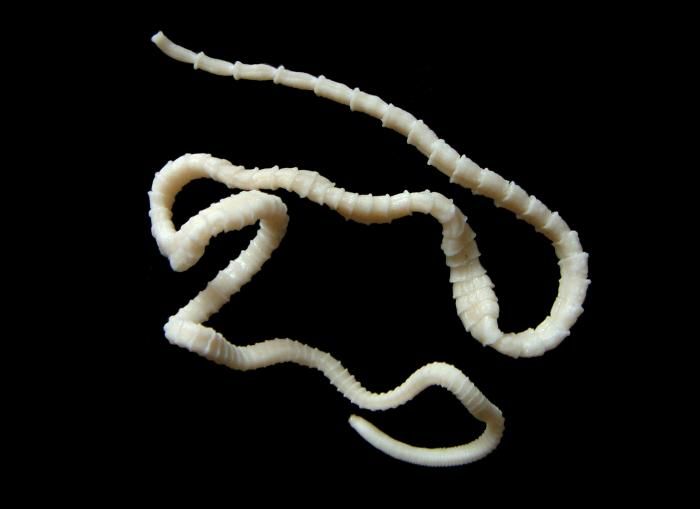
A tapeworm and a cat have this type of relationship.
a)
mutualism
b)
parasitism
c)
commensalism
d)
competition
32.

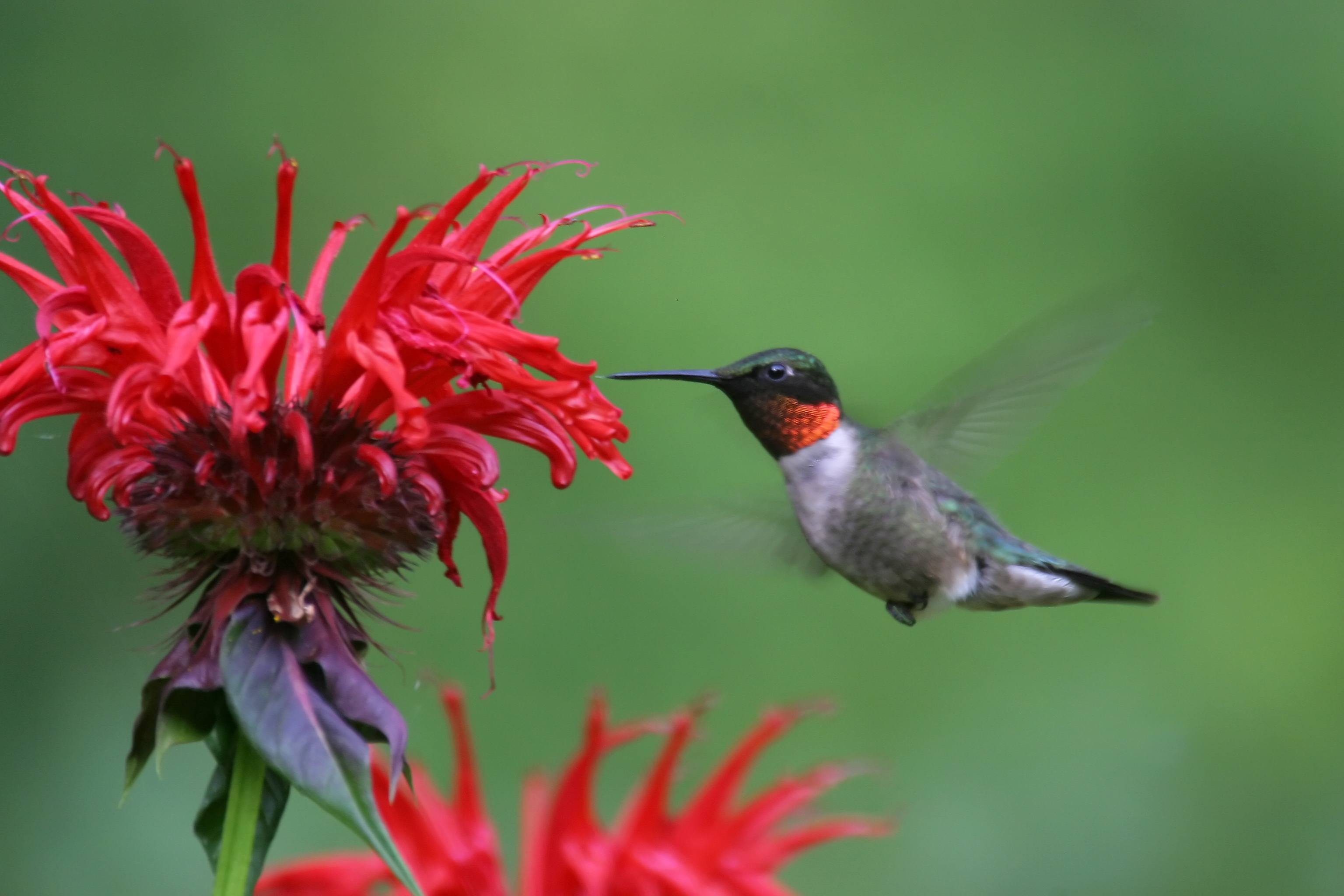
Hummingbirds feed on nectar from flowers. The flowers are pollinated by hummingbirds as they move from flower to flower.

a)

commensalism

b)

mutualism

c)

parasitism

d)

predation

33.
What is energy?
a)
The ability to cause a change
b)
A force
c)
Electricity
d)
The ability to transform work
34.

When plants convert the sun's energy into carbohydrates (sugars), which type of energy is it?

a)

kinetic

b)

chemical

c)

thermal

d)

radiant

35.

The type of energy that comes from the sun is:

a)

electrical

b)

radiant

c)

chemical

d)

kinetic

36.
What kind of energy is represented in the picture?
a)
Thermal
b)
Chemical
c)
Sound
d)
Nuclear
37.

Living organisms get their energy from carbohydrates (sugar). How do they get this energy?

a)

From chewing food.

b)

From breaking bonds in the sugar molecule.

c)

From the movement of electrons.

d)

From running a long distance.

38.

The energy in molecules (chemical energy) is stored:

a)

in the bonds between atoms

b)

in the moving electrons in an atom

c)

in the nucleus of an atom

d)

in the batteries of an atom

39.
The ultimate source of energy is:
a)
The sky
b)
The sun
c)
Plants
d)
Movement
40.
Energy takes up space
a)
True
b)
False
41.
What is the definition of abiotic factors?
a)
organisms that are alive
b)
things that are not alive
c)
pandas
d)
insects
42.
What is a example of an abiotic factor?
a)
panda
b)
turtle
c)
bermuda grass
d)
atmosphere
43.
What is an example of a biotic factor?
a)
skunk
b)
rocks
c)
soil
d)
water
44.
Which of the fallowing has only abiotic factors?
a)
Sunlight, algae, and temperature
b)
Guppy, crab, oxygen
c)
Sunlight, soil, and weather
d)
Algae, temperature, and dog
45.
A collection of organisms that make up a community as well as all of the nonliving aspects of the environment.
a)
Population
b)
Community
c)
Biome
d)
Ecosystem
46.
Which of the following is a population?
a)
hawks, barred owls, and eagles on NC coast
b)
mountain stream
c)
all the frogs in a pond
d)
blue-tailed skinks (lizards) around a barn
47.
Which of the following best describes a community?
a)
sharks, groupers, anemones and shrimp on a coral reef
b)
decorator crabs on the seafloor
c)
loggerhead sea turtles in Atlantic
d)
prairie grassland in Wyoming
48.
Tree branches are an example of a(n):
a)
niche
b)
habitat
c)
biome
d)
mutualism
49.
The biosphere:
a)
Is the portion of earth in which living organisms exist
b)
Includes none of the hydrosphere
c)
Includes all of the lithosphere
d)
Includes some of the mantle
50.
Which is a niche?
a)
a bird building a nest in the tree
b)
a fish using an anemone as a home
c)
a worm eating decaying food 
d)
a hermit crab using a shell for its home