
 Worksheets
EES Final Review
Total questions: 90
Worksheet time: 1hrs 12mins
Name
Class
Date
1.
Which biome is characterized by low temperatures and low amounts of rainfall?
a)
tundra
b)
desert
c)
temperate deciduous forest
d)
tropical rain forest
2.
Which biome covers most of the land mass near the Earth's equator?
a)
tundra
b)
desert
c)
grassland
d)
tropical rainforest
3.
Which biome, because of its climate, has the largest number of species of plants and animals?
a)
tundra
b)
desert
c)
tropical rainforest
d)
pine forest
4.
One characteristic feature of tundra is that only the surface thaws in the summer and refreezes in the winter, leaving a layer of permanently frozen subsoil. This characteristic is known as
a)
glaciation
b)
permafrost
c)
crystallization
d)
soilfrost
5.
Which type of trees is found in a temperate forest?
a)
deciduous
b)
evergreen
c)
ginko
d)
palm
6.
Which biome receives between 0 to 25 centimeters of rain per year, has a temperature range of 0 to 50 degrees Celsius, has poor soil, and is home to lizards, scorpions, and snakes?
a)
desert
b)
mountain
c)
taiga
d)
tundra
7.
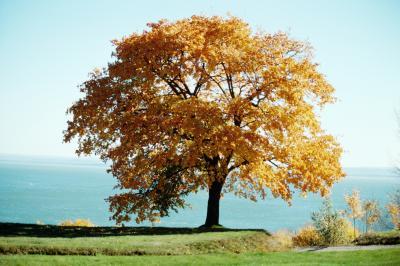
The biome known for trees with broad leaves that fall off the trees in the winter.
a)
Coniferous Forests
b)
Deciduous Forests
c)
Deserts
d)
Tropical Rain Forests
8.
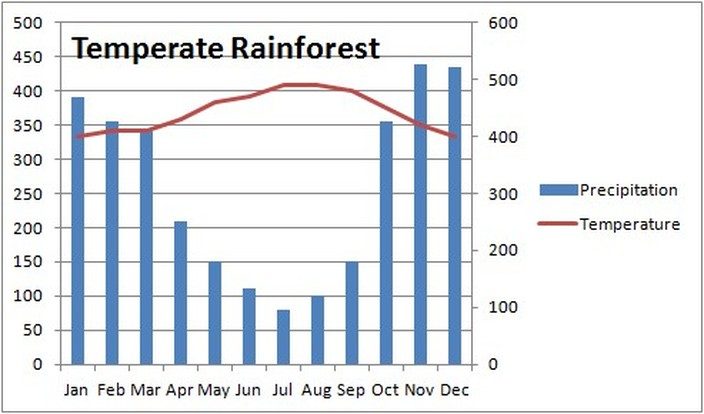
The most important abiotic factors when studying biomes are...
a)
Food and Water
b)
Water and Sunlight
c)
Temperature and Oxygen
d)
Water and Temperature
9.
A ________ is a forest biome consisting mostly of cone-bearing evergreen trees
a)
desert
b)
temperate deciduous forest
c)
taiga
d)
tundra
10.
Areas defined by their geographical location and ecological similarity are called?
a)
ecozones
b)
biotopes
c)
biomes
d)
biodomes
11.

Which biome is home to jaguars, anacondas, leopards, gorillas, and poisonous tree frogs?
a)
Grasslands
b)
Temperate Forest
c)
Rainforest
d)
Tundra
12.
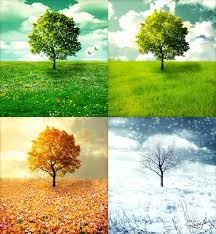
Which biome has 4 seasons?
a)
Taiga
b)
Tundra
c)
Grasslands
d)
Temperate Forest
13.
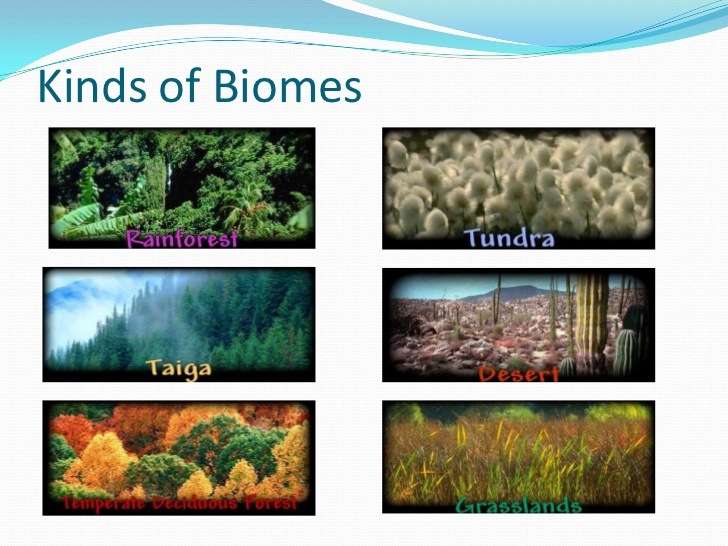
What is the main factor that separates the biomes?
a)
Land
b)
Water
c)
Climate
d)
Longitude
14.
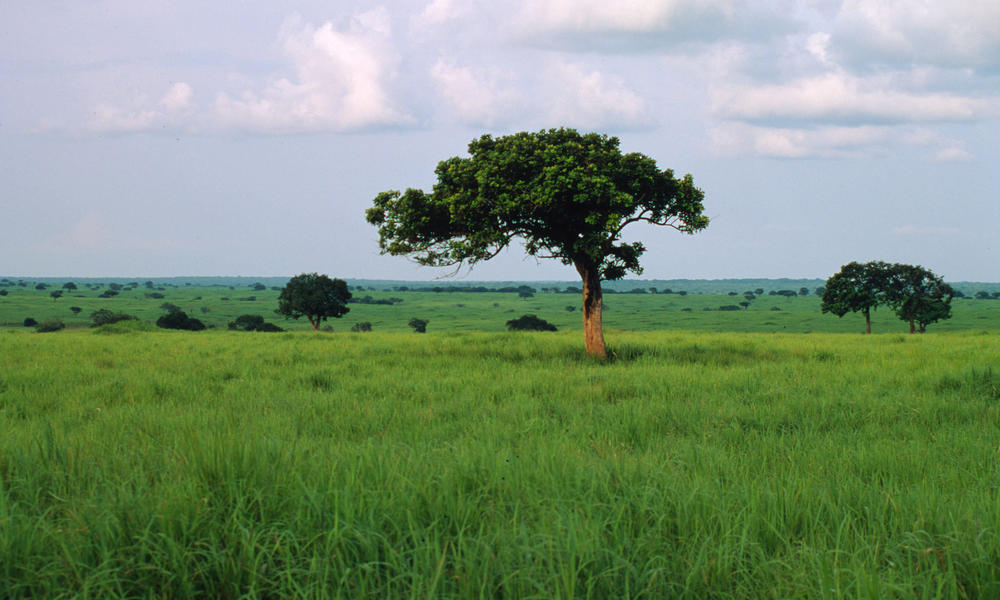
a)
Desert
b)
Grassland
c)
Rainforest
d)
Coniferous forest
15.
Which biome is hot, wet and humid all the time?
a)
Tropical Rainforest
b)
Savannah Grassland
c)
Marine
d)
Freshwater
16.
Which biome has penguins, polar bears, and artic foxes?
a)
Artic Tundra
b)
Taiga Coniferous
c)
Desert
d)
Marine
17.
Which biome is home to the largest land animals?
a)
Tropical Rainforest
b)
Taiga
c)
Savanna
d)
Desert
18.
This biome gets 25-75 cm of water a year, which is not enough to support many trees.
a)
Deserts
b)
Deciduous Forests
c)
Savannas
d)
Grasslands
19.
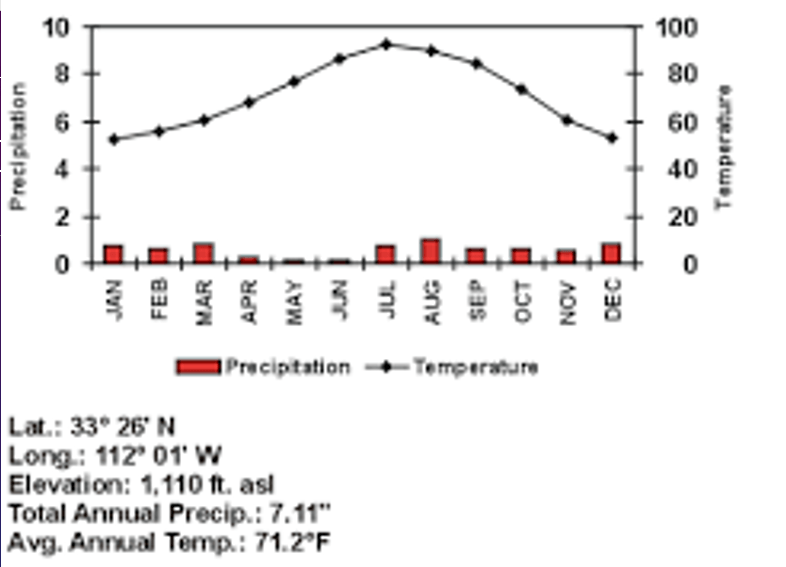
Which biome is represented by the climatograph?
a)
Grassland
b)
Tundra
c)
Desert
20.

Which biome is represented by the climatograph?
a)
Desert
b)
Tundra
c)
Temperate Forest
d)
Taiga
21.
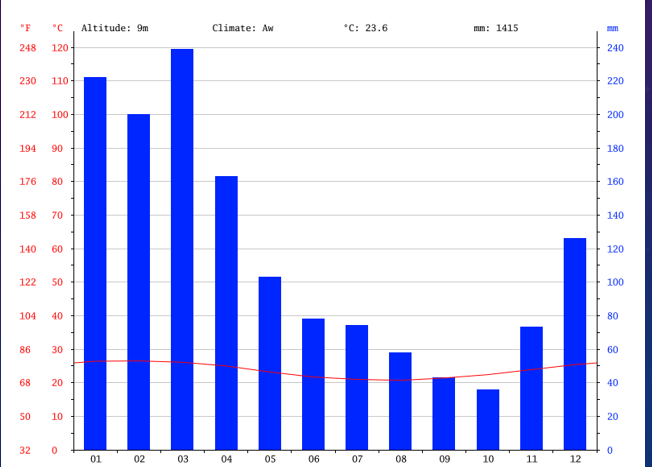
Which biome is represented by the climatograph?
a)
Rainforest
b)
Taiga
c)
Savanna
22.
Which gas in our atmosphere is most abundant?
a)
Argon
b)
Oxygen
c)
Nitrogen
d)
Carbon Dioxide
23.
The air in the troposphere has a greater density than the air in any other layer of the atmosphere,
a)
True
b)
False
24.
Temperature in the stratosphere warms as altitude increases.
a)
True
b)
False
25.
What percentage of our atmosphere is made up of other gases such as argon, water vapor, and carbon dioxide?
a)
1%
b)
21%
c)
78%
d)
90%
26.
What is the percentage of oxygen in Earth's atmosphere?
a)
1%
b)
21%
c)
78%
d)
90%
27.
What is the percentage of nitrogen in Earth's atmosphere?
a)
1%
b)
21%
c)
78%
d)
90%
28.
In which layer of the atmosphere does weather occur?
a)
Mesosphere
b)
Thermosphere
c)
Stratosphere
d)
Troposphere
29.
What causes the temperature to increase in the stratosphere?
a)
Nitrogen
b)
Ozone
c)
Water Vapor
d)
carbon dioxide
30.
What decreases as you go up in the atmosphere?
a)
Altitude
b)
Atmosphere
c)
Meteors
d)
Air Pressure
31.
What is the lowest main layer of Earth's atmosphere?
a)
Thermosphere
b)
Troposphere
c)
Stratosphere
d)
Mesosphere
32.
What is the outer most main layer of Earth's atmosphere?
a)
Thermosphere
b)
Troposphere
c)
Stratosphere
d)
Mesosphere
33.
What is the second lowest main layer of Earth's atmosphere?
a)
Thermosphere
b)
Troposphere
c)
Stratosphere
d)
Mesosphere
34.

Where is the air pressure the greatest?
a)
1
b)
2
c)
3
d)
4
35.

Where is the altitude the greatest?
a)
1
b)
2
c)
3
d)
4
36.
The layers of the atmosphere are classified according to changes in _________.
a)
altitude
b)
density
c)
composition
d)
temperature
37.
What are the 2 most abundant gases in Earth's atmosphere?
a)
carbon dioxide and oxygen
b)
carbon dioxide and nitrogen
c)
nitrogen and oxygen
d)
nitrogen and hydrogen
38.
This layer is where weather occurs.
a)
troposphere
b)
thermosphere
c)
exosphere
d)
stratosphere
39.
James plans to climb to the top of Mount Everest. Which of the following statements about his climb will be the most accurate?
a)
Air pressure will rise and the temperature on a thermometer will increase.
b)
Air pressure will fall and the temperature on a thermometer will decrease.
c)
Air pressure will rise and the temperature on a thermometer will decrease.
d)
Air pressure and thermometer will not change.
40.
Which of the following is the correct order of the atmosphere layers from Earth to space?
a)
troposphere, stratosphere, mesosphere, thermosphere, exosphere
b)
troposphere, mesosphere, thermosphere, exosphere, stratosphere
c)
thermosphere, stratosphere, mesosphere, troposphere, exosphere
d)
troposphere, stratosphere, mesosphere, exosphere, thermosphere
41.
Dust, ash and pollen are examples of this air pollutant
a)
Lead
b)
Ground-level ozone
c)
Particulate matter
d)
Nitrogen oxides
42.
Which of the follow is an example of a primary pollutant?
a)
car exhaust
b)
smog
c)
ozone
d)
carbon dioxide
43.
When the air above is warmer than the air below, it is called a
a)
Temperature shift
b)
Temperature change
c)
Temperature inversion
d)
Temperature reversal
44.
What is a primary pollutant?
a)
pollutant that is put directly into air by human activities
b)
pollutants that react with other primary pollutants
45.
The Clean Air Act- regulates vehicle emissions.
a)
true
b)
false
46.

What is the major cause for air pollution?
a)
factories and cars
b)
cigarretes
c)
deforestation
d)
oil spills
47.
An air pollution prevention mechanism found in vehicles.
a)
combustion chamber
b)
electrostatic precipitator
c)
scrubber
d)
catalytic converter
48.
___________is the result of the weight of a column of air pushing on an area.
a)
air pressure
b)
density
c)
volume
d)
none of the above
49.
A _____________ is the scientific instrument used to measure air pressure.
a)
barometer
b)
thermometer
c)
mercury
d)
watch
50.
Air pressure is greatest when near Earth's surface because?
a)
The air molecules are farther apart.
b)
The air molecules are closer together.
c)
Air molecules collide.
d)
Air molecules are tightly packed.
51.

Which layer of the atmosphere is closest to the surface of the Earth and it is where all weather occurs?
a)
Thermosphere
b)
Mesosphere
c)
Stratosphere
d)
Troposphere
52.

What are the three basic types of clouds?
a)
Cumulus, Stratus, Cirrus
b)
Stratus, Cottontails, Mammatus
c)
Lenticular, Cumulus, Nimbus
d)
Lenticular, Cumulus, Nimbus
53.

What are the elements that create water?
a)
Hydrogen, Osmium, Oxygen (1 of each)
b)
Helium, Hydrogen, Oxygen (1 of each)
c)
Holmium, Hassium, Osmium (1 of each)
d)
2 Hydrogen and 1 Oxygen
54.

Out of the three basic parts of the water cycle. What is the most important?
a)
Precipitation
b)
Evaporation
c)
Condensation
d)
All of the above
55.

What part of the water cycle includes clouds and there formation?
a)
Evaporation
b)
Transpiration
c)
Surface Runoff
d)
Condensation
56.

Which of these is the part of the water cycle where water is released from clouds in the form of rain, freezing rain, sleet, snow, or hail?
a)
Precipitation
b)
Transpiration
c)
Condensation
d)
Evaporation
57.

Which of these is the part of the water cycle where water vapor cools on dust particles and forms water droplets. It is key in the formation of clouds?
a)
Condensation
b)
Transpiration
c)
Evaporation
d)
Precipitation
58.

Which of these is the part of the water cycle where moisture is carried through plants from roots to small pores on the underside of leaves, where it changes to vapor and is released to the atmosphere?
a)
Evaporation
b)
Condensation
c)
Surface Runoff
d)
Transpiration
59.

Which of these is the part of the water cycle where water is converted to water vapor, by heat from the sun, and it rises into the atmosphere?
a)
Surface Runoff
b)
Evaporation
c)
Condensation
d)
Precipitation
60.

Which of these is part of the water cycle where water, from rain, snowmelt, or other sources, that flows over the land surface downhill towards rivers?
a)
Surface Runoff
b)
Transpiration
c)
Condensation
d)
Evaporation
61.

Which of these are clouds made up of?
a)
Air
b)
Nitrogen and Oxygen
c)
Argon and Carbon Dioxide
d)
Collections of tiny water and/or ice particles in the air and dust particles
62.

The continuous process by which water is circulated throughout the Earth and its atmosphere.
a)
The Water Cycle
b)
Dihydrogen Cycle
c)
CETROP Cycle
d)
Renewable Water Resource
63.
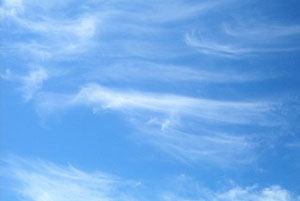
This type of cloud is thin, wispy, and made of ice crystals
a)
cumulus cloud
b)
stratus cloud
c)
cirrus cloud
d)
cumulonimbus cloud
64.
The temperature at which water vapor condenses is the
a)
relative humidity
b)
humidity
c)
freezing point
d)
dew point
65.
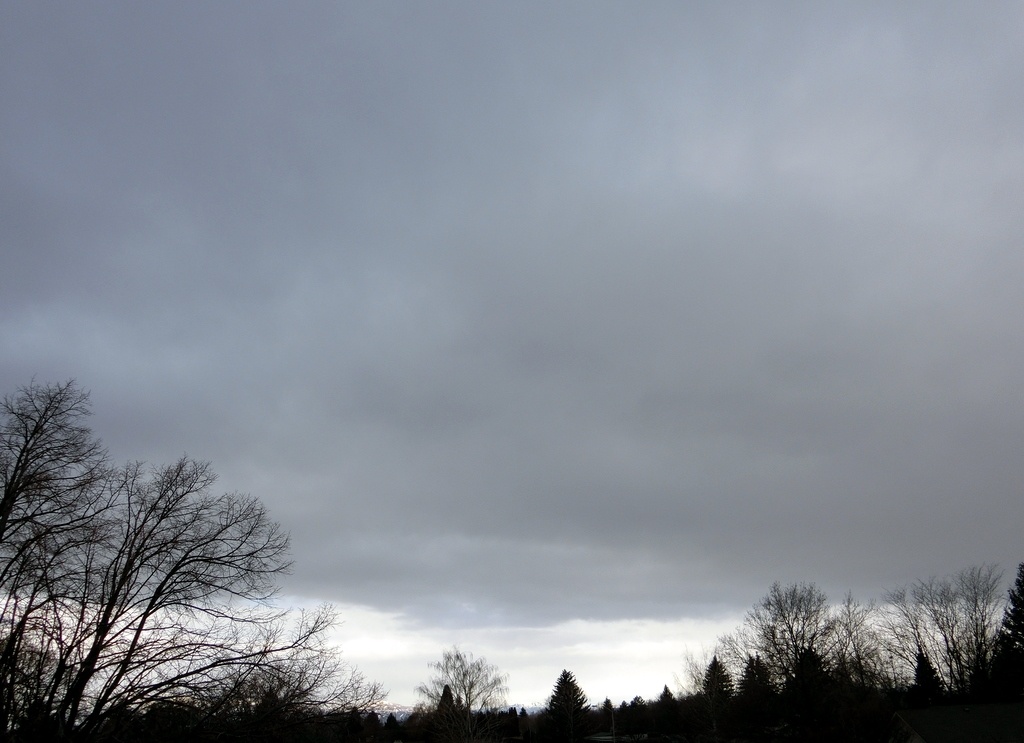
This type of cloud is thin and flat, and the edges are not clearly defined
a)
cirrus cloud
b)
cumulus cloud
c)
stratus cloud
d)
cumulonimbus cloud
66.
Nimbostratus and cumulonimbus clouds can signal what type of upcoming weather?
a)
fair skies
b)
hot, sunny weather
c)
windy weather
d)
rainy weather
67.
Which weather instrument is useful in measuring relative humidity?
a)
barometer
b)
anemometer
c)
psychrometer
d)
wind vane
68.
The amount of water vapor in the atmosphere compared to how much it could hold.
a)
Saturation
b)
Vaporicity
c)
Absolute Humidity
d)
Relative Humidity
69.
_____________ is the temperature to which air must be cooled to reach saturation.
a)
Humid point
b)
Temperature index
c)
Relative Humidity
d)
Dew Point
70.
Warm saturated air contains _______ water vapor than cold saturated air.
a)
more
b)
less
71.

If the air is "saturated", that means:
a)
the air is full of water
b)
the air is partially full of water
c)
it's amount of water vapor in the atmosphere right now
d)
how much liquid water it potentially can hold
72.

A dry-bulb temperature of 30°C and a wet-bulb temperature of 29°C were recorded at a weather station. What are the relative humidity and the most likely weather conditions?
a)
Relative humidity is 29% with clear skies
b)
Relative humidity is 29% with a good chance of snow
c)
Relative humidity is 93% with clear skies.
d)
Relative humidity is 93% with a good chance of rain.
73.
Air pressure is greatest:
a)
closer to Earth
b)
farther from Earth
74.
A severe storm which involves a funnel cloud forming over land is:
a)
hurricane
b)
tornado
c)
thunderstorm
d)
blizzard
75.
This severe weather involves lightning, rain, and possibly hail
a)
thunderstorm
b)
tornado
c)
hurricane
d)
blizzard
76.
The boundary between two air masses is known as:
a)
front
b)
storm
c)
climate
d)
flood
77.
When air contains as much moisture as possible at a specific temperature, it is:
a)
at its dew point
b)
saturated
c)
at its dew point AND saturated
d)
none of the rest
78.
The temperature at which air is saturated and condensation forms is the:
a)
dew point
b)
rain point
c)
wind point
d)
relative humidity
79.
Cold air traveling south from Canada is:
a)
continental tropical
b)
continental polar
c)
maritime tropical
d)
maritime polar
80.
Warm air moving upwards from the Gulf of Mexico is:
a)
continental tropical
b)
continental polar
c)
maritime tropical
d)
maritime polar
81.
In _________ pressure systems, air sinks:
a)
high
b)
low
c)
medium
d)
none
82.
This type of front can bring strong storms
a)
cold
b)
warm
c)
stationary
d)
occluded
83.
Which weather tool measures the amount of kinetic energy in molecules?
a)
thermometer
b)
barometer
c)
psychrometer
d)
anememeter
84.
Which weather tool measures air pressure?
a)
thermometer
b)
barometer
c)
anemometer
d)
psychrometer
85.
This is the scale by which tornadoes are measured
a)
Fujita
b)
Ferrari
c)
Fermi
d)
Falling
86.
What are the two main factors that determine the climate of an area?
a)
precipitation and humidity
b)
temperature and air pressure
c)
wind conditions and humidity
d)
temperature and precipitation
87.
What is the condition of the Earth's atmosphere at a certain time and place?
a)
climate
b)
temperature
c)
weather
d)
air pressure
88.
What is the measure of distance in degrees north and south from the equator?
a)
latitude
b)
longitude
c)
elevation
d)
topography
89.
Which of the following have been linked to climate change?
a)
droughts
b)
flooding
c)
melting of polar ice caps
d)
all of the above
90.
What are greenhouse gases?
a)
gases that cause climate change
b)
gases that emit green smoke
c)
gases that are used to make green colored glass
100 %

