
 Worksheets
6th Grade Science Review
Total questions: 80
Worksheet time: 1hrs 2mins
Name
Class
Date
1.
all matter is made of what
a)
energy
b)
atoms
c)
electrons
d)
compounds
2.
The positive particles of an atom are
a)
electrons
b)
positrons
c)
neutrons
d)
protons
3.
Particles in an atom that are neutral and have no charge are
a)
negatrons
b)
electrons
c)
neutrons
d)
protons
4.
What is the atomic number for an element with three protons?
a)
2
b)
1
c)
3
d)
6
5.
Element is a
a)
pure substance
b)
compound
c)
mixture
d)
molecule
6.
Water boiling is a _______ change.
a)
Physical Change
b)
Chemical Change
7.
Fireworks Exploding are a ________ change.
a)
Physical Change
b)
Chemical Change
8.
A substance that has mass and takes up space.
a)
Energy
b)
Matter
c)
Protery
d)
Endothermic
9.
Which is a chemical property
a)
Reactivity
b)
Solid
c)
Color
d)
Shape
10.
Sugar is dissolved into Kool Aid. What type of change is this?
a)
Chemical
b)
Physical
c)
Multi
d)
Asystematic
11.
Energy causes ___________ to occur.
a)
change
b)
motion
c)
age
12.

What type of energy is in this picture?
a)
Kinetic
b)
Potential
c)
Electromagnetic
13.
When plants convert the sun's energy into food, which type of energy does the sun energy become?
a)
kinetic
b)
chemical
c)
thermal
14.
The highest point on a wave is:
a)
the crest
b)
the trough
c)
the top
d)
the coast
15.
The lowest point on a wave is the:
a)
Amplitude
b)
Crest
c)
Trough
d)
Wavelength
16.
The number of wavelengths that pass a point each per second is:
a)
frequency
b)
period
c)
longitudinal
d)
transverse wave
17.
The type of waves that require medium to pass:
a)
Mechanical Waves
b)
Electromagnetic Waves
18.
A mechanical wave cannot travel through...
a)
a vacuum(empty space).
b)
water.
c)
air.
d)
glass.
19.
Heat is the movement of ______.
a)
radiation
b)
thermal energy
c)
cold
d)
fire
20.
Thermal energy ALWAYS moves from _____ to _____.
a)
solid to liquid
b)
ice to water
c)
hot to cold
d)
solid to gas
21.
The way heat moves in liquids and gases is called _______.
a)
convection
b)
radiation
c)
conduction
d)
temperature
22.
The way heat moves in liquids and gases is called _______.
a)
convection
b)
radiation
c)
conduction
d)
temperature
23.
Plastic foam, wood, and rubber are good examples of ______.
a)
conductors
b)
insulators
c)
solar energy
d)
convection
24.

The heat from a hot burner to a pot is transferred by ______.
a)
convection
b)
insulation
c)
radiation
d)
conduction
25.
When holding a cup of ice water, your warm hand becomes cold. How does the heat transfer?
a)
From the cold cup to your hand
b)
From the cold cup to the warm air
c)
From the ice to your hand
d)
From your warm hand to the cold cup.
26.
The lowest part of the wave is?
a)
crest
b)
trough
c)
rarefaction
d)
wavelength
27.
The highest point on a wave
a)
trough
b)
amplitude
c)
crest
d)
wavelength
28.
Material that allows light to pass through allowing you to see "clearly" to the other side
a)
opaque
b)
translucent
c)
transparent
29.
Which of these is an example of visible light?
a)
X-rays
b)
rainbow
c)
microwaves
d)
radio waves
30.
What do you get if you combine all of the colors in visible light?
a)
bright light
b)
white light
c)
brilliant light
d)
neon light
31.
Sound travels FASTEST through which of these materials?
a)
Air
b)
Empty space
c)
Metal
d)
Water
32.
Sound is caused by?
a)
force
b)
vibrations
c)
instruments
33.

What is frequency?
a)
the number of vibrations per second
b)
how high or low a sound is
c)
the loudness or softness of a sound
d)
the back and forth movement of matter
34.
A longer string makes a _______ pitch than a short string.
a)
louder
b)
softer
c)
higher
d)
lower
35.
What anchor plants to the ground and absorb water and nutrients?
a)
Roots
b)
Stem
c)
Xylem
d)
Leaves
36.
What is the part of the flower that is brightly colored to attract pollinators?
a)
Petals
b)
Stamen
c)
Pistil
d)
Sepals
37.
What is the male part of the flower?
a)
Petals
b)
Stamen
c)
Pistil
d)
Sepals
38.
What is the female part of the flower?
a)
Petals
b)
Stamen
c)
Pistil
d)
Sepals
39.
Producers get their energy from the ______.
a)
water
b)
Sun
c)
eating animals
d)
eating plants
40.
Which organism is a decomposer?
a)
grass
b)
mouse
c)
mushroom
d)
caterpillar
41.
Which organisms are the consumers?
a)
deer and squirrel
b)
flowers and deer
c)
deer and mushrooms
d)
squirrel and mushrooms
42.
Which food chain is in the correct order?
a)
cat, grass, bird, snail
b)
bird, snail, grass, cat
c)
grass, snail, bird, cat
d)
grass, cat, bird, snail
43.
Organisms that eat only plants are ______.
a)
carnivores
b)
herbivores
c)
omnivores
d)
food chains
44.
Organisms that only eat meat are ______.
a)
omnivores
b)
carnivores
c)
herbivores
d)
food chains
45.
Organisms that eat both meat and plants are _______.
a)
herbivores
b)
omnivores
c)
carnivores
d)
food chains
46.
Which biome is characterized by low temperatures and low amounts of rainfall?
a)
tundra
b)
desert
c)
temperate deciduous forest
d)
tropical rain forest
47.
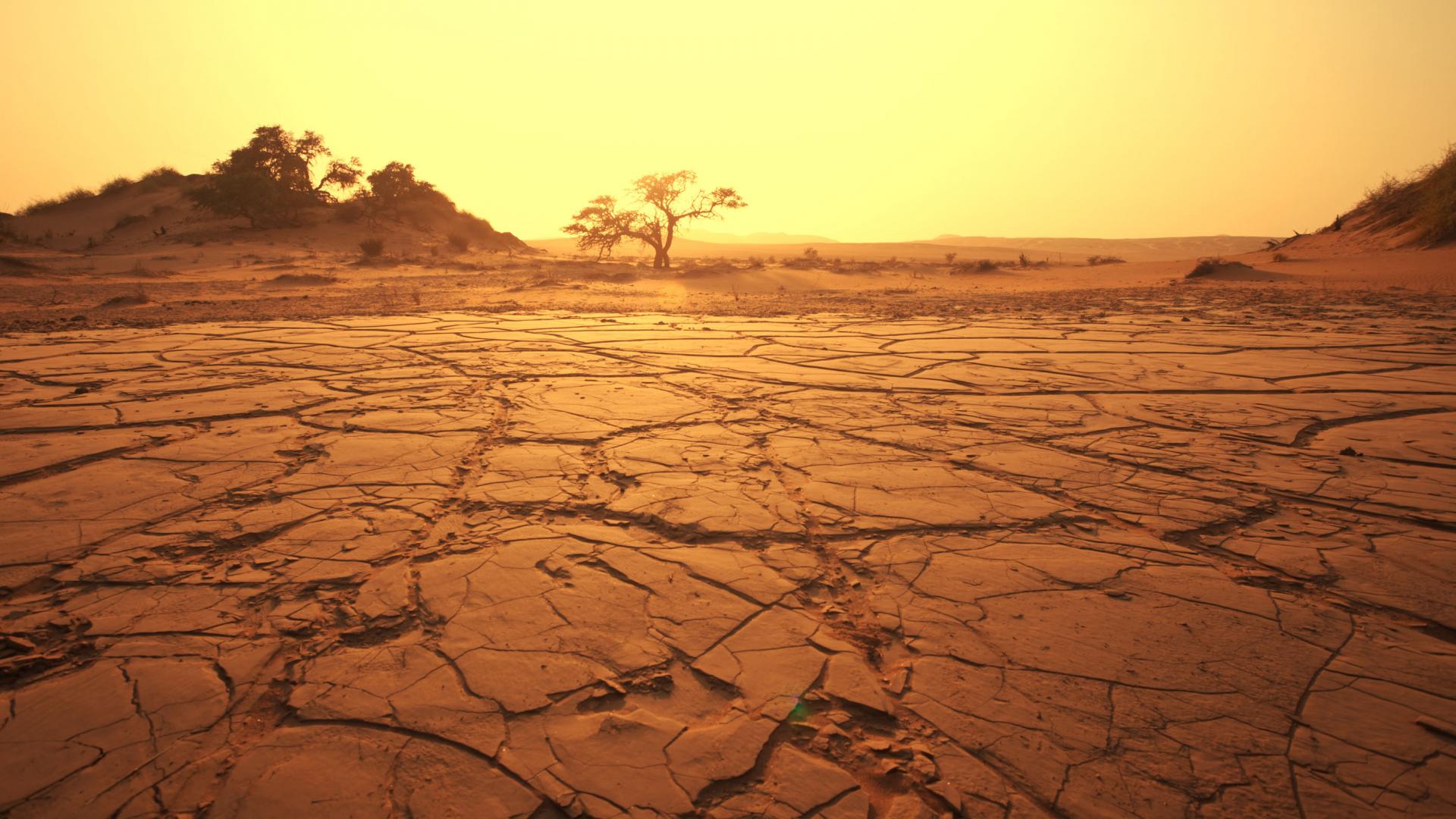
Which biome is the driest?
a)
Desert
b)
Tundra
c)
Taiga
d)
Rainforest
48.
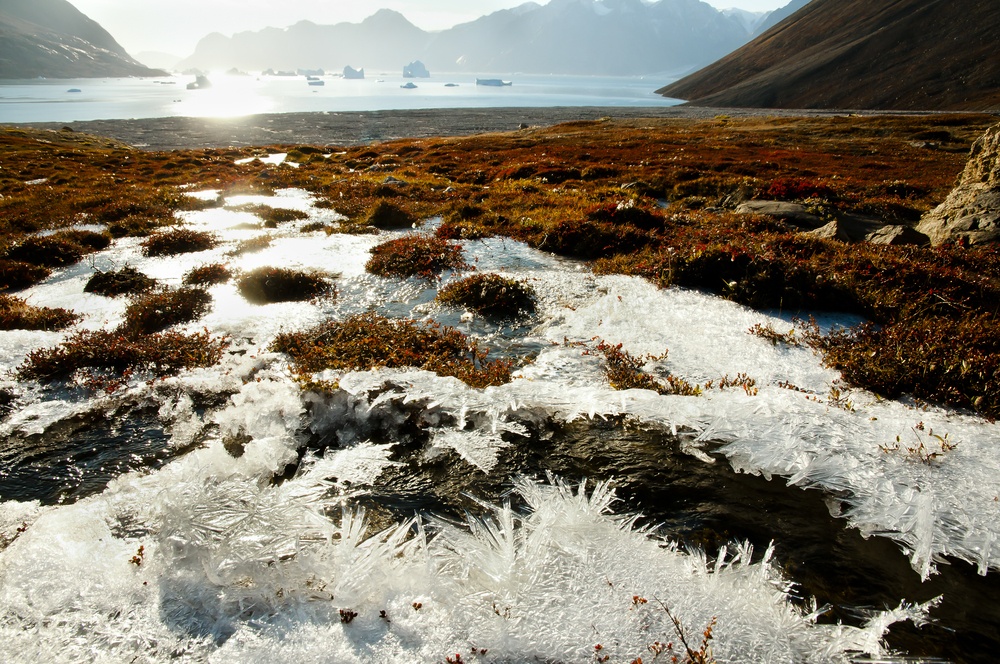
Which Biome has permafrost?
a)
Temperate Forest
b)
Rainforest
c)
Taiga
d)
Tundra
49.
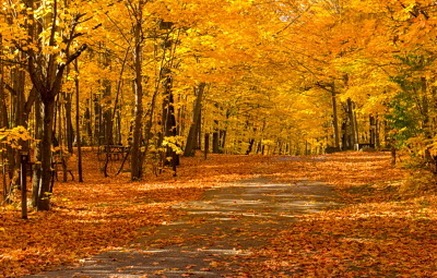
Which biome has deciduous trees (which lose their leaves)?
a)
Temperate Forest
b)
Rainforest
c)
Grasslands
d)
Taiga
50.
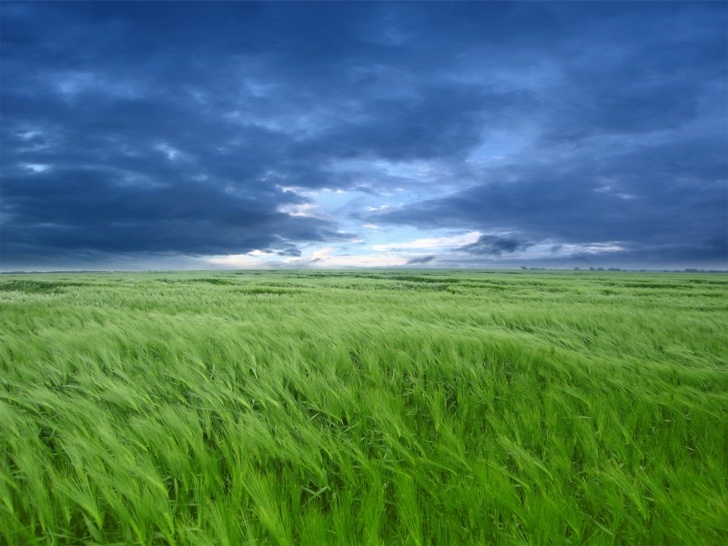
Which biome has wide-open fields of grass?
a)
Taiga
b)
Grasslands
c)
Temperate Forest
d)
Rainforest
51.
The outermost solid layer of the Earth is called the
a)
mantle
b)
outer core
c)
inner core
d)
crust
52.
This layer of the Earth is found between the core and the crust.
a)
mantle
b)
outer core
c)
inner core
d)
crust
53.
The layer that lies beneath the mantle and surrounds the inner core.
a)
mantle
b)
outer core
c)
inner core
d)
crust
54.
The solid, dense center of our planet that extends from the bottom of the outer core to the center of the Earth..
a)
mantle
b)
outer core
c)
inner core
d)
crust
55.
The type of plate boundary where two plates come together is a .....
a)
Convergent Boundary
b)
Divergent Boundary
c)
Transform Boundary
d)
Plate Boundary
56.
Which of the following causes Earth's tectonic plates to move?
a)
Energy from the Sun
b)
Magnetic Pole Reversal
c)
Convection currents in the mantle
d)
Faults in Mountain Ranges
57.
A divergent boundary occurs when plates ....
a)
Pull apart
b)
Come together
c)
Slide past each other
d)
subducting
58.
Which of the following is the name of the ancient supercontinent formed 28 Million Years ago.
a)
Pangea
b)
Gondwanda
c)
Laurasia
d)
Neverland
59.
Mountains are created when....
a)
Two continental plates collide
b)
Two oceanic plates pull apart
c)
An Oceanic plate subducts under a Continental Plate
d)
Two continental plates pull apart
60.
What is the shaking of the Earth’s crust caused by a release of energy?
a)
Earthquake
b)
Epicenter
c)
Fault
d)
Plate
61.
Where is the point at which the first movement occurs during an earthquake?
a)
Epicenter
b)
Focus
c)
Fault
d)
Plate
62.
Where is the point on the Earth’s surface directly above the focus of an earthquake?
a)
Epicenter
b)
Fault
c)
Hypocenter
d)
Tremor
63.
Which type of wave is the first to arrive after an earthquake occurs?
a)
P Wave
b)
Rayleigh Wave
c)
S Wave
d)
Shear Wave
64.
What is the measure of the amount of energy released in an earthquake?
a)
Earthquake
b)
Epicenter
c)
Magnitude
d)
Seismogram
65.
What is a large ocean wave that results from an underwater earthquake, landslide, or volcanic eruption?
a)
Aftershock
b)
Liquefaction
c)
Seismic Gap
d)
Tsunami
66.
What is molten rock that has formed deep within the Earth?
a)
Hot Spot
b)
Magma
c)
Lava
d)
Volcano
67.
Why does magma tend to rise to the surface?
a)
It has large amounts of silica.
b)
It contains very little silica.
c)
It is denser than the surrounding material.
d)
It is less dense than the surrounding material.
68.
What has to increase for metamorphism to occur?
a)
weathering and erosion
b)
temperature and pressure
c)
melting and cooling
d)
compaction ad cementation
69.
What is process in which water, wind, and heat break down rock?
a)
weathering
b)
exfoliation
c)
cementation
d)
composition
70.
What are the main categories of sedimentary rock?
a)
extrusive and intrusive
b)
clastic, chemical, & organic
c)
felsic and mafic
d)
foliated and non-foliated
71.
During the rock cycle, what forms when the magma cools?
a)
igneous rocks
b)
sedimentary rock
c)
metamorphic rock
d)
foliated rock
72.
What kind of metamorphic rock has its minerals grains arranged in planes or bands?
a)
extrustive
b)
foliated
c)
non-foliated
d)
intrusive
73.
The spinning of the Earth on its axis that causes night and day.
a)
Rotate
b)
Revolve
74.
The sun and everything that revolves around it.
a)
solar system
b)
galaxy
c)
universe
d)
rotation
75.
The imaginary line running through the center of Earth.
a)
axis
b)
moon
c)
constellation
d)
orbit
76.
What causes Earth's seasons?
a)
the tilt of Earth's axis
b)
Earth's rotation
c)
the revolution of the Moon
d)
Earth's distance from the Sun
77.
Gravity on the moon is _____ than that on the Earth.
a)
the same
b)
greater
c)
less
d)
non existent
78.
Is Mars warmer or colder than Earth?
a)
Warmer
b)
Colder
c)
Both
d)
Same temperature
79.
Which property is NOT a factor in Earth sustaining life.
a)
time of rotation
b)
liquid water
c)
distance from the sun
d)
surface structure
80.
What is the ISS?
a)
International Student Services
b)
Inside Sun Secrets
c)
International Space Station
d)
Iraq Space Services
100 %

