
 Worksheets
Human Body Systems - 7th
Total questions: 85
Worksheet time: 1hrs 10mins
What is the function of the digestive system?
It transports blood and oxygen to your cells
It breaks down food so the nutrients can be absorbed by your body
It helps you breathe by taking in oxygen and transporting carbon dioxide out of your body
It helps you move
What is the function of the muscular system?
The function is movement of the body through muscles
The function is to get rid of waste
The function is to process food for nutrients and energy
The function is to protect you against disease
What is the function of the cardiovascular / circulatory system?
To provide nutrients to the whole body
To maintain homeostasis for the body
To fight off infection or disease
To transport nutrients, oxygen, and blood throughout the body
A student visits the doctor for a yearly checkup. Her doctor notes that her blood pressure is high and her ankles and feet are swollen due fluid build-up in her body. Based on the
evidence, which TWO organ systems may NOT be functioning properly.
the digestive system, due to the swelling of her ankles, and the circulatory system, due to her high blood pressure.
the excretory system, due to her body’s inability to remove liquid waste, and the circulatory system, which is not properly pumping blood or carrying materials throughout her body.
the respiratory system, due to her high blood pressure, and the muscular system, which has affected her bladder’s ability to remove liquid waste from her body through urination.
What is the function of the immune system?
To digest food
To fight against pathogens and diseases
To help you breathe
To remove waste from the body
What is the function of the nervous system?
Controls all parts of the body; sends signals between the brain, spinal cord, and nerve endings
What happens when you get nervous to do something
To fight off diseases
To carry oxygen, nutrients, and blood throughout the body
What is the function of the respiratory system?
To digest your food
To remove waste from the body
To take in oxygen and remove carbon dioxide
To fight disease
What is the function of the excretory/urinary system?
Removes liquid waste from your body
digests food
helps you breathe
circulates your blood
True or False: Your respiratory system uses your nose and mouth only to remove oxygen and take in carbon dioxide
True
False
You’re sick, but no one is home. You need soup and Gatorade. You get enough strength to leave your bed and go make soup. What body systems are working together to help you move and fight disease?
excretory and digestive
muscular and immune
skeletal and immune
immune and digestive
The steel beams that hold up a tall building are most analogous (similar) to which body system?
skeletal
muscular
digestive
immune
What is the function of the skeletal system?
Movement of the body
transports oxygen, blood, nutrients throughout the body
removes waste
supports the body by holding it up; muscles are attached to help with movement
How do the body systems work together when you accidentally touch a hot pan?
The cardiovascular/circulatory system sends signals to your hand to move it, and your nervous system moves your hand
The nervous system (brain, spinal cord, and nerves) send a signal to your hand to move it, and your muscular system causes your hand to move
The digestive system moves your hand, and the cardiovascular/circulatory system sends signals to your hand
The nervous system causes your hand to move, and the muscular system breaks down nutrients for your muscles to move
When I RUN up the stairs, what four systems am I using?
Cardiovascular, Skeletal, Muscular, and Respiratory
Excretory/Urinary, Skeletal, Digestive, and Muscular
Muscular, Skeletal, Respiratory and Digestive





Which two body systems are working together to make this type of physical movement from the basketball player?
Circulatory and Excretory
Skeletal and Muscular
Nervous and Digestive
Respiratory and Skeletal

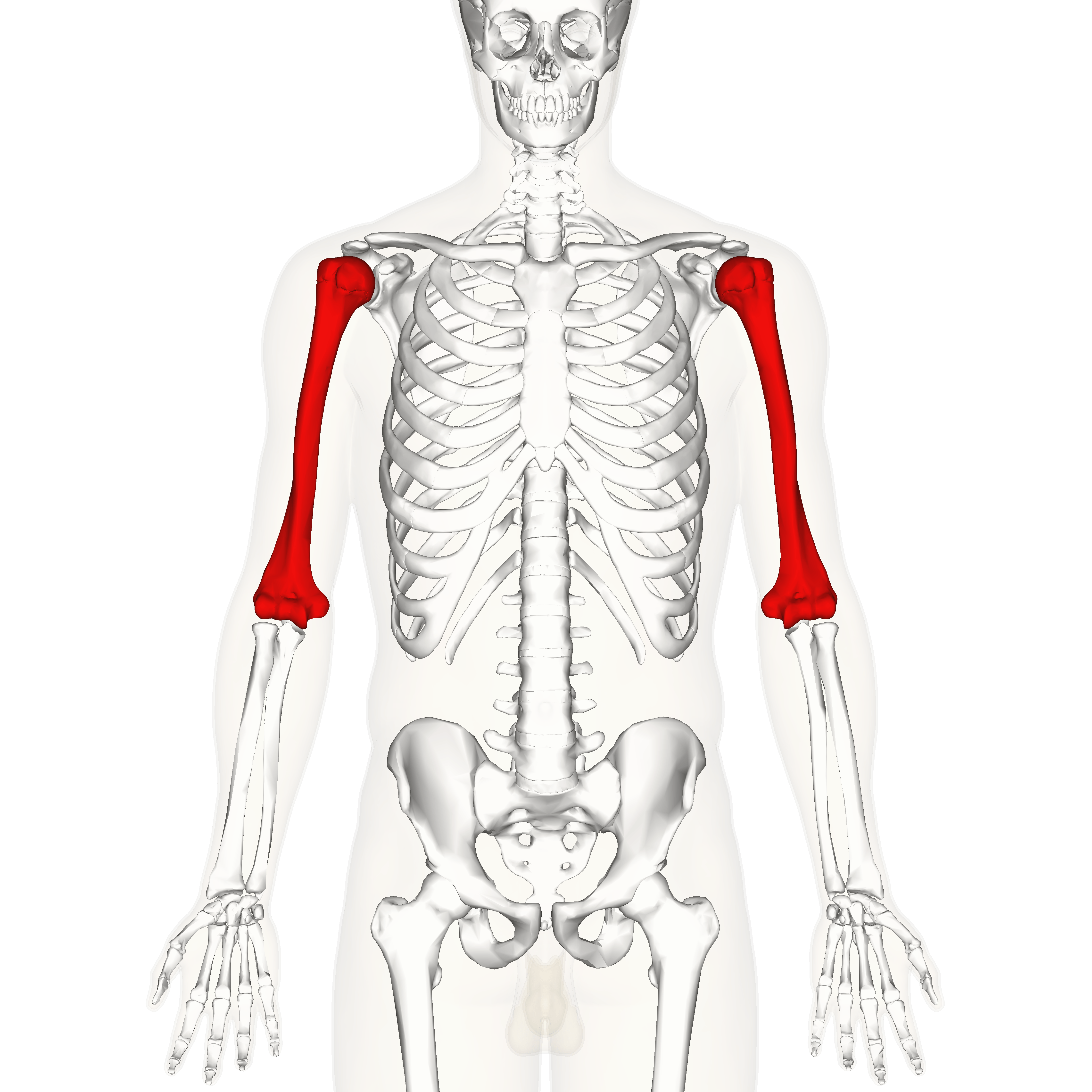
What is the function of the system pictured?
Helps pumps your blood through out your body.
Helps move and protect your body.
Helps take in oxygen and remove carbon dioxide.
Helps maintain body your temperature.
What is the function of the endocrine system?
Transports nutrients & oxygen to body cells & removes waste from cells
Regulate bone growth, maintains blood sugar level, shapes mood & feelings
Provides protection & structure to the body & produces new red blood cells
The integumentary system in a frog functions to provide protection and controls what goes in and out of the frogs body. Which organelle functions in a similar way to the integumentary system?
mitochondria
nucleus
ribosome
cell membrane
The respiratory system functions to aid in gas exchange. The excretory/urinary system functions to remove waste. What is the function of the digestion system?
regulating temperature
moving
absorption
breathing
Several body systems work together to provide support for the organs and help with movement. Which of the following pairs provide structural support for a horse?
skin and blood
bones and muscle
brain and nerves
spine and heart
When hiking in West Texas you stop to take a rest near a prickly pear cactus. You lean too close and your hand touches the spines of the cactus. Your quick reflexes are important, allowing you to pull your hand away fast. Which system is responsible for your jumping away from the cactus spines?
circulatory
nervous
muscular
endocrine
Kidneys filter your blood and remove waste from your system. Which system is responsible for removing waste from the body?
respiratory
integumentary
excretory
digestive
When you eat Takis, your brain sends a signal to your stomach to start breaking down food. Which 2 systems are involved in this process?
circulatory and excretory
digestive and respiratory
nervous and digestive
muscular and nervous
When the school basketball team is running up and down the court, they breathe harder causing an increase in the exchange of oxygen and carbon dioxide. What system works with the respiratory system to transport oxygen and carbon dioxide, enabling this to happen?
circulatory
nervous
muscular
endocrine
Arteries take oxygenated blood ______ _____ the heart. Veins take de-oxygenated blood ______ _____ the heart.
close to, away from
near by, close by
inside with, far from
away from, back to
In the respiratory system, where does gas exchange take place?
alveoli
mitochondria
liver
endocrine system
How many chambers are in the human heart?
6
4
3
2
Your kidneys are part of which body system?
excretory
endocrine
immune
esophagus
Your stomach is part of which system?
endocrine
reproductive
circulatory
digestive
Where are red blood cells made?
bone marrow
heart
right lung
liver
Which system is responsible for gas exchange?
Excretory
Respiratory
Digestive
Nervous
Which answer is NOT a function of the endocrine system?
Helps to shape mood and feelings
Aids in absorption of nutrients
Maintains blood sugar levels
Secretes chemicals to regulate bone growth
Which system functions primarily to coordinate the body’s response to changes in its internal and external environment?
digestive system
excretory system
nervous system
skeletal system

Which body system is the nerve associated with
nervous
endocrine
skeletal
muscular
The nucleus of the cell controls cell activity. Which system controls the entire body?
endocrine
nervous
reproductive
skeletal
When a person’s arm touches something hot, the muscles in the arm react to pull the arm away. Which body system alerts the muscles to react?
nervous
endocrine
skeletal
muscular
Adrenal glands are responsible for producing a hormone that allows organisms to react and respond to threatening external stimuli. Which body system are these glands associated with?
endocrine
skeletal
muscular
nervous

What is the function of this system?
The protection of vital organs from injury
The production of hormones that regulate growth and metabolism.
The chemical breakdown of food into smaller pieces
The transport of nutrients, water, and oxygen to body cells.

What is the function of this system?
The protection of vital organs from injury
The production of hormones that regulate growth and metabolism.
The chemical breakdown of food into smaller pieces
The transport of nutrients, water, and oxygen to body cells.

What is the function of this system?
The protection of vital organs from injury
The production of hormones that regulate growth and metabolism.
The chemical breakdown of food into smaller pieces
The transport of nutrients, water, and oxygen to body cells.

What is the function of this system?
Control body processes
Transport nutrients
Remove waste
Produce hormones

What is the function of this system?
Control body processes
Transport nutrients
Remove waste
Produce hormones

What is the function of this system?
Control body processes
Transport nutrients
Remove waste
Produce hormones

What is the function of this system?
exchange gases with the air
breakdown molecules and absorb nutrients.
Provide support and movement for the body
Produce and secretes hormones which regulate metabolism, growth, and development.
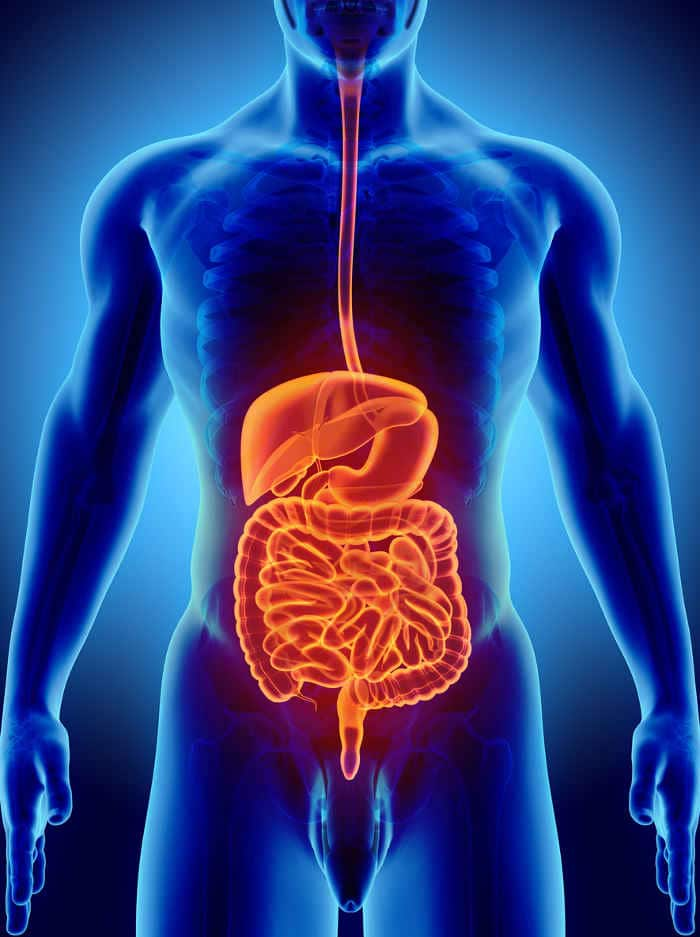
Which human system do you see in the image?
digestive system
respiratory system
circulatory system
nervous system


