
 Worksheets
Yr8 Chemistry
Total questions: 131
Worksheet time: 4hrs 9mins
Name
Class
Date
1.
Magnesium
a)
Au
b)
Ma
c)
Mg
d)
Na
2.
Gold
a)
Au
b)
Go
c)
G
d)
Ag
3.
Hydrogen
a)
He
b)
Hy
c)
Hg
d)
H
4.
Carbon
a)
C
b)
Ca
c)
Cb
d)
Cr
5.
Oxygen
a)
Ox
b)
O
c)
Y
d)
G
6.
Sulfur
a)
S
b)
Su
c)
Sl
d)
Sf
7.
Silicon
a)
S
b)
Si
c)
Sl
d)
Sc
8.
Copper
a)
C
b)
Co
c)
Cu
d)
Cp
9.
Sodium
a)
S
b)
So
c)
N
d)
Na
10.
Aluminum
a)
A
b)
Au
c)
Al
d)
Am
11.
The molecules in a glass of water at room temperature move around at
a)
a wide variety of speeds
b)
much the same rates of speeds
12.
Evaporation is a cooling process and condensation is
a)
a cooling process also
b)
a warming process
c)
neither a warming nor a cooling process
13.
Freezing occurs when matter changes from a
a)
gas to a solid
b)
solid to a gas
c)
liquid to a gar
d)
liquid to a solid
14.
When water freezes, it
a)
gives off energy
b)
absorbs energy
c)
neither gives off not absorbs energy
15.
Which of the following terms identifies the change from a liquid to gas?
a)
Vaporization
b)
Condensation
c)
Deposition
d)
Sublimation
16.
Which of the following terms identifies the change from a liquid to solid?
a)
Melting
b)
Condensation
c)
Vaporization
d)
Freezing
17.
When the temperature of matter increases the particles...
a)
speed up and move closer
b)
speed up and move farther apart
c)
slow down and move closer together
d)
slow down and move farther apart
18.
No Definite Shape and No Definite Volume
a)
Gas
b)
Liquid
c)
Solid
19.
Phase change from a solid to a gas.
a)
sublimation
b)
deposition
c)
condensation
d)
evaporation
20.
Phase change from a solid to a liquid.
a)
melting
b)
sublimation
c)
boiling
d)
condensation
21.
Phase change from a liquid to a gas that only happens at the surface.
a)
evaporation
b)
boiling
c)
sublimation
d)
melting
22.

A gas
a)
has a definite shape but no definite volume
b)
has a definite volume but no definite shape
c)
has fast-moving particles
23.
The opposite phase of melting is
a)
freezing
b)
sublimation
c)
condensation
d)
deposition
24.
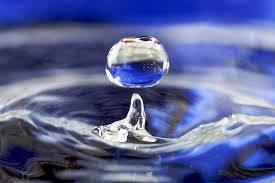
Which state of matter has molecules that slide past each other but stay close together? They do not form a regular pattern.
a)
solid
b)
liquid
c)
gas
25.
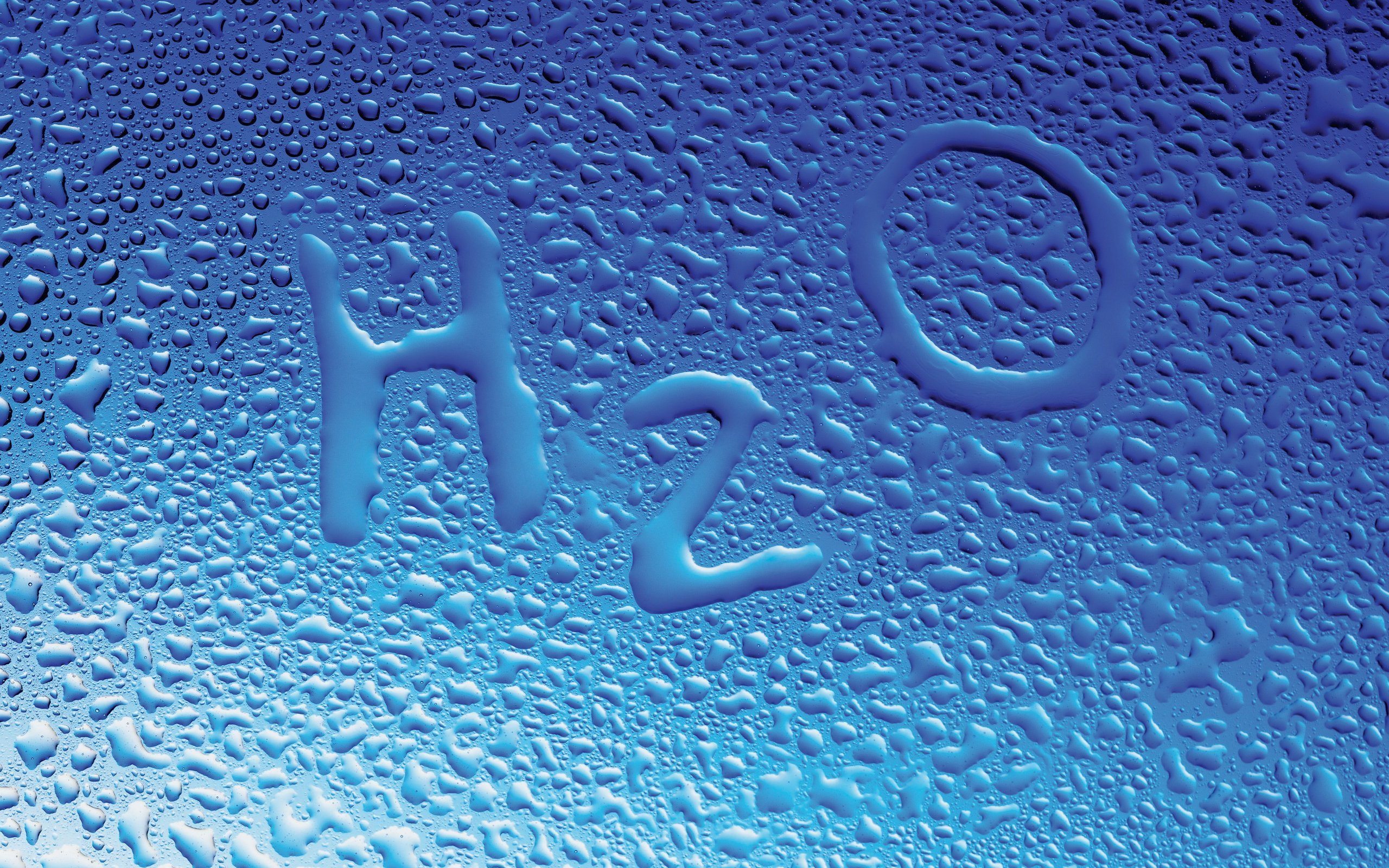
The phase change from water vapor to liquid water is known as...
a)
evaporation
b)
precipitation
c)
condensation
d)
sublimation
26.
particles are very close together with little movement, with a definite shape and a definite volume in this phase
a)
solid
b)
liquid
c)
gas
27.
molecules are moderately close together and have a moderate amount of movement in this phase
a)
solid
b)
liquid
c)
gas
28.
no definite volume and no definite shape in this phase
a)
solid
b)
liquid
c)
gas
29.

Is burning wood a chemical or physical change?
a)
chemical
b)
physical
30.
Is glass breaking a chemical or phyiscal change?
a)
chemical
b)
physical
31.
Is hammering wood together to build a house a chemical or physical change?
a)
chemical
b)
physical
32.
Is a a rusting bicycle a chemical or physical change?
a)
chemcial
b)
physical
33.
Is melting butter for popcorn a chemical or physical change?
a)
chemical
b)
physical
34.
Is spoiling food a physical or chemical change?
a)
phyiscal
b)
chemical
35.
Is bleaching your hair a physical or chemical change?
a)
physical
b)
chemical
36.
Is corroding metal a chemical or physical change?
a)
physical
b)
chemical
37.
Is making salt water to gargle with a physical or chemical change?
a)
physical
b)
chemical
38.
Is moldy cheese a chemical or physical change?
a)
chemical
b)
physical
39.

An gel ice pack getting cold after you put it in the freezer for an hour.
a)
Chemical Change
b)
Physical Change
40.

a copper penny turning greenish after a few years.
a)
Chemical Change
b)
Physical Change
41.

Using dye to change the color of a shirt green.
a)
Chemical Change
b)
Physical Change
42.
A change in the size, shape, or state of matter.
a)
chemical change
b)
physical change
c)
chemical reaction
d)
electron change
43.
A change in which NEW substances are formed.
a)
Chemical change
b)
Physical change
c)
Casual change
d)
Formal change
44.
Which of the following is NOT an example of chemical change?
a)
sour milk
b)
burning wood
c)
breaking a pencil
d)
rust
45.
Which of the following IS a physical change?
a)
Getting a haircut
b)
Rusty metal
c)
sour milk
d)
A compound
46.
Exothermic reactions...
a)
Absorb energy
b)
Release energy
c)
Release Color
d)
Absorb Color
47.
Which of the following is a sign that a chemical reaction has occurred?
a)
change in shape
b)
melting
c)
formation of a gas
d)
dissolving
48.
What kind of properties can only be observed when a substance changes into a different substance?
a)
physical properties
b)
chemical properties
c)
liquid properties
d)
real properties
49.
Density: Chemical or Physical Property
a)
Chemical Property
b)
Physical Property
50.
Which of the following tells you that a chemical change may have occurred?
a)
Change Shape
b)
Melting
c)
Vaporizing
d)
Change in color
51.
What happens in ALL chemical changes?
a)
Change in state of matter
b)
A new substance is formed
c)
Bubbles are produced
d)
An explosion
52.
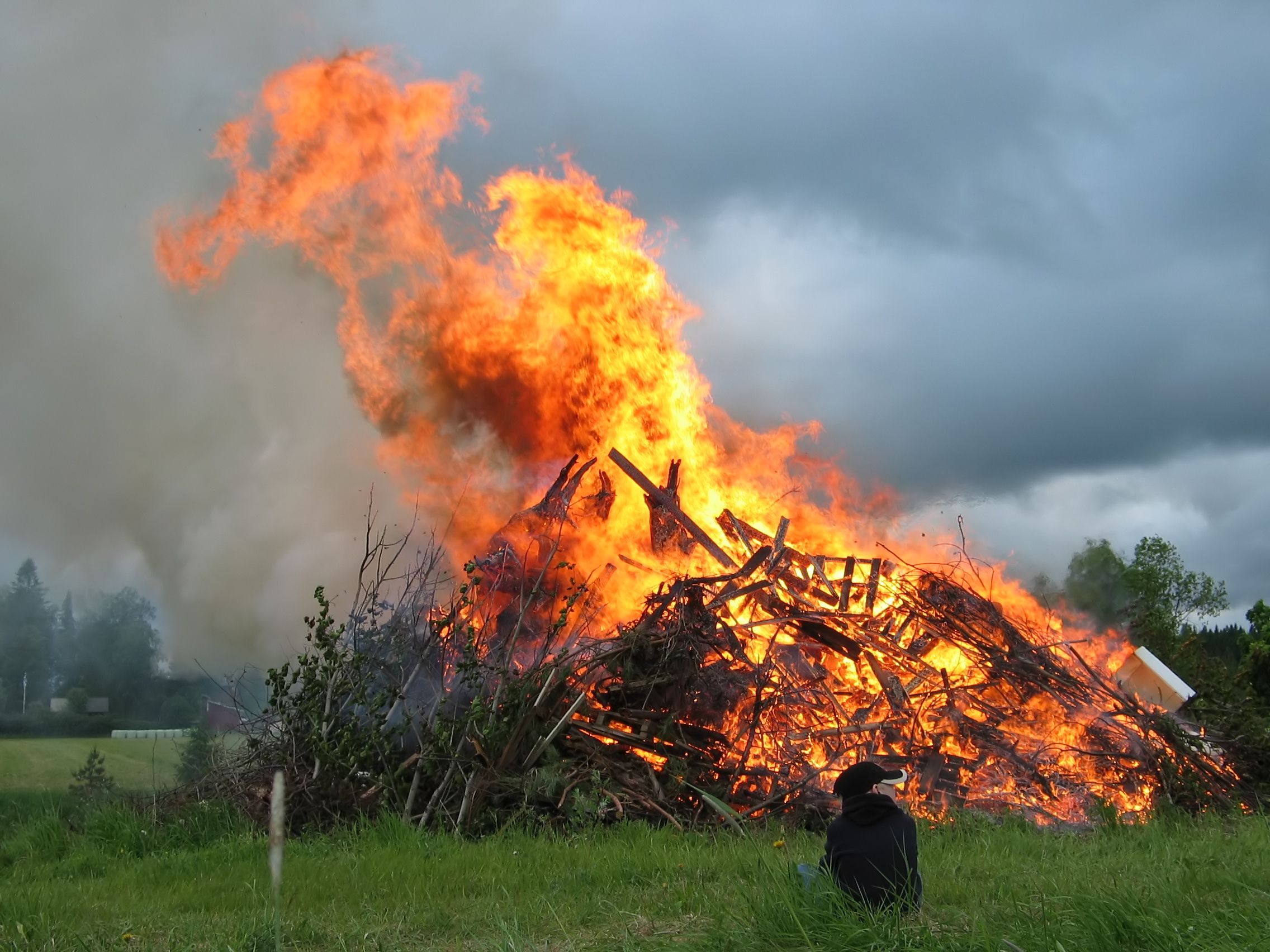
Is wood burning a physical or chemical change?
a)
Physical
b)
Chemical
53.
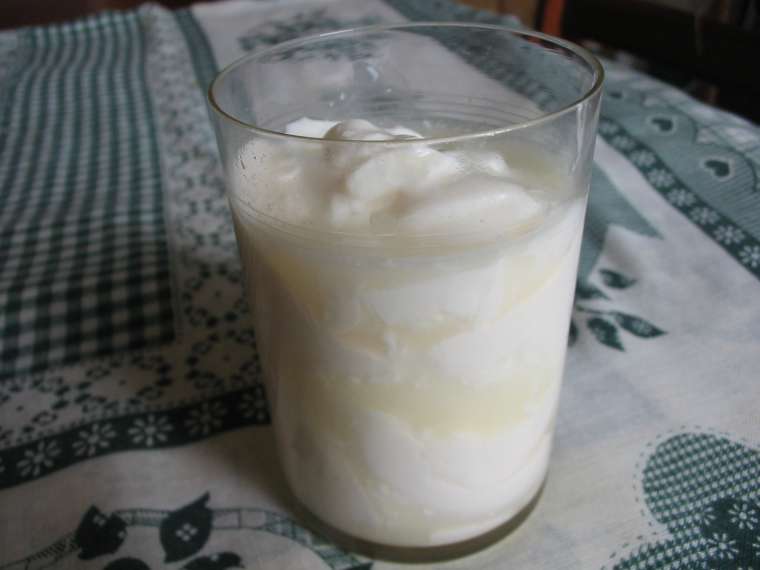
Is milk going sour a physical or chemical change?
a)
Physical
b)
Chemical
54.

Is Gatorade powder dissolving in water physical or chemical change?
a)
Physical
b)
Chemical
55.

Is mold growing on cheese a physical or chemical change?
a)
Physical
b)
Chemical
56.
During Photosynthesis energy is absorbed. What kind of reaction is it?
a)
Physical
b)
Exothermic
c)
Endothermic
d)
Photothermic
57.
Which of the following is not a clue that a chemical reaction has taken place?
a)
Changing size
b)
Changing color
c)
A gas being formed
d)
Formation of a precipitate
58.
Which of the following IS a clue that a chemical change has occurred?
a)
State of matter change
b)
Size Change
c)
Change in temperature
d)
Shape change
59.

Can a solid be easily broken apart?
a)
Yes
b)
No
c)
Sometimes (it depends on what it's made of)
d)
Generally no
60.
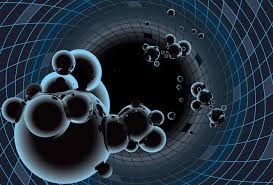
Can Solids be compressed?
a)
No
b)
Yes
c)
Sometimes (it depends what it's made of)
d)
Generally no
61.
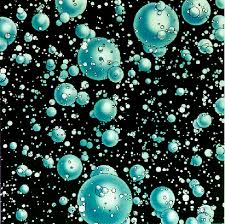
Which of the following is a property of a liquid
a)
Can't be compressed
b)
Can be compressed
c)
Particles are far appart
d)
Particles hold the object's shape
62.

How do gases behave in a container?
a)
Cluster together
b)
form a solid
c)
They take the shape of their container
d)
leak out
63.
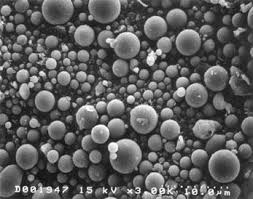
Which states allow easy flow of particles
a)
Gas and Solid
b)
Gas and Liquid
c)
Solid and Liquid
d)
Gas only
64.
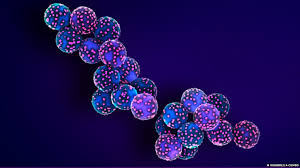
which of the following would be most stolid?
a)
Ice
b)
Jelly
c)
Honey
d)
Tomato Sauce
65.
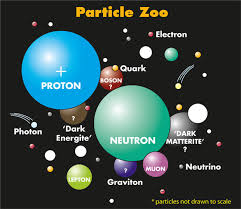
How do materials change from one state of matter to another?
a)
They gain or lose energy
b)
They break appart
c)
The particles get stickyer
d)
They are magnetised to themselves
66.
Jack has a rock. The rock has a mass of 14g and a volume of 2cm3. What is the density of the rock?
a)
7 mL
b)
7 g/cm3
c)
28 g/cm3
d)
1/7 g/cm3
67.
Which units of measurement are used for volume?
a)
grams
b)
centimeters
c)
grams/milliliter
d)
milliliter
68.
Which lab tool might you use to measure the volume of a liquid?
a)
electric scale
b)
bunsen burner
c)
test tube
d)
graduated cylinder
69.

What is the volume of Object X?
a)
10.0 cm3
b)
15.0 cm3
c)
20.0 cm3
d)
25.0 cm3
70.
True or False: The density of a specific type of material never changes.
a)
True
b)
False
71.

I have two objects with the same volume but different masses. Which object will be more dense?
a)
The object with less weight.
b)
The object with more weight.
c)
The object with more mass.
d)
The object with less mass.
72.
What is the formula for density?
a)
density = mass x volume
b)
density = mass / volume
c)
density = mass + volume
d)
density = mass - volume
73.
Frank has an eraser. It has a mass of 4g, and a volume of 2cm3. What is its density?
a)
8 g/cm3
b)
2 g/cm3
c)
1/2 g/cm3
d)
24 g/cm3
74.
Frank has a paper clip. It has a mass of 9g and a volume of 3cm3. What is its density?
a)
3 g/cm3
b)
1/3 g/cm3
c)
27 g/cm3
d)
39 g/cm3
75.
An object with which of the following densities will float on water?
a)
0.7 g/cm3
b)
1.2 g/cm3
c)
3.5 g/cm3
d)
11.4 g/cm3
76.
A can of Coke will sink in a bowl of water. A can of Diet Coke will float in a bowl of water. What does this tell you about the density of the Diet Coke?
a)
it is bigger than 1
b)
it is smaller than 1
c)
it is equal to 1
d)
it is equal to -1
77.
Why do ice cubes float in a glass of water?
a)
the ice cubes are more dense than the water
b)
the water is more dense than the ice cubes
c)
the water is more dense than the glass
d)
the ice is more dense than the glass
78.
Veal finds a gold colored rock in a river. It has a mass of 9.65 grams and a volume of 0.5 cm3. What is the density of the rock?
a)
10.15 g/cm3
b)
19.3 g/cm3
c)
9.15 g/cm3
d)
4.825 g/cm3
79.
Will an object with a density of 1.01 g/cm3 float or sink?
a)
float
b)
sink
80.
A brick sinks in water while a wooden block of the same size floats. This is because the brick has a
a)
lower volume than the wooden block
b)
lower density than the wooden block
c)
higher volume than the wooden block
d)
higher density than the wooden block
81.
A scientist has four different liquids and pours them all into a bottle. The silver liquid sinks to the bottom, the red liquid settles on top of the silver one, and the pink liquid stays at the surface. Which liquid has the smallest density?
a)
the pink liquid
b)
the silver liquid
c)
the red liquid
d)
the water
82.
A scientist has four different liquids and pours them all into a bottle. The silver liquid sinks to the bottom, the red liquid settles on top of the silver one, and the pink liquid stays at the surface. Which liquid has the smallest density?
a)
the pink liquid
b)
the silver liquid
c)
the red liquid
d)
the water
83.
What is the density of water?
a)
0 g/ml
b)
1 g/ml
c)
10 g/ml
d)
100 g/ml
84.
What is the density of a substance that has a mass of 30g and a volume of 6 liters?
a)
24 g/l
b)
5 g/l
c)
36 g/l
d)
180 g/l
85.
Why do some substances float on water?
a)
they are warmer than water
b)
they are cooler than water
c)
they are more dense than water
d)
they are less dense than water
86.
The Horizontal rows of the periodic table are called __________,
a)
Periods
b)
Groups
c)
Families
d)
Halogens
87.
Elements that are gases, brittle and poor conductors are classified as what kind of elements?
a)
Nonmetals
b)
Metals
c)
Metalloids
d)
Alkali Metals
88.
At room temperature, most metals are
a)
Gasses
b)
Nonmetals
c)
Liquids
d)
Solids
89.
Groups 3 through 12 on the periodic table are known as ____________________.
a)
Halogens
b)
Alkaline Earth Metals
c)
Noble Gases
d)
Transition Metals
90.
What group on the Periodic Table has elements that are very unreactive and has a full valence energy level
a)
Transition Metals
b)
Halogens
c)
Noble Gases
d)
Lanthanides
91.
Elements in the same group or family are expected to have ________
a)
Similar Chemical Properties
b)
Same number of Protons
c)
Same Atomic number
92.
How many Protons, Electrons and Neutrons does Magnesium have?
a)
12, 12, 24
b)
12, 12, 12
c)
2, 1, 2
d)
24.30, 12, 3
93.
What group does Sodium and Cesium belong?
a)
Alkaline Earth Metals
b)
Halogens
c)
Transition Metals
d)
Alkali Metals
94.
How are the elements on the Modern Periodic table arranged?
a)
By Color
b)
By solids, liquids and gases
c)
By increasing atomic number
d)
By number of Neutrons
95.
When metals can be drawn into thin wire is called?
a)
Malleable
b)
Ductile
c)
Conductor
d)
Fragile
96.
Xenon and Krypton are in what group?
a)
Lanthanides
b)
Alkali Earth
c)
Noble Gases
d)
Halogen
97.

What is the biggest difference between an atom of cobalt (Co) and an atom of nickel (Ni) as shown in the periodic table entries?
a)
An atom of nickel has more protons.
b)
An atom of cobalt has more electrons.
c)
An atom of cobalt has a lower number of neutrons.
d)
An atom of nickel has a higher value for atomic mass.
98.
In what order are the regions arranged on the periodic table, reading left to right?
a)
inert gases, metals, nonmetals, metalloids
b)
metalloids, metals, nonmetals, inert gases
c)
metals, metalloids, nonmetals, inert gases
d)
nonmetals, inert gases, metals, metalloids
99.
Fluorine, chlorine, bromine, iodine, and astatine make up Group 17, the halogens. Why are these elements grouped together?
a)
They are all very reactive nonmetals with similar chemical properties.
b)
They are all nonreactive gases with similar physical properties.
c)
Their atoms all have eight electrons in their outer energy levels.
d)
They all have the same atomic number.
100.
Which of the following best describes the properties of metals?
a)
hard, brittle, and nonconductive
b)
liquid, dark, and conductive
c)
shiny, malleable, and conductive
d)
soft, oily, and very reactive
101.
How are the elements in the periodic table arranged?
a)
by their atomic mass
b)
by their chemical symbol
c)
by their chemical name
d)
by their atomic number
102.
Which particle contributes the negative charge to the atom?
a)
proton
b)
electron
c)
neutron
d)
nucleus
103.
What are the two main parts of the atom?
a)
nucleus and cytoplasm
b)
nucleus and electron cloud
c)
core and electron cloud
d)
protons and neutrons
104.
What is the electrical charge of a proton?
a)
1+
b)
1-
c)
neutral
d)
2-
105.

The atomic number of this pictured element is
a)
28
b)
58.6934
c)
Ni
d)
Nickel
106.
Which elements are good conductors of electricity?
a)
metalloids
b)
metals
c)
non-metals
d)
meteors
107.
Which group of elements has properties of both metals and non-metals?
a)
metalloids
b)
metals
c)
non-metals
d)
gases
108.
Most of the elements in the periodic table are
a)
metalloids
b)
metals
c)
non-metals
d)
gases
109.
What is the mass number?
a)
the number of protons
b)
the sum of the number of protons and the number of neutrons in the nucleus of an atom
110.
A ___________ is an arrangement of elements in columns
a)
columns
b)
rows
c)
periodic table
d)
electron shell
111.
Each column in the periodic table is called a
a)
period
b)
group
c)
cluster
d)
unit
112.

The atoms along the staircase are called
a)
metals
b)
nonmetals
c)
metalloids
d)
noble gases
113.
Which is a halogen?
a)
Helium
b)
Chlorine
c)
Oxygen
d)
Neptune
114.
Which is an alkali metal?
a)
Magnesium
b)
Iron
c)
Sodium
d)
Europium
115.
What is the simplest form of matter?
a)
elements
b)
molecules
c)
compounds
d)
particles
116.
When two or more atoms are bonded, we call them _______
a)
elements
b)
molecules
c)
compounds
d)
atoms
117.
Elements that combine with different elements make _______
a)
atoms
b)
elements
c)
compounds
d)
particles
118.
H2 is best described as what?
a)
element
b)
compound
c)
Periodic table
d)
molecule
119.

N2..This is an example of what?
a)
molecule
b)
element
c)
compound
120.

This is an example of what?
a)
compound
b)
molecule
c)
element
d)
compound and molecule
121.
A single atom of gold is best described as a(n):
a)
compound
b)
molecule
c)
element
122.
A substance made of two or more different elements chemically combined
a)
Elements
b)
Atoms
c)
Compounds
d)
Substances
123.
Pure substance that can't be broken down into any other substance
a)
Elements
b)
Atoms
c)
Compounds
d)
Molecules
124.
Contains 2 atoms
a)
elements
b)
molecules
c)
compounds
d)
sustances
125.
Hydrogen is a pure substance represented by the chemical symbol H. Which of the following best describes hydrogen?
a)
Hydrogen is an element made of two or more kinds of atoms.
b)
Hydrogen is a compound made of only one kind of atom.
c)
Hydrogen is a compound made of two or more kinds of atoms.
d)
Hydrogen is an element made of only one kind of atom.
126.
The element oxygen, represented by the symbol O, is classified as
a)
a pure substance
b)
a compound
c)
a mixture
d)
a solution
127.
Carbon (C) and hydrogen (H) are pure substances. Each is made of only one type of atom, but carbon atoms are different from hydrogen atoms. Carbon and hydrogen chemically combine to form methane (CH4).
a)
methane is an element and carbon and hydrogen are compounds.
b)
carbon, hydrogen, and methane are all elements.
c)
carbon, hydrogen, and methane are all compounds.
d)
carbon and hydrogen are elements and methane is a compound.
128.
The chemical combination of two or more different kinds of atoms in fixed amounts is called a(n)
a)
orbit
b)
compound
c)
mixture
d)
element
129.
Atoms combine to form _______.
a)
electrons
b)
molecules
c)
nuclei
d)
neutrons
130.
A compound is...
a)
a substance made up of one type of atom in its molecular form.
b)
a substance formed by the reaction of two or more elements.
c)
a mixture formed by the mixing of two or more elements.
d)
a substance made up of one type of atom in its atomic form.
131.
Carbon dioxide is formed when two oxygen atoms chemically combine with a carbon atom. Which term best describes carbon dioxide?
a)
atom
b)
mixture
c)
element
d)
compound
100 %

