wayground logo

Free Printable Worksheets

Font size

S
M
L
XL
Worksheets

Alkanes Alkenes Alkynes Alcohols NCEA 2.5

Total questions: 104

Worksheet time: 1hrs 9mins

Name
Class
Date
1.
Alkanes are known as saturated hydrocarbons because they contain only carbon-hydrogen single bonds.
a)
True
b)
False
2.
Butane and butene are isomers.
a)
True
b)
False
3.
The boiling points and viscosity of alkane molecules increase as their molecular sizes increase.
a)
True
b)
False
4.
The first member of the alkene series is methene.
a)
True
b)
False
5.
How many carbon atoms are in methane?
a)
1
b)
2
c)
3
d)
4
6.
How many carbon atoms are in propane
a)
1
b)
2
c)
3
d)
4
7.
How many hydrogen atoms are in butane
a)
4
b)
6
c)
8
d)
10
8.
If an alkane has 20 carbon atoms, how many hydrogen atoms will it have?
a)
20
b)
22
c)
40
d)
42
9.
What is the general formula of an alkane
a)
2n+2
b)
CnH2n+2
c)
CnH2n
d)
CnHn
10.
C10H22
a)
Alkane
b)
Alkene
c)
Alkyne
11.
Hydrocarbons are compounds that contain
a)
Carbon, only
b)
Carbon and Hydrogen, only
c)
Carbon, Oxygen, and Hydrogen, only
d)
Carbon, Oxygen, Hydrogen, and Nitrogen, only
12.
How many carbons are in the backbone (longest chain) of this organic compound: 2,3,3-triethyl-4-nonene
a)
2
b)
6
c)
7
d)
9
13.
Give the name of this compound...
C3H8
a)
Propene
b)
Butane
c)
Butene
d)
Propane
14.
The molecular formula for Heptane is
a)
C4H10
b)
C8H18
c)
C5H12
d)
C7H16
15.
Methyl has the molecular formula
a)
CH4
b)
CH3
c)
CH
d)
CH2
16.
Butane
a)
Alkane
b)
Alkene
c)
Alkyne
17.
Octene
a)
Alkane
b)
Alkene
c)
Alkyne
18.
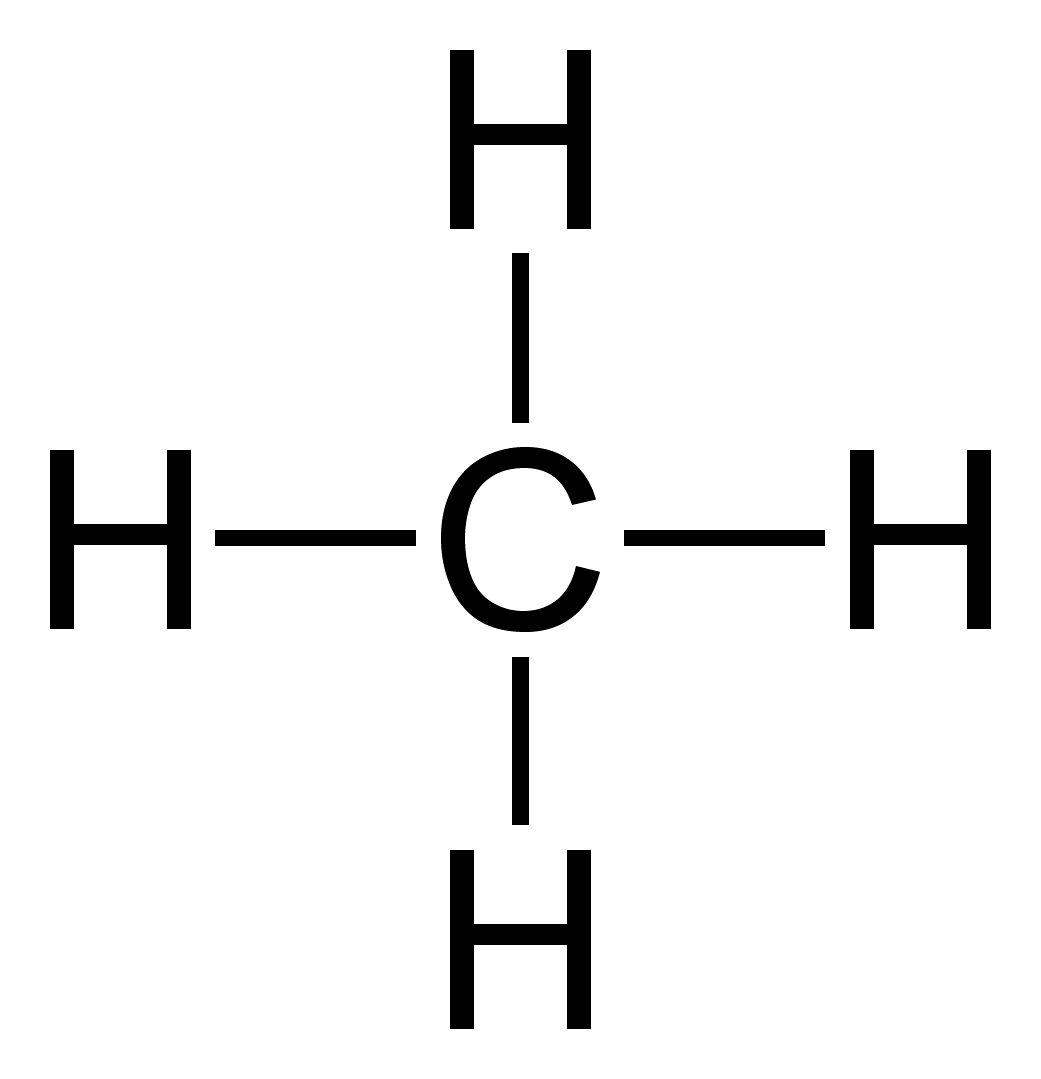
Name this alkane
a)
Methane
b)
Ethane
c)
Propane
d)
Butane
19.
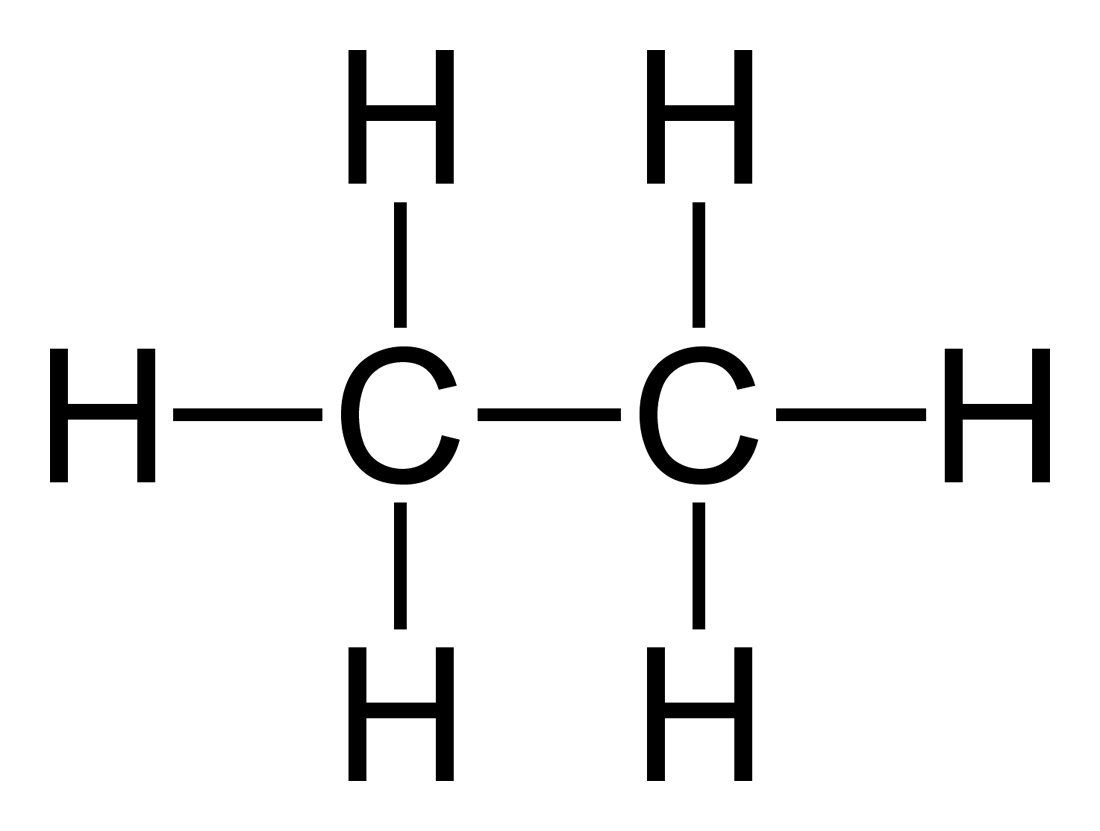
Name this alkane
a)
Methane
b)
Ethane
c)
Propane
d)
Butane
20.
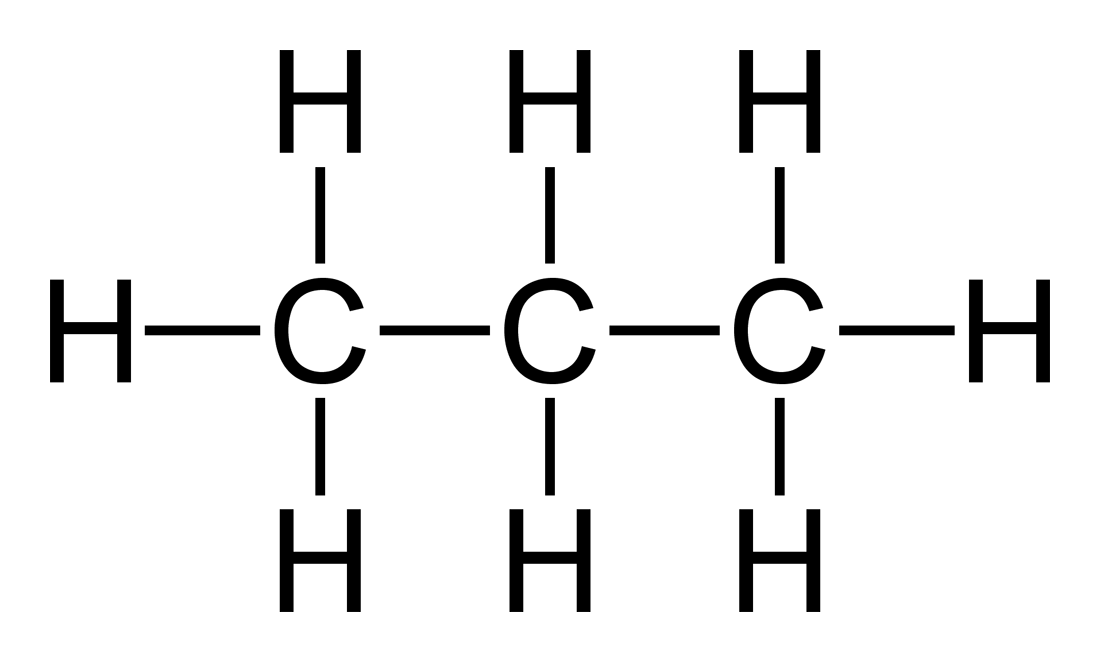
Name this alkane
a)
Methane
b)
Ethane
c)
Propane
d)
Butane
21.
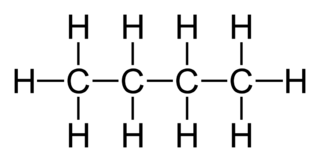
Name this alkane
a)
Methane
b)
Ethane
c)
Propane
d)
Butane
22.
How many carbon atoms are in methane?
a)
1
b)
2
c)
3
d)
4
23.
How many carbon atoms are in ethane
a)
1
b)
2
c)
3
d)
4
24.
How many carbon atoms are in butane
a)
1
b)
2
c)
3
d)
4
25.
How many carbon atoms are in propane
a)
1
b)
2
c)
3
d)
4
26.
How many carbon atoms are in ethane
a)
1
b)
2
c)
3
d)
4
27.
How many hydrogen atoms are in propane
a)
4
b)
6
c)
8
d)
10
28.
If an alkane has 32 hydrogen atoms, how many carbon atoms does it have?
a)
64
b)
66
c)
15
d)
16
29.
The longer the hydrocarbon, the _______ the boiling point
a)
Lower
b)
Higher
30.
What is the exam definition of saturated?
a)
No single bonds
b)
Contains a double bond
c)
No single bonds, all double bonds
d)
No double bonds, all single bonds
31.
What liquid detects the presence of an alkene?
a)
Alkene water
b)
Bromine water
c)
Water
d)
Limewater
32.
What colour does bromine water turn in the presence of an alkene
a)
Orange
b)
Blue
c)
Colourless
d)
Green
33.
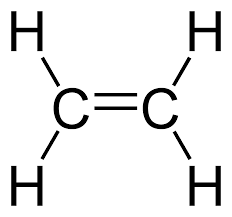
what kind of molecule is this?
a)
alkane
b)
alkene
c)
alkyne
d)
cycloalkane
34.
Name the organic family for this structure:
a)
alkanes
b)
alkenes
c)
alkynes
d)
aromatics
35.
What is the organic family for propane?  
a)
alkanes
b)
alkenes
c)
alkynes
d)
aromatics
36.
Name the organic family for this structure:
a)
alkanes
b)
alkenes
c)
alkynes
d)
aromatics
37.
What is the organic family for propene (propylene)?  
a)
alkanes
b)
alkenes
c)
alkynes
d)
aromatics
38.
Name the organic family for this structure:
a)
organic halides
b)
alkenes
c)
alcohols
d)
aromatics
39.
What is the organic family for propanol?  
a)
organic halides
b)
alkenes
c)
alcohols
d)
aromatics
40.
Name the organic family for this structure:
a)
aldehydes
b)
esters
c)
ketones
d)
carboxylic acids
41.
What is the organic family for propanoic acid?  
a)
aldehydes
b)
esters
c)
ketones
d)
carboxylic acids
42.
2-Pentene
a)
Alkane
b)
Alkene
c)
Alkyne
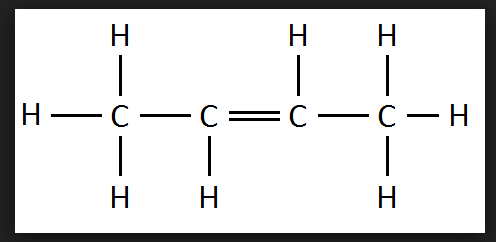
43.
a)
Alkane
b)
Alkene
c)
Alkyne
44.
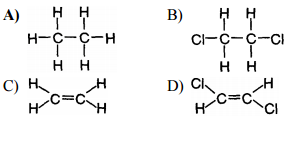
Which formula represents a saturated hydrocarbon?
a)
A
b)
B
c)
C
d)
D
45.
How many carbons are in Butanoic Acid
a)
1
b)
2
c)
3
d)
4
46.
The molecular formula for Heptane is
a)
C4H10
b)
C8H18
c)
C5H12
d)
C7H16
47.
Give the name of this compound...
C3H8
a)
Propene
b)
Butane
c)
Butene
d)
Propane
48.

CH3CH3 is an example of a _______________ formula.

a)

molecular

b)

condensed

c)

structural

d)

molar

49.
The "ane" ending in "alkane" tells someone that they are dealing with _________-bonded carbons.
a)
single
b)
double
c)
triple
d)
quadruple
50.
Name this alkane
a)
Methane
b)
Ethane
c)
Propane
d)
Butane
51.
Give the name of this compound...
C3H8
a)
Propene
b)
Butane
c)
Butene
d)
Propane
52.
Name this alkane
a)
Methane
b)
Ethane
c)
Propane
d)
Butane
53.
Name this alkane
a)
Methane
b)
Ethane
c)
Propane
d)
Butane
54.
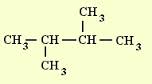
Name the compound.
a)
hexane
b)
2,3-dimethylbutane
c)
ethylbutane
d)
2,2-dimethylbutane
55.
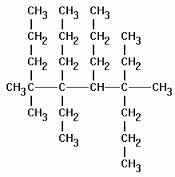
How many carbons are in the longest chain of the following molecule:
a)
11
b)
10
c)
9
d)
8
56.
Name the compound.
a)
nonene
b)
2,2-dimethyl-3-heptene
c)
1,1,5-trimethyl-2-hexene
d)
2,6-dimethyl-3-heptene
57.
How many bonds does carbon make?
a)
1
b)
2
c)
3
d)
4
58.
Name the following
a)
4-ethyl-6-methyl nonane
b)
3-propyl-5-methyl octane
c)
2,4-dipropyl hexane
d)
4-ethyl-2-propyl heptane
59.
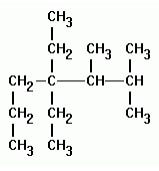
Name the following
a)
2,3-dimethyl-4,4-diethyl heptane
b)
2,3-methyl-4,4-ethyl heptane
c)
4,4-ethyl-2,3-methyl heptane
d)
4,4-diethyl-2,3-dimethyl heptane
60.

What chemical is this? (C5H10)

a)

Pentene

b)

Pentane

c)

Hexane

d)

Heptene

61.
Name this molecule:
a)
trifluoro-1-methylmethane
b)
1,1,1-trifluoromethane
c)
trifluorethane
d)
1,1,1-trifluoroethane
62.
The prefixes to represent 1,2,or 3 Carbons are...
a)
But-, Prop-, Oct-
b)
Non-, Dec-, Hex
c)
But-, Hex- Hept-
d)
Meth-,Eth-,Prop-
63.
The prefixes to represent 6,7, or 8 Carbons are...
a)
Meth-, Eth-, But-
b)
Hex-, Hept-, Oct-
c)
Oct-, Non-, Dec-
d)
Prop-, But-, Hex
64.
Alkenes are identified by a chain containing:
a)
a diamond
b)
a double bond
c)
a single bond
d)
a triple bond
65.
Alkanes are identified by a chain made up of:
a)
double bonds
b)
single bonds
c)
24k gold
d)
triple  bonds
66.
Alkynes are identified by a chain containing:
a)
a triple bond
b)
a James Bond
c)
a single bond
d)
a double bond
67.
Classify the compound based on the functional group present.
a)
amine
b)
amide
c)
ether
d)
ester
68.
Classify the compound based on the functional group present.
a)
carboxylic acid
b)
aldehyde
c)
alcohol
d)
ether
69.
Classify the compound based on the functional group present.
a)
alkane
b)
alkene
c)
alkyne
d)
aromatic
70.
Classify the compound based on the functional group present.
a)
aldehyde
b)
ketone
c)
alcohol
d)
carboxylic acid
71.
Classify the compound based on the functional group present.
a)
alkane
b)
alkene
c)
alkyne
d)
aromatic
72.
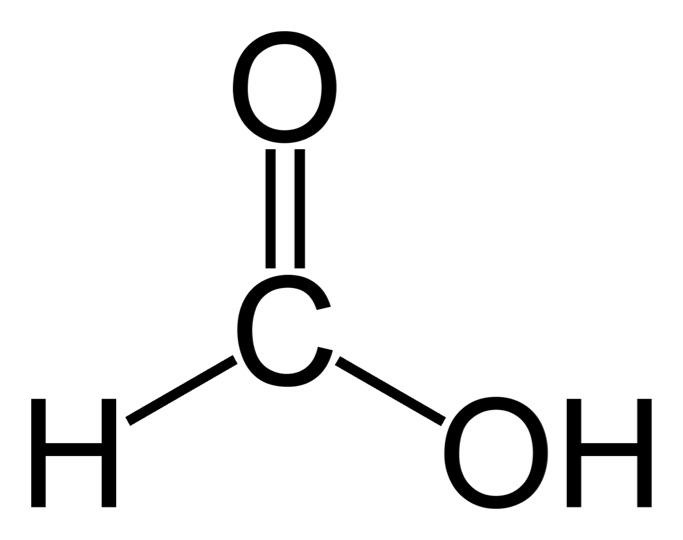
Name this structure.
a)
methanoic acid
b)
methanal
c)
methanol
d)
methanone
73.
What is the functional group of an alcohol?
a)
-COO-
b)
-COOH
c)
-C=C-
d)
-OH
74.
What is the functional group of an alkene?
a)
-COO-
b)
-COOH
c)
-C=C-
d)
-OH
75.
Alcohols contain the -OH group and there name endings with -anol. 
Name this alcohol
a)
Methane
b)
Methene
c)
Methyne
d)
Methanol
76.
Name this alkane
a)
2,3-diethylbutane
b)
1-trimethyl-4-diethylpentcos-5-ene
c)
2,3-dimethylbutane
d)
1,4-diethylmethane
77.

What is the name of this molecule :

CH2CH2-CH2-CH2OH

a)

BUTAN-1 OL

b)

BUTAN-4 OL

c)

BUTANOL

d)

PENTAN-1 OL

78.

Name this compound

a)

2-methyl-2-chloropropane

b)

2-chloro-2-methylpropane

c)

2-chloro-1,2-dimethylethane

d)

1,2,3-methyl-2-chloropropane

79.

Name this compound

a)

2-bromo-3-chloropentane

b)

3-chloro-2-bromopentane

c)

4-bromo-3-chloropentane

d)

2-bromo-3-chloropropane

80.

Name this compound

a)

3-bromo butanoicaicd

b)

2-bromobutanoic acid

c)

3-bromobutanoic acid

d)

2-bromobutan-1-ol

81.

Name this compound

a)

hexanol

b)

pentanol

c)

pentan-1-ol

d)

propan-1-ol

82.
Name this structure.
a)
propanal
b)
propanol
c)
propanoic acid
d)
propanone
83.
Classify the compound based on the functional group present.
a)
carboxylic acid
b)
aldehyde
c)
alcohol
d)
ether
84.

What can be used to oxidise alcohols?

a)

MnO4-

b)

KMnO4/H+

c)

H+

d)

KMnO4

85.

What can be used to oxidise alcohols?

a)

K2Cr2O72-

b)

Cr2O72-/H+

c)

H+

d)

Cr2O72-

86.

What is the functional group formed when conc. H2SO4 reacts with alcohols?

a)

alkene

b)

chloroalkane

c)

diol

d)

alkane

87.

How could you form an alcohol from a chloroalkane?

a)

H2O/H+

b)

KOH(alc)

c)

KOH(aq)

d)

SOCl2

88.

How could you form an alcohol from an alkene?

a)

H2O/H+

b)

KOH(alc)

c)

KOH(aq)

d)

SOCl2

89.

Which would be the major product from the reaction of butan-2-ol with conc. H2SO4?

a)

but-1-ene

b)

but-2-ene

90.

Can propan-2-ol form major and minor products when reacted with conc. H2SO4?

a)

yes

b)

no

91.

Which would be the major product from the reaction of propene with H2O/H+?

a)

propan-1-ol

b)

propan-2-ol

92.

What reagent is needed to change an alkene to an alcohol?

a)

KOH (aq)

b)

concentrated H2SO4

c)

H2O/ dilute H2SO4

d)

Cr2O72-/H+

93.

Which reagent is needed to change a haloalkane to an alcohol?

a)

KOH (aq)

b)

KOH(alc)

c)

H2O/ dilute H2SO4

d)

Cr2O72-/H+

94.

Which reagent is needed to change a haloalkane to an amine?

a)

KOH (aq)

b)

NH3(alc)

c)

H2O/ dilute H2SO4

d)

Cr2O72-/H+

95.

Which reagent is needed to change CH3CH2OH to CH3COOH

a)

KOH (aq)

b)

NH3(alc)

c)

H2O/ dilute H2SO4

d)

Cr2O72-/H+

96.

Which reagent is needed to change an alcohol to an alkene?

a)

KOH (alc)

b)

water/dilute H2SO4

c)

concentrated H2SO4

d)

Cr2O72-/H+

97.

Which reagent is needed to change CH3CH=CH2 to CH3CHClCH3

a)

Cl2 (aq)

b)

SOCl2

c)

PCl3

d)

HCl

98.

Which reagent is needed to change a haloalkane to an alkene?

a)

KOH (aq)

b)

KOH(alc)

c)

concentrated H2SO4

d)

KMnO4

99.

What is the product of the reaction: CH3CH2NH2 + HCl

a)

CH3CH2Cl + NH3

b)

CH3CH2NH2Cl

c)

CH3CH2NH3Cl

d)

CH3CH2NH2HCl

100.

alkene ------> alcohol - reaction type?

a)

addition

b)

substitution

c)

elimination

d)

oxidation

101.

haloalkane ------> alcohol - reaction type?

a)

addition

b)

substitution

c)

elimination

d)

oxidation

102.

haloalkane ------> alkene - reaction type?

a)

addition

b)

substitution

c)

elimination

d)

oxidation

103.

alcohol ------> carboxylic acid - reaction type?

a)

addition

b)

substitution

c)

elimination

d)

oxidation

104.
a)
2,3-dimethyl-4,4-diethyl heptane
b)
2,3-methyl-4,4-ethyl heptane
c)
4,4-ethyl-2,3-methyl heptane
d)
4,4-diethyl-2,3-dimethyl heptane