
 Worksheets
Grade 9 Unit B section 1
Total questions: 137
Worksheet time: 2hrs 55mins
Name
Class
Date
1.

Is burning wood a chemical or physical change?
a)
chemical
b)
physical
2.
Is glass breaking a chemical or phyiscal change?
a)
chemical
b)
physical
3.
Is hammering wood together to build a house a chemical or physical change?
a)
chemical
b)
physical
4.
Is a a rusting bicycle a chemical or physical change?
a)
chemcial
b)
physical
5.
Is melting butter for popcorn a chemical or physical change?
a)
chemical
b)
physical
6.
Is spoiling food a physical or chemical change?
a)
phyiscal
b)
chemical
7.
Is bleaching your hair a physical or chemical change?
a)
physical
b)
chemical
8.
Is corroding metal a chemical or physical change?
a)
physical
b)
chemical
9.
Is making salt water to gargle with a physical or chemical change?
a)
physical
b)
chemical
10.
Is moldy cheese a chemical or physical change?
a)
chemical
b)
physical
11.

An gel ice pack getting cold after you put it in the freezer for an hour.
a)
Chemical Change
b)
Physical Change
12.

a copper penny turning greenish after a few years.
a)
Chemical Change
b)
Physical Change
13.

Using dye to change the color of a shirt green.
a)
Chemical Change
b)
Physical Change
14.

Green bananas turning yellow on their own as they ripen.
a)
Chemical Change
b)
Physical Change
15.

The smell your dog makes after eating to much people food.
a)
Chemical Change
b)
Physical Change
16.
A change in the size, shape, or state of matter.
a)
chemical change
b)
physical change
c)
chemical reaction
d)
electron change
17.

Baking a cake by mixing flour, sugar, chocolate powder, eggs, and milk, and then heating them in the oven.
a)
Chemical Change
b)
Physical Change
18.
Which of the following is NOT an example of a physical change?
a)
crumpled paper
b)
pencil sharpening
c)
shrunken clothing
d)
sour milk
19.
A change in which NEW substances are formed.
a)
Chemical change
b)
Physical change
c)
Casual change
d)
Formal change
20.
Which of the following is NOT an example of chemical change?
a)
sour milk
b)
burning wood
c)
breaking a pencil
d)
rust
21.
Which of the following IS a physical change?
a)
Getting a haircut
b)
Rusty metal
c)
sour milk
d)
A compound
22.
Which of the following IS a chemical change
a)
using chalk
b)
water freezing
c)
slicing cheese
d)
digestion
23.
Which of the following tells you that a chemical change may have occurred?
a)
Change Shape
b)
Melting
c)
Vaporizing
d)
Change in color
24.
What happens in ALL chemical changes?
a)
Change in state of matter
b)
A new substance is formed
c)
Bubbles are produced
d)
An explosion
25.

Is Gatorade powder dissolving in water physical or chemical change?
a)
Physical
b)
Chemical
26.

Is mold growing on cheese a physical or chemical change?
a)
Physical
b)
Chemical
27.

The three states of matter are
a)
gas, solid, liquid
b)
salt, water, rock
c)
gas, ice, water
d)
soda, milk, oil
28.
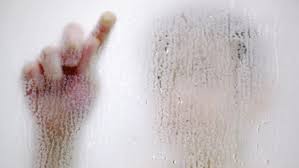
__________________________ is when gas cools and turns back into a liquid.
a)
Concentration
b)
Coordination
c)
Condition
d)
Condensation
29.

0 degrees Celcius or 32 degrees Fahrenheit is called the _________________ _______________________ of water.
a)
frozen tundra
b)
freezing point
c)
boiling point
d)
finger point
30.

In science, a combination of materials is called a _________________________________ when the materials do not change into anything else.
a)
mixture
b)
dissolvolution
c)
memory
d)
solubility
31.
An uncovered pot of soup is simmering on Mr. Arvizu's stove, and there are water droplets on the wall behind it. What sequence can you infer has occurred?
a)
vaporization, then condensation
b)
freezing, then thawing
c)
condensation, then vaporization
d)
Mr. Arvizu is a mess
32.
The change from liquid to solid, or the reverse of melting, is called:
a)
freezing
b)
condensation
c)
boiling
d)
sublimation
33.
During the process of sublimation,
a)
a solid turns directly into a gas
b)
a liquid turns to a gas
c)
a solid turns into a liquid
d)
a gas turns directly into a solid
34.
A shrinking puddle is an example of ___________, or vaporization that takes place only on the surface of a liquid.
a)
evaporation
b)
boiling
c)
freezing
d)
melting
35.
What happens when the particles in a liquid move so slowly that they begin to take on fixed positions?
a)
Condensation
b)
Vaporization
c)
Melting
d)
Freezing
36.
The characteristic temperature at which a pure solid changes to a liquid is its __________ point.
a)
melting
b)
boiling
c)
Schaffer
d)
pressure
37.
The boiling of water results in a physical change in matter from
a)
solid to liquid
b)
gas to solid
c)
solid to gas
d)
liquid to gas
38.
Snow turns to liquid water when it _____________?
a)
freezes
b)
melts
c)
condenses
d)
evaporates
39.

During the process of sublimation...
a)
a solid turns directly into a gas
b)
a liquid turns to a gas
c)
a solid turns into a liquid
d)
a gas turns directly into a solid
40.
The change from a gas to a liquid by cooling
a)
condensation
b)
evaporation
c)
sublimation
d)
deposition
41.
Change from Gas to Solid is called........
a)
Sublimation
b)
Deposition
c)
Fusion
d)
condensation
42.

What is a mixture?
a)
elements chemically combined
b)
a combination of different things
c)
it is found on the Periodic Table
d)
it is made of chemical
43.
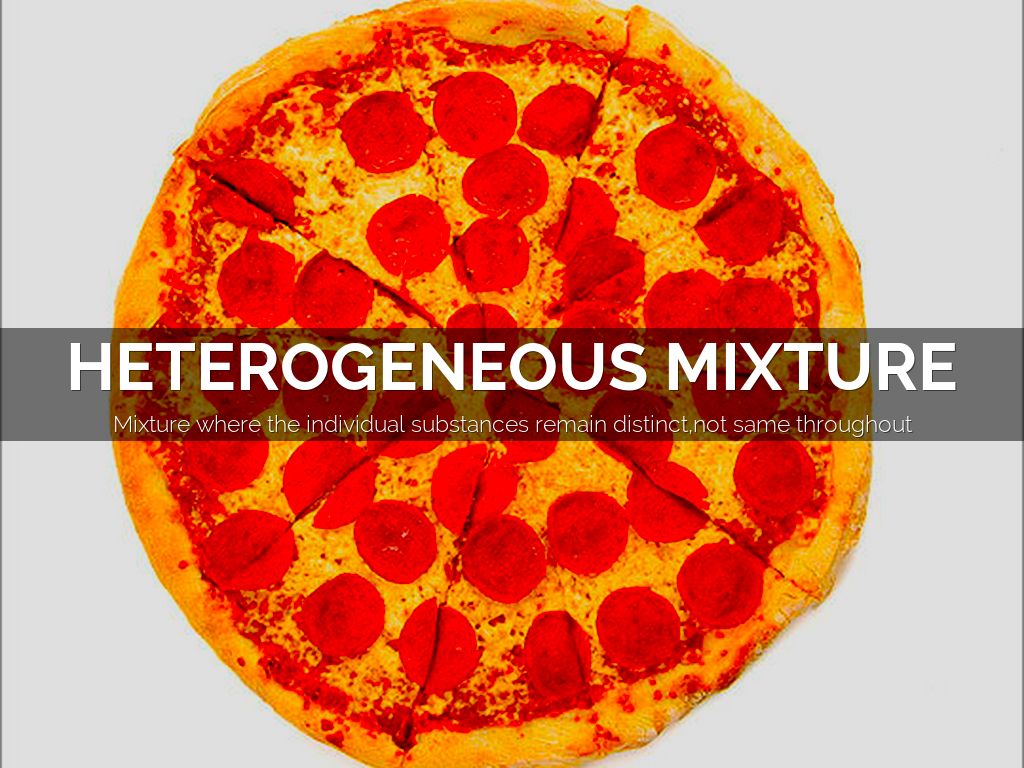
What does it mean if a mixture is heterogeneous?
a)
you can see the different parts
b)
cannot tell one part from another
c)
very well blended
d)
made of elements
44.

What does it mean if a mixture is homogeneous?
a)
you can see the different parts
b)
cannot tell one part from another
c)
chunks of particles
d)
made of elements
45.

Elements and compounds are always ___.
a)
pure
b)
mixed
46.

Two elements chemically combined defines
a)
A homogeneous mixture
b)
A heterogeneous mixture
c)
An element
d)
A compound
47.
What is not a type of mixture?
a)
Mechanical
b)
Solution
c)
Compound
48.
A cookie is an example of a(n)...
a)
Element
b)
Compound
c)
Mechanical mixture
d)
Solution
49.
Water is an example of a(n)...
a)
Element
b)
Compound
c)
Mechanical mixture
d)
Solution
50.
Barium is an example of a(n)...
a)
Element
b)
Compound
c)
Mechanical mixture
d)
Solution
51.
Vinegar water is an example of a(n)...
a)
Element
b)
Compound
c)
Mechanical mixture
d)
Solution
52.

What is a solution?
a)
A type of homogeneous mixture
b)
A type of heterogeneous mixture
c)
A type of suspension
d)
A type of colloid
53.

An alloy is:
a)
A heterogeneous mixture of a metal and nonmetal
b)
A heterogeneous mixture of two or more metals
c)
A homogeneous mixture of two or more nonmetals
d)
A homogeneous mixture of two metals or a metal and nonmetals
54.

What is a colloid?
a)
A special type of solution
b)
A homogeneous mixture of particles that can be seen distributed in a substance
c)
A heterogeneous mixture, in which the particles eventually settle out of a substance
d)
A heterogeneous mixture of very small particles (too small to be seen) distributed throughout another substance
55.

What type of mixture can you separate back into its original components?
a)
A solution
b)
A heterogeneous mixture
c)
A suspension
d)
All of the above
56.
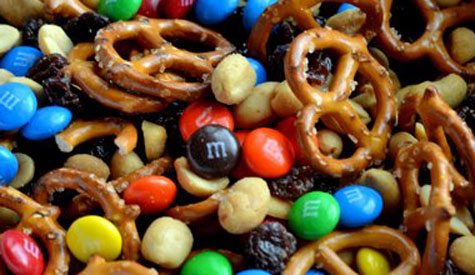
What type of mixture is this?
a)
solution
b)
chemical mixture
c)
mechanical mixture
d)
party mix
57.
Table salt is an example of a.....
a)
element
b)
compound
c)
solution
d)
mechanical mixture
58.
A gold bar is an example of a.....
a)
element
b)
compound
c)
solution
d)
mechanical mixture
59.

Kool-Aid is a/an
a)
solution
b)
Element
c)
mechanical mixture
d)
Kool 'lit' juice
60.
Matter that contains only one kind of particle
a)
Saturated
b)
Unsaturated
c)
Raw material
d)
Pure Substances
61.
Coded pictures from the workplace hazardous material information system
a)
Symbols
b)
WHSIM Symbol
c)
WHMIS Symbol
d)
WHIMS Symbol
62.
Milk is a
a)
solution
b)
suspension
c)
colloid
63.

Italian dressing is a
a)
solution
b)
suspension
c)
colloid
64.
What type of mixture separates upon standing?
a)
Solution
b)
Alloy
c)
Colloid
d)
Suspension
65.
Which are different types of mixtures
a)
suspension
b)
solution
c)
colloid
d)
all the above
66.
A mixture of one substance dissolved in another so that the properties are the same is what type of mixture?
a)
colloid
b)
alloy
c)
emulsion
d)
solution
67.
type of mixture that doesn't separate on its own but still contains undissolved particles
a)
solution
b)
colloid
c)
suspension
68.

Sugar water let's light pass through, and is a homogeneous mixture
a)
solution
b)
suspension
c)
colloid
69.

Sand floating in water, but most of the sand is settled at the bottom this an example of which type of mixture?
a)
A solution
b)
A colloid
c)
A suspension
d)
A compound
70.
Which is an example of a solution?
a)
Chex Mix
b)
Mixed fruit
c)
Juice
d)
milk and cereal
71.

Which of these is a heterogeneous mixture?
a)
Milk
b)
Juice
c)
Trail mix
d)
Smoothie
72.
Sugar water is a
a)
solution
b)
solute
c)
solvent
73.
A substance that contains only one type of atom is a(n)
a)
compound
b)
element
c)
heterogeneous mixture
d)
homogeneous mixture
74.
Fog is considered a
a)
solution
b)
suspensionice
c)
colloid
d)
pure substance
75.
Two classifications of a pure substance are
a)
homogeneous and heterogeneous
b)
atoms and elements
c)
elements and compounds
d)
solutions and colloids
76.
Un-pure Matter is also known as _____________.
a)
Mixtures
b)
Elements
c)
Compounds
d)
Substances
77.
Air is a _________.
a)
colloid
b)
solution
c)
suspension
d)
compound
78.
Hydrogen peroxide (H2O2) is a _____________.
a)
solution
b)
element
c)
compound
d)
colloid
79.
Hand soap is a ___________.
a)
solution
b)
colloid
c)
suspension
d)
element
80.
You can determine if something is a solution by ____________.
a)
being able to see through it
b)
seeing if it scatters light.
c)
looking at the chemical formula
d)
smelling it.
81.
Oil and water is a __________.
a)
suspension
b)
solution
c)
colloid
d)
good snack
82.
Neon is a/an ___________.
a)
element
b)
compound
c)
solution
d)
colloid
83.
Windex is a __________.
a)
colloid
b)
compound
c)
solution
d)
suspension
84.
Muddy water is a ___________.
a)
solution
b)
colloid
c)
suspension
d)
compound
85.

What safety symbol is this?
a)
Flammable
b)
Oxidizing Agent
c)
No Open Flame
d)
Explosion
86.

What safety Symbol is this?
a)
Flamable
b)
Oxidizing Agent
c)
No Open Flame
d)
Explosion
87.

The following symbol is for ...
a)
Biohazardous materials
b)
Compressed gas
c)
Oxidizing material
d)
Dangerously reactive material
88.

The following symbol is for ...
a)
oxidizing material
b)
flammable material
c)
materials causing other toxic effects
d)
corrosive material
89.

The following symbol would be found on household products that are poisonous.
a)
True
b)
False
90.

This HHPS symbol is used on _____________________ materials.
a)
flammable
b)
explosive
c)
poisonous
d)
corrosive
91.

The following WHMIS symbol is put onto ______________________ material.
a)
flammable
b)
dangerously reactive
c)
oxidizing
d)
poisonous
92.

The following WHMIS symbol represents ...
a)
corrosive material
b)
biohazardous infectious materal
c)
flammable & combustable material
d)
dangerously reactive material
93.

This symbol is used for poisonous & infectious material causing other toxic effects
a)
True
b)
False
94.

Follow all ________________ instructions and directions carefully.
a)
written
b)
verbal
c)
silly
d)
written and verbal
95.

Perform only ______________________
a)
safe experiments
b)
experiments authorized by your teacher
c)
if you are a good actor
d)
experiments that cause FIRE!!!
96.

Report any accident or injury to the teacher _______________, no matter how small it may appear
a)
at the end of the period
b)
immediately
c)
eventually
d)
after you get the situation under control
97.

A student sniffed some bleach to see if it had a strong smell.
a)
Safe
b)
Unsafe
98.

Which of the following should NOT be worn during a laboratory activity?
a)
loose clothing
b)
dangling jewelry
c)
sandals
d)
all of the above
99.
What does HHPS stand for?
a)
Hazardous, Housing, Product, Symbol
b)
Hazardous, Household, Product, Symbol
c)
Hairy, Hands, Probably, Smell
d)
Hazardous, Household, Purchase, Symbol
100.
What does WHMIS stand for?
a)
Workplace, Hazardous, Matter, Information, Sheet
b)
Working, Has, Many, Important, Systems
c)
Workplace, Hazardous, Materials, Information, Sheet
d)
Workplace, Hazardous, Material, Information, Systems
101.

Which shape means warning in HHPS?
a)
Diamond
b)
Triangle
c)
Octagon
d)
Hexagon
102.

In HHPS, which colour means caution?
a)
Red
b)
Orange
c)
Yellow
103.
You are heating a substance in a test tube. Always point the open end of the tube
a)
away from you
b)
towards someone else
c)
towards your teacher
d)
away from everyone
104.
Which shape means warning in HHPS?
a)
Diamond
b)
Triangle
c)
Octagon
d)
Hexagon
105.

Which of these is a WHMIS symbol from before 2015?
a)
Circle
b)
Triangle
c)
Diamond
d)
Hexagon
106.
In HHPS, which colour means caution?
a)
Red
b)
Orange
c)
Yellow
107.
In WHMIS what shapes are present?
a)
Octagon
b)
Diamond
c)
Triangle
d)
Hexagon
108.

Which symbol means 'causes less serious health effects or damages the ozone'?
a)
Top right
b)
Top left
c)
Bottom right
d)
Bottom left
109.

Which of these symbols means: Explosion or reactivity hazard?
a)
Top right
b)
Top left
c)
Bottom right
d)
Bottom left
110.

What does this symbol mean?
a)
danger
b)
warning
c)
caution
111.

What does this symbol mean?
a)
danger
b)
warning
c)
caution
112.

What does this symbol mean?
a)
danger
b)
warning
c)
caution
113.
Which is the only WHMIS symbol is still in a circle after 2015?
a)
Compressed gas
b)
Oxidizing hazard
c)
Corrosion
d)
Biohazardous infectious materials
114.

The following WHMIS symbol represents ...
a)
Serious health effects
b)
biohazardous infectious materal
c)
Other health effects
d)
dangerously reactive material
115.

The following WHMIS symbol represents ...
a)
Serious health effects
b)
biohazardous infectious materal
c)
Other health effects
d)
dangerously reactive material
116.
Which one of these is a chemical property?
a)
melting point
b)
boiling point
c)
color
d)
flammability
117.
Which of the following is not a chemical property?
a)
rusting
b)
boiling
c)
rotting
d)
burning
118.

What is reactability?
a)
the ability of a substance to undergo a chemical reaction, either by itself or with other materials
b)
the ability of a substance to undergo a physical change either by itself or with other materials
119.

Ability to rust is this type of property:
a)
Physical property
b)
Chemical property
120.
Which is an example of a physical property?
a)
ability to react with acid
b)
state of matter
c)
flammability
d)
ability to react with oxygen
121.
Which is NOT a physical property?
a)
odor
b)
reacts with acid
c)
ability to conduct electric current
d)
hardness
122.
Physical properties are
a)
properties that can be observed without changing the identity of the substance
b)
properties that describe how a substance changes into a completely different substance
123.
Which of the following is a chemical property?
a)
flexibility
b)
ability to tarnish
c)
temperature
d)
texture
124.
Which of the following is a physical property?
a)
melting point
b)
flammability
c)
ability to rust
125.
Which of the following is a chemical property of water?
a)
Reacts with pure sodium
b)
Boils at 100 oC
c)
Is liquid at room temperature
d)
Has a density of 1 gm/mL
126.
Which type of property is the ability to conduct electricity?
a)
physical property
b)
chemical property
127.
Which of the following properties is a physical property?
a)
magnetism
b)
reaction
c)
flammability
d)
combustion
128.
What is anything that has mass and takes up space?
a)
matter
b)
substance
c)
chemistry
d)
property
129.
An object that allows heat or electricity to pass through easily is a
a)
Insulator
b)
Conductor
130.
What is the boiling point of water?
a)
0 degrees celcius
b)
32 degrees celcius
c)
100 degrees celcius
d)
I have no idea.
131.
When paper is folded to make an origami bookmark, what physical property of the paper changes?
a)
mass
b)
weight
c)
shape
d)
smell
132.
ability for a solid to be hammered without shattering
a)
Density
b)
Conductivity
c)
Malleability
d)
Viscosity
133.
ability to allow heat to flow
a)
Viscosity
b)
Conductivity
c)
Density
d)
Melting/Boiling Point
134.
_____ - describes the ability of a substance to reflect light.
a)
Ductility
b)
Luster
c)
Malleability
d)
Conductivity
135.
_____ - how well it allows electricity to move through.
a)
Ductility
b)
Luster
c)
Malleability
d)
Conductivity
136.
____ - is the ability of a substance to be hammered or rolled into sheets
a)
Ductility
b)
Luster
c)
Malleability
d)
Conductivity
137.
_____ - is the ability of a substance to be pulled into thin wires.
a)
Ductility
b)
Solubility
c)
Malleability
d)
Conductivity
100 %

