Wayground logo

Free Printable Worksheets

Font size

S
M
L
XL
Worksheets

Ecosystems - interactions in the Environment

Total questions: 34

Worksheet time: 33mins

Name
Class
Date
1.
Cattle egrets forage (feed) in fields among cattle. The egret gets easy access to flying insects stirred up by the cattle, and the cattle don't care if they are there or not.
a)
mutualism
b)
commensalism
c)
competition
d)
parasitism
2.
A relationship between two organisms in which one organism benefits and the other is unharmed...
a)
Mutualism 
b)
Competition
c)
Parasitsm 
d)
Commensalism 
3.
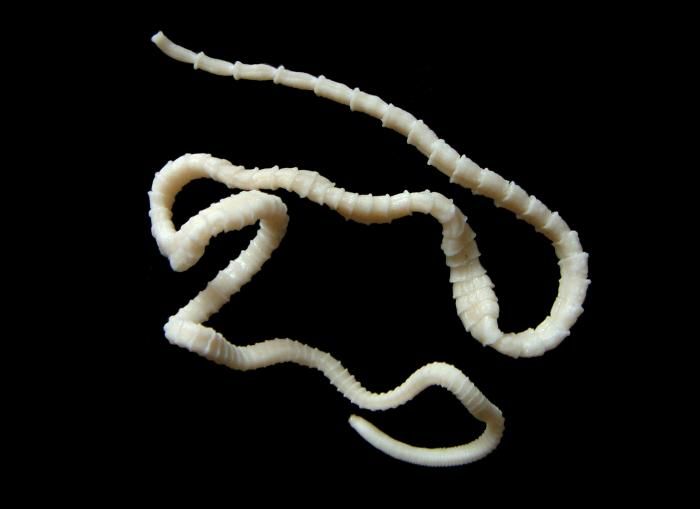
A tapeworm and a cat have this type of relationship.
a)
mutualism
b)
parasitism
c)
commensalism
d)
competition
4.
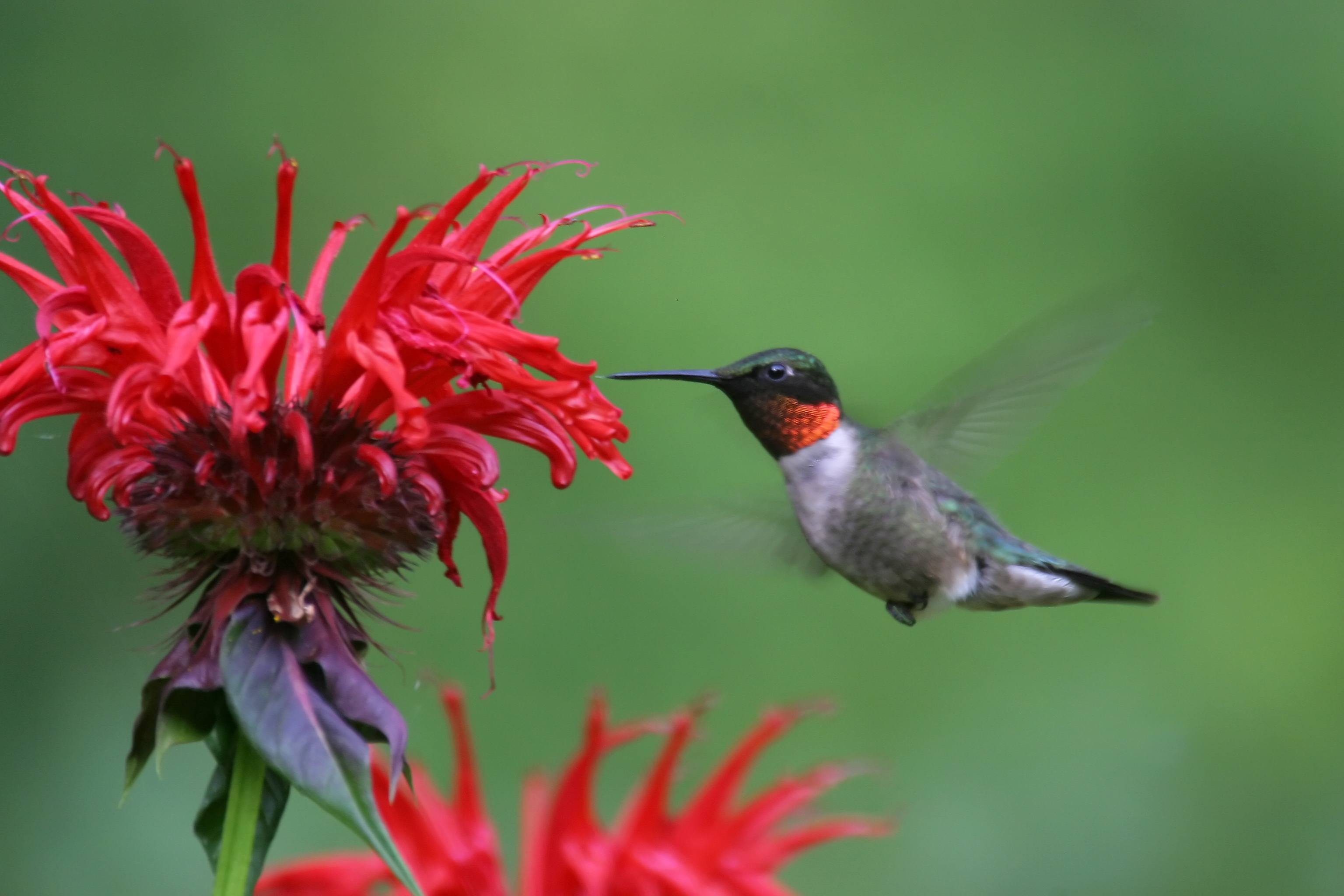
What type of symbiosis?  Hummingbirds feed on nectar from flowers.  The flowers are pollinated by hummingbirds as they move from flower to flower.
a)
commensalism
b)
mutualism
c)
parasitism
d)
predation
5.
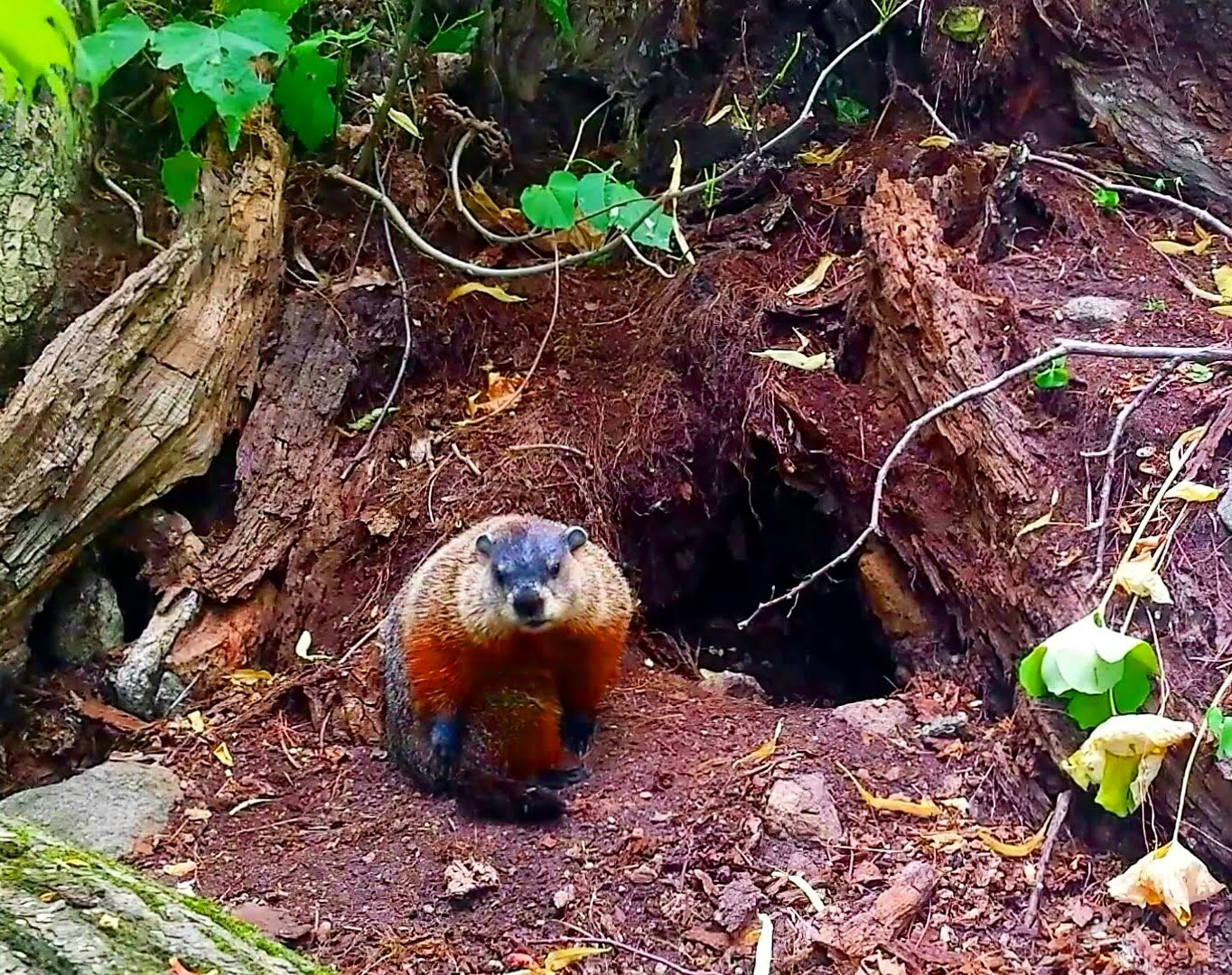
What type of symbiosis?  Skunks often live in burrows that have been dug and abandoned by woodchucks.  
a)
commensalism
b)
mutualism
c)
parasitism
d)
predation
6.
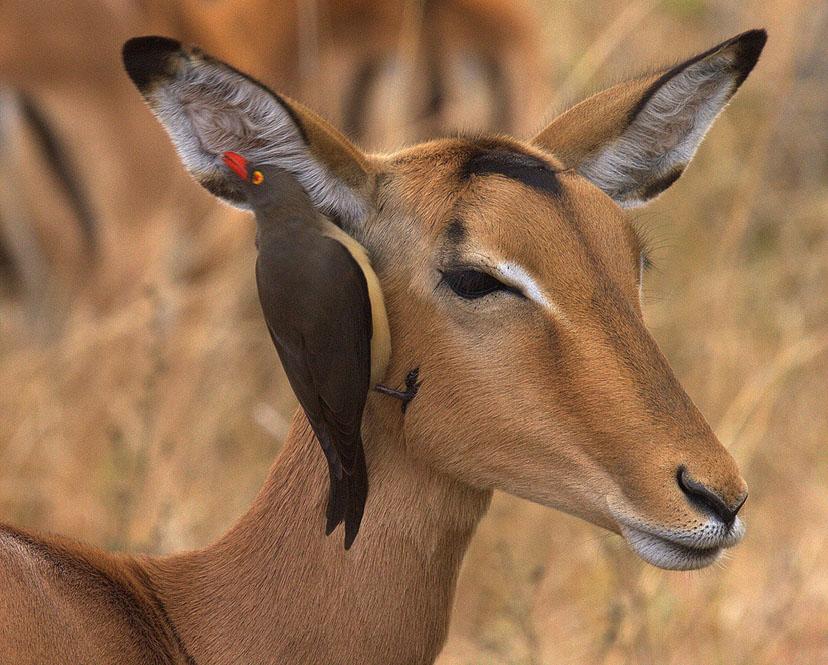
Red-billed oxpeckers are birds that often feed on parasites that infest impala.  This is an example of _______.
a)
commensalism
b)
mutualism
c)
neutralism
d)
competition
7.
A relationship between two organisms in which both organisms benefit. 
a)
Mutualism 
b)
Competition
c)
Parasitsm 
d)
Commensalism 
8.
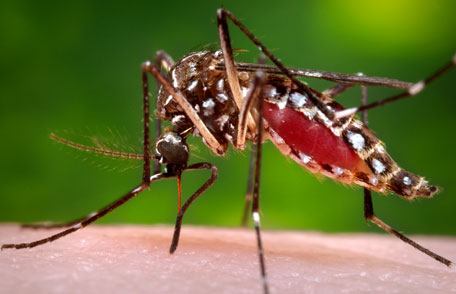
When a mosquito bites you, you are the __________ and the mosquito is the  ____________.
a)
host, hostess
b)
parasite, host
c)
host, parasite
d)
prey, predator
9.

Aphids are tiny insects that live on and eat the leaves of plants, removing vital nutrients from the plants.

a)

Predation

b)

Parasitism

c)

Commensalism

d)

Mutualism

10.
If the population of grizzly bears gradually increases over time, which of the following will most likely occur? 
a)
The number of prey species will decrease.
b)
The size of the bear population will continue to increase. 
c)
The bear population in that area will eventually die out. 
d)
The number of prey species will increase. 
11.
A frog eats a fly. The frog and fly are demonstrating ________.
a)
mutualism
b)
competition
c)
predator/prey
d)
parasitism
12.
All of the living AND non-living things in an particular area is called a(n):
a)
ecosystem
b)
house
c)
community
d)
mountain
13.
Temperature, light, air, water, and soil are all  _____  parts of the environment
a)
alive
b)
biotic 
c)
abiotic
d)
living
14.
What is an example of a biotic factor?
a)
skunk
b)
rocks
c)
soil
d)
water
15.
What is a example of a abiotic factor?
a)
Panda
b)
Turtle
c)
Butterfly
d)
weather
16.
Which term best describes two predators living in the same habitat who feed on the same prey?
a)
coexistence
b)
competition
c)
mutualism
17.
A pride of lions stalks, tackles, and kills an antelope. Which is best being demonstrated?
a)
predation
b)
mutualism
c)
cooperation
18.
When 2 or more individuals or populations try to use the same resource such as food, water, shelter or sunlight. 
a)
Coexistence
b)
Competition
c)
Cooperation
d)
Carrying Capacity
19.
A __________ includes all living and non-living things in an environment. 
a)
population
b)
niche
c)
abitotic
d)
ecosystem
20.
Field mice eat corn. Which would most likely happen if the field mouse population grew?
a)
There would be more corn to feed the field mice.
b)
There would be less corn due to the mice eating it.
c)
The habitat would get overpopulated because the mice woudl eat too much.
21.
If the population of prey increases, the population of predators will ________because of the availability of food.
a)
decrease
b)
stay the same
c)
increase
22.
What is an example of a biotic factor?
a)
skunk
b)
rocks
c)
soil
d)
water
23.

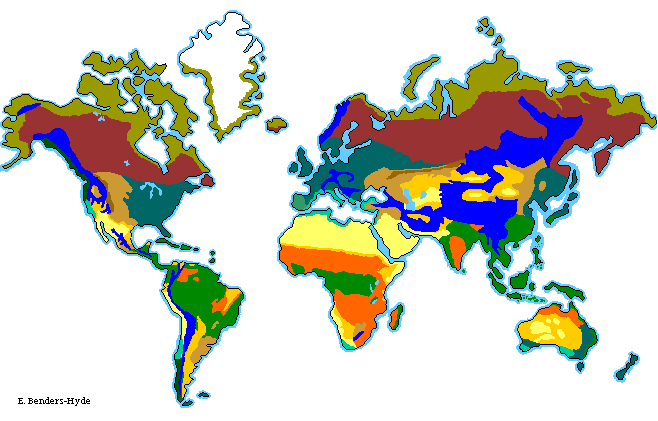
Regions of the world with similar climate (weather, temperature) animals and plants.

a)

Ecosystem

b)

Habitat

c)

Biome

d)

Niche

24.

The part of Earth where life exists.

a)

Biosphere

b)

Biome

c)

Abiotic

d)

Ecoregion

25.

A large region characterized by a specific type of climate and certain types of plant and animal communities.

a)

Biome

b)

Ecosystem

c)

Ecoregion

d)

Microhabitat

26.

Predator population lags behind prey population because:

a)

Increase in predators leads to decrease in prey

b)

Increase in predators leads to increase in prey

c)

Increase in predators leads to decrease in producers

27.
What is the carrying capacity of the following graph?
a)
1000
b)
8000
c)
800
d)
600
28.

The role or function of an organism or species in an ecosystem, interrelationship of a species with all of the biotic and abiotic factors affecting.

a)

population

b)

ecosystem

c)

niche

d)

biology

29.
_________________ is the term to describe all the members of one species living in a particular area.
a)
Community
b)
Pod
c)
Population
d)
Gaggle
30.
__________________ are all the different populations that live together in an area.
a)
Herd
b)
School
c)
Population
d)
Community
31.

Over a long period of time species can evolve together known as

a)

Symbiosis

b)

Coevolution

c)

Parasitism

d)

Mutualism

32.
Environmental factors that keep a population from increasing. 
a)
Carrying Capacity
b)
Limiting Factors
33.
Which is NOT an example of a limiting factor.
a)
Climate
b)
Available Food & Water
c)
Available Space & Shelter
d)
Species color
34.
What happens when an environment reaches its carrying capacity?
a)
Populations will decrease
b)
Resources such as food, water, and space will be unlimited
c)
Populations will increase
d)
Nothing, everything will stay the same.