wayground logo

Free Printable Worksheets

NEW

Font size

S
M
L
XL
Worksheets

Science DA Review Quizizz 1

Total questions: 59

Worksheet time: 43mins

Name
Class
Date
1.
The basic unit of structure and function in all living things.
a)
chloroplast
b)
nucleus
c)
cell
d)
cell membrane
2.
This thin layer protects the cell and regulates what substances enter and leave the cell.
a)
cell membrane
b)
cell
c)
cell wall
d)
golgi body
3.
In a plant cell, a stiff wall surrounds the membrane, giving the cell a rigid, boxlike shape.
a)
cell membrane
b)
cell
c)
ribosome
d)
cell wall
4.
These organelles capture energy from sunlight and use it to produce food for the cell.
a)
cell membrane
b)
chloroplasts
c)
cell wall
d)
ribosomes
5.
A gel-like fluid in which many different organelles are found.
a)
cell membrane
b)
nucleus
c)
organelle
d)
cytoplasm
6.
Directs all the cell's activities.
a)
mitochondria
b)
chloroplasts
c)
vacuole
d)
nucleus
7.
A tiny cell structure that carries out a specific function within a cell.
a)
organelle
b)
cell
c)
nucleus
d)
ribosomes
8.
What organelle controls the cell or is like "the brain" of the cell?  
a)
Lysosome
b)
Nucleus
c)
Nucleolus
d)
Chromosomes
9.
Plants perform photosynthesis through this organelle.  It captures energy from the sun and uses it to produce food for the cell.
a)
Chlorophyll
b)
Chloroplasts
c)
Mitochondria
d)
Golgi Apparatus
10.
This cell part is in ALL cells. It is the gel-like substance that provides cell shape.
a)
Chloroplasts
b)
Chromosomes
c)
Cytoplasm
d)
Mitochondria
11.
This structure is in plant cells but not animal cells. It is outside of the cell membrane and adds more support/structure/rigidity to the plant.
a)
Cell membrane
b)
Cell Nucleus
c)
Cell Wall
d)
Endoplasmic Reticulum
12.
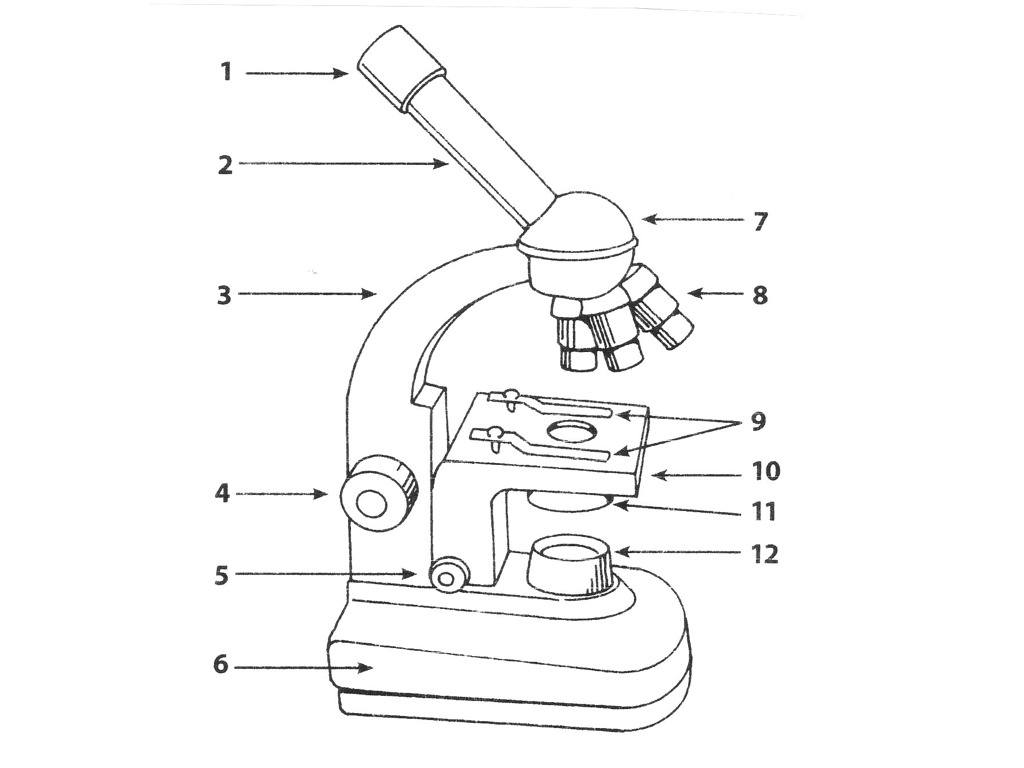
What tool do you use to view cells?
a)
metric ruler
b)
magnifying glass
c)
microscope
d)
petri dish
13.
This type of cell needs a cell wall and chloroplasts
a)
Plant cell
b)
Animal Cell
c)
Bacteria
14.
This organelle is in both plants and animals.   It controls what goes in and out of a cell.
a)
cell wall
b)
cell membrane
c)
cell organelles
d)
mitochondria
15.
Label A
a)
Cell wall
b)
cytoplasm
c)
nucleus
d)
cell membrane
16.
Label C
a)
Chloroplast
b)
Cytoplasm
c)
Vacoule
d)
Cell membrane
17.
Label C
a)
Cell membrane
b)
Nucleus
c)
Cell wall 
d)
Cytoplasm
18.
What is found in both plant and animal cells but is much larger in plant cells?
a)
Nucleus
b)
Mitochondria
c)
Chloroplast
d)
Vacuole
19.
Every living organism is made up of one or more cells
a)
True
b)
False
20.

When Juaquene was comparing his plant cell diagram with the animal cell diagram, he noticed that the vacuole was larger in the plant cell than in the animal cell. What is the reason for this difference?

a)

The animal cell is smaller because it does need to store as much materials.

b)

All plants need more materials than animal cells.

c)

The plant cells are smaller because it is able to get and store materials easier than the animal cell.

d)

Both the plant and animal cells vacuoles are the same size.

21.

Gloria was comparing cells under the microscope. She noticed that one cell had a very rigid outer covering. When she changed slides, she noticed that the other cell did not. What type of cell was she looking at?

a)

First slide was an animal cell, second slide was a plant cell.

b)

Both cells were animal cells.

c)

Both cells were plant cells.

d)

First slide was a plant cell, second slide was an animal cell.

22.
Scientists classify animals by their...
a)
Color
b)
Size
c)
Characteristics
d)
Sound
23.
Animals that have backbones are...
a)
Vertebrates
b)
Invertebrates
c)
Mollusk
d)
Lobster
24.
What characteristic did scientist chose to group shrimp, with the fish and the shark?
a)
how it obtains oxygen
b)
how it digests food
c)
how it supports itself
d)
how it obtains food
25.
How are a fish and an amphibian alike?
a)
They grow legs when they get older
b)
Their body temperature changes with the surroundings
c)
They have fins to keep them upright in the water
26.
How do scientists classify animals into two large groups?
a)
By what they eat
b)
How they move about
c)
Whether they have a backbone
27.
Classify the following organism that Nick discovered: 
1. does not have lungs
2. lays eggs
3. lives only in water
4. has scales 
a)
mammal
b)
fish
c)
amphibian
d)
bird
28.
How would you classify the following organism?
1. They breathe with lungs
2. Their babies hatch from eggs
3. They are cold blooded
4. They have dry and tough skin
a)
fish
b)
reptile
c)
amphibian
d)
bird
29.
Which doesn't belong? 
a)
snake 
b)
turtle 
c)
crocodile 
d)
frog
30.

Which doesn't belong?

a)

jellyfish

b)

starfish

c)

crab

d)

dolphin

31.

Which does not belong?

a)

bat

b)

hawk

c)

eagle

d)

owl

32.

Which animal groups hatch from eggs?

a)

Only Birds

b)

Birds, Reptiles, Amphibians, and Fish

c)

Mammals and Reptiles

33.
Which of the following animals are fish?
a)
shark and salamander
b)
penguin and chicken
c)
putterfish and sharks
d)
clown fish and dophin
34.
Which of the following animals are mammals?
a)
dolphin, elephant
b)
clown fish, turtle
c)
turtle, frog
d)
frog,salamander
35.
Which of the following animals are reptiles?
a)
snake, putterfish, shark
b)
frog, cat, salamander
c)
snake, alligator, turtle
d)
shark, snake, frog
36.
Which of the following animals are mammals?
a)
dogs, cats, birds
b)
duck, bat, bull
c)
dogs, bears, bats
d)
lizard, snake, cat
37.
Which group of vascular plants do NOT make seeds?
a)
Coniferous trees
b)
Ferns
c)
Pines
d)
Flowering Plants
38.
How do nutrients move through nonvascular plants?
a)
Along stems
b)
From cell to cell
c)
Through leaves
d)
Through roots
39.
Why do nonvascular plants grow close to the ground?
a)
to get less sunlight
b)
for protection
c)
for space
d)
to absorb water
40.
In which two groups does moss belong?
a)
nonvascular and seed-producing
b)
nonvascular and spore-producing
c)
vascular and spore-producing
d)
vascular and seed-producing
41.
Which of these is a way in which scientists classify plants?
a)
by whether they have a cell wall
b)
by how they get their energy
c)
by whether they have a nucleus
d)
by how they reproduce
42.

A plant having tissue made up of tubes that transport food and water through the plant

a)

vascular plant

b)

nonvascular plant

c)

moss

43.

A vascular plant that produces seeds on the scales of female cones

a)

Angiosperm

b)

Gymnosperm

c)

Monocot

d)

Dicot

44.

A flower-producing vascular plant in which the seed is enclosed in a fruit.

a)

Angiosperm

b)

Gymnosperm

c)

Conifer

d)

Fern

45.
Mosses, liverworts, and hornworts are ___ plants.
a)
nonvascular
b)
vascular
46.
Some of the world's tallest plants are:
a)
vascular
b)
nonvascular
47.
A seed can move by wind, water, and ________.
a)
clouds
b)
singing
c)
cars
d)
animals
48.
Which is a NOT a characteristic that all plants have in common?
a)
All plants have tissues and organs.
b)
All plants have cell walls and chloroplasts.
c)
All plants are vascular.
d)
All plants make their own food.
49.
Why is a fern a vascular plant?
a)
It has tubes inside its stems.
b)
It has no tubes inside its leaves and stems.
c)
It grows from spores.
d)
It grows from seed.
50.
Which group of plants absorb water like a sponge?
a)
vascular 
b)
nonvascular
51.
Seedless plants reproduce by
a)
spores
b)
seeds
c)
binary fission
d)
mitosis
52.
Does this plant produce seeds or spores?
a)
Spores
b)
seeds
53.
One way that mosses and ferns are similar is they both
a)
are flowering plants
b)
produce spores
c)
grow with little rainfall
d)
are vascular plants
54.

What does the word classify mean?

a)

Classmates

b)

Group together

c)

To make more of itself

d)

A plant part

55.
Which group do flowering plants belong to?
a)
ferns
b)
mosses
c)
seed plants
d)
coniferous plants
56.
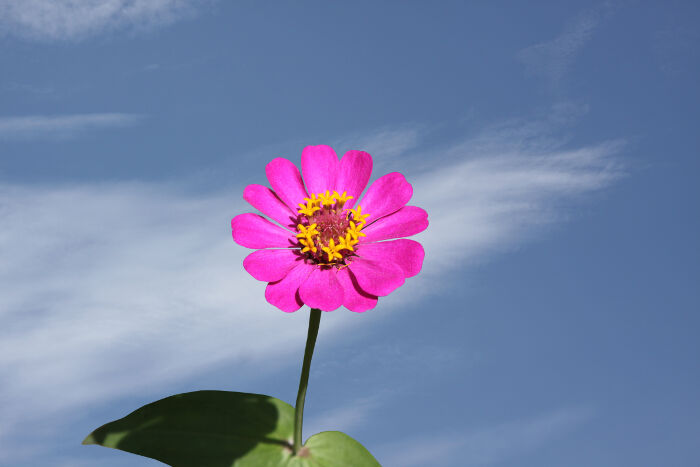
Why is the plant in the picture a vascular plant?
a)
it can absorb light from the sun
b)
it has a stem that can carry water and nutrients
c)
it has more than one cell
d)
it can make it's own foo
57.

A student wants to classify plants around his school based on how the plants reproduce. Which plant parts should the student use to sort the plants?

a)

spores and seeds

b)

roots and leaves

c)

leaves and stems

d)

needles and flowers

58.
An object is ___ if it is too small to see with the naked eye.
a)
microscopic
b)
stereoscopic
c)
microscope
59.
A microscope is an instrument that.
a)
makes faraway objects look closer.
b)
makes small objects appear larger.
c)
decreases the size of small objects.
d)
increases the size of small objects.