
 Worksheets
Space
Total questions: 58
Worksheet time: 40mins
the sun is our only star in our solar system
true
false
A resource is considered renewable if it -
can be created only over millions of years
is made of Earths’ materials like rocks and minerals
can be replaced in a relatively short amount of time
is useful to humans in making energy and materials
Why is water classified as a renewable rather than a nonrenewable resource? Water is classified as renewable because it -
is constantly replaced
is important to all life
can be frozen into ice
evaporates into the air
A resource that cannot be replaced in a human lifetime
renewable
nonrenewable
conservation
resource


True or False: It is possible to make more nonrenewable resources in our lifetime.
True
False
Which of the following is a renewable resource?
Solar power
Wood from trees
Oil used for gasoline
Coal that powers a factory

The arrow is pointing to which planet?
Mercury
Saturn
Mars
Neptune
how many universes is there?
none
many
1
2
how many galaxies are there?
none
2
1
many

The arrow is pointing to which planet?
Earth
Jupiter
Uranus
Mercury

The arrow is pointing to which planet?
Earth
Mars
Jupiter
Saturn

The arrow is pointing to which planet?
Mercury
Venus
Mars
Neptune

The arrow is pointing to which planet?
Earth
Mars
Saturn
Uranus
How many planets are in our solar system - NOT including dwarf planets.
10
9
8
99
what are the outer planets
mercury, venus, earth and mars
jupiter, saturn, uranus and neptune

The arrow is pointing to which planet?
Mercury
Venus
Mars
Neptune


The arrow is pointing to which planet?
Mars
Jupiter
Mercury
Neptune
Starting with the sun, name the inner planets in order.
Mercury, Earth, Venus, Mars
Mars, Mercury, Venus, Earth
Mercury, Mars, Venus, Earth
Mercury, Venus, Earth, Mars
Which of the following statements best describes the characteristics of the terrestrial planets?
small, dense, rocky surfaces
large, planetary rings; many moons
rocky cores; close to sun; surface craters
made up of hydrogen and helium; small; close to sun
Which planets are known as the "Gas Giants" and "Ice Giants"?
Inner Planets
Outer Planets
Earth and Mars
Sun
What is the correct order of the planets?
Mars, Venus, Earth, Mercury, Jupiter, Saturn, Uranus, Neptune
Mercury, Venus, Earth, Jupiter, Saturn, Uranus, Neptune
Mercury, Venus, Earth, Mars, Jupiter, Saturn, Uranus, Neptune
Mercury, Venus, Earth, Mars, Jupiter, Saturn, Uranus, Neptune, Pluto

The arrow is pointing to which planet?
Venus
Earth
Jupiter
Uranus
What is a gas giant?
A gas giant is the group of INNER planets.
A gas giant is the group of OUTER planets.
What is Pluto?
A Terrestrial Planet
A Gas Giant
A Dwarf Planet
Mickey Mouse's dog
what is the main difference between comets and asteroids?
comets are gas, asteroids are rock
comets are ice, asteroids are rock
comets are rock, asteroids are ice
comets and asteroids are made of gas
the moon effects the Earths
grass
energy
mountains
tides
the moon orbits around the Earth and the Earth orbits around the sun
true
false

True or False: The moon produces its own light.
True
False
How many days does it take the moon to orbit the Earth?
28 days
21 days
365 days
24 days

Name the phases
waxing crescent
Waning crescent
waxing quarter
waxing gibbous

Name the phase
waning crescent
waning quarter
waning gibbous
new moon

name the phase
waning gibbous
waning quarter
waning crescent
waxing crescent

name the phase
waning gibous
waxing quarter
waning quarter
waxing gibbous

name the phase
waxing gibbous
waning gibbous
new moon
full moon

name the phase
full moon
waxing crescent
waning crescent
new moon

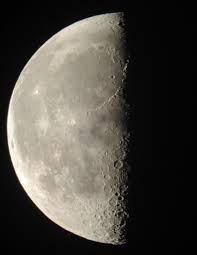
When the light is on the left side of the moon it is...
Waxing
Waning
how many/lunar moon phases are there?
5
7
8
6
How does the moon shine?
it reflects light from the earth
it produces its own light
it reflects sunlight from the sun
what happens during a new moon?
the moon is in-between the sun and earth
the moon is behind the earth and behind the sun
the moon is behind the sun not
there is no new moons

