
 Worksheets
5.7B Review
Total questions: 61
Worksheet time: 57mins

The sediment building up and cutting off the river is an example of--
erosion
weathering
deposition
lava flow
All of the following are examples of slow changes to the Earth's surface from wind, water, or ice EXCEPT--
A valley is created by a moving glacier.
A canyon is created by a moving river.
A cave forms from limestone.
A hurricane floods the land.

Which process most likely continues to make the Grand Canyon wider and deeper?
The flowing river erodes away rock and soil.
A glacier scrapes away the sides of the rock.
Large waves crash into the sides of the rock and erodes them away.
Sediment is being deposited by the river.

Which natural force is responsible for the formation of a sea cave?
Glaciers erode the rock away at the shoreline.
Pounding waves erode the rock away at the shoreline.
Volcanic eruptions erode the rock away at the shoreline.
Strong winds during a hurricane erode the rock away at the shoreline.

Which drawing below could most likely be the result of the same landform after many years have passed?


Which of the following landforms is formed by the action of deposition?
sink hole
cave
delta
valley



What is this large, slow moving landform called?
valley
mountain
hill
glacier

What land form is this?
Mountain
isthmus
Canyon
Which of the following landforms is the result of a river carving out land by erosion?
canyon
sand dune
delta
mountain

The picture below shows a u-shaped valley. What most likely was the cause of this forming?
glaciers
canyon
sand dune
earthquakes

This photograph shows a fence between a sand dune and a road.
What is most likely the main reason this fence was built?
To stop sand from sliding or blowing onto the road and covering it up
To prevent a delta from forming at the bottom of the dune
To keep water off the road
To prevent marine animals from nesting on the dune

The Mississippi River delta was created mainly due to--
weathering and erosion
erosion and deposition
glaciers depositing sediment
sand dunes being eroded by wind

fast-moving rivers
weathering
volcanic activity
strong winds
Rain and running water can wash away soil. From which area is soil most likely to be washed away?
A hill with weeds and flowers
Fresh soil in a flowerbed
Soil beneath a tree
dirt formed during road construction

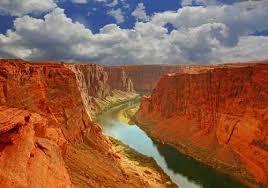
Which of these was the major reason that this canyon was formed?
Wind
Underground hot springs
Water
Ice

These sand dunes (known as "barchans") were MOST LIKELY formed by winds blowing in which general direction?
North
South
East
West
A class started to dig out boxes for a garden. A large pile of dirt was formed after digging it out. They didn’t have enough time to finish so they covered the pile with a tarp. Why would they cover it?
The dirt would dry out and become hard to handle when they were ready to fill the hole.
Rain and wind will cause the pile of dirt to erode, creating a mess on the playground.
The tarp will prevent insects, such as earthworms, from infesting the soil.
The thickness of the tarp will keep weeds from taking root
Which type of landform most likely results from the movement of a glacier?
A sharp V shaped valley
A wide and deep canyon
A curved path like a river
A curved U shaped valley

Great amounts of force were applied to a large rock causing it to crack. The forces that caused the crack in the rock formation were most likely caused by
ocean waves weathering the rock
water freezing and thawing in the rock
a glacier passing over the rock
wind creating a tunnel through the rock

Where does canyon belong on the diagram?
Only in the “Changes from Water” circle
Only in the “Changes from Wind” circle
Inside both the “Changes from Water” and “Changes from Wind” circles
Outside of both the “Changes from Water” and “Changes from Wind” circles
A student wants to create a model that shows how sand dunes are formed. First, she places sand in an aluminum pan. What’s her next step?
Pour a cup of water in the pan
Shake the pan back and forth
Use a fan to blow the sand
Place ice in the pan
What would cause a U-shaped valley in a canyon?
Wind erosion
Slow moving glacier
Rain water
Ocean waves
Moving water will most likely create which of the following types of landforms?
Mesa
Plateau
Canyon
Steep peak

How did the delta at the end of the Rio Grande form?
Sand and mud from the Gulf of Mexico were washed ashore by tsunamis
The river cut through the solid bedrock of the valley.
Hurricanes pushed soil and debris from the Gulf of Mexico onto the land.
The river deposited large amounts of sediment from land erosion.

What is this landform?
delta
canyon
valley
sand dune
When waves drop sand on the beach, it is...
Weathering
Erosion
Deposition



f
g
h
j

a
b
c
d



