wayground logo

Free Printable Worksheets

Font size

S
M
L
XL
Worksheets

Science 8 Unit A Section 2.0 Review

Total questions: 103

Worksheet time: 1hrs 25mins

Name
Class
Date
1.
What is a mixture?
a)
elements chemically combined
b)
a combination of different things
c)
it is found on the Periodic Table 
d)
it is made of chemical
2.
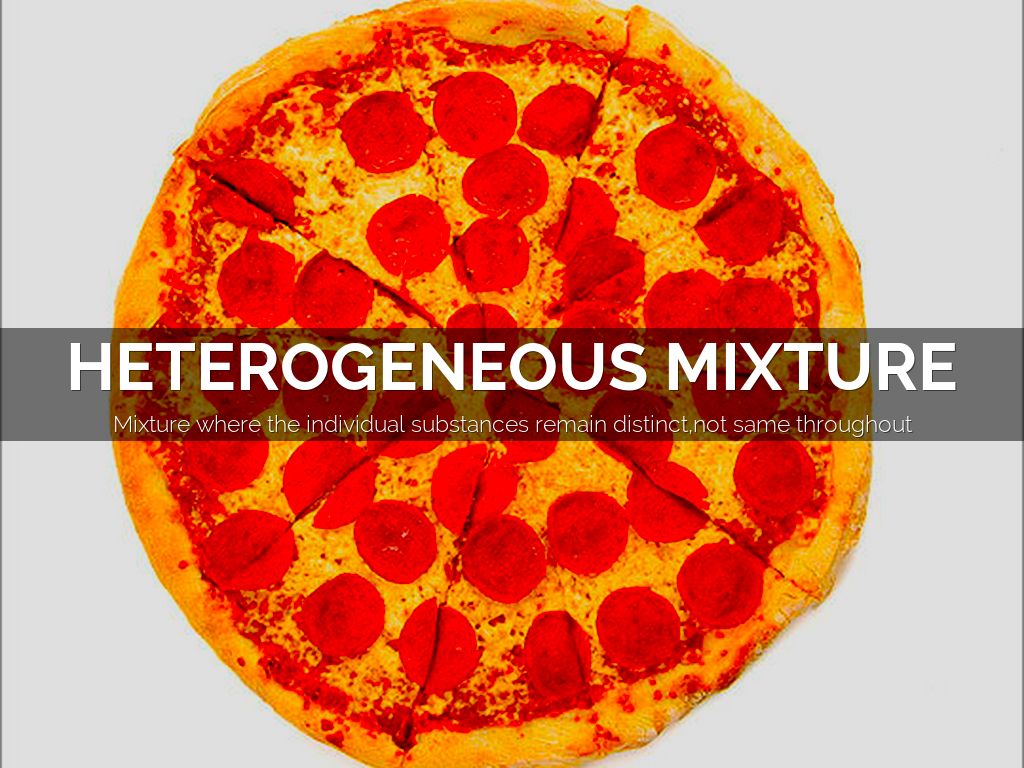
What does it mean if a mixture is heterogeneous?
a)
you can see the different parts
b)
cannot tell one part from another
c)
very well blended
d)
made of elements
3.
What does it mean if a mixture is homogeneous?
a)
you can see the different parts
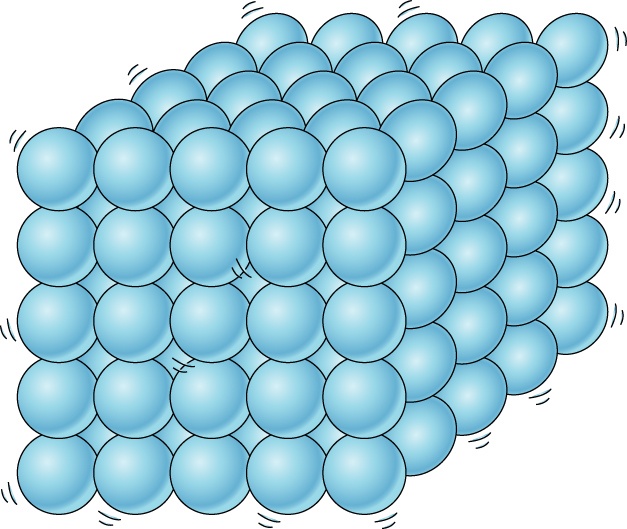
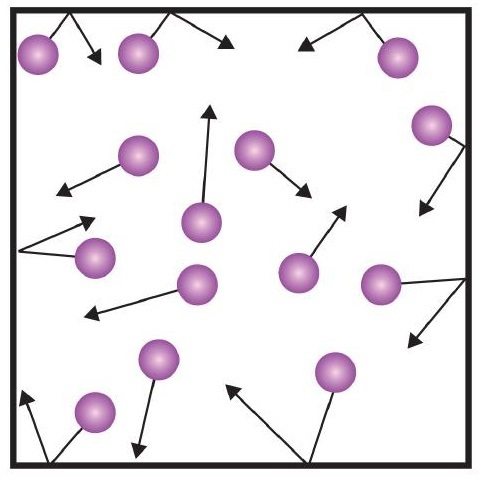
b)
cannot tell one part from another
c)
chunks of particles
d)
made of elements
4.
To separate trail mix what method should you use?
a)
filtration 
b)
sorting
c)
magnet
d)
boiling
5.
To separate the sugar and lemonade what method should you use?
a)
filtration 
b)
sorting
c)
magnet
d)
boiling
6.
What is the measure of how much a substance dissolves in a given volume?
a)
atom
b)
element
c)
solububble
d)
solubility 
7.
Elements and compounds are always ___.
a)
pure
b)
mixed
8.
Which list is made of mixtures?
a)
soil, water, soup
b)
carbon dioxide, soil, soup
c)
salt, water, air
d)
atoms, cereal, pizza
9.
What happens when you mix dirt and water?
a)
The dirt will float on top of the water.
b)
The dirt will settle to the bottom.
c)
The dirt will dissolve.
d)
The water will begin to bubble.
10.

What is a mixture in which all the parts are EVENLY mixed?

a)

energy

b)

beaker

c)

solution

d)

salad

11.

Which of the following is a solution?

a)

geletin with blueberries

b)

granola

c)

juice

d)

salad

12.

Which of the following is a solution?

a)

lemonade

b)

trail mix

c)

legos

d)

iron filings and sand

13.

A handful of soil is an example of a _________________?

a)

mixture

b)

solution

c)

energy

d)

a science tool

14.
What is salad?
a)
element
b)
compound
c)
mixture
15.
Can a mixture be separated? 
a)
No
b)
Yes
c)
Only sometimes
16.
What is a solute?
a)
The substance that does the dissolving in a solution.
b)
The substance that is dissolved into the solution.
c)
The mixing of different substances.
d)
The process in which neutral molecules lose or gain electrons
17.
What is a solvent?
a)
The substance that does the dissolving in a solution.
b)
The substance that is being dissolved in a solution.
c)
The mixing of different substances.
d)
The process in which neutral molecules lose or gain electrons
18.
Which is an example of a solute?
a)
Egg whites
b)
Sugar
c)
Water
d)
Acetone
19.
__________ are made up of solutes and solvents.
a)
Solutions
b)
Suspension
c)
Colloid
20.
Solubility is
a)
the ability of a substance to dissolve
b)
the ability of a substance to melt
c)
the ability of a substance to freeze
d)
the ability of a substance to evaporate
21.
Matter that contains only one kind of particle 
a)
Saturated
b)
Unsaturated
c)
Raw material 
d)
Pure Substances
22.
A substance that does not dissolve in a solvent 
a)
Manufactured products
b)
Insoluble
c)
Soluble
d)
Diluted
23.

A solution that can dissolve more solute

a)

WHMIS symbols

b)

Saturated

c)

Solution

d)

Unsaturated

24.
The concentration of a mixture can be increased in which of the following ways?
a)
Heating the mixture
b)
Adding more water “solvent”
c)
Adding more powder “solute”
d)
Stirring the mixture
25.
In the above picture, a powder is about to be poured into the liquid. Which of the following should be done to make this powder dissolve faster?

a)
stir the powder in the liquid
b)
freeze the mixture
c)
add more powder to the liquid
d)
store the mixture in a dark place
26.
salt water is a 
a)
compound
b)
element
c)
heterogeneous mixture
d)
solution
27.
An unsaturated solution is one that....
a)
contains the maximum amount of dissolved solute.
b)
contains less solute than a saturated solution.
c)
contains more solute than a saturated solution.
d)
is the amount of a substance required to form a saturated solution.
28.
An increase in the rate of dissolving is caused by a decrease in the
a)
temperature 
b)
particle size 
c)
amount of stirring 
d)
surface area
29.
Milk
a)
Heterogeneous mixture
b)
Homogeneous mixture
30.
A(n) _______________ is a mixture of tiny particles of one material scattered throughout another material.
a)
colloid
b)
suspension
c)
emulsion
d)
solution
31.
A metal made by heating, melting, and mixing two or more metals
a)
alloy
b)
solution
c)
mixture
d)
colloid
32.

Which has the highest concentration

A: 30 grams of salt in 70 ml of water

B: 45 g of salt in 92 ml of water

C: 80 g of salt in 205 ml of water

D: 12 g of salt in 30 ml of water

a)

A

b)

B

c)

C

d)

D

33.

Which has the highest concentration

A: 55 grams of salt in 130 ml of water

B: 20 g of salt in 65 ml of water

C: 79 g of salt in 150 ml of water

D: 140 g of salt in 215 ml of water

a)

A

b)

B

c)

C

d)

D

34.
Water is a universal solvent
a)
true
b)
false
35.
What are two parts that make up a solution?
a)
solvent and solute
b)
concentration and dilation 
c)
non polar and polar
d)
solid, liquid, and gaseous  
36.
Does the dissolving?
a)
Solute
b)
solvent
c)
solution
d)
water
37.

An aqueous solution means

a)

the solute is water

b)

both the solute and solvent are water

c)

the solvent is water

38.
Which description best matches this particle model?
a)
Closely packed and can't move a lot. 
b)
Particles are close together but can move a little. 
c)
Particles have lots of energy and can move around. 
39.
Which description best matches this particle model?
a)
Closely packed and can't move a lot. 
b)
Particles are close together but can move a little. 
c)
Particles have lots of energy and can move around. 
40.
Which of the following occurs when a liquid becomes a gas?
a)
the particles slow down
b)
the particles beak away from one another
c)
the particles move closer together
41.
What are the three states of matter?
a)
solid, volume, mass
b)
density, volume, mass
c)
solid, liquid, gas
d)
density, gas, volume
42.
A state of matter that has a definite volume and shape.
a)
solid
b)
liquid
c)
gas
d)
matter
43.

T/F particles are always moving

a)

true

b)

false

44.

If 5g of ink is dissolved in 20 mL of alcohol, what is the alcohol called?

a)

solute

b)

solution

c)

solvent

d)

element

45.
substance that dissolves the solute
a)
solution
b)
solvent
c)
saturation
46.

Coca-Cola pop is a

a)

solution

b)

suspension

c)

colloid

47.
Milk is a 
a)
solution
b)
suspension
c)
colloid
48.

Oil and vinegar salad dressing needs to be shaken before use, and is considered to be a ...

a)

solution

b)

suspension

c)

colloid

49.

Which of the following are mixtures?

a)

suspension

b)

solution

c)

colloid

d)

all the above

50.

This is a type of cloudy mixture that doesn't separate on its own, and contains undissolved particles.

a)

solution

b)

colloid

c)

suspension

d)

mechanical

51.
Salt water is a ____ mixture. 
a)
homogeneous
b)
heterogeneous
52.
Which of the following is NOT a pure
substance?
a)
distilled water
b)
oxygen
c)
air
d)
carbon dioxide
53.
Milk
a)
Heterogeneous mixture
b)
Homogeneous mixture
54.
Pepsi
a)
Heterogeneous mixture
b)
homogeneous mixture
55.
Italian Salad Dressing
a)
heterogeneous mixture
b)
homogeneous mixture
56.

An alloy is a special type of which of the following mixtures?

a)

colloid

b)

emulsion

c)

solution

d)

suspension

57.

'amount of solute that can dissolve in a given amount of solvent at a given temperature' is called the substance's...

a)

dilution

b)

solubility

c)

agitation

d)

concentration

58.

This is a type of clear, homogeneous mixture that doesn't separate on its own...

a)

solution

b)

colloid

c)

suspension

d)

pure substance

59.

An example of an aqueous solution is ...

a)

salt water

b)

water and oil

c)

ink and alcohol

d)

yogurt

60.

Which of the following would have the fastest rate of dissolving?

a)

a sugar cube in hot water

b)

a sugar cube in cool water

c)

powdered sugar in hot water

d)

powdered sugar in cool water

61.

Water can dissolve many things so it is called the .....

a)

aqueous solution

b)

pure solvent

c)

dissolving liquid

d)

universal solvent

62.

The amount of solute dissolved in a given amount of solvent is called ...

a)

dilution

b)

concentration

c)

saturation

d)

agitation

63.

You can make a solution more concentrated by adding __________.

a)

more solute

b)

more solvent

c)

less solute

64.

A solution where more solute can still be dissolved at the given temperature is called ...

a)

Saturated

b)

Unsaturated

c)

Supersaturated

d)

Homogeneous solution

65.
When no more sugar will dissolve in a glass of water, the solution is
a)
unsaturated
b)
saturated
c)
supersaturated
d)
suspended
66.
When you measure how fast a solute dissolves, you are measuring the
a)
amount of dissolving
b)
rate of particle movement
c)
amount of particle movement
d)
rate of dissolving
67.
Which of the following substances is less soluble in hot water than in cold water?
a)
oxygen
b)
salt
c)
gold
d)
sugar
68.
All of the following can affect solubility EXCEPT:
a)
amount of solvent
b)
amount of solute
c)
particle size
d)
beaker size
69.
When a solid dissolves in a liquid, an increase in temperature means...
a)
increase in solubility
b)
decrease in solubility
70.
When a gas dissolves in a liquid mixture, an increase in temperature means...
a)
increase in solubility
b)
decrease in solubility
71.
True or False?
 Large surface area of the solute means that it will dissolve slowly in a solvent.
a)
true
b)
false
72.

Which point of the particle theory is best depicted by this picture?

a)

all matter is made of particles

b)

particles are in constant, random motion

c)

particles speed up as heat is added and slow down as heat is removed

d)

different substances are made of different types of particles

73.
Which point of the particle theory is depicted in this picture?
a)
particles are in constant motion
b)
different substances are made of different particles
c)
all matter is made of particles
d)
particles move faster when heat is added
74.
Which state of matter has molecules that slide past each other but stay close together? They do not form a regular pattern.
a)
solid
b)
liquid
c)
gas
75.
Sharla is using powdered mix to make hot chocolate. She will boil some water and then stir in the mix.
       

What is the best way to make the powdered mix dissolve more quickly?
 
a)
use cold water
b)
use more water
c)
stir the mix more quickly
d)
stir the mix for a longer time
76.

Nelson put some water and cooking oil in a measuring cup. He stirred to mix the two liquids. When he came back later, the oil and water had separated into two layers.

Why did the liquid separate into two layers?

a)

It was not stirred enough

b)

There was not enough water

c)

Oil does not dissolve in water

d)

The oil and water were not the same temperature

77.
The higher the temperature, the more dissolved oxygen in water.
a)
True
b)
False
78.

When heating up a substance, the particles begin to ________________________ and _______________________.

a)

expand, move slower

b)

spread apart, move faster

c)

contract, move faster

d)

move closer together, move slower

79.

Matter that contains only one kind of particle is called ...

a)

Mixture

b)

Natural

c)

Raw

d)

Pure

80.

A mixture with visibly different substances mixed together that are easy to separate is called ...

a)

Homogeneous

b)

Solution

c)

Heterogeneous

d)

Pure

81.
How do you get parts of a solution separated?
a)
you cannot
b)
filter it
c)
evaporate the liquid
82.
How can you increase the concentration of a solution?
a)
Add more solvent.
b)
Add more solute.
c)
Increase the volume of the solution.
d)
Increase the amount of water in the solution.
83.

Ink particles can be separated by a method called ....

a)

distillation

b)

filtration

c)

chromatography

d)

sedimentation

84.
Which one of the following solids is insoluble in water?
a)
sugar
b)
sand
c)
carbon dioxide
d)
salt
85.

trail mix

a)

heterogeneous mixture

b)

homogeneous mixture

86.

Which of the following is a pure substance?

a)

Flour

b)

Salt

c)

Tap water

d)

Maple syrup

87.
Carbon Dioxide (CO2)
a)
Mixture
b)
Pure Substance
88.
A mixture of two different metals are called
a)
Alloy
b)
Metalloid
c)
Composite
89.

Substance dissolved in a solution is called ...

a)

concentration

b)

solute

c)

solvent

d)

solution

90.
If you spilled nails in a sandbox, what separation tool/method could you use to clean out the sandbox so it would be safe for children to play in?
a)
Filter
b)
Screen
c)
Magnet
d)
Evaporation
91.

Contains 2 or more pure substances that do not dissolve when put together and therefore, can easily be separated

a)

Colloid

b)

Solution

c)

Mechanical Mixture

d)

Mechanical Solute

92.
Michael made a solution using 10 g of salt in 100 mL of water.  What should Michael do to his original solution to make it less concentrated?
a)
add more salt
b)
evaporate some of the water
c)
add more water
d)
stir the solution
93.
If 8g of sugar is dissolved in 25mL of water, what is the concentration in g/100mL?
a)
8g
b)
16g
c)
24g
d)
32g
94.
Bonus Question!
Look at the graph. 
How much sugar will dissolve at 20⁰C?
a)
200g
b)
300g
c)
400g
d)
450g
95.
If 28g of potassium chloride is dissolved in 200mL of water, what is the concentration in g/100mL?
a)
8g
b)
14g
c)
16g
d)
18g
96.

Which solute would dissolve faster in the solvent?

a)

solute with large surface area

b)

solute with small surface area

97.

If the solute is broken into smaller pieces, it will ....

a)

decrease surface area, and dissolve faster

b)

increase surface area, and dissolve faster

c)

decrease surface area, and dissolve slower

d)

increase surface area, and dissolve slower

98.

Another word for 'stirring' is ...

a)

dissolving

b)

alloy

c)

agitation

d)

saturation

99.

Thermal pollution is the increase in water _________ , caused by human activity, and can cause aquatic life to suffer or die.

a)

litter

b)

solids

c)

acidity

d)

temperature

100.

Thermal pollution is harmful because it causes ...

a)

more carbon dioxide to dissolve in the water

b)

more oxygen to dissolve in the water

c)

less nitrogen to dissolve in the water

d)

less oxygen to dissolve in the water

101.

Salt dissolves in water because salt and water particles ...

a)

do not mix

b)

are attracted to each other

c)

are not soluble

d)

are repelled from each other

102.

You have 20 ml of solute particles and 20 mL of solvent particles. The particles are similar sizes. When mixed together, the result would be ...

a)

39 mL

b)

40 mL

c)

41 mL

103.

You have 20 ml of solute particles and 20 mL of solvent particles. The particles are very different sizes. When mixed together, the result would be ...

a)

39 mL

b)

40 mL

c)

41 mL