wayground logo

Free Printable Worksheets

Font size

S
M
L
XL
Worksheets

Respiratory System Test

Total questions: 65

Worksheet time: 1hrs 3mins

Name
Class
Date
1.

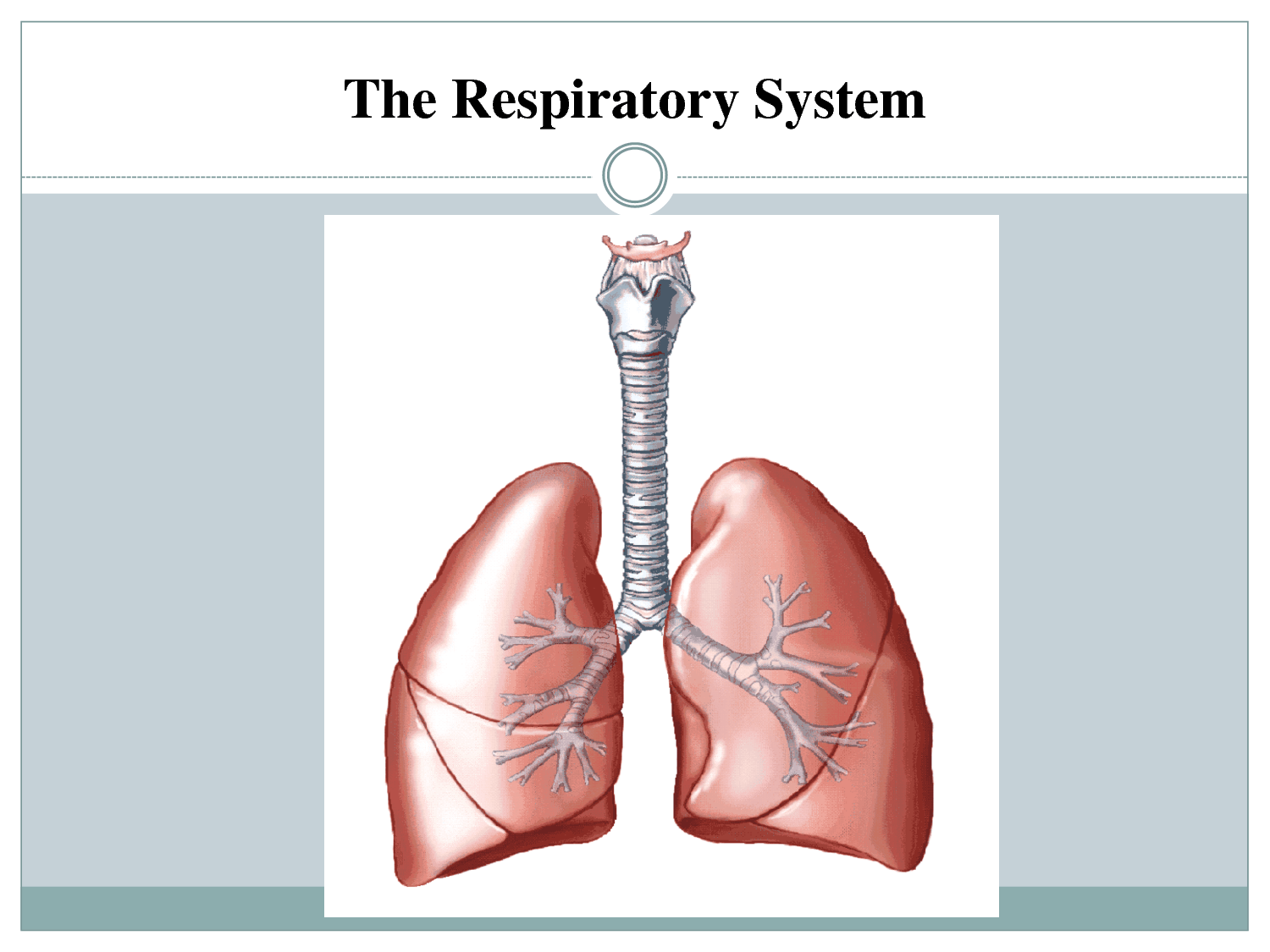
What does #1 represent?

a)

Nose

b)

Mouth

c)

Bronchi

d)

Alveoli

2.

What does #3 represent?

a)

Trachea

b)

Larynx

c)

Esophagus

d)

Alveoli

3.

What does #4 represent?

a)

Lungs

b)

Larynx

c)

Trachea

d)

Alveoli

4.

What does #5 represent?

a)

Bronchi

b)

Bronchioles

c)

Trachea

d)

Alveoli

5.

What does #6 represent?

a)

Bronchi

b)

Bronchioles

c)

Diaphragm

d)

Alveoli

6.

What does #7 represent?

a)

Bronchi

b)

Pharynx

c)

Diaphragm

d)

Larynx

7.

What does #8 represent?

a)

Trachea

b)

Pharynx

c)

Diaphragm

d)

Larynx

8.

What does #10 represent?

a)

Bronchioles

b)

Bronchi

c)

Alveoli

d)

Diaphragm

9.

What does #11 represent?

a)

Bronchioles

b)

Bronchi

c)

Alveoli

d)

Diaphragm

10.

The structure that filters and warms air:

a)

Nose

b)

Mouth

c)

Larynx

d)

Bronchi

11.

This part of the respiratory system is flexible and made up of cartilage rings:

a)

Trachea

b)

Lungs

c)

Rib cage

d)

Alveoli

12.

Muscle that expands and contracts when breathing in order to take air in and let air out:

a)

Diaphragm

b)

Lungs

c)

Bronchioles

d)

Pharynx

13.

The more exercise, the more _______________ you get rid of.

a)

C02 and water vapor

b)

H20 and O2

c)

O2 and water vapor

d)

Urea and CO2

14.

Smoking _______________ lung capacity.

a)

decreases

b)

increases

c)

hurts

d)

doesn't effect

15.

If we did not get rid of waste, our body could be:

a)

Poisoned

b)

Larger

c)

Smaller

d)

No effect

16.

The epiglottis must be ____________ in order for air to pass through the trachea.

a)

Open

b)

Closed

17.

Vocal Cords/Voice box:

a)

Larynx

b)

Pharynx

c)

Trachea

d)

Mouth

18.

Carry blood away from heart; mostly oxygen-rich or oxygenated

a)

Arteries

b)

Veins

c)

Capillaries

19.

Carry blood toward heart; mostly oxygen-poor or deoxygenated.

a)

Arteries

b)

Veins

c)

Capillaries

20.

What carries oxygen around the body?

a)

Plasma

b)

Red Blood Cells

c)

Platelets

d)

White Blood Cells

21.

Which of the following is NOT a type of blood vessel?

a)

Artery

b)

Capillary

c)

Vein

d)

Ventricle

22.

What type of blood do the arteries usually carry?

a)

Oxygenated Blood

b)

Deoxygenated Blood

23.

What type of blood do the veins usually carry?

a)

Oxygenated Blood

b)

Deoxygenated Blood

24.
What is the main function of the respiratory system?
a)
to provide oxygen and remove carbon dioxide from the body
b)
to bring oxygen to the body
c)
to break down food and absorb nutrients
d)
to remove oxygen from the body and deliver carbon dioxide
25.

When you breathe, your lungs take in ___ and remove ___.

a)

air/oxygen

b)

oxygen/carbon dioxide

c)

carbon dioxide/oxygen

d)

nitrogen/oxygen

26.

What is White Blood Cells role in the blood?

a)

They carry oxygen around the body

b)

They help the blood clot

c)

They help fight disease and infection

d)

They help the body build muscles

27.
Which system absorbs oxygen and releases carbon dioxide?
a)
respiratory
b)
excretory
c)
endocrine
d)
immune
28.
What two systems work together to supply the body with oxygen?
a)
respiratory and muscular
b)
respiratory and circulatory
c)
circulatory and digestive
d)
muscular and digestive
29.

How many chambers does the heart have?

a)

1

b)

2

c)

3

d)

4

30.

The cardiovascular system is also known as the _______________ system.

a)

Respiratory

b)

Circulatory

c)

Skeletal

d)

Muscular

31.
Oxygen from the air enters the blood stream at what location?
a)
trache
b)
bronchus
c)
alveolus
d)
bronchioles
32.
What happens to your pulse when you exercise?
a)
It increases
b)
It decreases
c)
It stays the same
33.
Which organ excretes carbon dioxide?
a)
Lungs
b)
Liver
c)
Heart
d)
Kidney
34.
Smoking causes...
a)
Strokes
b)
Heart Disease
c)
Cancer
d)
All of the above
35.
What is the tube that is also known as your windpipe?
a)
Esophagus
b)
Bronchi
c)
Trachea
d)
Alveoli
36.
When the diapragm relaxes and moves back up, the lungs are...
a)
expanding with air
b)
shrinking - pushing air out
37.

The diaphragm contracts and flattens in.......

a)

inhalation

b)

exhalation

38.

The external intercostal muscles contract during......

a)

inhalation

b)

exhalation

39.
Pharynx
a)
Outward physical appearance 
b)
Tube-like passage ways for air, food, liquid
c)
Airway to vocal cords 
40.

The Lower Respiratory Tract Includes all except

a)

Trachea

b)

Nose

c)

Bronchi and Bronchioles

d)

Alveoli

e)

Lungs

41.

The upper Respiratory Tract Includes (click all that apply)

a)

Nose and Nasal Cavities

b)

Pharynx

c)

Sinus Cavities

d)

Larynx

e)

Trachea

42.

What is the main organ of the circulatory system?

a)

small intestine

b)

bone

c)

lungs

d)

heart

43.
______________ are the smallest blood vessels.
a)
Arteries
b)
Veins
c)
Capillaries
44.
The circulatory system works with the ___________ system to provide our body with oxygen.
a)
respiratory
b)
digestive
c)
muscular
d)
skeletal
45.
I am the 'liquid' portion of blood.
a)
Erythrocytes
b)
Thrombocytes
c)
Leukocytes
d)
Plasma
46.

In normal Blood, PLASMA accounts for about...

a)

55%

b)

44%

c)

1%

47.
which blood type(s) can receive blood from AB- blood type persons?
a)
O- blood types only
b)
AB- blood types only
c)
both AB - and AB + blood types
d)
A-, B-, AB-, & O blood types
48.
Which blood type has only B antibodies?
a)
A blood
b)
B blood
c)
AB blood
d)
O blood
49.
O+ blood can be given to persons with
a)
O- blood
b)
A- blood
c)
B+ blood
d)
AB - blood
50.
Using agglutination techniques, which blood type does the picture suggest?
a)
B negative blood type
b)
B positive blood type
c)
A negative blood type
d)
A positive blood type
51.
When a patient gets a blood test and has a high WBC count, this indicates that the patient likely has
a)
cancer
b)
dehydration
c)
infection
d)
nothing
52.
When a patient gets a blood test and has a low platelet count, this indicates that the patient likely has
a)
cancer
b)
a clotting disorder
c)
infection
d)
nothing
53.
Where does hematopoiesis take place, producing new RBCs?
a)
bone marrow
b)
spleen
c)
synovial membrane
d)
articular cartilage
54.

Lungs...

a)

Pulmonary veins

b)

Pulmonary arteries

c)

Left Atrium

d)

Vena Cava

55.

Right ventricle...

a)

Left Atrium

b)

Pulmonary Semilunar Valve

c)

Tricuspid Valve

d)

Lungs

56.

Superior/inferior vena cava...

a)

Right ventricle

b)

Tricuspid Valve

c)

Right atrium

d)

Pulmonary arteries

57.

Bicuspid valve...

a)

Left Ventricle

b)

Left Atrium

c)

Lungs

d)

Aorta

58.

Right Atrium...

a)

Left Atrium

b)

Pulmonary Veins

c)

Right Ventricle

d)

Tricuspid Valve

59.
Which side of the heart carries highly oxygenated blood?
a)
Right
b)
Left
60.
Vein that empties blood from the upper body into the upper right heart chamber
a)
Inferior Vena Cava
b)
Superior Vena Cava
c)
Pulmonary Veins
d)
Veins
61.
Veins that empty blood from the lungs into the upper left heart chamber
a)
Inferior Vena Cava
b)
Superior Vena Cava
c)
Pulmonary Veins
d)
Veins
62.
Largest artery in the body taking oxygenated blood to the body from the lower left chamber
a)
Pulmonary arteries
b)
Radial artery
c)
Aorta
d)
Femoral artery
63.
Arteries taking low oxygenated blood from the lower right heart chamber to the lungs
a)
Pulmonary arteries
b)
Radial artery
c)
Aorta
d)
Femoral artery
64.
Which valve sits between the lower right chamber and arteries leading to the lungs
a)
Pulmonary
b)
Bicuspid
c)
Aortic
d)
Tricuspid
65.
Which valve sits between the lower left chamber and large artery leading to the body
a)
Pulmonary
b)
Bicuspid
c)
Aortic
d)
Tricuspid