wayground logo

Free Printable Worksheets

NEW

Font size

S
M
L
XL
Worksheets

Matter, Solution and Physical Properties

Total questions: 74

Worksheet time: 1hrs 25mins

Name
Class
Date
1.
What are the three phases of matter?
a)
Ice, water, steam
b)
Solid, liquid, gas
c)
Solid, density, liquid
d)
mass, volume, density
2.
What phase of matter is represented by the particle model?
a)
Solid
b)
Liquid
c)
Gas
3.
What phase of matter is represented by the particle model?
a)
Solid
b)
Liquid
c)
Gas
4.
What phase of matter is represented by the particle model?
a)
Solid
b)
Liquid
c)
Gas
5.
Describe the particles in model.
a)
Definite shape, close together, slow movement of particles bumping into each other.
b)
No definite shape, some space for particles to flow freely allowing the substance to move
c)
No definite shape, lots of space between particles, particles moving very fast all over
6.
Describe the particles in model.
a)
Definite shape, close together, slow movement of particles bumping into each other.
b)
No definite shape, some space for particles to flow freely allowing the substance to move
c)
No definite shape, lots of space between particles, particles moving very fast all over
7.
Describe the particles in model.
a)
Definite shape, close together, slow movement of particles bumping into each other.
b)
No definite shape, some space for particles to flow freely allowing the substance to move
c)
No definite shape, lots of space between particles, particles moving very fast all over
8.
A physical property can be observed...
a)
Using your 5 senses
b)
Mixing substances together
9.
A chemical property can be observed...
a)
Using your 5 senses
b)
Mixing substances together
10.
a)
Physical Property
b)
Chemical Property
11.
a)
Physical Property
b)
Chemical Property
12.
a)
Physical Property
b)
Chemical Property
13.
a)
Physical Property
b)
Chemical Property
14.
a)
Physical Property
b)
Chemical Property
15.
Water has a density of:
a)
0.5 g/mL
b)
1.0 g/mL
c)
1.5 g/mL
d)
Depends on how much water you have.
16.
The positive particles of an atom are 
a)
electrons 
b)
positrons 
c)
neutrons 
d)
protons 
17.
What is the central region of an atom where its neutrons and protons are located?
a)
nucleus 
b)
electron cloud
c)
core 
d)
center 
18.
An atom with atomic number 6 would have how many protons 
a)
6
b)
12
c)
3
d)
cannot be determined 
19.
What does the 1.00794 stand for?
a)
Hydrogen
b)
Atomic number
c)
Atomic mass
d)
Atomic explosion
20.
A particle that moves around the nucleus is a(n)...
a)
Proton
b)
Neutron
c)
Electron
d)
Quark
21.
Which substance is made when two or more different elements are chemically combined?
a)
Element
b)
Mixture
c)
Compound
d)
Solids
22.
Mixtures are separated through ___________changes.
a)
mixture
b)
compound
c)
physical
23.
What is salad?
a)
element
b)
compound
c)
mixture
24.
This picture represents which of the following?
a)
element
b)
compound
c)
mixture
25.
This picture represents which of the following?
a)
element
b)
compound
c)
mixture
26.
Which of the following is produced when you mix two or more atoms together (the atoms can be different or the same)?
a)
atoms
b)
elements
c)
molecules
d)
compounds
27.
What part of an atom is NEGATIVELY charged?
a)
protons
b)
neutrons
c)
electrons
d)
atoms
28.
Which part of an atom is POSITIVELY charged?
a)
protons
b)
neutrons
c)
electrons
d)
atoms
29.
Which is not an element?
a)
Nitrogen
b)
Helium
c)
Air
d)
Oxygen
30.
What are the two types of mixtures?
a)
Elements and Subatomic Particles
b)
Protons and Electrons
c)
Atoms and Compounds
d)
Homogenous and Heterogeneous
31.
Which of the following is a  specific type of homogeneous mixture?
a)
An atom
b)
An element
c)
A solution
d)
A compound
32.
Cookies and cream ice cream would be classified as?
a)
A homogenous mixture
b)
A heterogenous mixture
c)
An element
d)
A compound
33.
Italian Salad Dressing
a)
heterogeneous mixture
b)
homogeneous mixture
34.
Milk
a)
Heterogeneous mixture
b)
Homogeneous mixture
35.

Pepsi in an unopened bottle

a)

Heterogeneous mixture

b)

homogeneous mixture

36.
mashed, unpeeled potatoes
a)
Heterogeneous mixture
b)
Homogeneous mixture
37.
Olive Oil
a)
Heterogeneous  mixture
b)
Homogeneous mixture
38.

What type of mixture is black ink?

a)

heterogeneous mixture

b)

homogeneous mixture

39.
cake batter
a)
heterogeneous mixture
b)
homogeneous mixture
40.
Chicken noodle soup
a)
heterogeneous mixture
b)
homogeneous mixture
41.
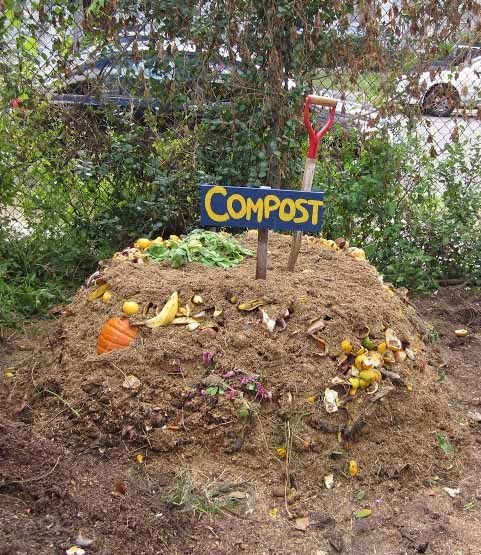
A compost pile in the backyard for the garden
a)
Heterogeneous
b)
Homogeneous
42.
Type of mixture that has the SAME COMPOSITION in every part.
a)
Homogenous
b)
Heterogeneous
43.
Type of mixture that DOESN'T HAVE the same composition in every part.
a)
Homogeneous
b)
Heterogeneous
44.
Chocolate milk is an example of a
a)
homogeneous mixture
b)
heterogeneous mixture
45.
M&M's is an examples of a
a)
homogeneous mixture
b)
heterogeneous mixture
46.
Salad is an example of a
a)
homogeneous mixture
b)
heterogeneous mixture
47.
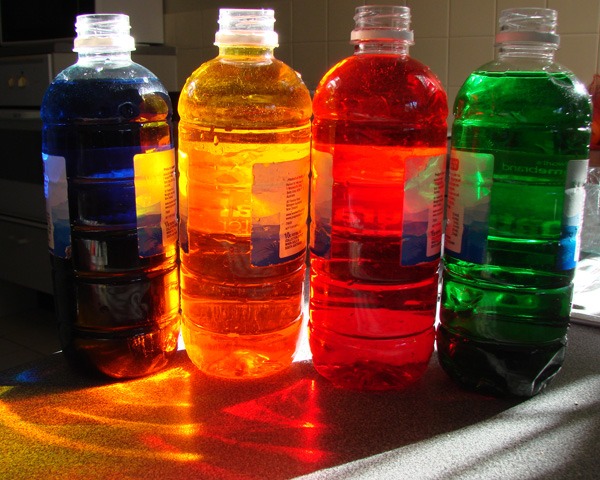
Coloured water is an example of a
a)
homogeneous mixture
b)
heterogeneous mixture
48.
Dishwasher soap is an example of a
a)
homogeneous mixture
b)
heterogeneous mixture
49.
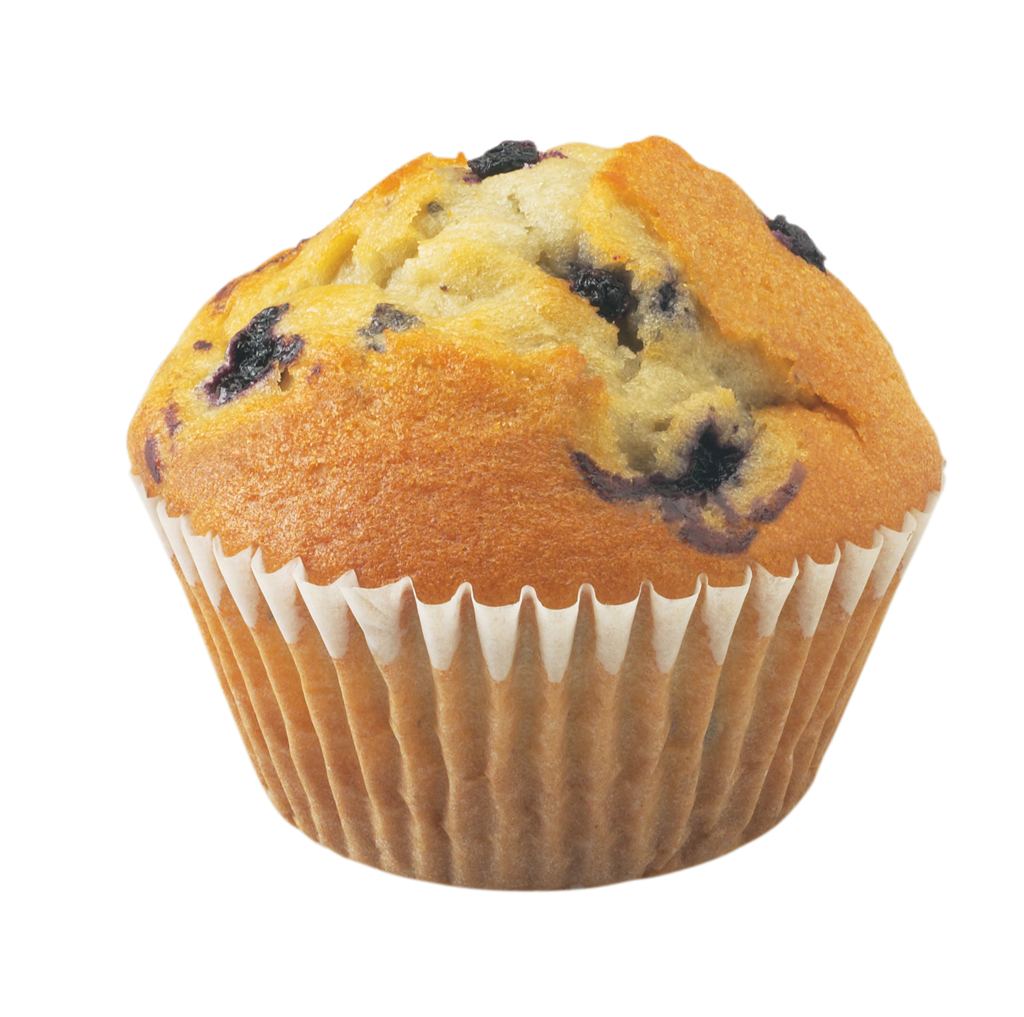
 blue berry muffin
a)
heterogeneous mixture
b)
homogeneous mixture
50.

Pepsi in a glass

a)

Heterogeneous mixture

b)

homogeneous mixture

51.
Sand and gravel may be separated from each other by using..
a)
a filter funnel
b)
a sieve
c)
an evaporating basin
d)
a distillation
52.
Which one of the following solids is insoluble (not soluble) in water?
a)
sugar
b)
sand
c)
copper sulfate
d)
salt
53.
The separation technique that involves heating a solution until the liquid changes into a gaseous state, leaving behind a solid is known as
a)
decanting
b)
 evaporation
c)
loading
d)
chromatography
54.
Which one of the following would you use to separate sand from iron filings?
a)
a bar magnet
b)
filter paper
c)
chromatography paper
d)
alum
55.
Boiling point is a point at which liquid turns in to..
a)
solid
b)
liquid
c)
molten
d)
gas
56.
A combination of 2 or more substances that can be easily separated is called- 
a)
a mixture
b)
a solution 
c)
a solute 
d)
a solvent 
57.
A combination of two or more substances that cannot easily be separated--
a)
mixture
b)
solution
c)
solute
d)
solvent
58.
Lemonade is a special mixture called a 
a)
substance
b)
solution
c)
plasma
d)
ingredient
59.
To separate trail mix what method should you use?
a)
filtration 
b)
sorting
c)
magnet
d)
boiling
60.
To separate iron filings and sulfur what method should you use?
a)
filtration 
b)
sorting
c)
magnet
d)
boiling
61.
Which mixture separation method would use to separate sugar from water?
a)
filtration 
b)
magnet
c)
boiling/evaporation
d)
sorting physically
62.
A mixture is always a solution, but a solution is NOT always a mixture. 
a)
True
b)
False
63.
A solution is a special type of mixture.
a)
True
b)
False
64.

What is happening at water melting point?

¿Qué sucede en el punto de fusión del agua?

a)

liquid to gas

líquido a gas

b)

solid to liquid

sólido al líquido

c)

gas to liquid

gas a líquido

d)

liquid to soild

líquido a solido

65.

What is happening at freezing point?

¿Qué ocurre en el punto de congelación?

a)

gas to liquid

gas a líquido

b)

solid to liquid

sólido al líquido

c)

liquid to solid

líquido a sólido

d)

liquid to gas

líquido a gas

66.

What is the boiling point of water?

¿Cuál es el punto de ebullición del agua?

a)

0 C

0 C

b)

100 F

100 F

c)

50 C

50 C

d)

100 C

100 C

67.

What is happening at freezing point?

¿Qué ocurre en el punto de congelación?

a)

gas to liquid

gas a líquido

b)

solid to liquid

sólido al líquido

c)

liquid to solid

líquido a sólido

d)

liquid to gas

líquido a gas

68.

When does evaporation happen?

¿Cuándo ocurre la evaporación?

a)

gas to liquid

gas a líquido

b)

liquid to solid

líquido a sólido

c)

solid to liquid

sólido al líquido

d)

liquid to gas

líquido a gas

69.

When a material changes from a solid to a liquid it is called?

Cuando un material cambia de un sólido a un líquido se llama?

a)

freezing

helado

b)

melting

el derretimiento

70.

What is the melting and freezing point for water?

¿Cuál es el punto de fusión y congelación del agua?

a)

100 degrees

100 grados

b)

0 degrees

0 grados

c)

10 degrees

10 grados

d)

-10 degrees

-10 grados

71.

The temperature at which a solid can change to a liquid.

La temperatura a la que un sólido puede cambiar a un líquido.

a)

Boiling Point

Punto de ebullición

b)

Color

el color

c)

Density

la densidad

d)

Melting Point

Punto de fusión

72.
What is the definition of sublimation?
a)
a chemical process where a solid turns into a gas without going through a liquid stage
b)
the process of a liquid changing into a gas
73.
What is an example of sublimation?
a)
Ice cream melting
b)
Dry ice
74.
Water drops seen in the cling foil which is covered on hot food. This is an example of__________.
a)
Evaporation
b)
Condensation