
 Worksheets
KMS 1st semester Benchmark REVIEW
Total questions: 71
Worksheet time: 2hrs 39mins
Metals are
Ductile
Dull
Malleable
Brittle
How doeas all Science begin?
With waves
With an observation or a question
With variables
With experiments
In a science experiment, how many variables can change to have a proper reproduceable result?
1
3
4
6
Energy is
electricity
buzzing
The ability to cause change or do work
The ability to make noise or light
A boulder sits on top of a cliff. This is an example of
Transverse waves
Longitudinal waves
Kinetic Energy
Potential energy
A boulder falls down a mountain side, this is an example of
Conduction
Convection
Potential Energy
Kinetic Energy
What are the 3 ways that heat energy is transferred
Reflections
Conduction
Convection
Radiation
Refraction
A frying pan sitting on a hot burner is an example of
conduction
convection
radiation
If you stand in front of a bonfire and feel the heat.What sort of heat transferral are you are experiencing ?
Conduction
convection
radiation
Pasta water is heated by hot water rising to the top while cooler water falls to the bottom. This is an example of what sort of heat energy transferral?
Conduction
convection
radiation
The two types of mechanical waves are
wavelength
transverse
frequency
longitudinal
Which of these options are examples of renewable energy?
Hydroelectric
Solar
Nuclear
Wind
Which of these options are types of non-renewable energy sources
Biomass
Coal
Nuclear
Natural gas
Oil
Select all that are products of Photosynthesis.
Water
Carbon Dioxide
Oxygen
Sunlight (Light Energy)
Glucose (Sugar/food)

3. Mrs. Smith’s class will be outside for several hours on Friday. The temperature is to be in the 90’s. What color clothing should students wear to stay cooler?
black
white
red
blue
When light passes through an object, it has
reflected
transmitted
absorbed
diffracted
absorbed

What do smooth, shiny surfaces do?
reflect light
refract light
absorb light
What is a renewable resource?
A resource you can reuse over and over
An object you cannot replace
Fossil fuels
A resource that has a nearly unlimited supply
A disadvantage of nuclear energy is that it creates...
fossil fuels
hydroelectric
radioactive waste
biomass
What was the best part of Science class this semester?
How do you think you did on this test?
I aced it!
I think I passed.
Not as good as I wish I did.
I bombed it.

energy that comes from an electrical circuit
sound energy
mechanical energy
light energy
electrical energy

a material that lets heat and electricity travel though easily
conductor
insulator
solubility
erosion

a material that does not let heat and electricity travel through it easily
conductor
insulator
evaporation
refraction

the ability to dissolve
solubility
weathering
conductivity
magnatism

energy from the sun
solar energy
mechanical energy
light energy
sound energy

does something sink or float
weathering
solubility
relative density
climate

What source of gravity is maintaining all 4 satellites in place?
Moon
Earth
Sun
Space
A roller coaster car zooming down from the top of a hill has more and more:
KE
PE
ZE
screaming
As the roller coaster car gets pulled up to the top of the hill, it gains stored energy, which is....
PE
KE
SE
fear
Which has more PE, a basketball on the floor or a basketball on top of the roof of the building?
on the roof, because it will cause more damage if it fell from that high.
on the floor because it is just sitting there.
on the floor because it looks nice there.
in the air, because it is energy of motion.
Which type of energy is the energy of motion?
KE
Kinetic energy
PE
potential energy
Which type of energy is the stored energy? CHOOSE 2 ANSWERS!
PE
potential energy
KE
kinetic energy
Match the following
the ability to do work
energy is...
potential energy
stored energy is called...
kinetic energy
energy of motion is called....
PE
short way to say potential energy
KE
short way to say kinetic energy
An object undergoes a physical change when it changes:
color, burning, rusting
shape, form, color
tarnishing, melting, ashes
An object undergoes a physical change when it changes:
color, burning, rusting
shape, form, color
tarnishing, melting, ashes
An object undergoes a chemical change when it changes:
shape, form, state of matter
melting, odor, size
color, burning, rusting
When tearing a piece of paper, the mass will __________ because of the law of conservation of mass.
increase
decrease
stay the same
Bubbles quickly appear but then they disappear and there is no solid in the final observation.
physical change
chemical reaction
Bubbles quickly appear and continue forming for 20 seconds and there are small amounts of the solid at the bottom of the liquid in the final observation.
physical change
chemical reaction
The solid falls to the bottom of the liquid and slowly dissolves. Small amounts of the solid are at the bottom in the final observation.
physical change
chemical reaction
The temperature of the solution dropped 18 °C and there was no color change.
physical change
chemical reaction
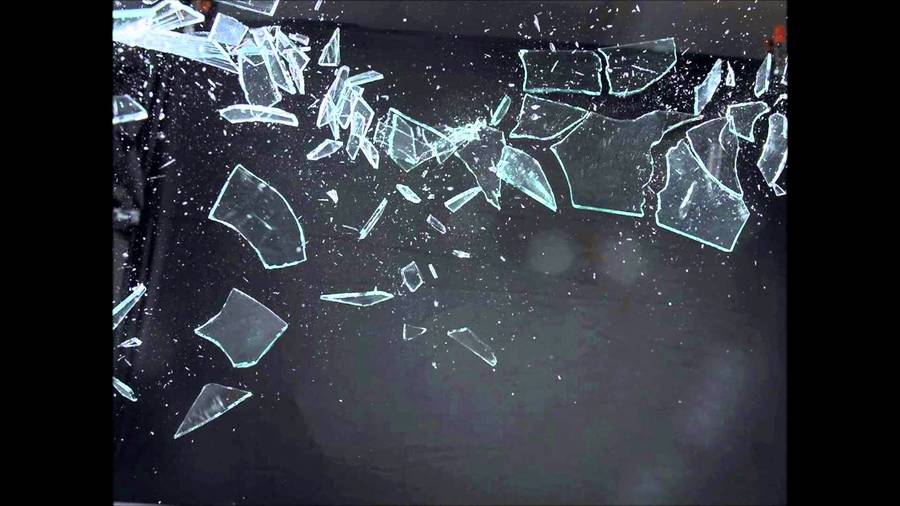


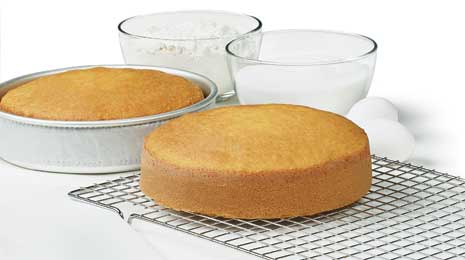


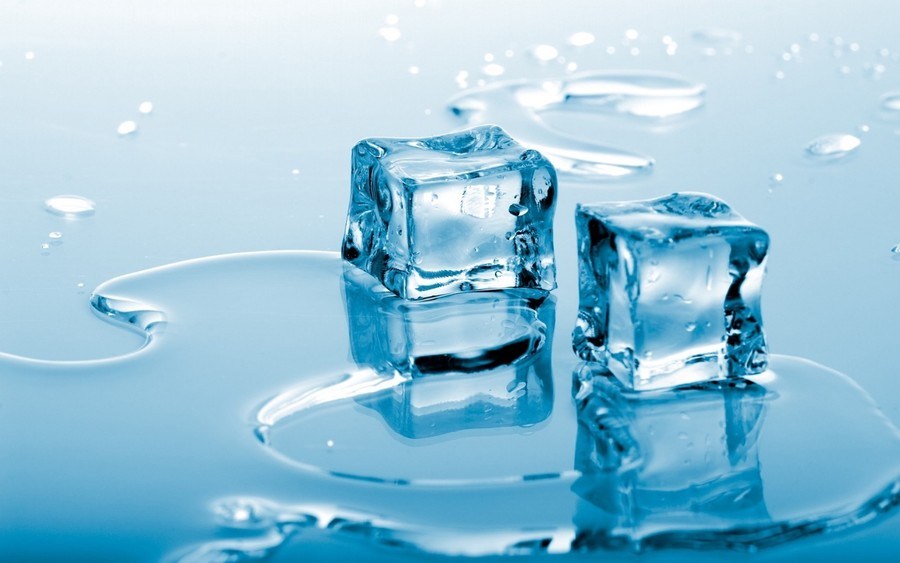

The temperature of the solution dropped 18 °C and there was no color change.
physical change
chemical reaction

A solar panel transfers energy from (a) to (b) energy.

A flashlight transfers energy from (a) to (b) to (c) energy.

Photosynthesis transfers energy from (a) to (b) energy.

A lamp transfers energy from (a) to (b) energy.

Eating an apple is (a) energy to (b) energy.

A campfire transfers energy from (a) to (b) energy.

Electrical energy is transferred to _____ Energy.
Solar
Thermal
Chemical
Electrical

Is the energy in a battery, chemical or electrical (Not connected to any devices)?
electrical
chemical
thermal
thermal

