wayground logo

Free Printable Worksheets

Font size

S
M
L
XL
Worksheets

November 15th Review Quiz

Total questions: 105

Worksheet time: 2hrs 34mins

Name
Class
Date
1.
The Law of Conservation of Energy states:
a)
Energy can created or destroyed but not transformed 
b)
Energy cannot be created or destroyed, it can only transformed
c)
Energy can't be created, destroyed or transformed
2.
According to the Law of Conservation of energy, the amount of energy before and after a reaction must be the same. Which statement below is true?
a)
The total amount of energy is conserved
b)
The total amount of energy is less after a reaction
c)
The total amount of energy is more after a reaction
3.
Which energy transformation below matches?
A book falling?
a)
chemical to sound and heat
b)
kinetic to sound and heat
c)
electrical to sound and heat
4.
Which energy transformation below matches?
Water moving over a dam to move a generator?
a)
kinetic to chemical
b)
kinetic to electrical
c)
solar to electrical
5.
Which energy transformation below matches?
Green plants?
a)
chemical to mechanical
b)
chemical to heat
c)
solar to chemical
6.
Potential or kinetic?
Stretched bow and arrow?
a)
kinetic
b)
potential
7.
Potential or kinetic?
Running?
a)
potential
b)
kinetic
8.

Whats Newtons First Law?

a)

The more force applied to an object the faster it will accelerate.

b)

An object in motion will stay in motion and an object at rest will stay at rest unless acted by an outside force.

c)

for every ection there is an equal and oposite reaction

9.

The Law of Inertia

a)

Newtons 1st Law of motion

b)

Newtons 2nd Law of motion

c)

Newtons 3rd Law of motion

10.

Newton's third law states that any action will have a(n) ___ and ___ reaction

a)

Equal and similar

b)

Equal and opposite

c)

Equal and different

d)

Greater and opposite

11.
Any push or pull on an object.
a)
force
b)
velocity 
c)
inertia
d)
momentum
12.
What is Newtons 2nd law of motion?
a)
Pancakes 
b)
Force= Mass multiplied by acceleration
c)
For every action there is a equal and opposite  re-action.
d)
Law of gravity 
13.
Which has more Inertia? (so need more force to move) 
a)
Truck
b)
Ant
c)
A cat
d)
A skateboard
14.
What pulls a ball back to earth?
a)
Gas
b)
Gravity
c)
Friction
d)
Molecules
15.

Newton's First is also called

a)

Law of Non-stop Motion

b)

Law of Endless Movement

c)

Law of Inertia

d)

Law & Order

16.

Newton's First Law of Motion states that

a)

All objects tend to continue doing what they are doing

b)

Objects continue to shake it off

c)

No objects tend to continue doing what they are doing

d)

There's nothing holding me back

17.

Newton's Second Law of Motion is about

a)

How I'm in love with the shape of you

b)

How fast an object moves

c)

How old are you

d)

Slime

18.

Newton's Second Law states that

a)

My level is too high

b)

Please have mercy on me

c)

The harder we fall the harder we try

d)

The harder you kick a ball, the farther it goes. More force = More Distance

19.

Newton's Third Law of Motion states that

a)

I got new rules, I count 'em

b)

For every action, there is a different reaction

c)

For every action there is an equal reaction

d)

I can't stop the feelin', so just dance

20.

If I kick a ball in space, it will continue to move forever. What Law is it?

a)

First Law of Motion

b)

Second Law of Motion

c)

Third Law of Motion

21.

I roll two toy cars and they collide, the cars hit and go back in opposite directions. What Law is it?

a)

First Law of Motion

b)

Second Law of Motion

c)

Third Law of Motion

22.

I throw a tennis ball and a basketball with equal force, but the tennis ball goes farther. What Law is it?

a)

First Law of Motion

b)

Second Law of Motion

c)

Third Law of Motion

23.
The roller coaster is a perfect example of which type or types of energy?
a)
Kinetic 
b)
Potential
c)
Both
24.
At the top of a loop there is more of this type of energy?
a)
Potential
b)
Kinetic
25.
At the end of a loop on a roller coaster there is less of this type of energy?
a)
Potential
b)
Kinetic
26.
Energy of motion is which type of energy?
a)
Potential
b)
Kinetic
c)
Sound
d)
Gravitational
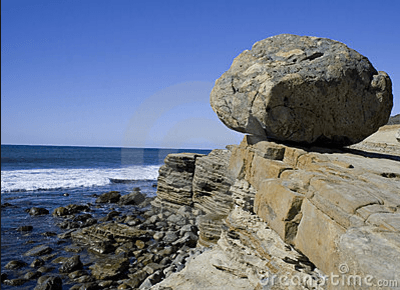
27.
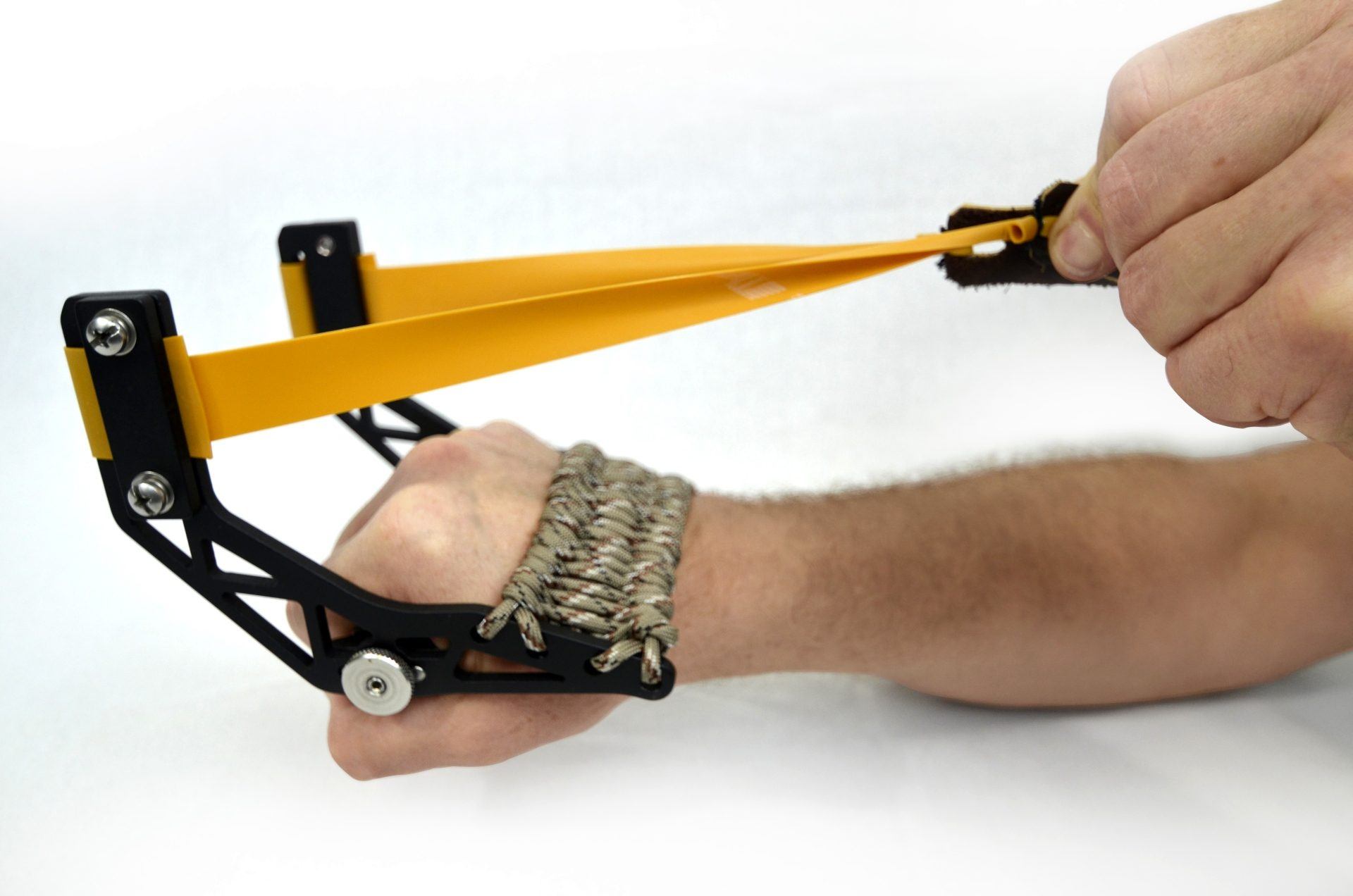
What type of energy is in this picture?
a)
Kinetic
b)
Potential
c)
Chemical
d)
Sound
28.
When plants convert the sun's energy into food, which type of energy is it?
a)
kinetic
b)
chemical
c)
thermal
d)
radiant
29.
What kind of energy is represented in this picture?
a)
Thermal
b)
Potential
c)
Nuclear
d)
Mechanical
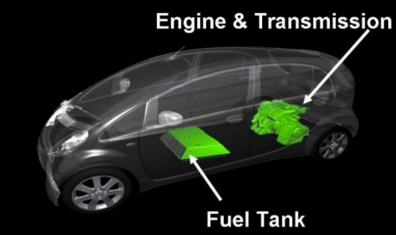
30.
What kind of energy does this device use?
a)
Chemical
b)
Electrical
c)
Thermal
d)
Chemical
31.
What kind of energy is represented in the picture?
a)
Thermal
b)
Chemical
c)
Sound
d)
Nuclear
32.
A battery converts what type of energy to another?
a)
sound to kinetic
b)
light to heat
c)
mechanical to electrical
d)
chemical to electrical
33.
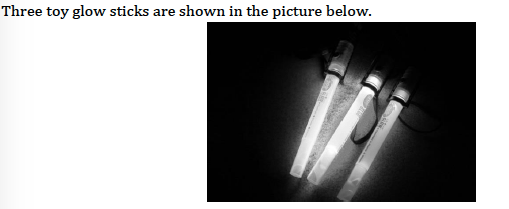
The glow sticks produce light for a short amount of time. The light from the glow stick is a conversion from what to what?
a)
thermal to light
b)
gravitational to potential
c)
radiant to electrical
d)
chemical to light
34.
Wind turbines and windmills convert what energy to another?
a)
Kinetic to electric
b)
Gravitational potential to electric
c)
Mechanical to potential
d)
Thermal to sound
35.
Work is:
a)
A transfer of energy by a force to move and object
b)
Something you get paid for
c)
Something you take home
d)
Makes you sweat
36.
On a roller coaster, where is maximum potential energy?
a)
At the bottom of a big hill
b)
When going around a corner
c)
When going upside down
d)
At the top of a big hill
37.
On a roller coaster, where is maximum kinetic energy?
a)
At the bottom of a big hill
b)
When going around a corner
c)
When going upside down
d)
At the top of a big hill
38.
____________ is the ability to cause change. 
a)
Energy 
b)
Force 
c)
Friction
d)
Motion
39.
Energy can cause an object to ______________ the position of its motion. 
a)
Energy
b)
Change
c)
Speed
d)
Stored
40.
Energy due to motion is ____________ energy. 
a)
Potential 
b)
Energy
c)
Kinetic
d)
Friction
41.
Gravitational potential energy depends on the ________ and ________ of the object. 
a)
Height and mass
b)
Friction and movement
c)
Mass and Movement
d)
Height and Friction 
42.
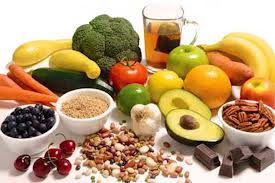
Food has _________ energy. 
a)
Potential 
b)
Kinetic 
c)
None of the above 
d)
All of the above 
43.
At which point is potential energy greatest?
a)
W
b)
X
c)
Y
d)
Z
44.
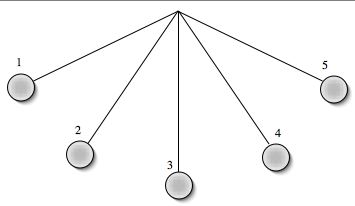
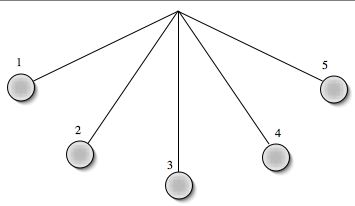
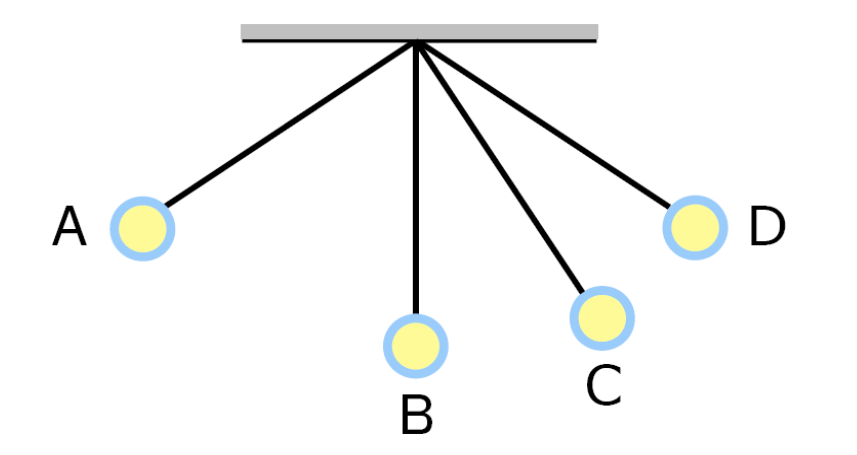
When a pendulum swings, at which point is kinetic energy highest?
a)
1
b)
2
c)
3
d)
4
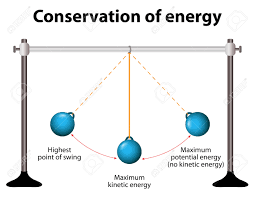
45.
When a pendulum swings, at which point is potential energy at its greatest?
a)
1
b)
2
c)
3
d)
4
46.
Conservation of energy states that energy cannot be ________ or ________, but can be altered from one form to another.
a)
created, destroyed
b)
gravity, force
c)
heat, created
47.
A rock at the edge of a cliff.
a)
Potential
b)
Kinetic
48.
Gasoline in a car tank (car is not on).
a)
Potential
b)
Kinetic
49.
A basketball passing through the hoop.
a)
Potential
b)
Kinetic
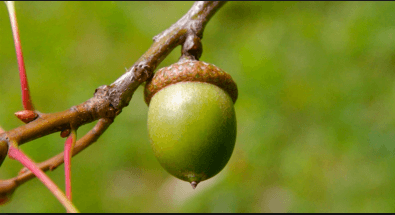
50.
An acorn hanging from an oak tree.
a)
Potential
b)
Kinetic
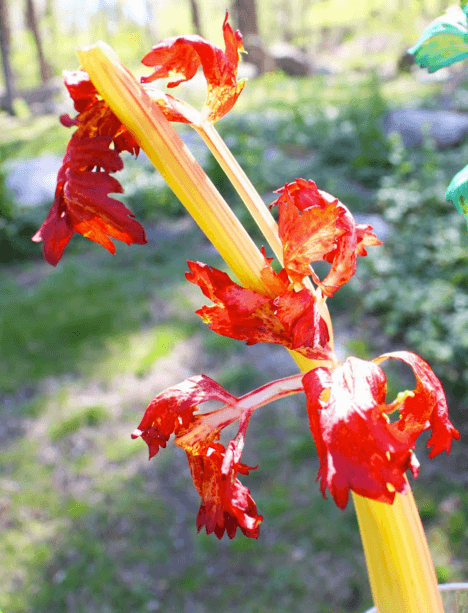
51.
A piece of celery.
a)
Potential
b)
Kinetic
52.
Blowing wind.
a)
Potential
b)
Kinetic
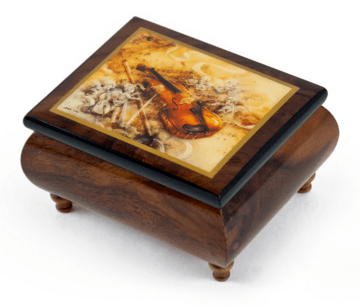
53.
A wound up music box that is closed.
a)
Potential
b)
Kinetic
54.

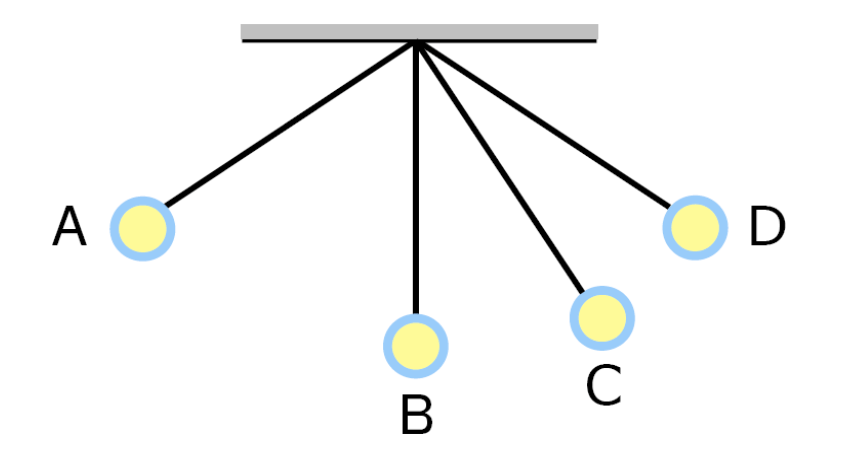
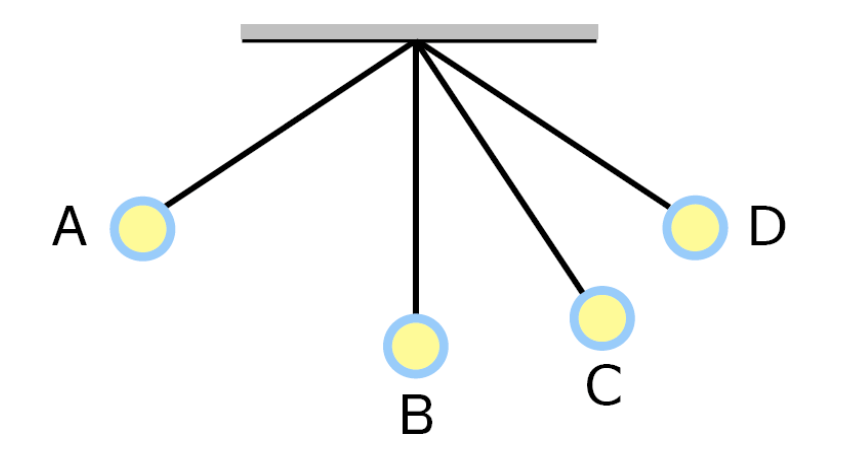
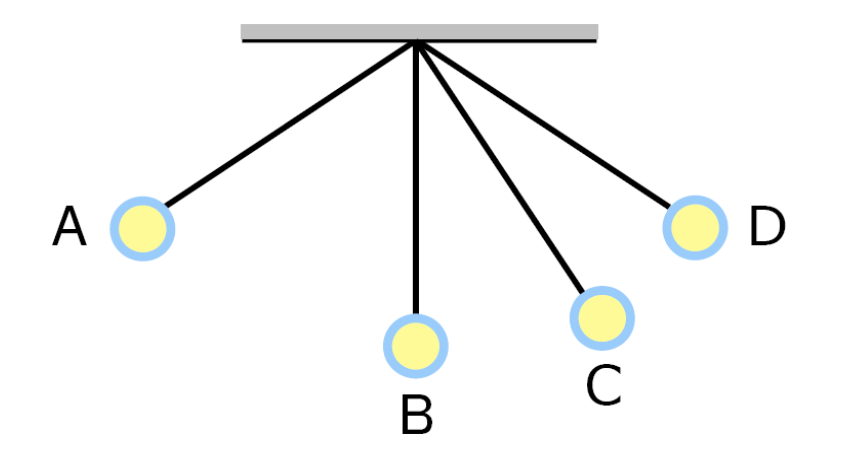
Maximum gravitational potential energy (choose all that apply)

a)

A

b)

B

c)

C

d)

D

55.

Maximum kinetic energy

a)

A

b)

B

c)

C

d)

D

56.

Minimum kinetic energy (choose all that apply)

a)

A

b)

B

c)

C

d)

D

57.

Minimum gravitational potential energy

a)

A

b)

B

c)

C

d)

D

58.

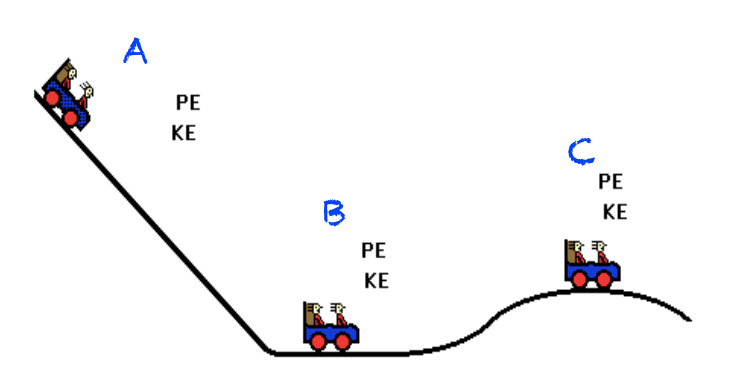
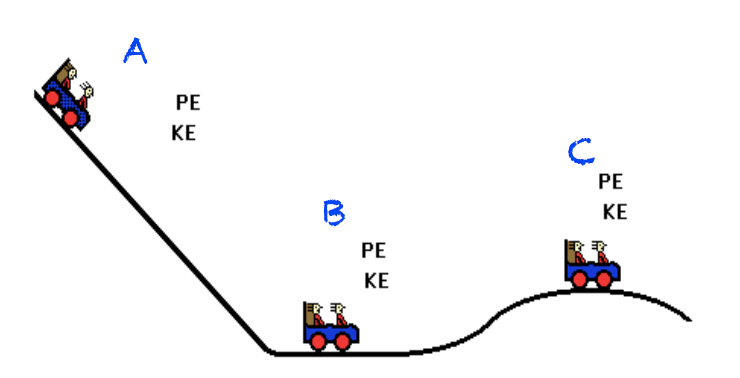
The coaster at A has -

a)

Maximum PE, Minimum KE

b)

Minimum PE, Maximum KE

c)

Minimum PE, High KE

d)

Maximum PE, Maximum KE

59.

The coaster at B is at -

a)

Maximum PE, Minimum KE

b)

Minimum PE, Minimum KE

c)

Minimum PE, Maximum KE

d)

Maximum PE, Maximum KE

60.
How does friction affect speed?
a)
more friction decreases speed
b)
more friction increases speed
c)
less friction decreases speed
d)
less friction doesn't affect speed
61.
a)
Static
b)
Sliding
c)
Rolling
d)
Fluid
62.
a)
Static
b)
Sliding
c)
Rolling
d)
Fluid
63.
a)
Static
b)
Sliding
c)
Rolling
d)
Fluid
64.
a)
Static
b)
Sliding
c)
Rolling
d)
Fluid
65.
Heat transfer always goes from-
a)
Cold to Hot
b)
Hot to Cold
c)
Heat doesn't transfer
d)
Freezing to Cold
66.
What is the definition of "weight"?
a)
measure of the force of gravity on your body
b)
the time it takes to get on a ride 
c)
the amount of matter in an object
d)
the size of an object
67.
A measure of how much matter an object has is--
a)
weight
b)
gravity
c)
mass
d)
volume
68.
The weight of an object _________ as it moves away from the center of Earth.
a)
increases
b)
stays the same
c)
triples
d)
decreases
69.

Air resistance will increase when

a)

area of an object in contact with air decrease.

b)

mass of an object increase.

c)

speed of an object increase.

d)

weight of an object increase.

70.

Is air resistance Friction?

a)

No

b)

Yes

71.

Complete this sentence.


It is not the difference in gravity that causes the objects to fall at different speeds, it's the difference in the amount of _______________.

a)

Weight

b)

Air

c)

Light

d)

Friction

72.

a continuous change in the position of an object

a)

Friction

b)

Gravity

c)

Motion

d)

Force

73.

Which states allow easy flow of particles

a)

Gas and Solid

b)

Gas and Liquid

c)

Solid and Liquid

d)

Gas only

74.

How do materials change from one state of matter to another?

a)

They gain or lose energy

b)

They break appart

c)

The particles get stickyer

d)

They are magnetised to themselves

75.
Which description best describes what a particle model shows?
a)
How many particles are in a solid, liquid or gas.
b)
How the particles in a solid, liquid or gas are arranged. 
c)
If there are any particles in a solid liquid or gas. 
76.
______________________ takes place when a liquid changes to a solid.
a)
freezing
b)
melting
c)
boiling
d)
sublimation
77.

What kind of energy is in a moving skateboard?

a)

Potential

b)

Kinetic

78.
How do gases behave in a container?
a)
Cluster together
b)
form a solid
c)
They take the shape of their container
d)
leak out 
79.
which of the following would be most stolid?
a)
Ice
b)
Jelly
c)
Honey
d)
Tomato Sauce
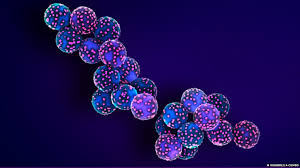
80.
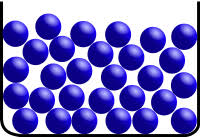
Which description best matches this particle model?
a)
Closely packed and can't move a lot. 
b)
Particles are close together but can move a little. 
c)
Particles have lots of energy and can move around. 
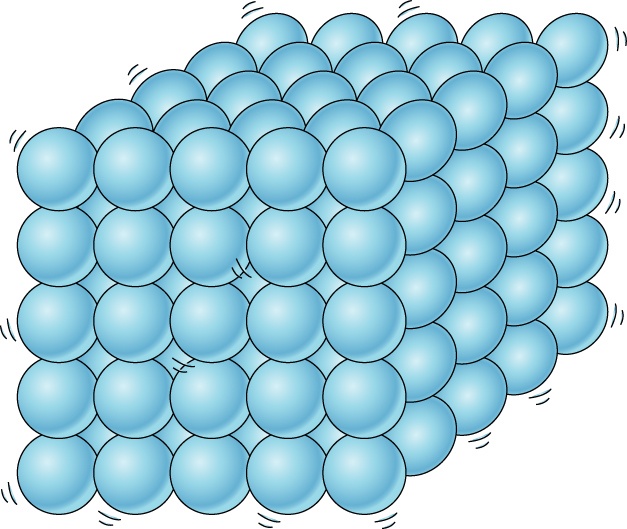
81.
Which description best matches this particle model?
a)
Closely packed and can't move a lot. 
b)
Particles are close together but can move a little. 
c)
Particles have lots of energy and can move around. 
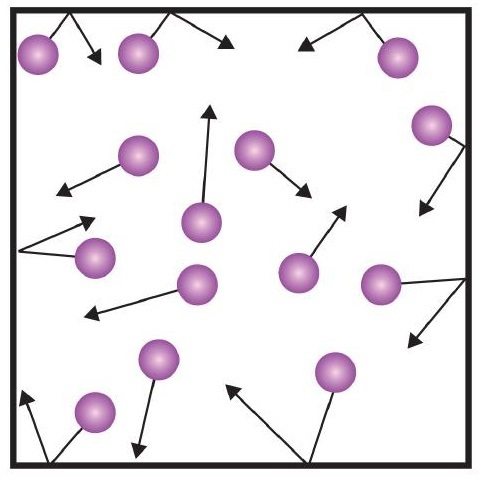
82.
Which description best matches this particle model?
a)
Closely packed and can't move a lot. 
b)
Particles are close together but can move a little. 
c)
Particles have lots of energy and can move around. 
83.
A gas
a)
has a definite shape but no definite volume
b)
has a definite volume but no definite shape
c)
has fast-moving particles
84.
Which state of matter has molecules that slide past each other but stay close together? They do not form a regular pattern.
a)
solid
b)
liquid
c)
gas
85.
The phase change from water vapor to liquid water is known as...
a)
evaporation
b)
precipitation
c)
condensation
d)
sublimation
86.
What type of energy can you detect from an objects motion?
a)
Gravitational Potential Energy
b)
Stored Energy
c)
Thermal/Heat Energy
d)
Kinetic Energy
87.
An experiment is performed on plants to see how different liquids affect plant growth. Each plant in the experiment is given a different liquid; water, apple juice, or milk. Each plant has the same amount of soil, sunlight, and listens to the same music. In this investigation, the independent variable is ...
a)
The type of plant
b)
The amount of sunlight
c)
The type of music
d)
The type of liquid
88.
An experiment is performed on plants to see how different liquids affect plant growth. Each plant in the experiment is given a different liquid; water, apple juice, or milk. Each plant has the same amount of soil, sunlight, and listens to the same music. In this investigation, what are the controlled variables?
a)
Type of plant, amount of music, and sunlight
b)
Water, apple juice, milk
c)
Plant growth
89.
An experiment is performed on plants to see how different liquids affect plant growth. Each plant in the experiment is given a different liquid; water, apple juice, or milk. Each plant has the same amount of soil, sunlight, and listens to the same music. In this investigation, what is the dependent variable?
a)
Type of plant
b)
Water, apple juice, milk
c)
Plant growth
90.
A student is planning an experiment to find out how the height from which he drops a ball affects how high the ball bounces. The dependent variable is the _____.
a)
Diameter of the ball
b)
Force acting on the ball
c)
Height that the ball bounces
d)
Height from which the ball is dropped
91.
A student is planning an experiment to find out how the height from which he drops a ball affects how high the ball bounces. What is the control variable?
a)
The ball used
b)
The height the ball bounces
c)
Height of the ball being dropped
92.
Lauren is convinced that book/movie combinations are better if you have read the book before watching the movie. Lauren's friend, Alyssa, thinks that movies are just as good even if you don't read the book. They got 40 of their classmates to help them solve their debate. 20 classmates read the book Divergent and 20 more classmates viewed the movie without reading the book. All participants went to see the movie on Friday at 6 p.m. They had their classmates do a survey (1-4 stars). Then, Alyssa and Lauren averaged the number of stars for both groups.
What is the independent variable?
a)
Watching the movie
b)
Reading the book
c)
Taking the survey
93.
Lauren is convinced that book/movie combinations are better if you have read the book before watching the movie. Lauren's friend, Alyssa, thinks that movies are just as good even if you don't read the book. They got 40 of their classmates to help them solve their debate. 20 classmates read the book Divergent and 20 more classmates viewed the movie without reading the book. All participants went to see the movie on Friday at 6 p.m. They had their classmates do a survey (1-4 stars). Then, Alyssa and Lauren averaged the number of stars for both groups.
What is the dependent variable?
a)
The length of the movie
b)
The time the movie starts
c)
The # of stars the movie gets
94.
Find the DV:  You experiment to see if a bouncy ball or a tennis ball bounces higher.
a)
Type of ball
b)
Same drop height
c)
Height of bounce
d)
Same surface
95.
Find the IV:  You experiment to see if a bouncy ball or a tennis ball bounces higher.
a)
Type of ball
b)
Same drop height
c)
Height of Bounce
d)
Same surface
96.
Find a CV:  You experiment to see if a bouncy ball or a tennis ball bounces higher.
a)
Type of ball
b)
Same drop height
c)
Height of Bounce
97.
Find the IV:  You experiment to see how the noise level in a room affects your ability to memorize random numbers and letters.
a)
Ability to memorize
b)
Noise level in room
c)
Amount of sleep
d)
Age of person
98.
Find the DV:  You experiment to see how the noise level in a room affects your ability to memorize random numbers and letters.
a)
Ability to memorize
b)
Noise level in room
c)
Amount of sleep
d)
Age of person
99.
Find a CV:  You experiment to see how the noise level in a room affects your ability to memorize random numbers and letters.
a)
Ability to memorize
b)
Noise level in room
c)
Age of person
100.
Find the IV:  You experiment to find out if you can blow bigger bubbles when it is hot outside or when it is cold outside.
a)
bubble blowing technique
b)
Type of bubble juice
c)
Size of bubbles
d)
Temperature
101.
Find the DV:  You experiment to find out if you can blow bigger bubbles when it is hot outside or when it is cold outside.
a)
bubble blowing technique
b)
Type of bubble juice
c)
Size of bubbles
d)
Temperature
102.
Find a CV:  You experiment to find out if you can blow bigger bubbles when it is hot outside or when it is cold outside.
a)
bubble blowing technique
b)
Temperature
c)
Size of bubbles
103.
Find the IV:  You experiment to discover if your pulse rate is affected by caffeine
a)
Pulse rate
b)
Temperature of room
c)
Amount of caffeine
d)
Amount of exercise
104.
Find the DV:  You experiment to discover if your pulse rate is affected by caffeine
a)
Pulse rate
b)
Temperature of room
c)
Amount of caffeine
d)
Amount of exercise
105.
Find a CV:  You experiment to discover if your pulse rate is affected by caffeine
a)
Pulse rate
b)
Amount of exercise
c)
Amount of caffeine