
 Worksheets
MBC Y8 SCIENCE SEM 2 REVISION QUIZ 1
Total questions: 80
Worksheet time: 1hrs 4mins
Name
Class
Date
1.
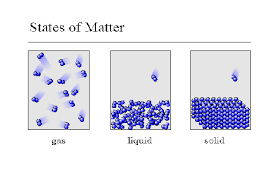
At higher temperatures
a)
particles in an object have less energy
b)
particles in an object move faster
c)
a gas contracts
2.
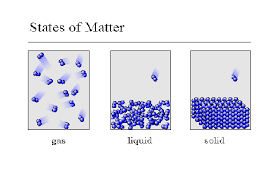
A gas
a)
has a definite shape but no definite volume
b)
has a definite volume but no definite shape
c)
has fast-moving particles
3.
Freezing
a)
Solid to gas
b)
Liquid to solid
c)
Gas to solid
d)
Liquid to gas
4.
Boiling
a)
liquid to gas
b)
gas to solid
c)
gas to liquid
d)
solid to liquid
5.
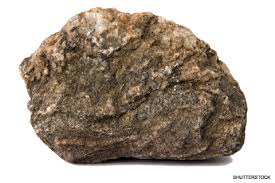
Which state of matter has tightly packed molecules?
a)
solid
b)
liquid
c)
gas
6.
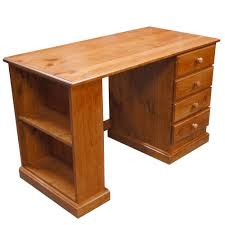
Which state of matter has a definite shape?
a)
solid
b)
liquid
c)
gas
7.
What is happening when my ice cream changes from a solid to a liquid?
a)
freezing
b)
melting
c)
burning
d)
evaporation
8.
Define a liquid.
a)
Indefinite shape, indefinite volume
b)
Definite shape, definite volume
c)
Found in stars
d)
Definite volume, indefinite shape
9.
The state of matter that has no definite size or shape is
a)
Solid
b)
Liquid
c)
Gas
10.
Particles (molecules) in a ______________________ have more energy than the other states of matter.
a)
gas
b)
solid
c)
liquid
11.
Particles of a liquid
a)
are tightly packed together and stay in a fixed position.
b)
have no viscosity.
c)
decrease in volume with increasing temperature.
d)
are free to move around one another but still touch.
12.
What term describes a solid changing to a gas?
a)
Deposition
b)
Sublimation
c)
Evaporation
d)
Freezing
13.
Particles (molecules) in a ______________________ have more energy than the other states of matter.
a)
gas
b)
solid
c)
liquid
14.
What is condensation?
a)
gas to solid
b)
gas to liquid
c)
liquid to solid
d)
solid to liquid
15.
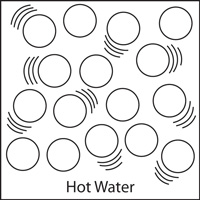
The speed of the molecules determines the _____.
a)
volume
b)
density
c)
pressure
d)
temperature
16.
Which has a greater distance between particles?
a)
Solid
b)
Liquid
17.
The slower the particles in a substance move,
a)
the colder it is.
b)
the warmer it is.
c)
the more energy it has.
d)
the less energy it has.
18.
Thermal energy is...
a)
heat energy.
b)
the energy of motion
c)
energy of nuclear processes.
d)
an indication of physical change.
19.
A chemical change
a)
doesn't really change much.
b)
creates a new substance
c)
is a change in the state of matter
20.
A physical change is...
a)
a change that doesn't change the identity
b)
a change that makes something new.
c)
a chemical reaction
21.
Which of the following tells you that a chemical change may have occurred?
a)
Change Shape
b)
Melting
c)
Vaporizing
d)
Change in color
22.
What happens in ALL chemical changes?
a)
Change in state of matter
b)
A new substance is formed
c)
Bubbles are produced
d)
An explosion
23.
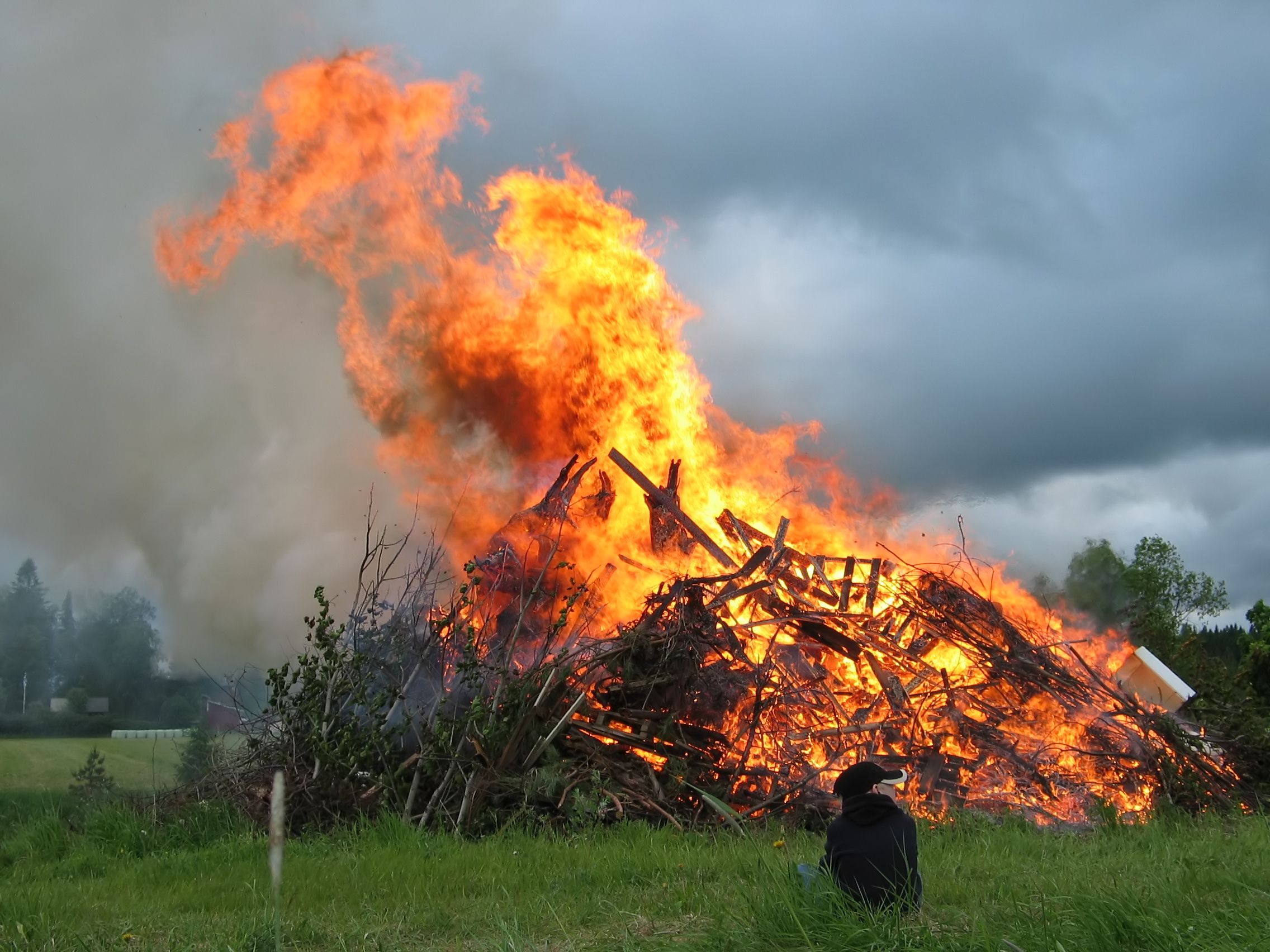
Is wood burning a physical or chemical change?
a)
Physical
b)
Chemical
24.
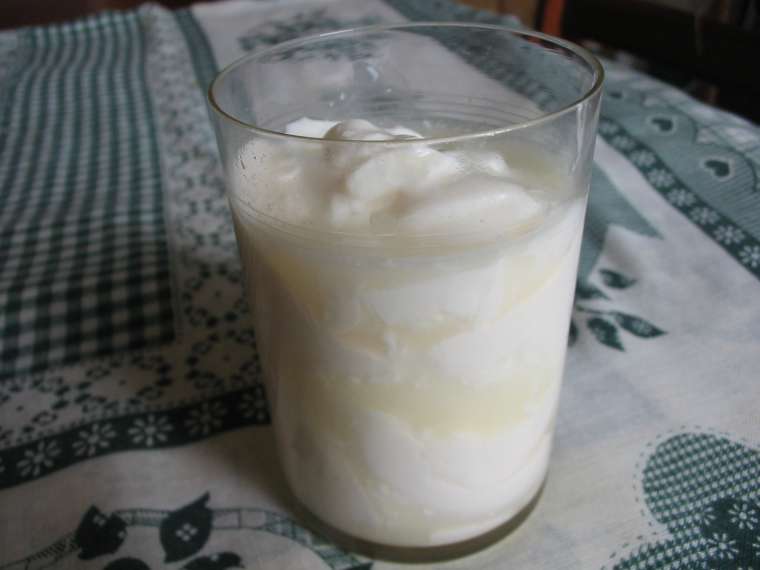
Is milk going sour a physical or chemical change?
a)
Physical
b)
Chemical
25.

Is Gatorade powder dissolving in water physical or chemical change?
a)
Physical
b)
Chemical
26.

Is mold growing on cheese a physical or chemical change?
a)
Physical
b)
Chemical
27.

Is making orange juice a physical or chemical change?
a)
Physical
b)
Chemical
28.

Is sharpening a pencil a physical or chemical change?
a)
Physical
b)
Chemical
29.

Is copper tarnishing a physical or chemical change?
a)
Physical
b)
Chemical
30.

Is the formation of the grand canyon a physical or chemical change?
a)
Physical
b)
Chemical
31.
Which of the following is not a clue that a chemical reaction has taken place?
a)
Changing size
b)
Changing color
c)
A gas being formed
d)
Formation of a precipitate
32.
Which of the following IS a clue that a chemical change has occurred?
a)
State of matter change
b)
Size Change
c)
Change in temperature
d)
Shape change
33.
What is the chemical symbol for the element hydrogen
a)
H
b)
He
c)
h
d)
he
34.
What is the chemical symbol for the element Silicon
a)
S
b)
Si
c)
si
d)
Sl
35.
What is the chemical symbol for the element Carbon
a)
ca
b)
co2
c)
C
d)
Cd
36.
What is the chemical symbol for the element copper?
a)
co
b)
c
c)
Cu
d)
cu
37.
What is the chemical symbol for the element Aluminum
a)
A
b)
AL
c)
Al
d)
al
38.
What is the chemical symbol for the element Nitrogen
a)
Ni
b)
N
c)
No
d)
Nb
39.
What is the chemical symbol for the element oxygen
a)
O
b)
Oxy
c)
ox
d)
Oy
40.
What is the chemical symbol for the element Silver
a)
S
b)
Si
c)
Au
d)
Ag
41.
What is the chemical symbol for the element Chlorine
a)
C
b)
Cl
c)
cl
d)
Ch
42.
What is the chemical symbol for the element Gold
a)
G
b)
go
c)
AU
d)
Au
43.
What element is represented by the Chemical symbol Mg
a)
Manganese
b)
Magnesium
c)
Molybdenum
d)
Mitrium
44.
What is the chemical symbol for the element Iron
a)
I
b)
Ir
c)
Fe
d)
fe
45.
What is the chemical symbol for the element Zinc
a)
Z
b)
Zn
c)
Zr
d)
zn
46.
What is the chemical symbol for the element Helium
a)
He
b)
he
c)
H
d)
h
47.
What is the chemical symbol for the element Calcium
a)
C
b)
Ca
c)
Cl
d)
CL
48.
What is the chemical symbol for the element Potassium
a)
K
b)
P
c)
Po
d)
Pt
49.
What is the chemical symbol for the element Phosphorus
a)
p
b)
P
c)
Ph
d)
Ps
50.
What is the chemical symbol for the element Sodium
a)
Na
b)
So
c)
S
d)
Sd
51.
What is the chemical symbol for the element Iodine
a)
I
b)
Io
c)
Id
d)
In
52.
What is the chemical symbol for the element Fluorine
a)
F
b)
Fl
c)
Flu
d)
f
53.
How many different elements are in this chemical formula: C2H2ClK3
a)
6
b)
8
c)
2
d)
4
54.
Which of the following chemical formulas represents a compound?
a)
C3
b)
O2
c)
CH3CHO
d)
H2
55.
Can be found on the periodic table
a)
Element
b)
Compound
c)
MIxture
56.

What is gold?
a)
element
b)
compound
c)
mixture
57.

What is sugar?
a)
element
b)
compound
c)
mixture
58.

What is water?
a)
element
b)
compound
c)
mixture
59.

When two or more elements chemically combine
a)
element
b)
compound
c)
mixture
d)
solution
60.

This rock formed when bits of other rocks became pressed into a solid. What type of rock is it?
a)
Sedimentary Rock
b)
Metamorphic Rock
c)
Igneous Rock
61.

This rock was formed when magma cooled very slowly inside the Earth. What specific type of rock is it?
a)
Intrusive Igneous Rock
b)
Extrusive Igneous Rock
c)
Foliated Metamorphic Rock
d)
Clastic Sedimentary Rock
62.

This rock formed when lava cooled very quickly on Earth's surface. What specific type of rock is it?
a)
Extrusive Igneous Rock
b)
Intrusive Igneous Rock
c)
Non-Foliated Metamorphic Rock
d)
Biochemical Sedimentary Rock
63.
When you watch a volcano erupt molten rock, you are seeing _____
a)
Lava
b)
Magma
c)
Mineral Crystals
d)
Igneous Rocks
64.
When you are describing the sizes of the mineral grains in a rock, you are detailing the rock's _____
a)
Texture
b)
Composition
c)
Sedimentation
d)
Igneous-ness
65.
What are the 3 major types of rocks?
a)
Igneous, Metamorphic, Sedimentary
b)
Metamorphic, Igneous, Cementation
c)
Brown, Red, Gray
d)
Streak, Hardness, Breakage
66.
Two ways to describe types of igneous rocks are _____
a)
Extrusive and Intrusive
b)
Foliated and Non-Foliated
c)
Clastic and Biochemical
d)
Black and Gray
67.
What process is used to form sedimentary rocks?
a)
Lava cools and hardens to form a rock.
b)
Weathering, Erosion, Deposition, Compaction, Cementation
c)
Extreme heat and pressure from inside the Earth turn rocks into new rocks.
d)
Magma trapped under the Earth's surface cools and solidifies.
68.
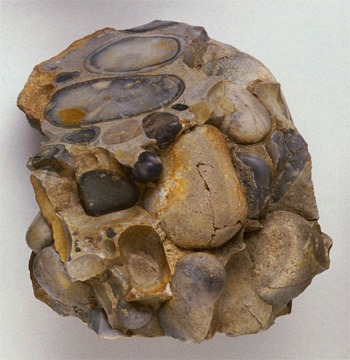
This rock was formed by smaller pieces of rock that settled at the bottom of a lake millions of years ago. What type of rock is this?
a)
Sedimentary
b)
Igneous
c)
Metamorphic
69.
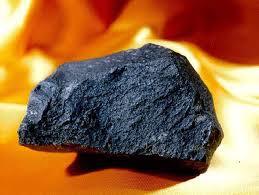
This rock was found near the mouth of a volcano. What type of rock is this?
a)
Sedimentary
b)
Igneous
c)
Metamorphic
70.

When sediments are pressed together tightly, this is called ____________.
a)
Compaction
b)
Cementation
c)
Weathering
d)
Erosion
71.
The process in which sediment are fused or glued together.
a)
compaction
b)
deposition
c)
organic rock
d)
cementation
72.
What is deposition?
a)
Dropping off sediment
b)
Movement of sediment
c)
Breaking down of sediment
73.

The process when rocks break into smaller pieces due to exposure to natural elements is called
a)
erosion
b)
weathering
c)
sediments
d)
deposition
74.
The movement of weathered material (sediment) is called?
a)
weathering
b)
erosion
c)
deposition
d)
cementation
75.
Sedimentary rock that is made of fragments of rocks cemented together by a mineral are called...
a)
chemical
b)
organic
c)
clastic
76.
Sedimentary rock that is formed from water evaporating and minerals being left behind.
a)
clastic
b)
organic
c)
chemical
77.
Sedimentary rock made from fossils are called...
a)
organic
b)
chemical
c)
stratified
78.
This rock was formed when molten rock cooled into a solid. What type of rock is it?
a)
Igneous Rock
b)
Metamorphic Rock
c)
Sedimentary Rock
79.
Which type of rock is formed from INTENSE heat and pressure?
a)
igneous
b)
sedimentary
c)
metamorphic
80.

Is the following metamorphic rock foliated or non-foliated?
a)
Foliated
b)
Non-foliated
c)
Neither
100 %

