
Font size
S
M
L
XL
 Worksheets
ORGAN SYSTEMS LESSON 1-4
Total questions: 130
Worksheet time: 2hrs 52mins
Name
Class
Date
1.
Define Skeletal System
a)
The organs that make up the skeleton
b)
the system that is made up of all the bones in your body.
c)
The tissue inside of a bone that looks like a sponge. Found at the end of long bones.
d)
Spongy material inside bones THAT PRODUCES RED BLOOD CELLS
2.
The _________________ gives the body its shape and supports and protects the internal organs.
a)
urinary system
b)
skeletal system
c)
lympthatic/immune system
d)
endocrine system
3.
How many bones are there in the human body?
a)
208
b)
126
c)
206
d)
80
4.
The soft inside part of the bone is
called__________________ .
called__________________ .
a)
periosteum
b)
spongy
c)
marrow
d)
cancellous
5.
What is the flexible rubbery tissue that helps cushion bones where they meet called?
a)
ligaments
b)
cartilage
c)
tendons
d)
knee pads
6.
The long straps that keep a joint in place are called?
a)
tendons
b)
cartilage
c)
ligaments
d)
muscle
7.
The bands of tissue that connect bones to muscle?
a)
tendons
b)
cartilage
c)
ligaments
d)
muscle
8.
Which of the following is a hinge joint?
a)
hip
b)
elbow
c)
shoulder
d)
neck
9.
What ball and socket joint do you use when you throw a ball?
a)
shoulders
b)
hips
c)
elbow
d)
wrist
10.
This is at the end of a bone, cushions/tough
a)
cartilage
b)
tendon
c)
ligament
d)
marrow
11.
What is the main job of the Muscular System?
a)
Make blood cells
b)
Movement
c)
Remove waste from blood
d)
Support
12.
How many types of Muscles are there in the body?
a)
2
b)
4
c)
3
d)
1
13.

These muscles work automatically without us doing any work.
a)
Skeletal/ Voluntary
b)
Smooth/Involuntary
c)
Cardiac
d)
Rough
15.
Cardiac muscle is only found where?
a)
Lungs
b)
Heart
c)
Kidney's
d)
Liver
15.
Cardiac muscle is only found where?
a)
Lungs
b)
Heart
c)
Kidney's
d)
Liver
16.
How are muscles attached to bone?
a)
Ligaments
b)
Cartlidge
c)
skin
d)
Tendons
17.
Which muscle type is found in your stomach, bladder, and intestines?
a)
Skeletal
b)
Smooth
c)
Cardiac
d)
Straight
18.
When a muscle contracts, it _______
a)
gets longer
b)
gets shorter
c)
gets thinner
d)
grows hair
19.
Muscles always work in _____
a)
pairs
b)
groups of 3
c)
bones
d)
joints
20.
What can you do to take care of your muscular system?
a)
stretch and follow a healthy diet
b)
have your strength tested regularly
c)
do not lift heavy because it damages muscles
d)
eat a lot of protein and saturated fat
21.
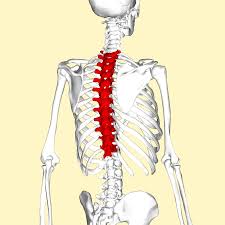
The bones in your back are made up of what?
a)
fingers
b)
phalanges
c)
vertebrate
d)
toes
22.

What is the place where two bones meet?
a)
hinge
b)
bone
c)
spot
d)
joint
23.

What is the name for the connector that attaches muscle to bone?
a)
ligament
b)
tendon
c)
patella
d)
string
24.

What is the name for the connector that attaches bone to bone?
a)
ligament
b)
tendon
c)
patella
d)
string
25.
Ligaments connect:
a)
Bone to bone
b)
Muscle to bone
c)
Joint to joint
d)
Bone to joint
26.
Which of the following is not a function of bones?
a)
Protection
b)
Blood cell formation
c)
Storage
d)
Absorption
27.
What is the disorder of the skeletal system that results in having very brittle, soft bones?
a)
Osteoporosis
b)
Osteomyelitis
c)
Arthritis
d)
Bursitits
28.
Bone formed by needlelike pieces of bone and lots of space are called
a)
Spongey bone
b)
Cartilage
c)
Compact bone
29.
The skeletal system is composed of what as well as bones?
a)
Joints, ligaments, and tendons
b)
Joints, ligaments, and cartilage
c)
Cartilage, ligaments, and tendons
d)
Ligaments and joints
30.
Tissue found in some bones that makes blood cells
a)
red marrow
b)
yellow marrow
c)
canaliculi
d)
lamellae
31.

What do the bones create?
a)
white blood cells
b)
platlets
c)
red blood cells
d)
flying turkeys
32.
Which type of joint give you the largest range of motion?
a)
pivot
b)
ball-and-socket
c)
hinge
d)
gliding
33.

The chewing and grinding of food into smaller pieces is an example of...
a)
Mechanical Digestion
b)
Chemical Digestion
34.

What is one secondary (helper) organ of the digestive system?
a)
Small Intestine
b)
Esophagus
c)
Gallbladder
d)
Stomach
35.

Bile is made by which digestive organ?
a)
Gallbladder
b)
Stomach
c)
Rectum
d)
Liver
36.

Which digestive organ makes digestive juices to help the small intestine absorb nutrients?
a)
Liver
b)
Gallbladder
c)
Pancreas
d)
Esophagus
37.

Nutrients from digested food are absorbed in which digestive organ?
a)
Small Intestine
b)
Stomach
c)
Large Intestine
d)
Gallbladder
38.
Which of the following is NOT part of the digestive tract? (Hint: Identify the secondary organ.)
a)
Mouth
b)
Esophagus
c)
Small Intestine
d)
Liver
39.

Number 4 is pointing to the....
a)
Anus
b)
Rectum
c)
Large Intestine
d)
Small intestine
40.

Number 5 is pointing to the...
a)
Liver
b)
Gallbladder
c)
Pancreas
d)
Stomach
41.

Number 3 is pointing to the...
a)
Small intestine
b)
Rectum
c)
Large intestine
d)
Stomach
42.

Number 2 is pointing to the...
a)
Esophagus
b)
Stomach
c)
Small intestine
d)
Anus
43.

Which organ pushes food down to the stomach?
a)
Mouth
b)
Esophagus
c)
Rectum
d)
Large intestine
44.
Which body system gets ride of solid waste?
a)
Excretory (Urinary)
b)
Digestive
c)
Circulatory
d)
Respiratory
45.

As waste moves through the digestive system, the ______ absorbs water before storing waste in the rectum.
a)
Small intestine
b)
Stomach
c)
Esophagus
d)
Large intestine
46.
A short tube at the end of the large intestine that stores solid waste is the...
a)
Anus
b)
Rectum
47.

Bile is stored in which secondary digestive organ?
a)
Stomach
b)
Liver
c)
Gallbladder
d)
Pancreas
48.
What is the substance found in the stomach that allows for chemical digestion to take place?
a)
Gastric Juices
b)
Saliva
c)
Bile
49.
Which is NOT a function of the Digestive System?
a)
To rid the body of solid waste
b)
Absorb nutrients for energy & growth
c)
Break down nutrients from food
d)
Pump blood around the body
50.

The opening at the end of the digestive system where solid waste comes out is the...
a)
rectum
b)
anus
c)
mouth
d)
large intestine
51.

Which secondary organ makes digestive juices like insulin to help absorb food in the small intestine?
a)
Large intestine
b)
Pancreas
c)
Liver
d)
Gallbladder
52.
Gastric juices in the stomach digest food into a thick liquid. This is...
a)
Mechanical digestion
b)
Chemical digestion
53.
Enzymes (chemicals) in your saliva help break down food while chewing. This is...
a)
Mechanical digestion
b)
Chemical digestion
54.
Most chemical digestion takes place in which organ?
a)
Stomach
b)
Small intestine
c)
Rectum
d)
Esophagus
55.

Number 7 is pointing to...
a)
Mouth
b)
Esophagus
c)
Small intestine
d)
rectum
56.

Number 8 is pointing to the...
a)
small intestine
b)
stomach
c)
anus
d)
rectum
57.
What comes first?
a)
Mouth
b)
stomach
c)
large intestine
d)
none
58.
Why is the esophagus/food pipe important?
a)
To swallow food
b)
To choke
c)
To make your breath smelly
d)
None of these
59.
What does the stomach do?
a)
Nothing
b)
Adds digestive juices to the food
c)
Goes out to the rectum
d)
Barley any of these
60.
WHAT IS AFTER THE SMALL INTESTINE?
a)
Large intestine
b)
nothing
c)
liver
d)
pancreas
61.
After the large intestine, what comes next?
a)
Rectum
b)
Toilet
c)
none
d)
accessory organs
62.
The rectum does what?
a)
Takes out the waste
b)
Just leave it in there
63.
Small muscular pouch responsible for storing bile
a)
pancreas
b)
mechanical
c)
amylase
d)
gallbladder
64.
Muscular tube that connects the mouth to the stomach
a)
Epiglottis
b)
Peristalsis
c)
Stomach
d)
Esophagus
65.

Number 7 in the diagram represents the:
a)
Small intestine
b)
Liver
c)
Large intestine
d)
Gall Bladder
66.
Type of digestion in the stomach:
a)
Mechanical
b)
Chemical
c)
Both
67.
Where chemical digestion starts.
a)
Small intestine
b)
Oesophagus
c)
Mouth
d)
Stomach
68.
Inhale!!!!
Your lungs are ___________ air
Your lungs are ___________ air
a)
taking in
b)
letting out
69.
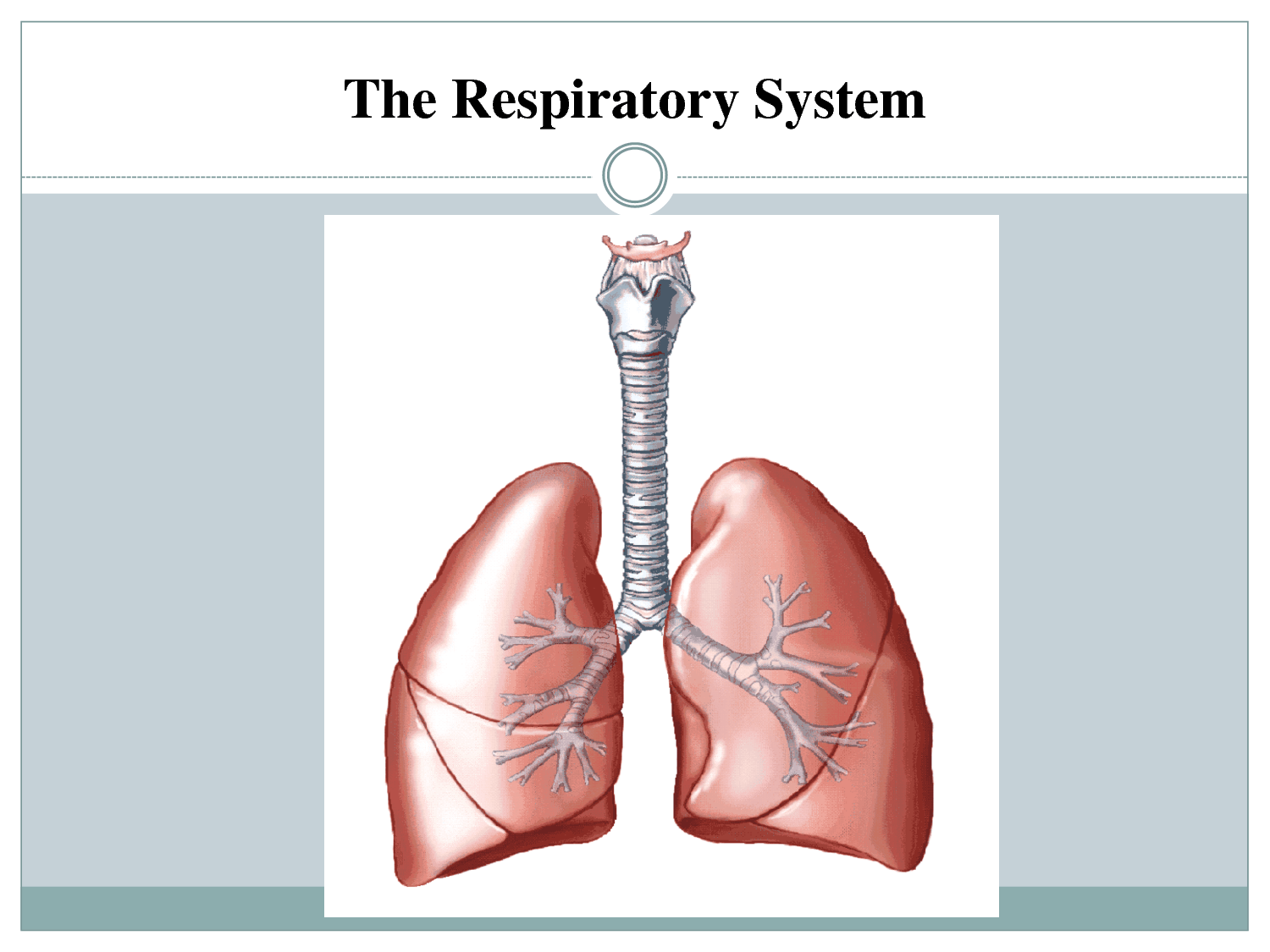
What is the main function of the respiratory system?
a)
to provide oxygen and remove carbon dioxide from the body
b)
to bring oxygen to the body
c)
to break down food and absorb nutrients
d)
to remove oxygen from the body and deliver carbon dioxide
70.
EXHALE!!!
My lungs are __________________ air.
My lungs are __________________ air.
a)
taking in
b)
letting out
71.
What are the main organs of gas exchange in the respiratory system?
a)
diapragm
b)
lungs
c)
trachea
d)
bronchi
72.
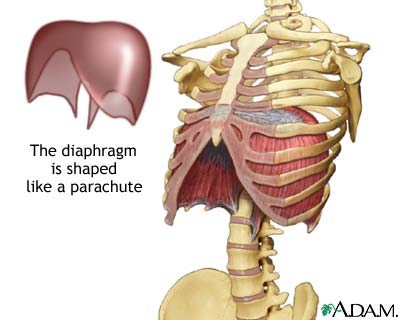
What is function of the dome-shaped diaphragm?
a)
This is where gas exchange happens.
b)
Air passes through the diaphragm on the way to the lungs.
c)
It attaches to the lungs to help in breathing.
d)
It is under the lungs and keeps them from falling down to your stomach.
73.
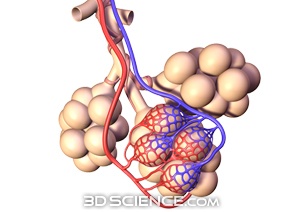
When you breathe, your lungs take in ___ and remove ___.
a)
air/oxygen
b)
oxygen/carbon dioxide
c)
carbon dioxide/waste
d)
waste/air
74.
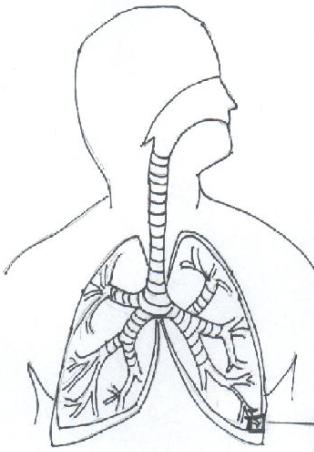
What is the function of the bronchi?
a)
Transport air from nose to lungs
b)
Transport air from trachea to lungs
c)
Transport air from lungs to alveoli
d)
Transport air from alveoli to blood
75.
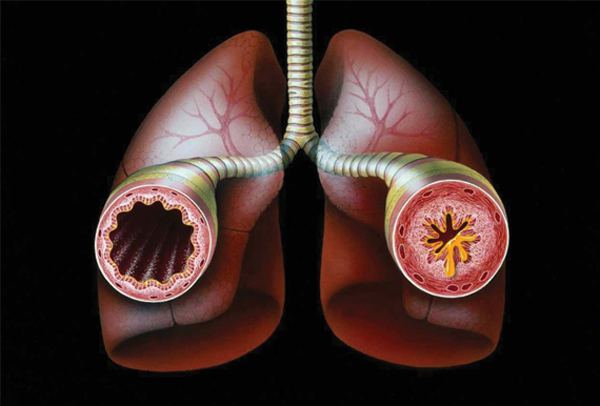
A disorder of the lungs called ____ causes the bronchi to become restricted (get smaller) so air can't get to the lungs.
a)
asthma
b)
cold
c)
influenza
d)
bronchitis
76.
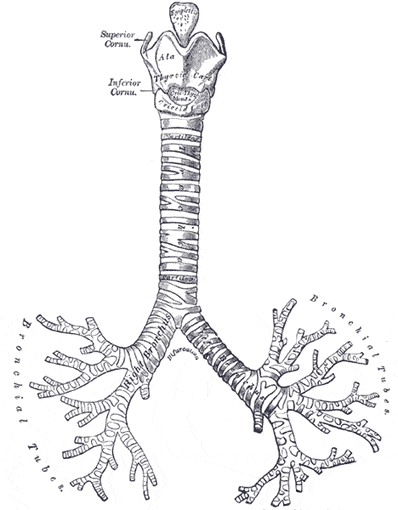
The two main branches from the trachea (one to each lung)
a)
bronchi
b)
alveoli
c)
capillaries
d)
bronchioles
77.
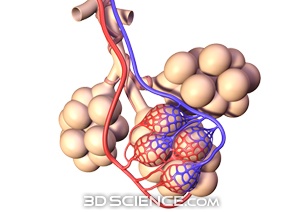
The air sacs that are covered with capillaries where gas exchange takes place
a)
bronchi
b)
lungs
c)
oxygen
d)
alveoli
78.

Within the lungs, the exchange of oxygen and carbon dioxide occurs between the ___ and the capillaries.
a)
trachea
b)
bronchi
c)
alveoli
d)
diaphragm
79.
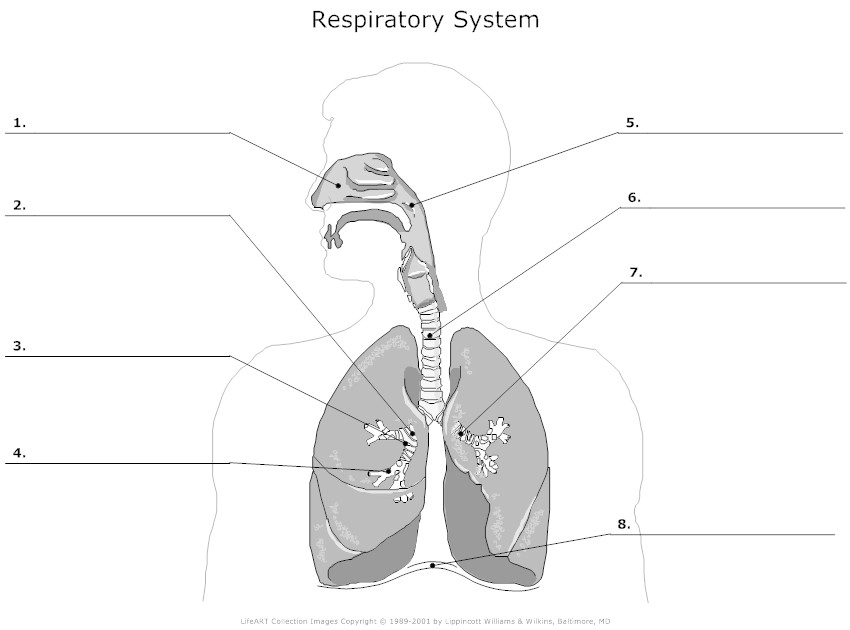
Name the organ label # 6.
a)
alveoli
b)
bronchi
c)
trachea
d)
lungs
80.
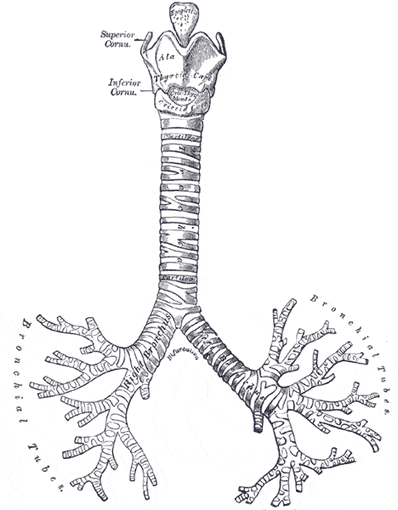
What is tube that is also known as your wind pipe?
a)
esophogus
b)
bronchi
c)
trachea
d)
alveoli
81.
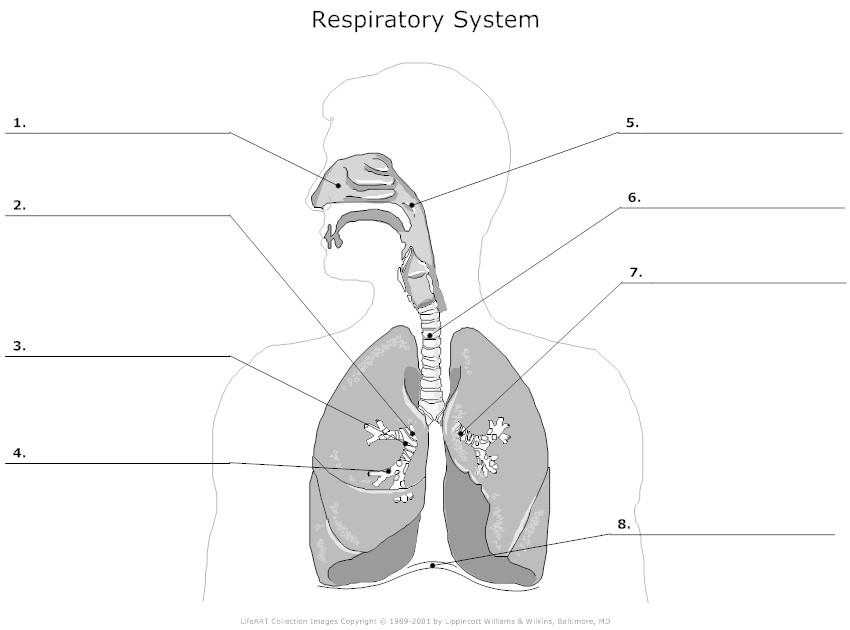
Name the structure labeled 8
a)
lungs
b)
trachea
c)
diaphragm
d)
alveoli
82.
The passageway that is shared by both the digestive and respiratory system is the....
a)
larynx
b)
pharynx
c)
trachea
d)
nose
83.
Flap of skin that covers the opening to the windpipe during swallowing
a)
Stomach
b)
Trachea
c)
Pancreas
d)
Epiglottis
84.
The Pharynx is the muscle that moves the lungs
a)
True
b)
False
85.
What is the main function of the excretory system?
a)
to collect and remove wastes from the body
b)
to strengthen skeletal muscles
c)
to protect the nervous system
d)
to bring oxygen to body cells
86.
Which organ of the excretory system stores urine until the body is ready to eliminate it?
a)
ureters
b)
urethra
c)
urinary bladder
d)
urea
87.
Which excretory organ eliminates water and some chemical wastes in perspiration?
a)
lungs
b)
skin
c)
liver
d)
kidneys
88.
What function do the kidneys perform?
a)
eliminate carbon dioxide
b)
supply oxygen to body cells
c)
remove urea and excess water
d)
play a role in gas exchange
89.
What function do the kidneys perform?
a)
eliminate carbon dioxide
b)
supply oxygen to body cells
c)
remove urea and excess water
d)
play a role in gas exchange
90.
The process of removal of the body’s wastes is called
a)
gas exchange.
b)
respiration.
c)
excretion.
d)
filtration.
91.

Using the picture, what is the structure of A?
a)
ureter
b)
kidney
c)
urinary bladder
d)
urethra
92.
Using the picture, what is the structure of A?
a)
ureter
b)
kidney
c)
urinary bladder
d)
urethra
93.

What is #3?
a)
Kidney
b)
Ureters
c)
Bladder
d)
Urethra
94.

These organs are responsible for what?
a)
storing urine
b)
storing water
c)
filtering blood
d)
they don't have a particular job
95.
How many kidneys do you have?
a)
1
b)
3
c)
5
d)
2
96.
What is the function of the urethra?
a)
It filters urea out of the bloodstream
b)
It delivers urine from the bladder to the outside world
c)
It transfers urine from the kidneys to the bladder
d)
It prevents urine from leaking out of the bladder
97.

What is #4?
a)
Kidney
b)
Ureter
c)
Bladder
d)
Urethra
98.
What word describes the function of the nephrons?
a)
Tube
b)
Passageway
c)
Filter
d)
Reservoir
99.
One major function of the excretory system is to clean the what?
a)
urine
b)
blood
c)
kidneys
d)
bladder
100.

What organ is B pointing to?
a)
Kidney
b)
Urethra
c)
Ureter
d)
Bladder
101.
Where is urine stored?
a)
kidneys
b)
urinary bladder
c)
urethra
d)
ureters
102.

What is organ 1.
a)
Kidney
b)
Ureter
c)
Bladder
d)
Urethra
103.

What is #3?
a)
Kidney
b)
Ureters
c)
Bladder
d)
Urethra
104.
secrete wastes including water, salts, and small amounts of urea
a)
appendix
b)
gall bladder
c)
salivary glands
d)
sweat glands
105.
The filtering structures in the kidneys are:
a)
Alveoli
b)
Nephrons
c)
Ureters
d)
Blood
106.
What is the excretory system responsible for?
a)
Moving your muscles
b)
The elimination of waste by the homeostasis
c)
To receive stimuli from inside and outside of the body
d)
To control the thought that goes through the brain
107.
Which excretory organ eliminates water and some chemical wastes in perspiration?
a)
lungs
b)
skin
c)
liver
d)
kidneys
108.
The major organ of the urinary system is the
a)
Gallbladder
b)
Ureter
c)
Kidney
d)
Nephrons
109.
There are two kidneys, two ureters, one urinary bladder, and one urethra.
a)
True
b)
False
110.
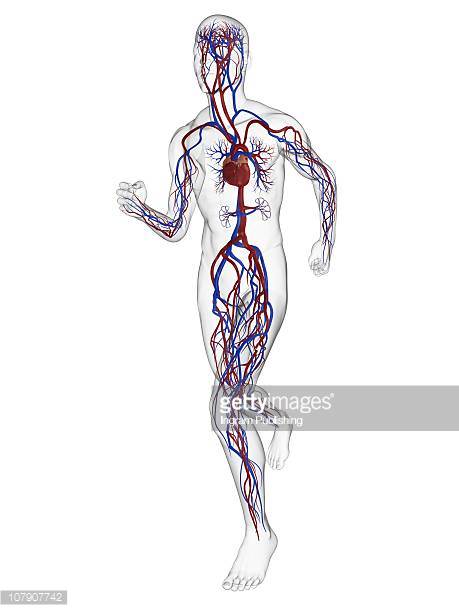
What is the main organ of the circulatory system?
a)
small intestine
b)
bone
c)
lungs
d)
heart
111.
What is the function of the heart?
a)
To pump blood around the body
b)
To remove oxygen from the blood
c)
To allow blood to flow through it
d)
To breath
112.
The heart is divided into how many parts.
a)
2
b)
4
c)
8
d)
1
113.
Name one blood vessel.
a)
Nerves
b)
Skin
c)
Artery
d)
Eyes
114.
Name one blood vessel.
a)
Nerves
b)
Skin
c)
Artery
d)
Eyes
115.
The heart has ___ chambers.
a)
1
b)
2
c)
3
d)
4
116.

What does Deoxygenated mean?
a)
Oxygen-rich
b)
Blood flow
c)
Oxygen-poor
d)
Water Flow
117.

A flap of tissue that prevents blood from flowing backward
a)
Aorta
b)
Atrium
c)
Septum
d)
Valve
118.
Carry blood away from heart; mostly oxygen-rich
a)
Arteries
b)
Veins
c)
Capillaries
119.
What is pulmonary circulation?
a)
Blood travelling to and from the lungs
b)
Blood travelling to and from the body
c)
A blood clot in the lungs
d)
The vessel that brings blood to the lungs
120.
Blood circulation from the heart to the rest of the body is called
a)
Full body
b)
Systemic
c)
pulmonary
d)
heart to lung
121.
Which is the correct definition of the Circulatory system?
a)
The system fights disease so the body stays healthy.
b)
The system that circulates blood and oxygen through the body, consisting of the heart,blood vessels,and blood.
c)
Breaks down food into smaller pieces and absorbs those nutrients into the body.
d)
Provides shape and structure for the body.
122.
What is the main function of the artery?
a)
It controls your brain and your thought process.
b)
They carry oxygen- poor blood BACK to the heart.
c)
Arteries carry oxygen- rich blood AWAY from the heart.
d)
It receives information (senses) and sends messages to the body about how to react to things.
123.
Which is NOT a function of the circulatory system?
a)
deliver O2 and nutrients to cells
b)
remove CO2 and wastes from cells
c)
break down carbohydrates into glucose
d)
transport other materials through body
124.
Structure(s) that keep the blood flowing in one direction.
a)
Valve(s)
b)
Septum(s)
c)
Neuron(s)
d)
Bronchiole(s)
125.
arteries, veins, and capillaries are three types of __________
a)
heart valves
b)
blood vessels
c)
cells
d)
veins
126.
What is an upper, thin-walled chamber through which blood is pumped to the ventricles?
a)
Valves
b)
Veins
c)
Ventricles
d)
Atrium
127.

What is a lower, thick-walled chamber that receives blood from the Atrium?
a)
Ventricle
b)
Valve
c)
Aorta
d)
Pericardium
128.

What is the Circulatory System also known as?
a)
The heart
b)
Cardiovascular System
c)
Nervous System
d)
Aorta
129.

What does blood do?
a)
Carries Water to cells
b)
Carries Oxygen to cells
c)
Carries Food to cells
d)
All of the above
130.

What do Red-Blood cells do?
a)
Carry oxygen from the lungs to the body cells and transport carbon dioxide from the cells back to the lungs
b)
keeps blood flowing in one direction to the heart and prevent blood from flowing backwards
c)
Collects blood from the capillaries and drain it into the veins
d)
Bring nutriients to the cells and carries away waste materials.
Reset

