
 Worksheets
Science 8 SE Revision S2
Total questions: 125
Worksheet time: 2hrs 34mins

What does this sign mean?
corrosive
explosive
flammable
toxic

Which of the following would increase the rate of a chemical reaction?
Freezing the chemicals
Increasing the temperature of the reagents
Removing a catalyst
Using less chemicals

Which of the following would increase the rate of a chemical reaction?
Removing a catalyst
Diluting the chemicals
Decreasing the temperature
Adding a catalyst

Which of the following would increase the rate of a chemical reaction?
Lowering temperatrure
Removing a catalyst
Making the chemicals more concentrated
Using less chemicals

Which colour on the graph would represent the solution with the higher temperature?
Red
Blue
None
Both

Which of the following would increase the rate of CO2 made using marble chips and HCl?
Lowering the temperature
Crushing the marble chips
Using less acid
Using bigger marble chips
An enzyme (biological catalyst) increases the rate of a reaction.
True
False

Look at the picture. What method is used to measure the rate of reaction according to the picture?
Product's mass measuring.
Product volume measuring.
Reactant volume measuring.
Reactant's mass measuring.
A student add marble chip into hydrochloric acid to produce carbondioxide bubble. Which way cannot ben used to speed up the chemical reaction?
Adding more marble chip.
Using high concentration of hydrochloric acid.
Use marble powder.
Heat the chemical reaction.
Which of the following is the meaning of activation energy?
The maximum energy that the particles need to produce effective collision
The amount of energy used by the particles during a collision
The minimum amount of energy that particles must have in order to react
The amount of kinetic energy of molecules during a collision
Increase in temperature causes the particles to
slow down
move faster
stay apart from each other
move in the correct order
Why does a higher concentration increase the rate of reaction?
it increases the amount of reactants
it lowers the activation energy
it increases the energy of reactant particles
it increases the frequency of collision
Why does a higher temperature increase the rate of a reaction?
It increases both the frequency collision and energy of reactant particles
It only increases the frequency of collision
It only increases the energy of reactant particles
It reduces the activation energy of the reaction
Grinding an effervescent tablet into powder increases the rate of reaction due to increase of
concentration
total surface area
temperature
size

How do you remove the water to leave solid copper sulfate crystals?
Filter
Evaporate
Distill
What does the word insoluble mean?
Does dissolve
Doesn't dissolve
Is part of a solid
Filtration is used to separate a ______ from a liquid.
undissolved solid
dissolved solid
dissolved gas
undissolved gas
Complete the following word equation:
Metal + Acid -->
Salt + water
Salt + hydrogen
Salt + Water + Carbon dioxide
Complete the following word equation:
Metalcarbonate + acid -->
Salt + Hydrogen
Salt + Water + Carbon Dioxide
Salt + Water
How do you remove the water to leave solid copper sulfate crystals?
Filter
Evaporate
Distill
What is the correct order for making a salt?
dissolve metal oxide in acid -> evaporate -> filter
dissolve metal oxide in acid -> filter -> evaporate
filter -> dissolve metal oxide in acid -> evaporate
filter -> evaporate -> dissolve metal oxide in acid
This is when heat is absorbed, it is an
Exothermic reaction
endothermic reaction
both
none
The temperature increases outside of this reaction
exothermic
endothermic
both
none

A melting ice cube is an example of
exothermic
endothermic
none
both

photosynthesis is an example of
Exothermic reaction
Endothermic reaction
both
none
Which of the following is true in an endothermic reaction?
heat is released; bond forming process
heat is absorbed; bond breaking process
heat is released; bond breaking process
heat is absorbed; bond forming process
Which of the following would NOT increase the rate at which a sugar cube dissolves?
Reducing the amount of solvent
Crushing the sugar cube
Stirring the solution
Heating the solvent
You can make a solute dissolve more quickly in a solvent by
adding more solute.
adding ice.
heating the solvent.
removing some solvent.
Which of the following is a salt?
sodium hydroxide
hydrochloric acid
calcium oxide
ammonium chloride
It is the medium in which matter is dissolved.
Solubility
Solution
Solvent
Solute
A salt is formed when nitric acid combines with sodium hydroxide. What is the name of the salt?
sodium chloride
sodium nitrate
hydrogen nitrate
sodium sulfate
Which two chemicals could you react to make only potassium chloride and water?
potassium and hydrochloric acid
potassium hydroxide and hydrochloric acid
potassium oxide and sulfuric acid
potassium and sulfuric acid


What are the products if magnesium reacts with hydrochloric acid?
Magnesium chloride + Hydrogen
Magnesium sulfate + Hydrogen
Magnesium oxide + Hydrogen
Magnesium sulfide + Hydrogen
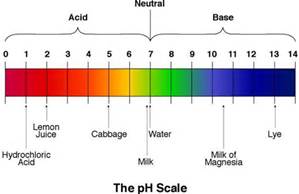
nitric acid + magnesium carbonate --> ..........+...........+............
magnesium nitrate + water
magnesium oxide + water
magnesium oxide + water + hydrogen
magnesium nitrate + water + carbon dioxide
The chemical industry makes hundreds of thousands of tonnes different salts. Many methods for making salt starts with acids. Salts made from carbonic acid are called .....
chlorides
sulfates
nitrates
carbonates
You can neutralize acid by adding a base that is just as strong?
True
False

Sections of DNA that have instructions for a specific trait are called _______________
Blueprints
Heterozygous
Genes
Fragment
Chromosomes are _______________
Long strands of DNA that contain many genes
Made of 20 pairs
Bundles of DNA that contain only one gene each
Found in the mitochondria
The passing of physical characteristics, or traits, from parent to offspring. ___________
Genetics
Heredity
Dominant
Recessive

Different versions of the same gene are called _____
genes
alleles
variation
genotype
If two alleles are the same for a certain trait they are considered ______
Homozygous
Heterozygous
A trait that always shows up when the allele is present ________
recessive
dominant
genotype
A trait that is always hidden when the dominant allele is present ______
recessive
dominant
genotype
phenptype

A hot air balloon rising is an example of ...
conduction
convection
radiation
connection

Eggs cooking in a frying pan
convection
conduction
radiation
connection

A blow dryer uses __________ to dry your hair.
convection
conduction
radiation
connection

Warming up near a campfire is an example of ...
conduction
convection
radiation
connection
Which of the following is an example of a Thermal Conductor?
Plastic
Styrofoam
Wood
Copper
Which of the following is an example of a Thermal Insulator?
Iron
Aluminum
Wood
Copper

Which is a nonrenewable source of energy?
solar
wind
coal
geothermal

An energy source that is gone forever once it is used up is called?
renewable
nonrenewable
natural resource
raw material
Transfer of thermal energy by means of currents in fluids is termed as
Conduction
Convection
Radiation
Convection and Radiation
Cooking utensils are a good example of
Conduction
Convection
Radiation
Conduction and Radiation
Poor conductors of heat and electricity are termed as
Electrolytes
Consumers
Insulators
Conductors
Process in which thermal energy is transferred by emission of electromagnetic wave is termed as ....
Conduction
Convection
Radiation
Conduction and Convection
What is NOT a renewable energy source?
coal
wind
solar
water
Which is NOT a non-renewable energy source?
coal
oil
wind
gas

I would use this piece of equipment to ...
find the weight of a substance.
to find the volume of a liquid.
to find the mass of a substance.
to see if I have lost weight.

What is this piece of laboratory equipment called?
Test tube
Beaker
Boiling tube
Flask

What is this piece of laboratory equipment called?
A coaster
A metal gauze
A place mat
A heatprof mat

Used to measure specific volume of liquid
beaker
measuring cylinder
test tube
erlenmyer flask

Used to hold the test tubes and keep from spilling
test tube
test tube rack
pipette
mortar
Used to measure the temperature of an object
hot plate
thermometer
petri dish
temperature


They used their results to make the graph below.
Which month had an average daily temperature of around 41 degrees?


Mikey had two mice that were about the same age and weight. Mikey fed each of the two mice a different feed for a month. He measured how much the mice weighed every two days until the month was over. Mikey's results showed that although both mice gained weight over the month, mouse 2 gained more weight than mouse 1.Which graph below best shows these results?

Which of the following conclusions could be drawn from the data?

What conclusions can Sean draw from his chart?


How many students scored between 95 and 100?
11
6
9
14


Which of the following is completely determined by your genes?
Your weight
Your bone structure
Your personality
Your intelligence
How many pairs of chromosomes exist in each of your cells?
10
12
19
23
What is heredity?
A kind of genetic disorder
The way that DNA divides
A trait you inherit from your parents
The passing down of traits from parents to children

What are renewable resources?
A limited amount and cannot be replaced in a human life time.
Plastic bags
Coal, oil, and natural gas
Can be replaced in our lifetime through natural processes

Sunlight is...
Very bright
Will eventually run out soon
A renewable resource
A nonrenewable resource
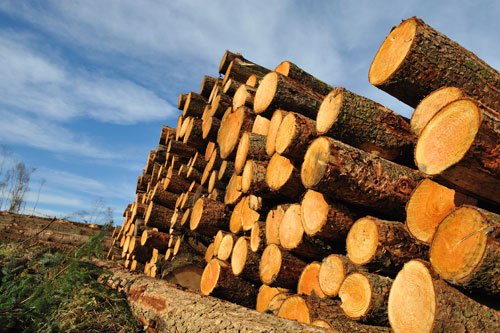
Wood is...
A renewable resource
A nonrenewable resource
Used to make oil
Used to make plastic
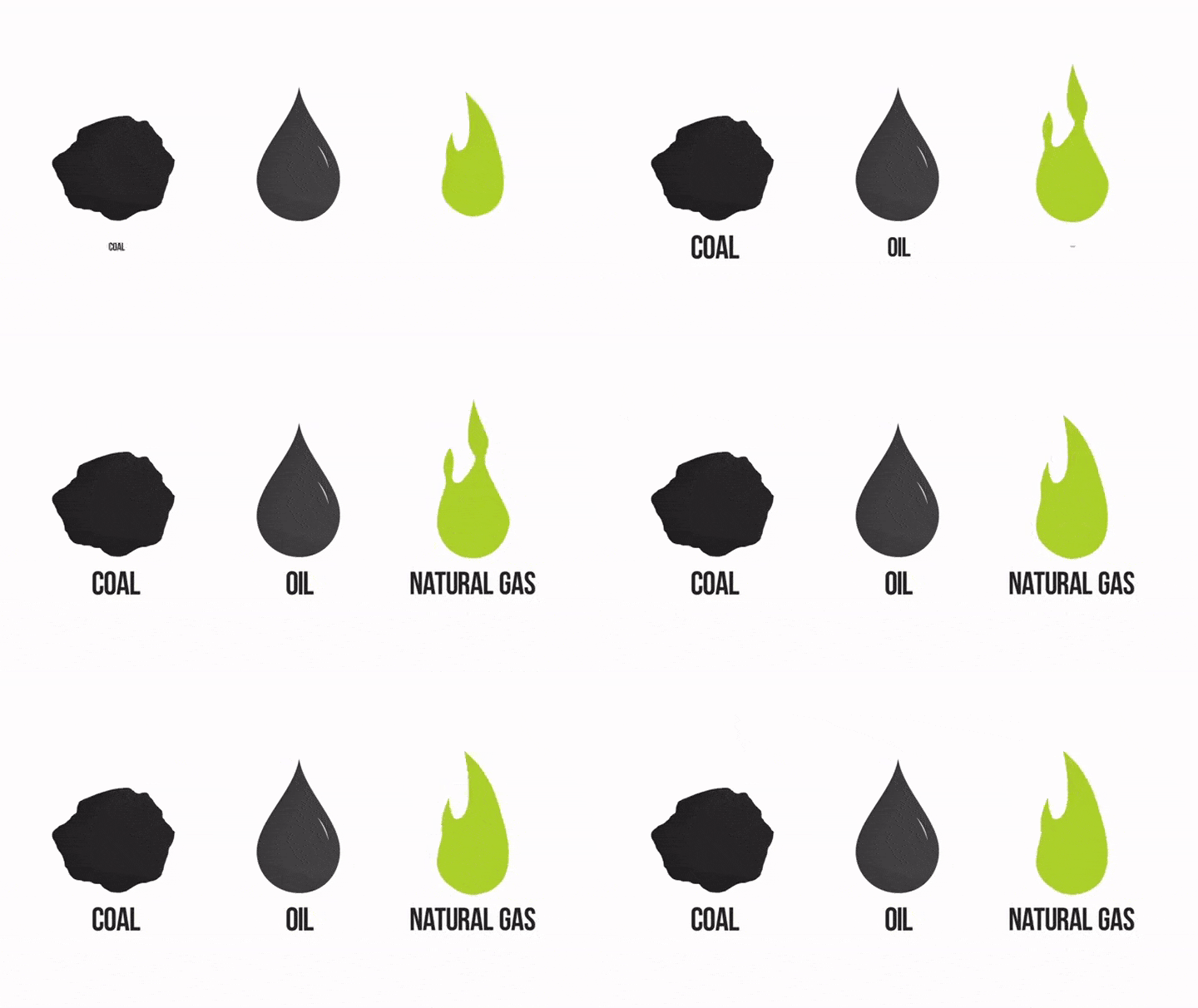
A group of non-renewable resources, called ______________, include coal, oil, and natural gas.
Fossils
Energy
Resources
Fossil fuels
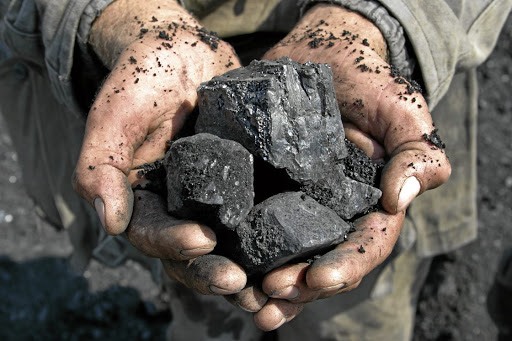
Coal comes from...
from animals that died millions of years ago.
from plants that died millions of years ago.
A factory
Burning fossil fuels
Oil is used to make...
gasoline & other types of fuel
plastics, DVDs, and tires
Energy
All of the above
Some renewable and non-renewable resources can hurt the environment. Which statement is true?
Burning wood can pollute our atmosphere
Burning coal releases gases and smoke into the atmosphere.
Oil spills in the ocean can affect ships.
Wind energy can cause harm to plants.
How so we get energy from the sun?
Sunlight can generate electricity straight from the sky.
Solar panels use the sun to power turbines.
Solar panels can convert sunlight into electrical energy.
Solar panels generate their own electricity.
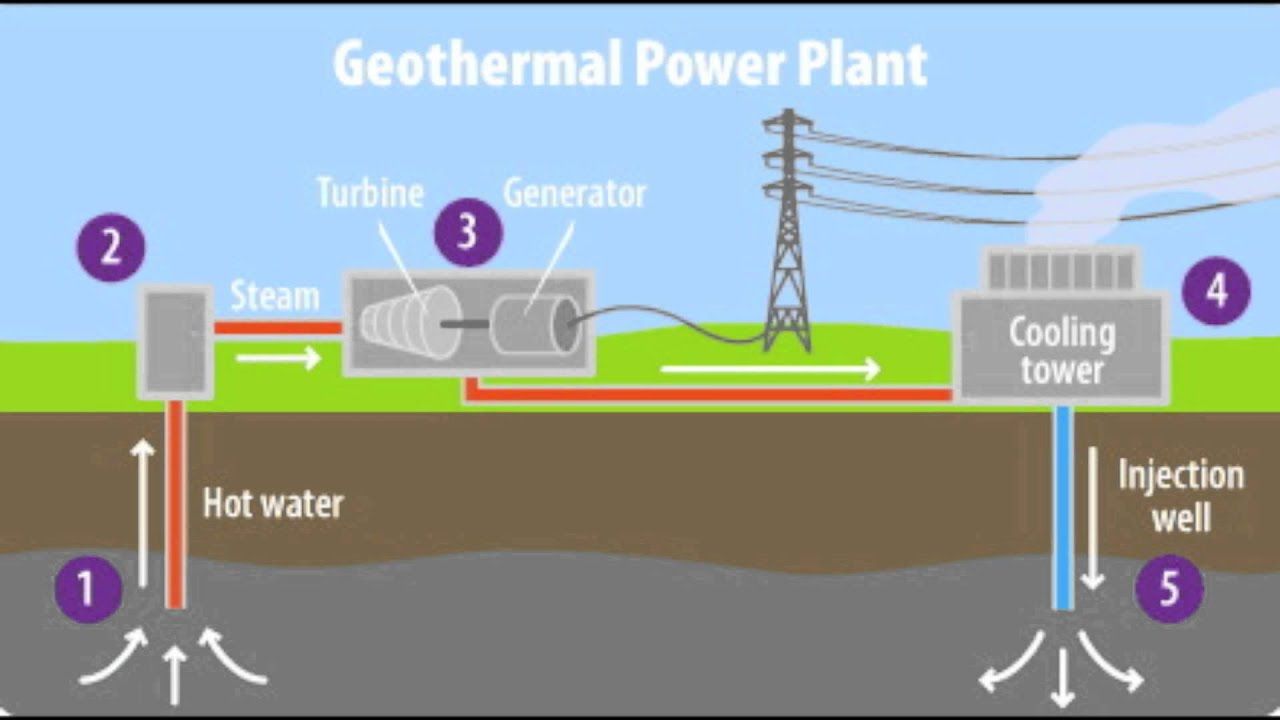
What is geothermal energy?
A power plant.
Heat energy generated and stored in the Earth.
Nuclear Energy
A nonrenewable resource
What is an advantage of using hydropower (water) as an energy source?
uses existing bodies of water.
may divert water and alter normal water flow.
might disrupt the movements of animals.
sometimes causes flooding in surrounding areas.
A disadvantage of this energy source is that it pollutes the air with gases.
hydropwer
wind
coal
solar
One disadvantage to this source is that it's not effective in certain weather.
Sun
Coal
Nuclear
Biomass


