
 Worksheets
7th Grade Science Final Exam Review
Total questions: 123
Worksheet time: 1hrs 16mins

Which point would best be described as the coastline?
A
B
C
D
Which area would experience the most erosion from waves?
A
B
C
D
The movement of rock and sediment to new places is -
Erosion
Weathering
Deposition
The breaking down of rock into sediment is -
Weathering
Erosion
Deposition

Which of the following factors carves out canyons through the processes of weathering and erosion?
Water
Wind
Roots
Gravity

Sediments being deposited at the mouths of rivers creates -
Deltas
Mid-ocean ridges
Canyons
Craters

Rivers erode sediments and carry them -
Downstream
Upstream

Waves erode and change the shape of -
Coastlines
Canyon walls
Crater rims
Deltas

What will most likely happen to a crater as the rim erodes?
It become deeper
It becomes shallower
It becomes wider
It becomes narrower
The dropping of rock and sediment that changes landforms is called -
Weathering
Erosion
Deposition

Which area would experience the most erosion from waves?
Shipping channel
Coastline

Dunes are mounds of sand that are formed by -
Wind
Warm ocean water
Precipitation such as rain, snow and sleet
Gravity

Which of the following weathers and erodes rock to form wide U-shaped valleys?
Glaciers
Rivers
Waves
Wind

Madison creates the model shown of a stream bed. She wants to demonstrate how natural processes can change the surface of Earth through deposition and erosion. She pours water on her model and makes observations. In which situation will more deposition than erosion occur in Madison's stream bed model?
More deposition will occur if the slope of the stream increases.
More deposition will occur if sediment in the stream decreases.
More deposition will occur if sediment in the stream increases.
More deposition will occur if the speed of the stream water decreases.
Chase noticed after a heavy rainstorm that the loose dirt in his backyard had been moved around, creating channels and mounds. Select two of the processes that took place in Chase's backyard.
compacting
deposition
sedimentation
weathering
erosion

Based on the diagram, structure X is
a delta that is changing due to sediment deposits from ocean currents.
an island that is changing due to the movement of plate boundaries.
a delta that is changing due to sediment deposits from a river.
an island that is changing due to increasing volcanic lava flow.

Natural Bridge Caverns, near San Antonio, TX is a large underground cavern that was created by what?
Indians dug the cave out thousands of years ago and lived there until the Mexican Army captured it and used as a staging area just before going to battle at The Alamo.
wind erosion that created a tunnel effect underground and sped the wind up to a terminal velocity and cut through the rock
water working its way through the Earth's surface and deposited minerals from rock
none of the above

Rivers carry their sediment until reaching the ocean. The faster moving water of the river meets the ocean water and slows down. The slowing down of the river water creates what land feature?
wind forms a delta because there are no trees to stop the wind and wave action is greatest at the mouth of a river
the overpopulation of coral reef in the shallow waters has caused a tremendous stockpile of sediment at the mouth of rivers as they empty into the ocean
none of the these
A delta forms from the deposition of sediment from the river
all of these
Freeport, Texas, is built on a growing delta at the mouth of the Brazos River. The land on which Freeport is built continues to grow because the Brazos River –
deposits new material on the delta
removes sediments from the delta
moves farther away from the delta
receives fresh water from the delta

When a roller coaster is at the top of a hill it has
high potential energy
high kinetic energy
low potential energy
equal amounts of kinetic and potential energy
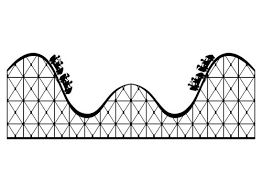
When a roller coaster is at the bottom of a hill it has
high potential energy
high kinetic energy
low kinetic energy
equal amounts of kinetic and potential energy

The sum of potential energy and kinetic energy equals the
potential energy
transformation
kinetic energy
mechanical energy

I am holding a balloon that is full of air, the balloon has
kinetic energy
potential energy

I released a balloon that was full of air and it is flying around the room, the balloon has
kinetic energy
potential energy
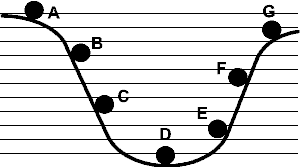
Which point has the most potential energy?
A
B
D
F
True/False: Because energy cannot be created or destroyed, when an object’s kinetic energy increases, its potential energy must decrease!
True
False
Check the boxes of the words associated with KINETIC ENERGY.
Run
Motion
Stored
Swimming
Which is the best example that something has kinetic energy?
a car parked on a steep hill
a tennis ball rolling across the court
a picture hanging on the wall
an apple resting on the table above the ground
Which point has the most kinetic energy?
A
B
D
F
Which point has the least potential energy?
A
B
D
F
Which point has the least kinetic energy?
A
B
D
F


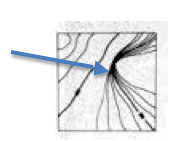


This diagram below represents a process that occurs in nature. This diagram can be used to illustrate the-
effects of reduced competition between different types of plant life.
effect of human intervention on a stable ecosystem
ecological succession from bare rock to stable ecosystem
evolution of mosses to trees over 200 years
Lichens and mosses are the first organisms to grow in an area. Over time, grasses and shrubs will
grow where these organisms have been. The grasses and shrubs are able to grow in the area
because the lichens and mosses
synthesize food needed by producers in the area
are at the beginning of every food chain in a community
make the environment suitable for complex plants
provide the enzymes needed for plant growth
Which of the following shows the correct order of stages in the primary succession of a dry land
environment?
soil, shrubs, hardwoods, pines
rock, grasses, hardwoods, shrubs
shrubs, mosses, pines, grasses
rock, lichen, mosses, grasses

Which sequence represents a correct order of succession that would involve these stages?
2,3,1,4,5
2,1,3,5,4
3,1,2,4,5
3,2,1,5,4
The lichens and mosses can be classified as
pioneer species
abiotic factors
climax community
a population
A slab of bare rock is covered with lichens. In time, mosses cover the rock, followed by grasses,
and finally by small shrubs and tree saplings. In this example, the lichens represent
climax comunity
a dominant species
secondary consumers
pioneer species

Which concept is best represented in the diagram below?
random mutations
ecological succession
genetic engineering
direct harvesting

Changes in an ecosystem over a long period of time are shown in the diagram below. These changes will most likely lead to a
stable ecosystem that can last for many years
loss of heterotrophs that cannot be recovered
long-term rise in environmental temperatures
forest consisting of only producers and decomposers
A fire burns an oak forest down to bare ground. Over the next 150 years, if the climate remains
constant, this area will most likely
remain bare land indefinitely
develop into a desert area
develop into an entirely different type of forest after hundreds of years
recover through gradual changes back to a point of long-term stability

Over a long period of time, the stages represented in the diagram below were each present in a
particular ecosystem. After a forest fire, what is the most likely order in which these stages appeared?
D, C, A, B
B, D, C, A
A, B, C, D
B, C, D, A

The diagram below represents the various stages of ecological succession in Texas. If the ecosystem is not altered, which stage would be the most stable?
grass
shrub
pine forest
hardwood forest

Which statement best describes one of the stages represented in the diagram below?
The mature forest will most likely be stable over a long period of time.
If all the weeds and grasses are destroyed, the number of carnivores will increase.
As the population of the shrubs increases, it will be held in check by the mature forest community.
The young forest community will invade and take over the mature forest community.

Which concept is represented in the graph below?
ecological succession in a community
cycling of carbon and nitrogen in a forest
energy flow in a food chain over time
negative human impact on the environment

Abiotic is non-living


True or false: An ecosystem with high genetic diversity is healthier than an ecosystem with low genetic diversity.
True
False

Smashing cookies
Physical
Chemical

Frying eggs
Physical
Chemical

Slicing apples
Physical
Chemical
Baking a cake
Physical
Chemical

A firework display
Physical
Chemical

Food digestion
Physical
Chemical

The water cycle
Physical
Chemical

Melting butter
Physical
Chemical

Burning wood
Physical
Chemical

Getting a haircut
Physical
Chemical

Chopping food
Physical
Chemical

Mixing Mentos and Coke
Physical
Chemical

Making popcorn
Physical
Chemical

Smashing a can
Physical
Chemical

A bike rusts
Physical
Chemical

This is a type of change in which matter remains the same.
Physical
Chemical

This is a change in which matter changes to a different type.
Physical
Chemical

What is the primary function of the body system in this picture?
Distribute water, oxygen, and nutrients to the body's cells
Absorbs oxygen gas and releases carbon dioxide gas from the body
Breaks down food and absorbs nutrients
Controls the body and monitors the environment through the 5 senses

What is the primary function of the body system in this picture?
Distributes water, oxygen, and nutrients to the body’s cells
Absorbs oxygen gas and releases carbon dioxide gas from the body
Breaks down food and absorbs nutrients
Controls the body and monitors the environment through the 5 senses

What is the primary function of the body system in this picture?
Distributes water, oxygen, and nutrients to the body’s cells
Absorbs oxygen gas and releases carbon dioxide gas from the body
Controls the body and monitors the environment through the 5 senses
Breaks down food and absorbs nutrients

What is the primary function of the body system in this picture?
Controls the body and monitors the environment through the 5 senses
Produces the body’s hormones that control growth and metabolism
Distributes water, oxygen, and nutrients to the body’s cells
Protects the body from infections; produces white blood cells and antibodies

What is the primary function of the body system in this picture?
Provides structure and support and protects internal organs. Marrow produces blood cells
Responsible for all of the body’s movements
Produces the body’s hormones that control growth and metabolism
a protective barrier that helps to regulate temperature and prevent dehydration

What is the primary function of the body system in this picture?
Removes waste from the body in the form of urine & feces
Controls the body and monitors the environment through the 5 senses
Responsible for all of the body’s movements
Provides structure and support and protects internal organs; marrow produces blood cells.

What is the primary function of the body system in this picture?
Produces the body’s hormones that control growth and metabolism
Protects the body from infections; produces white blood cells and antibodies
Removes waste from the body in the form of urine & feces
Absorbs oxygen gas and releases carbon dioxide gas from the body

What is the primary function of the body system in this picture?
Protects the body from infections; produces white blood cells and antibodies
Produces the body’s hormones that control growth and metabolism
A protective barrier that helps to regulate temperature and prevent dehydration
Provides structure and support and protects internal organs. Marrow produces blood cells

What is the primary function of the body system in this picture?
Removes waste from the body in the form of urine & feces
Breaks down food and absorbs nutrients
Distributes water, oxygen, and nutrients to the body’s cells
Protects the body from infections; produces white blood cells and antibodies
The nucleus of a cell controls all the cell functions. What body system does the same job in humans?
Nervous System
Skeletal System
Digestive System
Muscular System


Farmers can best reduce negative effects on the water quality of nearby streams and lakes by planting crops that
produce less oxygen
produce less carbon dioxide
need less fertilizer
need less solar energy





Plug a Blender into the wall outlet, and you're ready to go.
Which choice below BEST shows the energy transformation of making a smoothie?

