wayground logo

Free Printable Worksheets

Font size

S
M
L
XL
Worksheets

After February Break review 2022-Daniels

Total questions: 118

Worksheet time: 1hrs 28mins

Name
Class
Date
1.
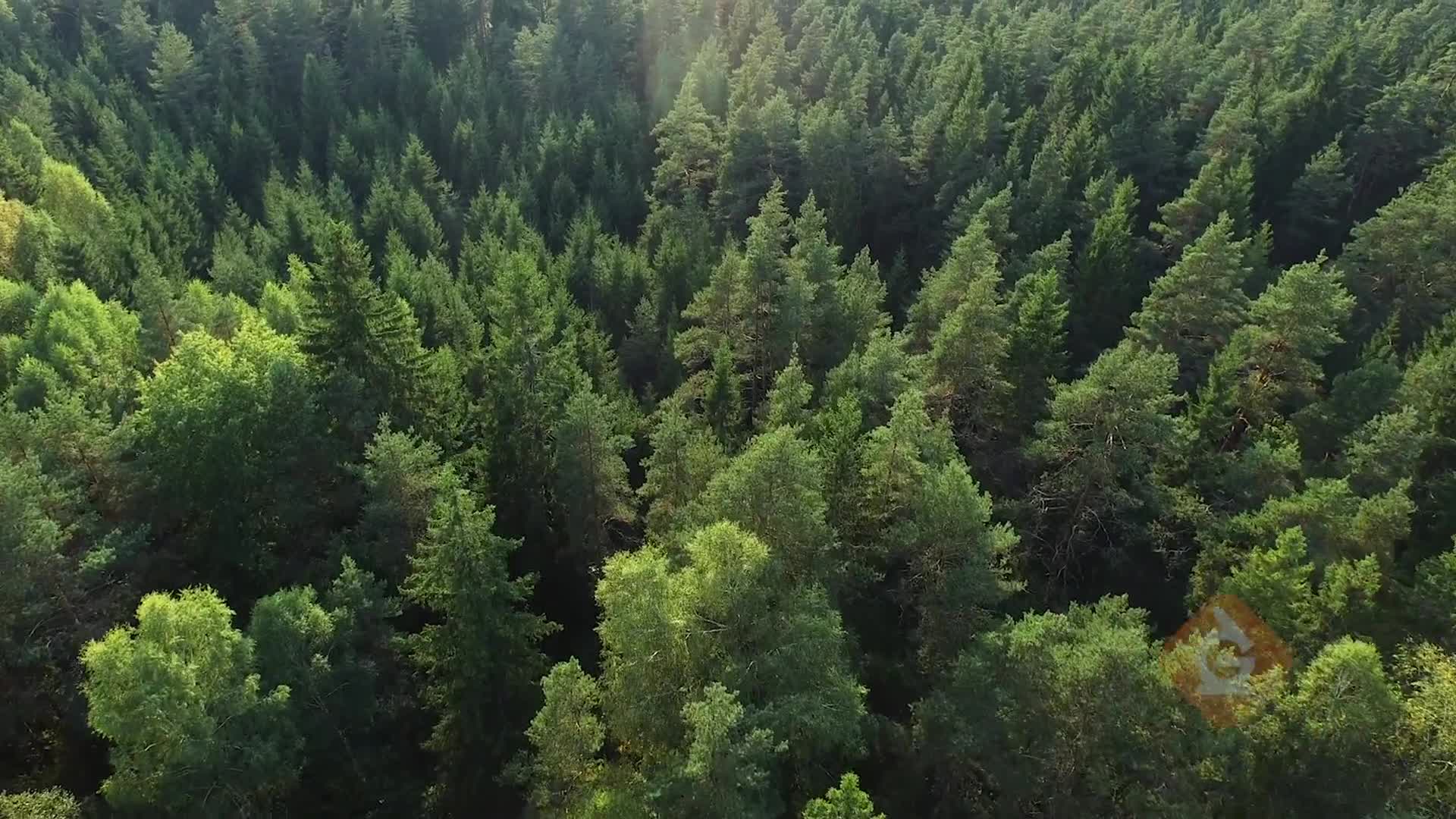
Why are trees a natural resource?
a)
The leaves are green
b)
We use them to make paper, lumber, and other products.
c)
They are beautiful
d)
They grow back after they are cut down.
2.
Which of the following means of transportation uses a renewable resource for its energy source?
a)
solar powered car
b)
coal powered steam train
c)
natural gas car
d)
gasoline truck
3.
A farmer decides that he is going to produce his own energy on the farm by using a type of renewable energy. The renewable energy could come from--
a)
setting up wind turbines
b)
having a coal furnace
c)
using natural gas
d)
burning oil
4.
Which of the following natural resources are nonrenewable?
a)
Water
b)
Animals
c)
Natural gas
d)
Wind
5.
Any useful material that is found in nature:
a)
Natural Resource
b)
Human Resource
c)
Plants
6.
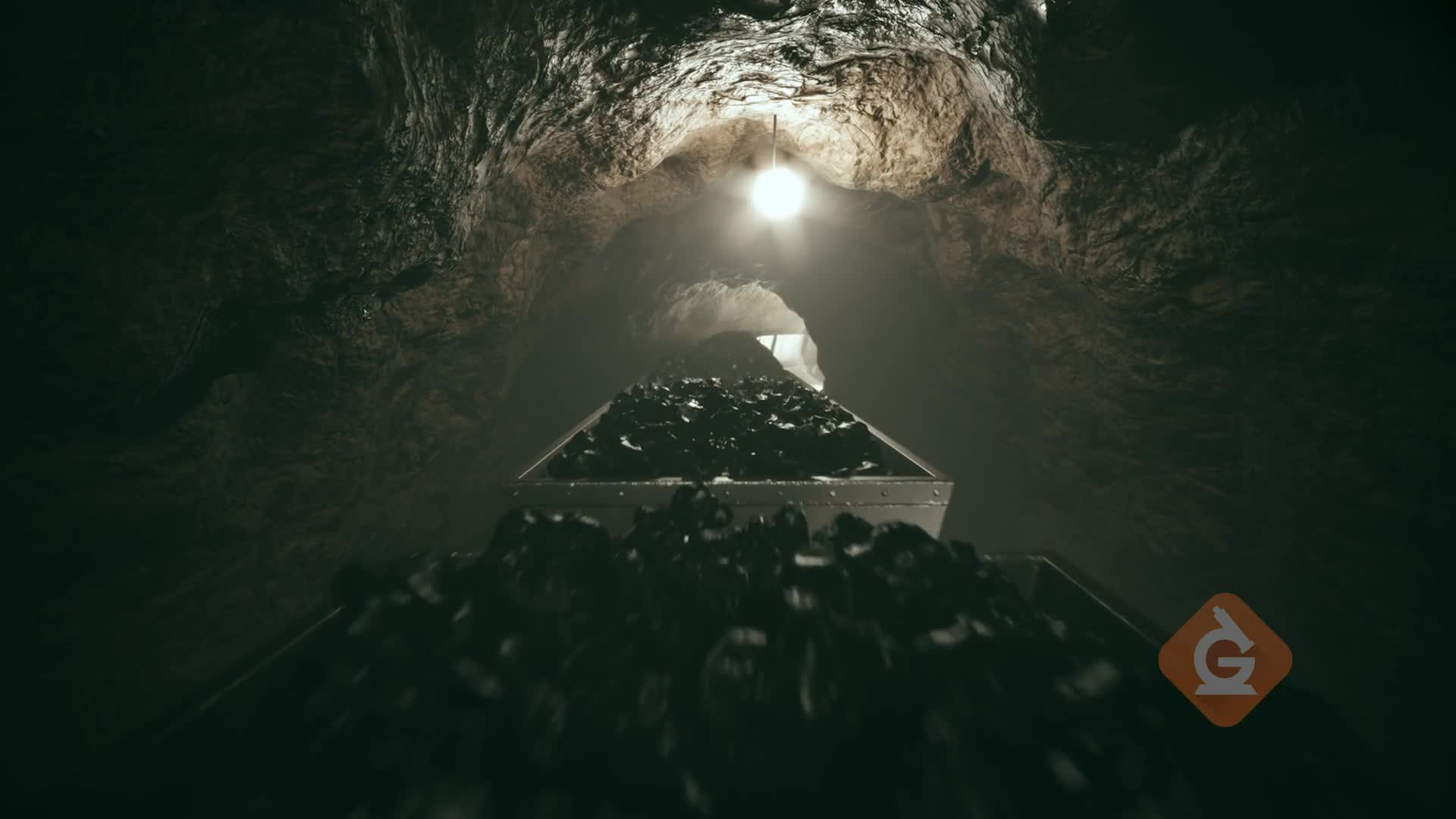
Coal is
a)
renewable
b)
nonrenewable
7.
Oil is
a)
renewable
b)
nonrenewable
8.
Sunlight is
a)
renewable
b)
nonrenewable
9.
Wind is
a)
renewable
b)
nonrenewable
10.
Things that humans use that come from the Earth are called ________.
a)
pollutants
b)
natural resouces
c)
ecosystems
d)
sunlight
11.
_____ resources are resources that cannot be replenished within a lifetime.
a)
Renewable
b)
Endangered
c)
Nonrenewable
d)
Living
12.
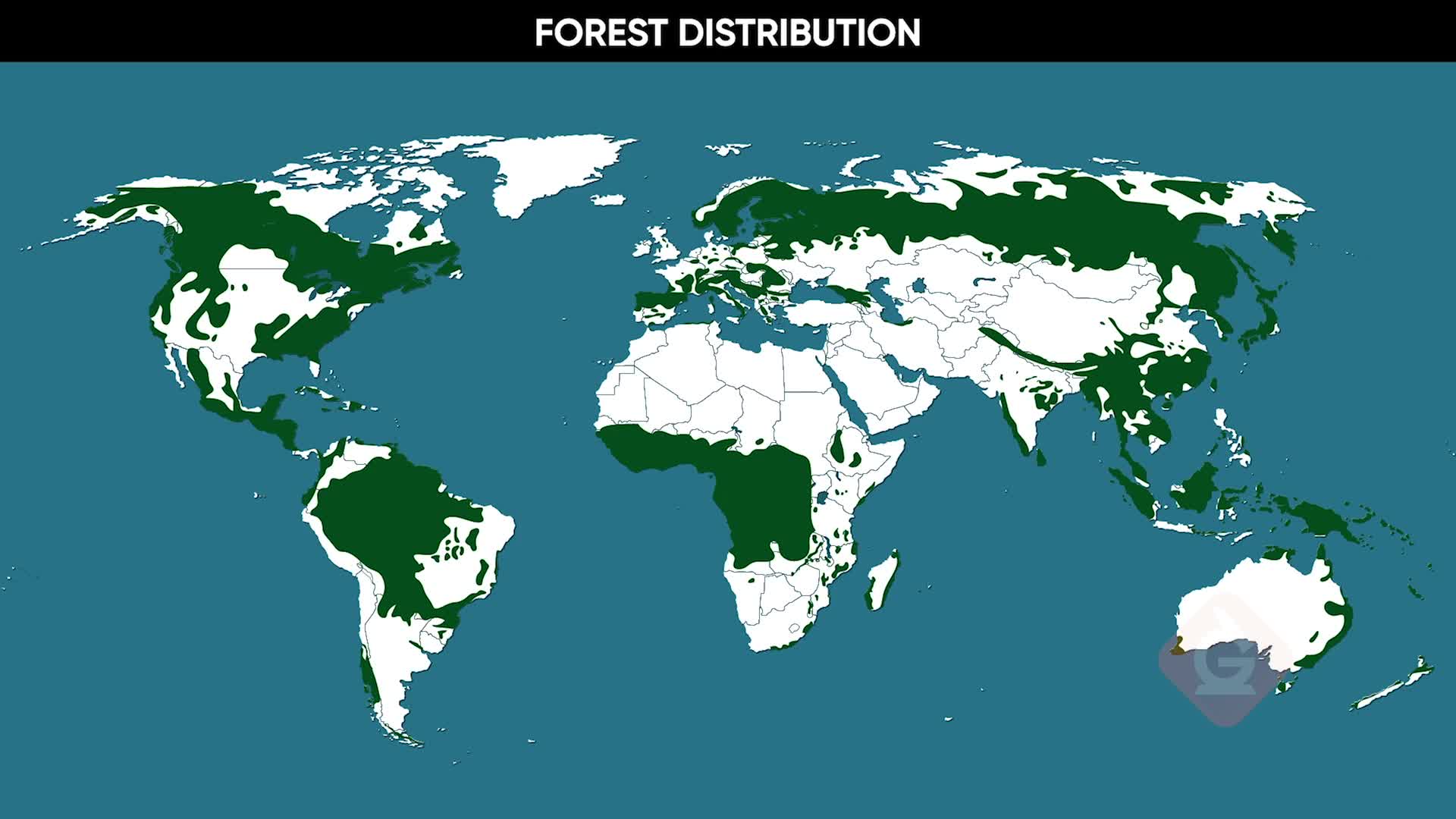
Natural resources are distributed ____across the Earth.
a)
safely
b)
easily
c)
unequally
d)
underground
13.
This resource is formed by tiny animals that died in the ocean millions of years ago. Layers of mud pressed down on the dead animals. The mud eventually turned to rock. This rock put a lot of pressure on the dead animals. Rocks around them also heated them up
a)
Oil
b)
Coal
c)
Iron
d)
Renewable resource
14.
This resource comes from plants that died millions of years ago. Thick layers of rock and soil covered the dead plants. The pressure of the rocks and soil turned the plants into a solid
a)
Oil
b)
Copper
c)
Iron
d)
Coal
15.

What are fossil fuels?

a)

coal, oil, uranium

b)

oil, natural gas, uranium

c)

coal, oil, natural gas

d)

geothemals, coal, natural gas

16.

Uranium atoms are split to create a tremendous amount of heat in a _____ power plant.

a)

biomass

b)

geothermal

c)

nuclear

d)

hydroelectric

17.

Which fossil fuel is formed in an that was once a swamp?

a)

coal

b)

oil

c)

natural gas

18.

Which fossil fuels were formed in a marine environment?

a)

coal

b)

oil

c)

natural gas

19.

Groundwater is found in pores of soil and rock.

a)

false

b)

never

c)

sometimes

d)

true

20.

A(n) ____ is a layer of permeable rock that lets water move freely.

a)

aquifer

b)

mineral

c)

lava

d)

sandstone

21.
There are large reserves in this resource in Canada, Saudi Arabia and Russia
a)
Coal
b)
Natural gas
c)
Oil
d)
Copper
22.
The United States, Europe, Russia and Australia have large reserves of this resource
a)
Coal
b)
Oil
c)
Natural Gas
d)
Gold
23.

The graph shows that the world’s coal reserves are

a)

Disappearing

b)

Evenly distributed

c)

Not measurable

d)

Unevenly Distributed

24.

The higher coal reserves in Asia and Oceania are most likely the result of

a)

Consistent Climate

b)

Geological processes

c)

Intense Sunlight

d)

Surface runoff

25.

Oil-rich countries in the Middle East cover about 4% of Earth’s total land area but possess about 48% of the world’s known oil reserves. What is the main reason for the high concentration of reserves in this part of the world?

a)

geological processes

b)

population growth

c)

technology advancements

d)

weather conditions

26.

What would geologists expect to find around the hydrothermal vent?

a)

diverse marine life

b)

metal ore deposits

c)

a hydroelectric dam

d)

large reserves of coal

27.
what type of energy is stored in a battery?
a)
electrical
b)
chemical
c)
thermal
d)
mechanical
28.
Electrical Energy is transferred to _____ Energy.
a)
Thermal
b)
Solar
c)
Electrical
d)
None
29.
A battery converts what type of energy to another?
a)
sound to kinetic
b)
light to heat
c)
mechanical to electrical
d)
chemical to electrical
30.
The roller coaster cart has the most gravitational potential energy at position-
a)
W
b)
X
c)
Y
d)
Z
31.
"Energy can be transformed from one form into another or transformed from one region or another, but energy cannot be created or destroyed."
Which law is this?
a)
Law of Conservation of Mass
b)
Newton's Second Law
c)
Law of Conservation of Energy
d)
Newton's Third Law
32.
Where is the potential energy the greatest?
a)
A
b)
B
c)
C
d)
D
33.
Which of these is an example of light energy being transformed into chemical energy?
a)
A glow stick lights up when broken.
b)
Water heated by the sun evaporates.
c)
A plant makes sugar in the sunlight.
d)
A battery causes a buzzer to vibrate.
34.
What type of energy is in this picture?
a)
Kinetic
b)
Potential
c)
Chemical
d)
Sound
35.
What kind of energy is represented in the picture?
a)
Thermal
b)
Chemical
c)
Sound
d)
Nuclear
36.

Kinetic Energy of wind is transferred to _____ Energy in a windmill.

a)

Solar

b)

Mechanical

c)

Electrical

d)

Potential

37.

A swing has potential energy if

a)

it is sitting still

b)

moving at a constant speed

c)

accelerating at a fast pace

d)

using multiple units of kinetic energy

38.

On a rollercoaster, where is maximum kinetic energy?

a)

At the top of the big hill

b)

At the bottom of a big hill

c)

On the way up a big hill

d)

At the top of the hill ,where the car stops for a brief moment

39.

The roller coaster cart has the most kinetic energy at position

a)

X

b)

W

c)

Y

d)

Z

40.

Energy stored in the nucleus of an atom. Also known as atomic energy is

a)

electrical energy

b)

thermal energy

c)

element energy

d)

nuclear energy

41.
When a pendulum swings, at which point is kinetic energy highest?
a)
1
b)
2
c)
3
d)
4
42.
What kind of energy is in a moving skateboard?
a)
Potential
b)
Kinetic
43.
What is energy?
a)
rate of work
b)
Motion of an object
c)
ability to do work
d)
force over time
44.

Kinetic energy depends on the ________ and ________ of the object.

a)

Height (position)

b)

Mass

c)

Speed

d)

Friction

45.
Gravitational potential energy depends on the ________ and ________ of the object. 
a)
Height and mass
b)
Friction and movement
c)
Mass and Movement
d)
Height and Friction 
46.
Which of the following is an exmaple of a change of kinetic energy into gravitational potential energy?
a)
a person parachuting out of a plane
b)
a car racing around an oval track
c)
a person skiing down a hill
d)
a person walking up a hill
47.
Which material is the best conductor of heat?
a)
glass
b)
styrofoam
c)
metal
d)
wood
48.
What materials would be good insulators for a handle on a pan or pot that would be used on the stove?
a)
wood or plastic
b)
metal or rubber
c)
wood or rubber
d)
copper or steel
49.
Conduction can only occur between two objects when –
a)
one object is less dense than the other.
b)
both objects are in physical contact with each other.
c)
one of the objects is made of a metal.
d)
both objects are exactly the same temperature.
50.
The particles of a gas move ____than the particles of the same substance in the liquid or solid state.
a)
faster
b)
slower
c)
same speed
51.
Which of the following are kinds of heat transfer.
a)
Conduction
b)
Convection
c)
Radiation
d)
All of the above
52.

Heat will always transfer from the ___________ object to the ________ object.

a)

The hottest object to the coolest object.

b)

The coolest object to the hottest object.

c)

The solid object to the liquid object.

d)

The liquid object to the solid object.

53.
The sun warming your skin is an example of heat transfer through 
a)
conduction
b)
convection
c)
radiation
d)
thermal electricity
54.
The energy of moving particles
a)
heat
b)
thermal energy
c)
school
d)
temperature
55.
Is a measure of how hot or cold something is 
a)
Cold
b)
Heat
c)
Temperature
d)
Thermal Energy 
56.

In what state of matter is kinetic energy the highest most likely?

a)

Solid

b)

Liquid

c)

Gas

57.

Which model is demonstrating what molecules in a solid look like.

a)
b)
c)
58.

Which model is demonstrating what molecules in a gas look like.

a)
b)
c)
59.

If thermal energy is increasing, what is happening to the kinetic energy.

a)

Kinetic energy would be decreasing

b)

Kinetic energy would stay the same

c)

Kinetic energy would be increasing

60.
Chemical properties of a substance include all of the following except..
a)
its boiling point 
b)
its toxicity 
c)
its flammability 
d)
its reactivity 
61.
Which of the following is a chemical change rather than a physical change 
a)
boiling water at 100 C
b)
chopping up a piece of wood. 
c)
cooking a cake 
d)
ice carbon dioxide sublimating to gas 
62.
The process going from a gas to a liquid is called ...
a)
evaporation 
b)
melting 
c)
condensation 
d)
sublimation 
63.
The number of atoms of oxygen in 
Cu(NO3)2 is ...
a)
2
b)
5
c)
6
d)
zero 
64.
a copper penny turning greenish after a few years.
a)
Chemical Change
b)
Physical Change
65.
Which of the following IS a physical change?
a)
Getting a haircut
b)
Rusty metal
c)
sour milk
d)
A compound
66.
Which of the following IS a chemical change
a)
using chalk
b)
water freezing
c)
slicing cheese
d)
digestion
67.
Which of the following examples shows that a chemical reaction has occurred? 
a)
A rock breaks into smaller pieces when it is struck with a hammer.
b)
Rust forms on a hammer that has been left outside to long. 
c)
A cup of water turns pink when a few drops of red food coloring are added. 
d)
A solid is formed when heat is removed from a sample of water. 
68.
A student places a piece of a potato into a container of hydrogen peroxide. One observation the student makes is that bubbles form around the potato. The presence of bubbles might indicate the formation of a new substance because bubbles - 
a)
could show that a gas is forming
b)
always rise to the top of a liquid. 
c)
are almost always perfectly spherical.
d)
usually burst after a few minutes.
69.
Four students performed four different investigations by combining different substances. Their results are shown in the table provided. In which experiment are new substances being formed?
a)
Experiment 1
b)
Experiment 2
c)
Experiment 3
d)
Experiment 4
70.
Hydrogen peroxide breaks down to form water and oxygen gas. Which observation is evidence that a chemical reaction has occurred?
a)
The mass of the solution remains the same.
b)
 Phase changes are observed.
c)
 The color of the solution remains clear.
d)
The temperature of the solution increases. 
71.
A clear liquid from a flask is poured into another clear liquid in a beaker. Which of the following results of this procedure would indicate a new substance was formed?
a)
The level of the substance in the beaker is higher after the other liquid is added.
b)
A yellow solid forms and then settles to the bottom of the beaker.
c)
Small white crystals are left behind in the flask that held the first liquid.
72.
Which of the following is an example that includes evidence of a chemical reaction?
a)
A sample of zinc is placed in water and it settles to the bottom
b)
A solid block of ice is heated and it completely melts into a liquid. 
c)
Sugar that is burned gives off an odor and turns brown and then black.
d)
A tomato is placed into a blender and chopped up into smaller pieces.
73.
Evidence of a chemical reactions is anything that shows - 
a)
a new substance has formed
b)
a solid dissolved in a liquid
c)
interaction between 2 gases
d)
a change in the state of matter
74.
If reaction starts with 20g of reactants it should produce 
a)
a total of 40g of products
b)
a total of 10g of products
c)
a total of 80 g of products
d)
a total of 20g of products
75.
What is the Law of Conservation of mass?
a)
Mass is created in a chemical reaction
b)
Mass is created in a physical change
c)
New chemicals formed from a chemical reaction have a larger overall mass than the original reactants
d)
Mass is never created or destroyed
76.

Mr. Brady did an experiment. The mass he started with was 15 grams. How much mass should he end with?

a)

less than 15 grams

b)

more than 15 grams

c)

15 grams

77.
The substances at the beginning of a chemical equation are called the ____
a)
product
b)
yield
c)
chemical symbol
d)
reactants
78.
In a chemical reaction, everything to the right of the arrow is called ______________.
a)
Products
b)
Yields
c)
Molecules
d)
Reactants
79.
The amount of matter in an object is a measure of the object's ________________.
a)
volume
b)
density
c)
mass
d)
solubility
80.
What is the volume of the rock? The water level is displaced from 20 mL to 23 mL with the rock.
a)
3 mL
b)
23 mL
c)
20 mL
d)
43 mL
81.
What would be the best way to measure the volume of a small rock?
a)
L x W x H with a ruler
b)
Put on triple beam balance
c)
Mass ÷ Volume
d)
Displacement method using graduated cylinder
82.
Which of the following is not a characteristic property of matter?
a)
Density
b)
Mass
c)
Phase/State
d)
Solubility
83.
What is the formula for calculating density?
a)
Mass ∗ Volume
b)
Volume ∗ Mass
c)
Mass ÷ Volume
d)
Volume ÷ Mass
84.
If you had a sealed bottle of water, how would the mass of the water bottle change after a 5 day period?
a)
Mass would increase. 
b)
Mass would stay the same. 
c)
Mass would decrease. 
d)
None of the above.
85.
What is the density of water?
a)
1 mL
b)
1 gram
c)
1 g/cm3
d)
All of the above
86.
Which statement is true?
a)
Oil is the most dense substance.
b)
Corn syrup is less dense than water.
c)
Oil is less dense than water.
d)
Oil and corn syrup have the same density but different masses.
87.
An object has a density of 3 g/cm3. When submerged in water, the object will ___________.
a)
float
b)
sink
c)
float halfway in the water
d)
float then sink
88.
In which state does matter completely fill its closed container?
a)
Gas
b)
Liquid
c)
Solid
d)
Ice
89.
The boiling point of water is ______________.
a)
0° C
b)
50° C
c)
200° C
d)
100° C
90.
The volume of water in a beaker was 215 mL. After 5 days, the volume of the water was 200 mL. What best explains the change in volume?
a)
Some of the water absorbed the air. 
b)
Some of the water evaporated and escaped into the air as water vapor.
c)
Some of the water disappeared.
d)
Some of the water was released due to condensation.
91.

How would you classify the matter in the picture above?

a)

Element

b)

Compound

c)

Homogeneous Mixture

d)

Heterogeneous Mixture

92.

How would you classify the matter in the picture above?

a)

Element

b)

Compound

c)

Homogeneous Mixture

d)

Heterogeneous Mixture

93.

This type of substance cannot be broken down into the original components.

a)

water

b)

tacos

c)

pure substance

d)

mixture

94.

This type of matter can vary in substance.

a)

Matter

b)

Elements

c)

Compounds

d)

Mixture

95.

This type of matter consists of one type of atom.

a)

Compounds

b)

Mixtures

c)

Heterogeneous Mixtures

d)

Elements

96.

This type of matter is two or more atoms chemically combined.

a)

Elements

b)

Atoms

c)

Compounds

d)

Mixtures

97.

The smallest building block of matter.

a)

Atoms

b)

Cells

c)

Matter

d)

Elements

98.
How many Hydrogen are in 4H2O?
a)
6
b)
8
c)
2
d)
4
99.
How many Oxygen are in H2O?
a)
1
b)
2
c)
0
d)
4
100.
2H2 + O--------> 2H2O What  are the reactants?
a)
----->
b)
2H2O
c)
2H2 +O2
101.

Which of the following are reactants of photosynthesis?

a)

CO2 and H2O

b)

O2

c)

H2O and Glucose

d)

None of the above

102.

Plants take in radiant energy and turn it into what form of energy?

a)

Chemical

b)

Thermal

c)

Potential

d)

Kinetic

103.

Photosynthesis produces Glucose for plants. This is a form of __________________________ for plants.

a)

Chemical energy

b)

Thermal energy

c)

Light energy

d)

Radiant energy

104.

What are the end products of photosynthesis?

a)

Carbon Dioxide and Water

b)

Glucose and Carbon Dioxide

c)

Oxygen and Glucose

d)

Water and Glucose

105.
The liquid in a thermometer ______________ as the temperature increases.
a)
expands
b)
disappears
c)
freezes
d)
explodes
106.
Thermal energy always moves from ____________ objects to ______________ objects.
a)
cooler, warmer
b)
warmer, cooler
c)
faster, slower
d)
slower, faster
107.
Thermal energy stops moving when the objects have the same temperature.
a)
True
b)
False
108.

The expanding of matter when it is heated is known as

a)

condensation

b)

evaporation

c)

thermal expansion

d)

vaporization

109.

An increase in the volume of a material due to a temperature increase in the material.

a)

Thermal contraction

b)

Thermal expansion

c)

Thermal heat

110.

Thermal expansion occurs when particles of matter move farther apart as temperature increase.

a)

True

b)

False

111.

What is happening to the fluid inside the thermometer in this image?

a)

thermal expansion

b)

thermal contraction

c)

vaporization

d)

boiling

112.

When temperature increases, distance between molecules ______________.

a)

decreases

b)

increases

c)

stays the same

113.

When temperature decreases, distance between molecules ____________.

a)

increases

b)

decreases

c)

stays the same

114.
The purpose of cellular respiration is to produce ?
a)
energy
b)
oxygen
c)
sugar
d)
protein
115.
What is the sugar that carbs are broken down to?
a)
sucrose
b)
maltose
c)
glucose
d)
lactose
116.
What is the energy molecule?
a)
DNA
b)
ATP
c)
RNA
d)
AAA
117.
What is the energy organelle?
a)
nucleus
b)
mitochondria
c)
ribosomes
d)
lysosomes
118.
The waste gas given off by cellular respiration is?
a)
oxygen
b)
carbon dioxide
c)
nitrogen
d)
methane