
 Worksheets
Growth, Development, & Reproduction of Organisms
Total questions: 82
Worksheet time: 1hrs 22mins
The reproductive structure of a plant is/are the
roots
stems
leaves
flower
Petals are brightly colored in order to
scare off pests
attract pollinators
make people like them
attract dogs
Which structure protects the developing seed and eventually becomes the fruit of the plant?
stamen
petals
stem
ovary
Structures that contain cells that will become sperm cells in plants are
Pistils
Stems
Pollen
Stigma
The structure that produces pollen is called
filament
anther
ovary
stigma
The female reproductive part of the plant is called
stamen
statue
pistil
pilot
Organisms are made of specialized structures that allow them to function and live.
True
False
Maybe
Which two plant structures would be involved in reproduction?
petals & thorns
pollen & leaves
stamen & pistols
stems & sepals
What male part of a plant is responsible for producing pollen?
anther
stalk/filament
Why are flower petals often colorful & have a scent?
to attract humans
to attract other plants
to attract insects & animals
Flower petals are often colorful & have a scent to help with what process?
photosynthesis
transpiration
pollination
growth
Sexual reproduction requires _____ parent/s and asexual reproduction requires ___ parent/s
1,1
2,2
2,1
1,2
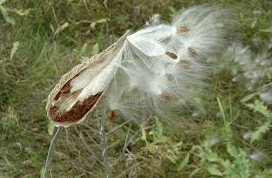

The passing of genetic traits from parent to offspring.
heredity
trait
gene
allele
The Articum lappa plant produces prickly burrs that grow on the ends of the stems. These burrs can easily catch on the fur of animals. This plant structure most likely benefits the plant in which of the following ways?
Helps the plant transport its seeds.
Keeps the plant warmer.
Attracts animals to come near the plant.
Increases the plant's water absorption.
Students visiting the zoo observe a male peacock spreading his feathers in the presence of a female peacock. This behavior most likely helps the peacock:
scare off female birds.
hide from predators.
attract a mate.
find food to eat.
Which of the following plant adaptations allow plants to use animals to transport their seeds to a new locations?
large leaves
strong stems
sweet tasting fruit
deep roots
___ is simply the transfer of pollen grains from one plant to another plant.
pollination
reproduction
adaptation
development
The process an organism uses to make more of its own kind, but with only one parent.
sexual reproduction
asexual reproduction
development
growth
The joining of egg cell and sperm cell from two different organisms.
sexual reproduction
asexual reproduction
development
growth
Which of the following describes: bees or birds pollinating flowers.
characteristic animal behavior
behavior of animals that help plants
specialized plant structure
Which of the following describes: colorful plumage
characteristic animal behavior
behavior of animals that help plants
specialized plant structure
Which of the following describes: droppings of animals provide fertilizer for seeds
characteristic animal behavior
behavior of animals that help plants
specialized plant structures
Which of the following describes: hard shells on nuts
characteristic animal behavior
behaviors of animals that help plants
specialized plant structures
Which of the following describes: nest building to protect young from cold
characteristic animal behavior
behaviors of animals that help plants
specialized plant structures
Which of the following describes: bright flowers
characteristic animal behaviors
behaviors of animals that help plants
specialized plant structures
How does an insect benefit from pollination?
the insect uses the fertilized ovule as food.
The insect uses the plant's nectar as food.
The insect uses the plant's pollen as food.
The insect uses the plant's leaves and the petals as food.
What is heredity?
Passing on characteristics from one generation to the next.
A type of asexual reproduction.
Teaching behaviors to offsprings.
A specialized structure.
Which is a genetic trait?
liking cheeseburgers
freckles
a scar
working hard
The process where an organism passes genetic material to make a new organisms is ___.
growth
behavior
specialized procedures
reproduction
The scientific study of heredity.
genetics
asexual reproduction
sexual reproduction
behavior
How does a honey bee collect pollen?
It swallows the pollen.
It brushes against the pollen as it collects nectar.
It puts the pollen in a special pouch in its abdomen.
It rules the pollen on its wings.
Dandelions use the _______________ to move their seeds around.
wind
clouds
grass
soil
Sequence the following stages of a flowering plant’s life cycle in correct order, starting with the process that describes the growth of a seedling from a seed.
Dispersal => Fertilization => Formation of fruit => Germination => Pollination
Pollination => Fertilization => Formation of fruit => Germination => Dispersal
Formation of fruit => Fertilization => Dispersal => Germination => Pollination
Germination => Pollination => Fertilization => Formation of fruit => Dispersal
Some male birds perform elaborate dances in order to attract females. This is an example of _______.
molting
parenting
courting
metamorphosis
How do flowers help with reproduction of plants?
They scatter the seeds
They keep animals from eating the plant
They help attract animals in order to spread pollen
They provide extra nutrients for the plant
What is seed dispersal?
plant reproduction
ability of plants to make food
moving seeds to a new location
adaptation of plants to produce more seeds
Pollen is usually sticky and spiky so that it can _______________.
attach to the pollinators' body without falling off easily
prevent pollinators from eating them
stay attached to the anther so that it doesn't attach to a pollinator
be used as glue

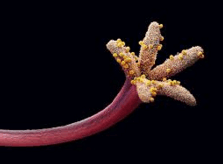
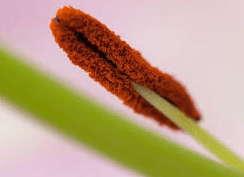

What is NOT a way that plants get pollinated?
wind
animals
electricity
water
Which is NOT a way that plants attract pollinators?
Color
Shape/Structure
Smell
Magnetism
An animal that transfers pollen from plant to plant is known as a...
pollinator
pollen carrier
pollock gator
pollen transferrer
A pollinator benefits from a flower because it receives nutrients from the ____________.
nectar
petals
electrolytes
honey
How does a plant benefit from pollination?
The plant gets the pollinators to come over to it to eat the pollinators.
The plant gets its pollen transferred to another plant to produce a seed to reproduce.
The plant gets food from nectar or pollen for energy to reproduce.
The plant does not need pollinators so it really doesn't matter.
What is an example of why a pollinator would come to a plant for food?
Nectar/Pollen
Honey
Sugar
Petals
An adaptation that increases the survival of an offspring by helping to protect young until they are older, larger and more likely to be able to survive on their own.
molting
parenting
courting
metamorphosis
An adaptation that allows an organism to grow larger by shedding its “skin” and growing a new exoskeleton.
molting
parenting
courting
metamorphosis
An adaptation in which an animal transforms from a young to an adult and decreases competition between young and adults of the same species because the young often inhabit different environments and eat different food items compared to the adult.
molting
parenting
courting
metamorphosis
Birds often rely on their physical characteristics, such as the color of their plumage, to court females. The brighter and more colorful males are usually more attractive to females. What do you think happens to birds with duller plumage? How is their reproductive success impacted by the color of their feathers?
These birds are less likely to find a mate and reproduce.
These birds are more likely to find a mate and reproduce.

