wayground logo

Free Printable Worksheets

Font size

S
M
L
XL
Worksheets

Respiratory System

Total questions: 88

Worksheet time: 1hrs 24mins

Name
Class
Date
1.
Inhale!!!!
Your lungs are ___________  air
a)
taking in
b)
letting out
2.
EXHALE!!!
My lungs are __________________ air. 
a)
taking in
b)
letting out
3.
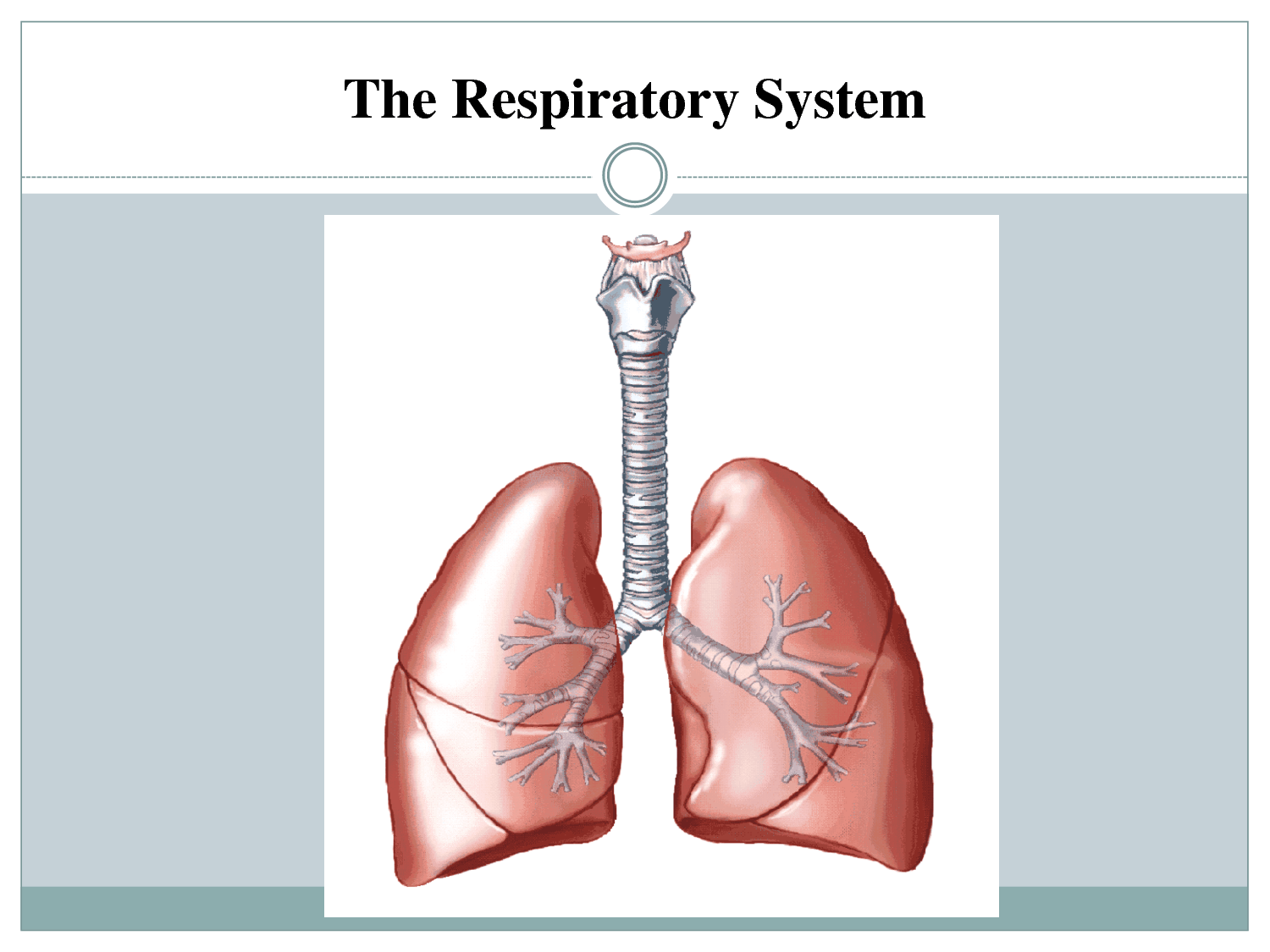
What is the main function of the respiratory system?
a)
to provide oxygen and remove carbon dioxide from the body
b)
to bring oxygen to the body
c)
to break down food and absorb nutrients
d)
to remove oxygen from the body and deliver carbon dioxide
4.
What are the main organs of gas exchange in the respiratory system?
a)
diapragm
b)
lungs
c)
trachea
d)
bronchi
5.
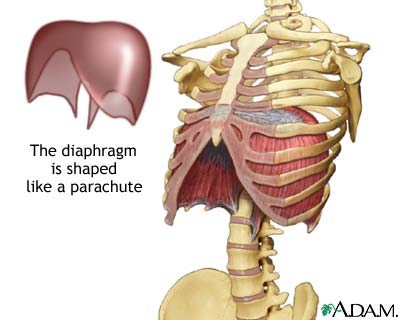
What is function of the dome-shaped diaphragm?
a)
This is where gas exchange happens.
b)
Air passes through the diaphragm on the way to the lungs.
c)
It attaches to the lungs to help in breathing.
d)
It is under the lungs and keeps them from falling down to your stomach.
6.
When you breathe, your lungs take in ___ and remove ___. 
a)
air/oxygen
b)
oxygen/carbon dioxide 
c)
carbon dioxide/waste 
d)
waste/air 
7.
What is the function of the bronchi?
a)
Transport air from nose to lungs
b)
Transport air from trachea to lungs
c)
Transport air from lungs to alveoli
d)
Transport air from alveoli to blood
8.
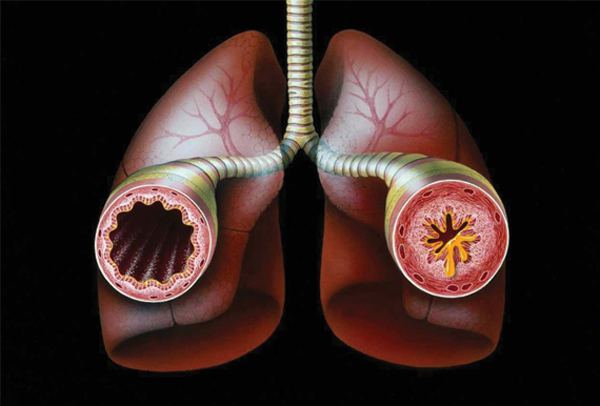
A disorder of the lungs called ____ causes the bronchi to become restricted (get smaller) so air can't get to the lungs.
a)
asthma 
b)
cold
c)
influenza 
d)
bronchitis 
9.
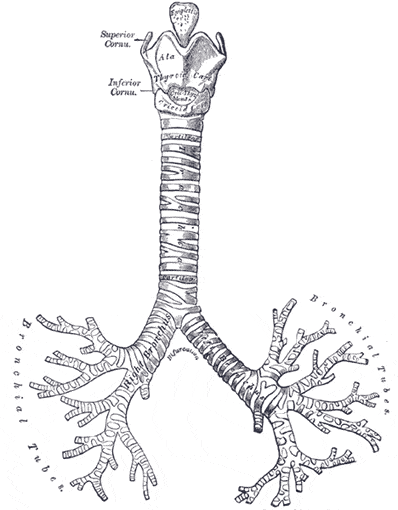
The two main branches from the trachea (one to each lung)
a)
bronchi
b)
alveoli
c)
capillaries
d)
bronchioles
10.
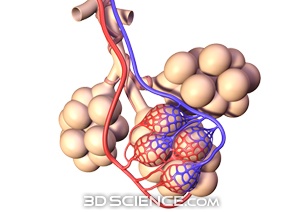
The air sacs that are covered with capillaries where gas exchange takes place
a)
bronchi
b)
lungs
c)
oxygen
d)
alveoli
11.
Within the lungs, the exchange of oxygen and carbon dioxide occurs between the ___ and the capillaries. 
a)
trachea 
b)
bronchi 
c)
alveoli
d)
diaphragm
12.
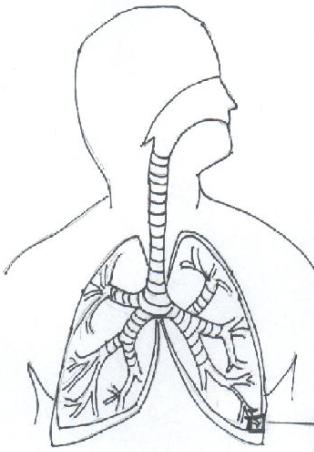
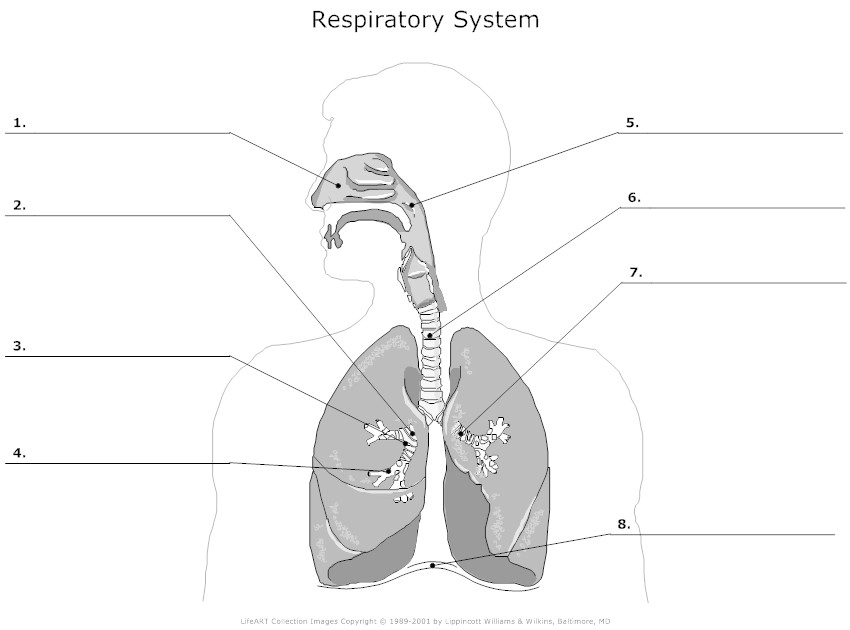
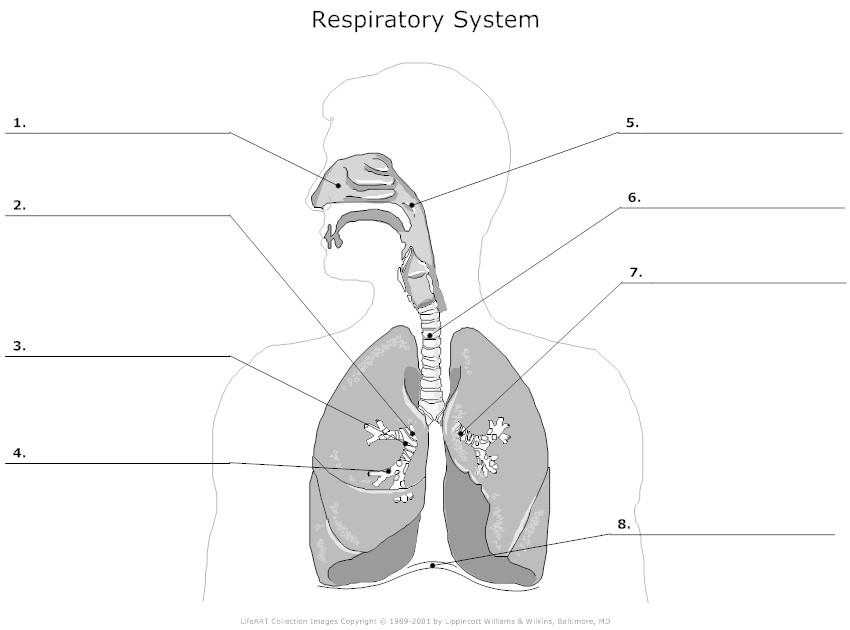
Name the organ label # 6. 
a)
alveoli 
b)
bronchi 
c)
trachea 
d)
lungs 
13.
What is tube that is also known as your wind pipe?
a)
esophogus
b)
bronchi
c)
trachea
d)
alveoli
14.
Name the structure labeled 8 
a)
lungs 
b)
trachea 
c)
diaphragm 
d)
alveoli 
15.
The passageway that is shared by both the digestive and respiratory system is the....
a)
larynx
b)
pharynx
c)
trachea
d)
nose
16.
Flap of skin that covers the opening to the windpipe during swallowing
a)
Stomach
b)
Trachea
c)
Pancreas
d)
Epiglottis
17.
The Pharynx is the muscle that moves the lungs
a)
True
b)
False
18.

What is not a function of breathing through the nose

a)

to filter the air

b)

to warm the air

c)

to add oxygen to the air

d)

to moisten the air

19.

What is the function of the Respiratory system

a)

to generate heat

b)

to support the body

c)

to provide an area for gas exchange

d)

to filter the blood stream

20.

where along the respiratory pathway is gas exchange into the blood strea

a)

nose

b)

pharynx

c)

trachea

d)

alveoli

21.

which gas is in the greatest concentration in the earths atmosphere?

a)

oxygen

b)

nitrogen

c)

carbon dioxide

d)

water

22.
What does the trachea do?
a)
Nothing
b)
Filter what you say
c)
Controls legs
d)
Where air goes after vocal chords
23.
Where is the pharynx
a)
Back of the throat
b)
In your finger
c)
Under your toe
d)
In your ear
24.
What is the epiglottis
a)
Flap of tissue that blocks food from going down
b)
Hole in pants
c)
A kind of macoroni
d)
A piece of latin cake
25.
What is The Larynx?
a)
A foreign currency 
b)
A religion originated in Egypt
c)
vocal chordes
d)
Jenna's sweatshirt brand
26.
What is the Diaphragm
a)
muscle
b)
blood
c)
Jaiden's hairline
d)
skin
27.

what gas is used to control the rate of breathing in the body

a)

carbon monoxide

b)

carbon dioxide

c)

Oxygen

d)

Water

28.
Pathway of air
a)
Nose Pharynx Larynx Trachea Bronchi Alveoli Brochioles 
b)
Nose Pharynx Larynx Trachea Bronchi Brochioles Alveoli
29.
This expresses the difference between the oxygen carried by blood in arteries and veins
a)
AV02
b)
V02max
30.
Lung volume can be measured using lung volume bags BUT more accurately a ________ is used.
a)
Meter reading
b)
Spirometer
31.
Volume of air that can be forcibly inspired after a normal breath
a)
Expiratory Reserve Volume
b)
Inspiratory Reserve Volume
32.
Volume of air forcibly expired after maximum inspiration in one breath
a)
Vital Capacity
b)
Total Lung Capacity
33.
Volume of air that remains in the lungs after maximum expiration
a)
Residual Volume
b)
Expiratory capacity
34.
What disease are you at risk of when you smoke?
• caused by damaged alveoli limiting gaseous exchange
a)
Chronic obstructive pulmonary disease (COPD)
b)
Chronic pulmonary disease (COPD)
35.
Chronic Obstructive Pulmonary Diseasse is caused by
a)
damaged alveoli limiting gaseous exchange
b)
Damaged diaphragm limiting lung volume
36.

A gas essential for our survival is

a)

oxygen

b)

carbon dioxide

c)

nitrogen

d)

hydrogen

37.

Besides energy, these two substances are by-products of respiration

a)

carbon dioxide and oxygen

b)

carbon dioxide and glucose

c)

carbon dioxide and water

d)

carbon and water

38.

Two functions of the nose

a)

filters and cools the air

b)

filters and moistens the air

c)

filters and keep the temperature of the air constant

d)

filters and warms the air

39.

Another name for windpipe is

a)

gullet

b)

bronchus

c)

trachea

d)

bronchioles

40.

These are all hollow tubes with varying diameters

a)

trachea, bronchi, bronchioles

b)

trachea, bronchi, alveoli,

c)

trachea, gullet, bronchioles

d)

trachea, gullet, alveolus

41.

These prevent the collapse of the trachea

a)

rib cage

b)

diaphragm

c)

rings of cartilage

d)

rings of bone

42.

The correct passage of oxygen through the respiratory system is

a)

windpipe, bronchus, bronchioles, alveolus

b)

trachea, bronchioles, bronchus, alveolus

c)

trachea, bronchus, alveolus, bronchioles

d)

trachea, gullet, bronchioles, bronchi

43.

The large number of alveoli provide __________________ for gaseous exchange

a)

low pressure

b)

high pressure

c)

a large volume

d)

a large surface area

44.

The alveolus is always associated close to a(n)

a)

blood vessel

b)

artery

c)

capillary

d)

vein

45.

The oxygen in the alveolus is picked up by

a)

red blood cells

b)

white blood cell

c)

blood

d)

platelets

46.

The moment of carbon dioxide through the respiratory system is

a)

red blood cell, bronchiole, bronchus, windpipe

b)

red blood cell, alveolus, bronchus, windpipe

c)

alveolus, bronchiole, bronchus, windpipe

d)

red blood cell, alveolus, bronchiole, bronchus, windpipe

47.

The sheet of muscle found beneath the lungs is the

a)

diameter

b)

diaphragm

c)

ribcage

d)

cartilage

48.

Diagram A shows

a)

inhalation

b)

exhalation

49.

The lung capacity in diagram B is ______________ and this leads to a _______________ pressure

a)

smaller, smaller

b)

smaller, greater

c)

greater, greater

d)

greater, smaller

50.
Which of the following is not a function of the respiratory system? 
a)
Assists with homeostasis of body pH 
b)
Distributes oxygen to cells 
c)
Filters air 
d)
Warms air
51.
Functions of the nasal cavity include which of the following? 
a)
 filtering the air 
b)
humidifying the air 
c)
trapping airborne particles
d)
all of the above
52.
The common passageway shared by the respiratory and digestive systems is the 
a)
glottis. 
b)
pharynx. 
c)
larynx. 
d)
trachea
53.
When the pressure in the lung is greater than atmospheric pressure:
a)
 the bronchioles are obstructed.
b)
 lung tissue has collapsed
c)
inspiration occurs.
d)
expiration occurs. 
54.
The term used to describe the volume of air exchanged during normal inspiration and expiration is:
a)
inspiratory and expiratory reserve volume.
b)
vital capacity.
c)
 tidal volume. 
d)
residual volume.
55.
Breathing through the nose rather than the mouth is advantageous because
a)
 air is humidified on inhalation.
b)
heat loss is reduced on exhalation.
c)
water loss is reduced on exhalation. 
d)
 all of the above 
56.
The elastic cartilage that covers the opening to the larynx during swallowing is the 
a)
epiglottis. 
b)
cuneiform cartilage. 
c)
cricoid cartilage.
d)
thyroid cartilage
57.
 The most important chemical regulator of respiration is 
a)
oxygen.
b)
 carbon dioxide.
c)
bicarbonate ion. 
d)
sodium ion. 
58.
The inspiratory center is located in what part of the nervous system?
a)
Pons 
b)
Medulla 
c)
Cerebrum
d)
Cerebellum
59.
The vital capacity is equal to the sum of the:
a)
 inspiratory reserve volume, tidal volume, and inspiratory capacity.
b)
tidal volume, residual volume, and expiratory reserve volume.
c)
 inspiratory reserve volume, tidal volume, and expiratory reserve volume
d)
inspiratory capacity and the residual volume. 
60.
In emphysema, which of these occur? 
a)
alveoli collapse
b)
compliance increases
c)
elevated PCO2 in the blood
d)
all of the above 
61.
The obstructive lung disease in which elastic fibers are lost, leading to collapse of alveoli and bronchioles, is called 
a)
asthma.
b)
bronchitis. 
c)
emphysema.
d)
tuberculosis.
62.
The following is a list of some airways.
 1. secondary bronchus
 2. bronchioles
3. alveolar ducts
4. primary bronchus
5. respiratory bronchiole
 6. alveoli
 7. terminal bronchiole
The order in which air passes through is 
a)
4, 1, 2, 7, 5, 3, 6. 
b)
4, 1, 2, 5, 7, 3, 6
c)
1, 4, 2, 5, 7, 3, 6. 
d)
1, 4, 2, 7, 5, 3, 6. 
63.
wall that divides the nose into two hollow spaces
a)
nostrils
b)
nares
c)
nasal septum
d)
nasal cavities
64.
tiny hairlike structures that filter inhaled air to trap dust and other particles; push trapped particles toward the esophagus
a)
sinuses
b)
cilia
c)
mucus
d)
pharynx
65.
provides for a passageway for both food and air; throat
a)
pharynx
b)
larynx
c)
trachea
d)
bronchi
66.
lies between the pharynx and trachea; contains vocal chords; voice box
a)
pharynx
b)
larynx
c)
trachea
d)
bronchi
67.
leaflike piece of cartilage that closes the opening into the larynx during swallowing; prevents food and liquids from entering the respiratory tract
a)
bronchi
b)
bronchioles
c)
alveoli
d)
epiglottis
68.
tube extending from the larynx to center of the chest; carries air between the pharynx and bronchi; windpipe
a)
bronchi
b)
trachea
c)
alveoli
d)
bronchioles
69.
The trachea divides into two _______________ near the center of the chest that carries air into the lungs.
a)
bronchi
b)
bronchioles
c)
alveoli
d)
trachea
70.
smallest branches of the bronchi
a)
trachea
b)
bronchi
c)
bronchioles
d)
alveoli
71.
tiny air sacs in the lungs that allow for the exchange of oxygen and carbon dioxide
a)
trachea
b)
bronchi
c)
bronchioles
d)
alveoli
72.
the process of breathing 
a)
inspiration 
b)
expiration
c)
ventilation
73.
the process of breathing in air; inhalation
a)
ventilation
b)
inspiration
c)
 expiration
d)
 respiration
74.
exhalation; air is forces out of the lungs and air passages
a)
ventilation
b)
inspiration
c)
expiration
d)
respiration
75.
exchange of oxygen and carbon dioxide between the lungs and bloodstream
a)
external respiration
b)
internal respiration
c)
cellular respiration
76.
the process when cells use oxygen and nutrients to produce energy, water, and carbon dioxide
a)
external respiration
b)
internal respiration
c)
cellular respiration
77.

Within the lungs, the exchange of oxygen and carbon dioxide occurs between the ___ and the capillaries.

a)

trachea

b)

bronchi

c)

alveoli

d)

diaphragm

78.
Name the organ labeled #8
a)
alveoli 
b)
bronchi 
c)
trachea 
d)
lungs 
79.
Name the structure labeled #6
a)
lungs 
b)
trachea 
c)
diaphragm 
d)
alveoli 
80.
What does the Larynx hold ?
a)
The larynx holds the whole sub system 
b)
The larynx is part of the plant cells. 
c)
The larynx holds the vocal chords. 
d)
The larynx is part of animal tissues. 
81.
What is the name of the muscle below the lungs that helps with breathing?
a)
trachea
b)
alveoli
c)
diaphragm
d)
bronchi
82.
Given the following structures:
1. larynx
2. nasal cavity
3. pharynx
4. trachea
Which of the following is the correct order that air would flow during inhalation. 

a)
1,2,3,4
b)
2,3,1,4
c)
2,1,3,4
d)
4,2,3,1 
83.
Protects the lungs and is flexible so it can expand and contract
a)
ribcage
b)
trachea
c)
pharynx
d)
bronchi
84.
How many lungs are there in the human body?
a)
One
b)
Two
c)
Too many to count
d)
None of the above
85.
What does the trachea do?
a)
Nothing
b)
Filter what you say
c)
Controls legs
d)
Where air goes after vocal chords
86.
Where is the mouth located?
a)
Forehead
b)
Cheeks
c)
Under nose
d)
On your stomach
87.
Where is the pharynx
a)
Back of the throat
b)
In your finger
c)
Under your toe
d)
In your ear
88.
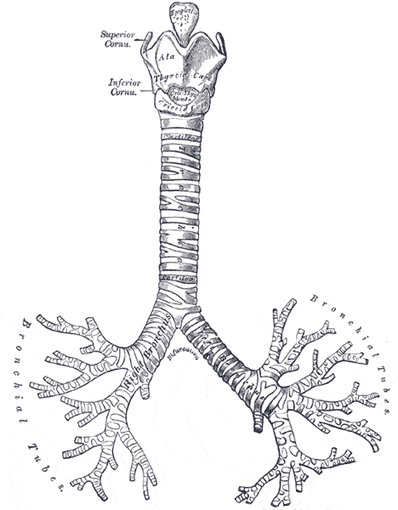
What are the two main branches?
a)
Bronchioles
b)
Bronchi
c)
Bronchial tubes
d)
Jaiden's hairline