wayground logo

Free Printable Worksheets

Font size

S
M
L
XL
Worksheets

Unit 3 Review

Total questions: 85

Worksheet time: 1hrs 22mins
Name
Class
Date
1.
What biomolecule do enzymes belong to? 
a)
Carbohydrate
b)
Lipid
c)
Nucleic Acid
d)
Protein
2.
Which biomolecule is found in pasta and bread?
a)
Lipid
b)
Protein
c)
Nucleic Acid
d)
Carbohydrate
3.
Which biomolecule is a main source of quick energy?
a)
Nucleic Acid
b)
Protein
c)
Lipid
d)
Carbohydrate
4.
Which biomolecule is found in fats, oils, and waxes and is a source of long-term energy
a)
Proteins
b)
Nucleic Acid
c)
Lipids
d)
Carbohydrate
5.
What is the function of a nucleic acid?
a)
Stores genetic information
b)
Stores energy
c)
Quick source of energy
d)
Builds structures
6.
Carbon, Hydrogen, Oxygen and Nitrogen are elements in what biomolecule?
a)
Carbohydrate
b)
Lipid
c)
Protein
d)
Nucleic acid
7.
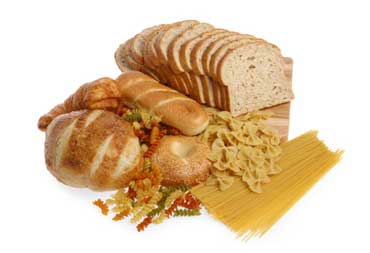
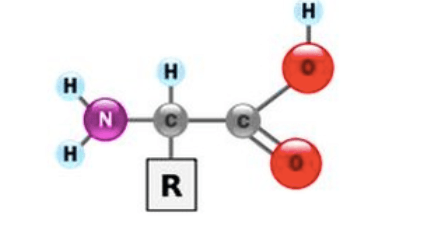
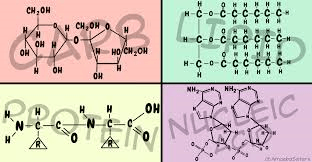
Which biomolecule is this a picture of?
a)
Protein
b)
Nucleic Acid
c)
Lipid
d)
Carbohydrate
8.
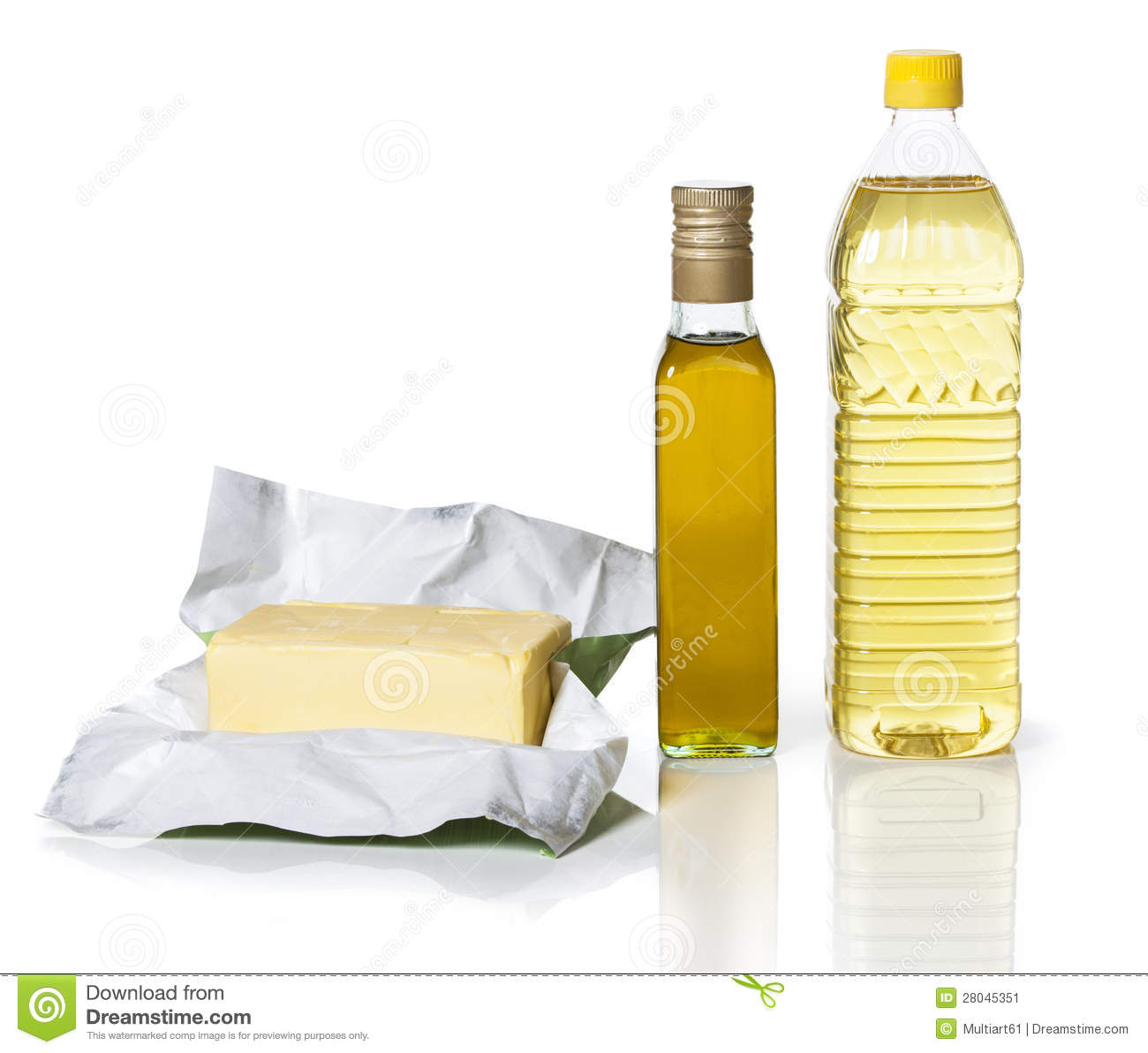
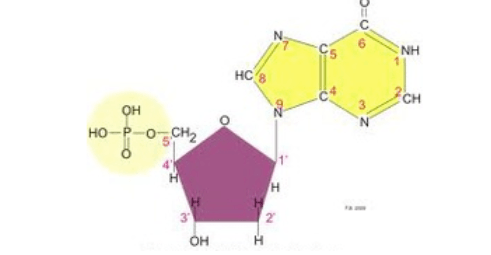
Which biomolecule is this a picture of?
a)
Protein
b)
Nucleic Acid
c)
Lipid
d)
Carbohydrate
9.
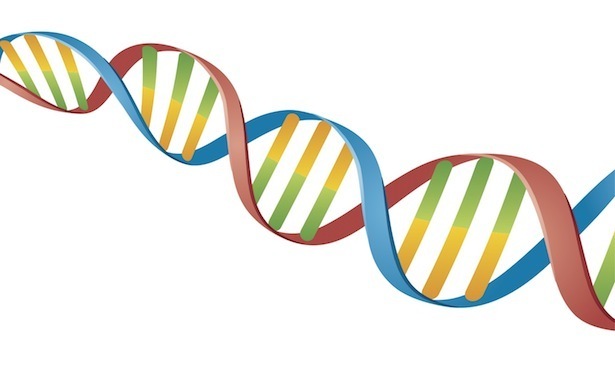
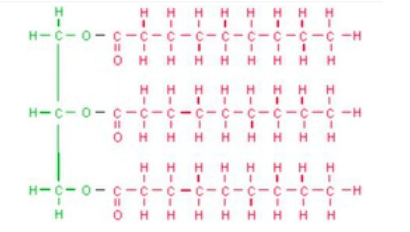
Which biomolecule is this a picture of?
a)
Protein
b)
Nucleic Acid
c)
Lipid
d)
Carbohydrate
10.
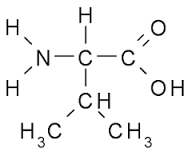
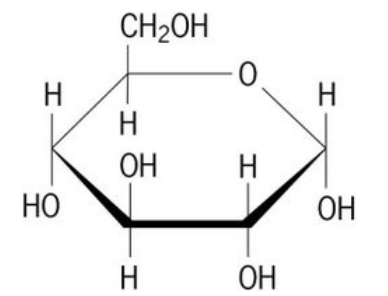
Which biomolecule is this a picture of?
a)
Protein
b)
Nucleic Acid
c)
Lipid
d)
Carbohydrate
11.

Which biomolecule helps form muscles?

a)

Nucleic Acid

b)

Carbohydrate

c)

Protein

d)

Lipids

12.
Which biomolecule is responsible for insulation and energy storage?
a)
Protein
b)
Nucleic Acid
c)
Lipid
d)
Carbohydrate
13.
Which biomolecule has sugars and starches?
a)
Lipids
b)
Proteins
c)
Carbohydrates
d)
Nucleic Acid
14.
What elements are common to all 4 biomolecules?
a)
Carbon, hydrogen, nitrogen
b)
Carbon, Nitrogen, Phosphorus
c)
Carbon, Hydrogen, Oxygen
d)
Carbon, Hydrogen, Phosphorus
15.
A monomer is ...
a)
a single atom
b)
a building block for polymers
c)
a single element
d)
is an inorganic molecule
16.
What is the monomer for a protein?
a)
Monosaccharide
b)
Triglyceride
c)
Amino Acid
d)
Nucleotide
17.
Identify the biomolecule
a)
monosaccharide
b)
disaccharide
c)
polysaccharide
d)
glycogen
18.
Lipids are made of
a)
monosaccharides
b)
amino acids
c)
glycerol and 3 fatty acids
d)
nucleotides
19.
Which examples are a sources of energy?
a)
Starch, cellulose, glycogen
b)
Valine, Histidine, Cysteine
c)
DNA, RNA
d)
Unsaturated and Saturated Fats
20.
What do monomers do?
a)
Bonds to make a Polymer
b)
Creates Protiens
c)
Stores energy
d)
Splits to make more cells
21.
The characteristic that all lipids have in common is----
a)
made of lots of double bonds
b)
acidic when mixed with water
c)
no high energy content
d)
do not dissolve in water
22.
 Makes up the plant's cell wall and is fiber in our diets
a)
Starch
b)
Glycogen 
c)
Cellulose
d)
Chitin
23.
What suffix is used in the names of most carbohydrates?
a)
-ase
b)
-nic
c)
-ose
d)
-yme
24.
Which of these molecules is the main human storage of carbohydrates for animals?
a)
Glycogen
b)
Glucose
c)
Starch
d)
Lactose
25.
Carbohydrates are the first source of _______ for the body?
a)
repair
b)
hygiene
c)
energy
26.

Which of these substances stores the most energy?

a)

one gram of fat

b)

one gram of protein

c)

one gram of carbohydrate

27.
The graph shows how enzymes affect reactions in cells. Which statement best summarizes the information shown in the graph?
a)
Enzymes increase the energy of the reactants.
b)
Enzymes decrease the energy level of the products.
c)
Enzyme decrease the activation energy of the reaction.
d)
Enzymes reverse the direction of the reaction.
28.
Which of the following conclusions can be drawn from this graph?
a)
The optimum pH of the enzyme is 6.6.
b)
The optimum pH of the enzyme is 5.8
c)
The enzyme’s activity increases as pH increases 5.0 to 9.0
d)
The enzyme’s activity is greater around pH of 8.0 .
29.
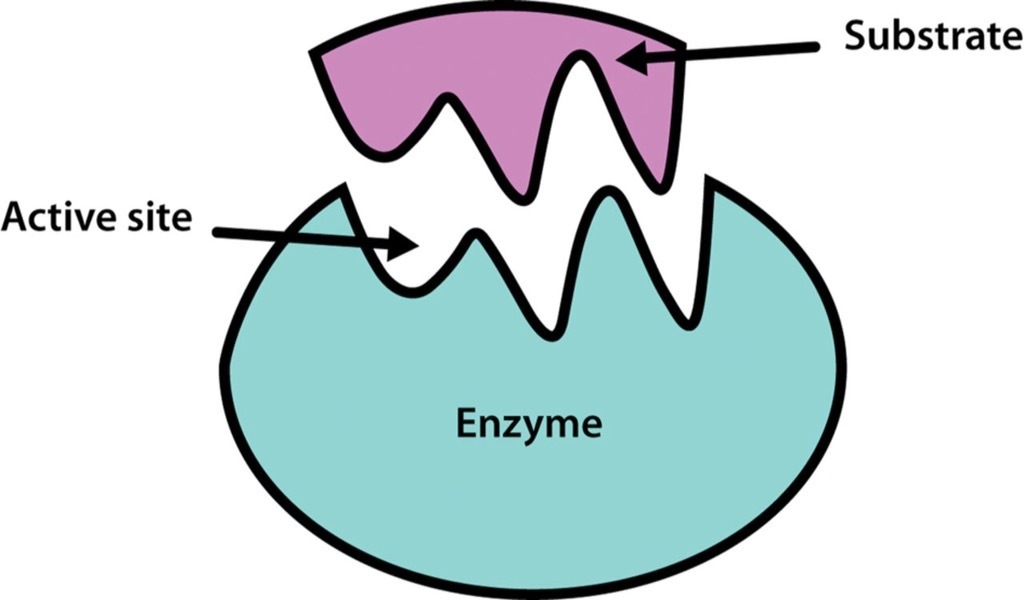
Where do substrates bind on an enzyme?
a)
voltage-gated channels
b)
surface receptor
c)
calcium channels
d)
active site
30.
Enzymes are capable of increasing the rate of a chemical reaction within a living cell.  Enzymes accomplish this through which of the following means?
a)
reducing the number of products   
b)
reducing the activation energy
c)
increasing the temperature of the cell
d)
increasing the concentration of reactants 
31.
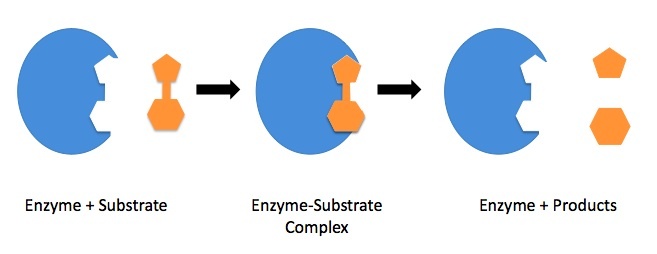
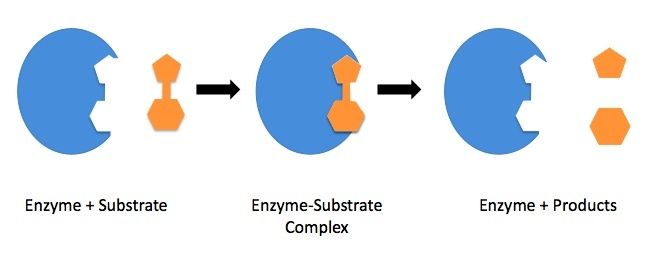
What is structure A?
a)
Substrate
b)
Active site
c)
Enzyme
d)
Products
32.
What is structure D?
a)
Substrate
b)
Active site
c)
Enzyme
d)
Products
33.
What is structure C?
a)
Substrate
b)
Active site
c)
Enzyme
d)
Products
34.
How do enzymes speed up chemical reaction?
a)
Increasing activation energy
b)
Decreasing activation energy
c)
Increasing deactivation energy
d)
Decreasing deactivation energy
35.
What is a substance called if it speeds up a chemical reaction?
a)
reusable
b)
catalyst
c)
specific
d)
fragile
36.
Once a new product leaves an enzyme, the enzyme is unchanged and ready for the next substrate.  What is this called?
a)
reusable
b)
catalyst
c)
specific
d)
fragile
37.
What 3 letters do enzymes typically end in?
a)
-ose
b)
-ase
c)
-ese
d)
-tic
38.
What happens when enzymes are heated to a high temperature?
a)
The enzymes die.
b)
The shapes of the enzyme are altered denature
c)
The enzymes' amino acid sequence changes.
d)
The enzymes remain the same
39.
This egg has shrunk, what type of solution was it placed in?
a)
hypotonic solution
b)
hypertonic solution
c)
isotonic solution
d)
active transport
40.
What type of solution allows water to enter the plant cell?
a)
hypotonic solution
b)
hypertonic solution
c)
isotonic solution
d)
active transport
41.
An ISOTONIC solution has a(n) ______________ concentration of solute (dissolved stuff) than inside the cell.
a)
lower
b)
equal
c)
higher
42.
A HYPOTONIC solution has a ______________ concentration of solute (dissolved stuff) than inside the cell.
a)
lower
b)
equal
c)
higher
43.
If a cell is placed in a HYPOTONIC solution, water will move _________ of the cell, causing it to ___________.
a)
into, swell
b)
out of, shrivel
c)
in and out of the cell, stay the same
44.
What type of solution is this cell in?
a)
Isotonic
b)
Hypertonic
c)
Hypotonic
d)
diffused
45.
What type of solution is this cell in?
a)
Isotonic
b)
Hypertonic
c)
Hypotonic
d)
diffused
46.
The movement of water across the membrane for a high concentration to a low concentration.
a)
endocytosis
b)
osmosis
c)
facilitated diffusion
47.
A balance that an organism maintains by regulating what goes into and out of the cell.
a)
love
b)
peace
c)
homeostasis
d)
happiness
48.
This cell organelle helps organisms maintain homeostasis by controlling what substances may enter or leave cells.
a)
vacuole
b)
nucleus
c)
cell membrane
d)
cell wall
49.
 An animal cell placed in a hypertonic (salty) solution will
a)
Stay the same
b)
Shrink- get smaller
c)
Swell- get bigger
50.
What type of transport requires energy? 
a)
Active Transport
b)
Facilitated Diffusion
c)
Simple Diffusion
d)
Passive Transport
51.
What type of transport does not require energy? 
a)
Active Transport
b)
Passive Transport
52.
Solutes move against the concentration gradient, therefore energy is needed
a)
Passive Transport
b)
Active Transport
53.
Uses ATP (energy)
a)
Passive Transport
b)
Active Transport
54.
What is diffusion
a)
active transport
b)
passive transport
c)
cell division
d)
cell mutation
55.

This type of transport moves from areas of high concentration to areas of low concentration.

a)

What is Diffusion

b)

What is Active Transport

c)

What is Passive Transport

d)

What is Osmosis

56.

This type of transport moves from areas of low concentration to areas of high concentration.

a)

What is Diffusion

b)

What is Active Transport

c)

What is Passive Transport

d)

What is Osmosis

57.

This is a type of passive transport and is the net movement of molecules from areas of high concentration to areas of low concentration.

a)

What is Passive Transport

b)

What is Osmosis

c)

What is Diffusion

d)

What is Facilitated Diffusion

58.

This is a type of passive transport and is the diffusion of water across a selectively permeable membrane.

a)

What is Passive Transport

b)

What is Osmosis

c)

What is Diffusion

d)

What is Facilitated Diffusion

59.

All but one of these is an example of passive transport which one is an example of active transport?

a)

What is Endocytosis

b)

What is Osmosis

c)

What is Diffusion

d)

What is Facilitated Diffusion

60.

Without the use of energy, molecules will move naturally from _________ to __________ concentration.

a)

Low to high

b)

High to low

c)

They will not move without the input of energy

61.

The process where large molecules leave the cell through a vesicle, from low to high concentration, is called

a)

Osmosis

b)

Faciliated diffusion

c)

Endocytosis

d)

Exocytosis

62.

A red blood cell is placed in pure water. What type of solution is it in?

a)

Hypotonic

b)

Isotonic

c)

Hypertonic

63.

A cell is placed in a solution that has a high concentration of sugar. The cell is in what type of solution?

a)

Isotonic

b)

Hypertonic

c)

Hypotonic

64.

This type of transport moves molecules from low to high concentration with the use of energy.

a)

Active transport

b)

Passive transport

c)

Facilitated diffusion

65.

The movement of molecules from high to low concentration with the help of a channel protein is called

a)

Diffusion

b)

Facilitated diffusion

c)

Osmosis

d)

Active transport

66.

What is Selectively Permeable?

a)

A solution with a low concentration of solutes.

b)

A property of cell membrane that allows some substances to pass through, while others cannot.

c)

A solution with high concentration os solutes.

d)

When the concentration of two solutions is the same.

67.

What is the active transportation process where a cell engulfs materials with a portion of the cell's plasma membrane and releases the contents inside of the cell?

a)

Exocytosis

b)

Concentration

c)

Diffusion

d)

Endocytosis

68.

What is a transport protein?

a)

An active transport process by which materials are expelled from a cell.

b)

Diffusion of water through a selectively permeable membrane.

c)

A transmembrane protein that helps a certain substance or class of closely related substances to cross the membrane.

69.

If you ate 20 grams of Lipids, how many calories did you eat?

a)

180

b)

80

c)

40

d)

140

70.

If you ate 400 calories of carbohydrates, how many grams of carbs did you eat?

a)

150

b)

25

c)

50

d)

100

71.

You ate a a substance that contained amino acids, it had 10 grams of it, how many calories did you eat?

a)

40

b)

30

c)

90

d)

50

72.
What is an enzyme?
a)
A substance produced by a living organism that acts as a catalyst to bring about a specific biochemical reaction 
b)
A universal solvent that dissolves in liquid such as water 
c)
The process in which atoms or groups of atoms in substances are reorganized into different substances
d)
The substance that determines whether a chemical reaction takes place 
73.
Enzymes are catalysts that ______ the activation energy to speed up the chemical reaction
a)
Highers
b)
Lowers
c)
Stays the same 
74.
What is the purpose  of an enzyme?
a)
give permission for the reaction
b)
raise activation energy
c)
speed up reactions
d)
control how many reactions occur
75.
When a molecule can occupy the same active site as the substrate, a situation called __________________ can result
a)
Competitive lnhibition
b)
Allosteric Regulation
c)
Non-Competitive Inhibition
d)
Feedback Inhibition
76.
A receptor site that a molecule can bind to that changes the shape of the active site is called a(n):
a)
Allosteric Site
b)
Active Site
c)
DiSulphide Bridge
d)
MHC Receptor
77.
Beside temperature, what is the other factor that affects enzymes?
a)
pH value
b)
amount of water
c)
type of food
d)
time
78.
In this image, the cell is using which type of molecular transport?
a)
Osmosis
b)
Diffusion 
c)
Endocytosis
d)
Exocytosis 
79.
Large particles being encased in a vesicle and brought into the cell.
a)
endocytosis
b)
exocytosis
c)
passive transport
d)
active transport
80.
A type of active transport that brings particles into a cell when the cell membrane encloses a particle to make a vesicle
a)
Diffusion
b)
Passive Transport
c)
Active Transport
d)
Endocytosis
81.
A type of active transport that releases particles that were enclosed from a cell when the membrane of the vesicle fuses with that of the cell membrane
a)
Exocytosis
b)
Osmosis
c)
Mitosis
d)
Endoyctosis
82.
What is the term that means "a condition in which the concentration of a substance is equal throughout a space"?
a)
equilibrium
b)
exocytosis
c)
endocytosis
d)
phospholipid
83.
This picture represents what type of cell transport?
a)
endocytosis
b)
exocytosis
c)
osmosis
d)
passive transport
84.
This picture represents which type of cellular transport?
a)
passive transport
b)
endocytosis
c)
exocytosis
d)
osmosis
85.
This is a ____.
a)
Golgi body
b)
plasma membrane
c)
lysosome
d)
cell wall