wayground logo

Free Printable Worksheets

Font size

S
M
L
XL
Worksheets

STAAR PRACTICE QUIZ #1

Total questions: 129

Worksheet time: 2hrs 10mins

Name
Class
Date
1.

Which one is in the correct order from small to large?

a)

organism, population, community, ecosystem, biome, biosphere

b)

organism, community, population, ecosystem, biome, biosphere

c)

biome, organism, population, community, ecosystem, biosphere

d)

community, organism, population, ecosystem, biome, biosphere

2.

Community

a)

a group of individuals that belong to the same species and live in the same area.

b)

a group of ecosystems that share similar climates and typical organisms.

c)

the different populations that live together in a defined area.

3.

Population

a)

a group of ecosystems that share similar climates and typical organisms.

b)

an individual animal, plant, or single cell life form.

c)

a group of individuals that belong to the same species and live in the same area.

4.

Living things within an ecosystem are called _____________ factors.

a)

abiotic

b)

non-living

c)

biotic

d)

organisms

5.

A/an _______________________ is all the living organisms that live in an area and the non-living features of their environment.

a)

organism

b)

ecosystem

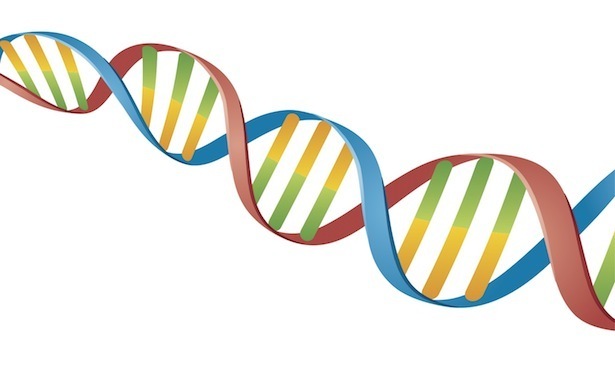
c)

community

d)

population

6.

The non-living parts of an ecosystem are called _________________.

a)

abiotic factors

b)

biotic factors

7.
The largest group of organisms found in a food web would be:
a)
Primary Consumers
b)
Producers
c)
Decomposers
d)
Tertiary Consumers
8.
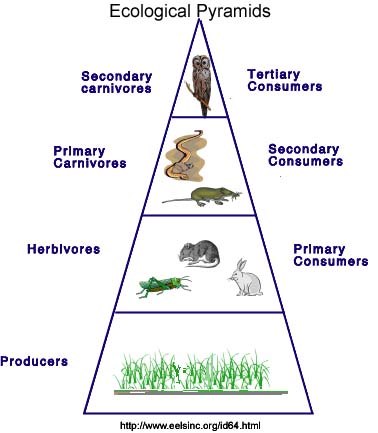
In the energy pyramid here, how much of the energy in the producers gets passed to the herbivores?
a)
10%
b)
20%
c)
80%
d)
90%
9.
In the energy pyramid below, which organism has the least amount of energy available?
a)
Producers
b)
Herbivores
c)
Carnivores
d)
Top Predator
10.
The diagram represents a pyramid of energy in an ecosystem.  Which level would most likely contain members of the plant kingdom?
a)
A
b)
B
c)
C
d)
D
11.
The rabbit in this food web would be considered a:
a)
Decomposer
b)
Producer
c)
Secondary Consumer
d)
Primary Consumer
12.
The mouse in this food web would be considered a:
a)
Primary Consumer
b)
Producer
c)
Tertiary Consumer
d)
Secondary Consumer
13.
Which of the following removes carbon from the atmosphere?
a)
Combustion
b)
Respiration
c)
Photosynthesis
d)
Death
14.
In the carbon cycle, producers take in the gas __
a)
carbon dioxide
b)
oxygen
c)
nitrogen
d)
carbon monoxide
15.
How much of the atmosphere is composed of nitrogen gas?
a)
87%
b)
38%
c)
78%
d)
21%
16.
How nitrogen is "fixed" into useable form for plants
a)
only through action of bacteria
b)
only through lightning
c)
through action of bacteria & lightning
d)
through photosynthesis
17.
What biomolecule do enzymes belong to? 
a)
Carbohydrate
b)
Lipid
c)
Nucleic Acid
d)
Protein
18.
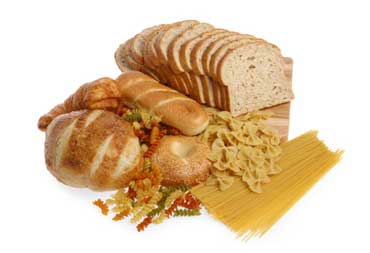
Which biomolecule is found in pasta and bread?
a)
Lipid
b)
Protein
c)
Nucleic Acid
d)
Carbohydrate
19.
Which biomolecule is a main source of quick energy?
a)
Nucleic Acid
b)
Protein
c)
Lipid
d)
Carbohydrate
20.
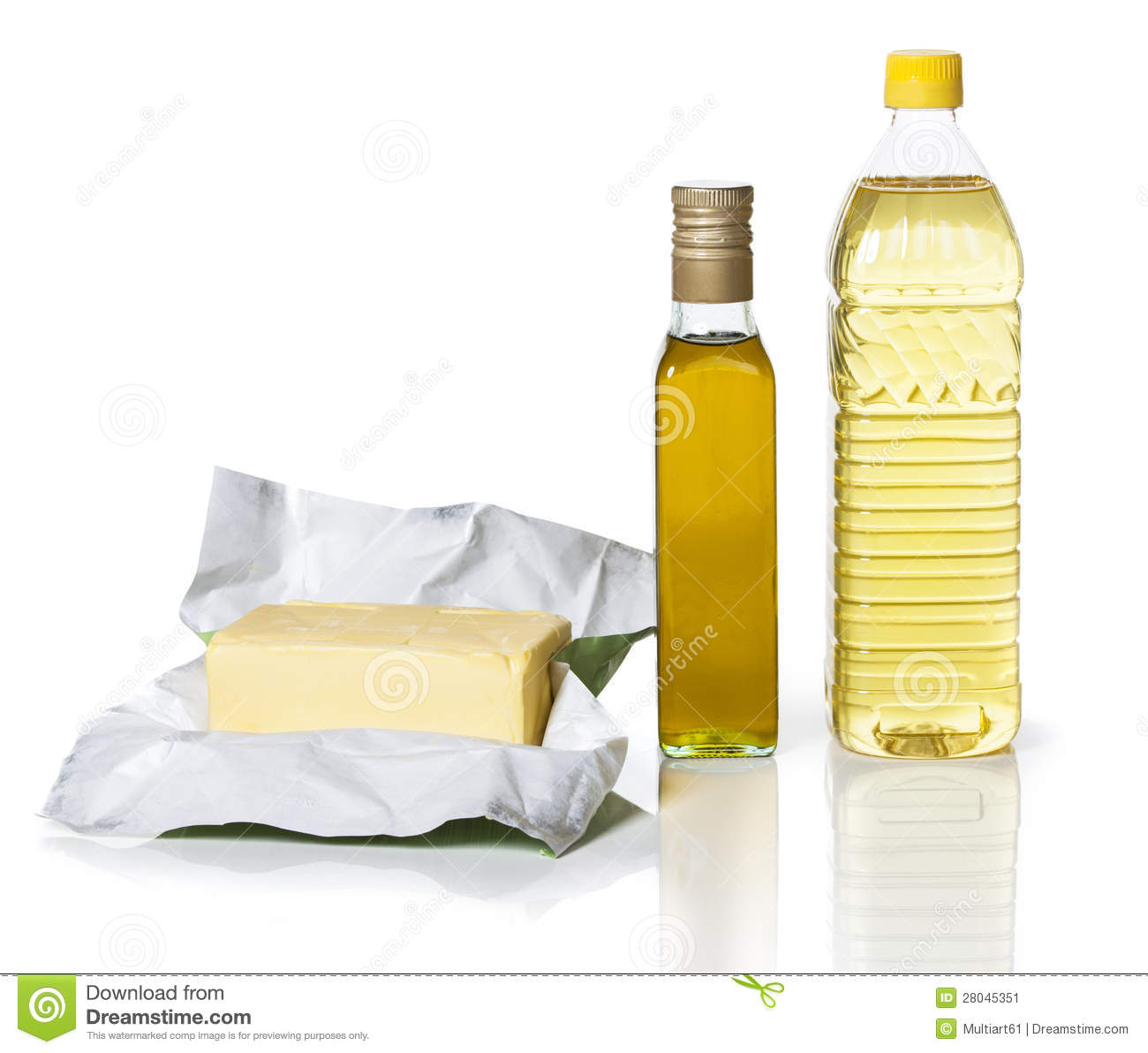
Which biomolecule is found in fats, oils, and waxes and is a source of long-term energy
a)
Proteins
b)
Nucleic Acid
c)
Lipids
d)
Carbohydrate
21.

What is the function of a nucleic acid?

a)

Stores genetic information (DNA)

b)

Stores energy

c)

Quick source of energy

d)

Builds structures

22.

Which biomolecule helps form muscles?

a)

Nucleic Acid

b)

Carbohydrate

c)

Protein

d)

Lipids

23.

What is the purpose of an enzyme?

a)

give permission for the reaction

b)

raise activation energy

c)

speed up chemical reactions (such as food digestion)

d)

control how many reactions occur

24.

How do enzymes speed up chemical reaction?


HINT: activation energy = how much energy is required to perform the reaction

a)

Increasing activation energy

b)

Decreasing activation energy

c)

Increasing deactivation energy

d)

Decreasing deactivation energy

25.
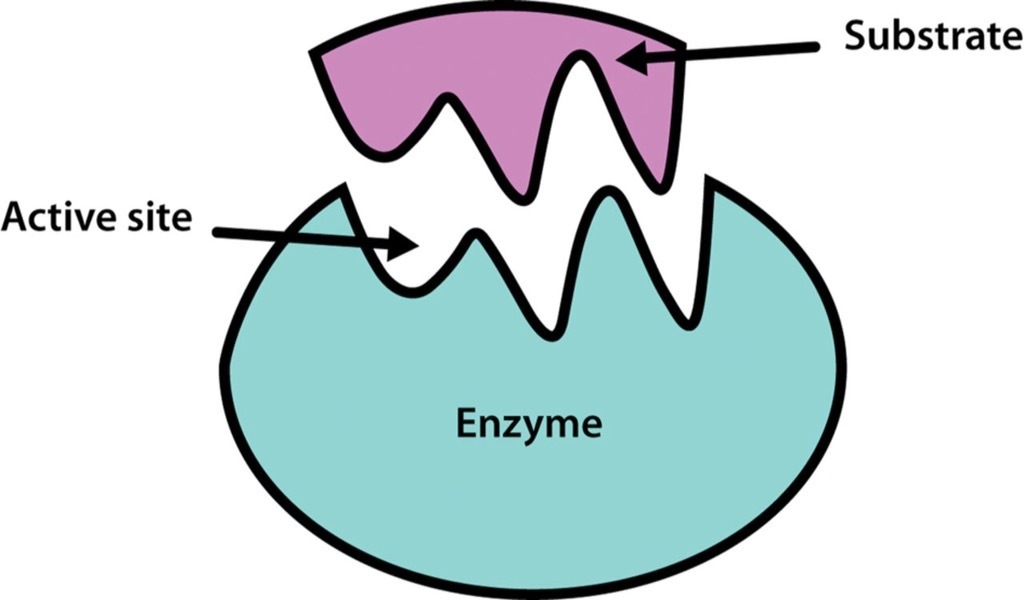
Any substance that is acted upon by an enzyme is called a(n)?
a)
Coenzyme
b)
Substrate
c)
Vitamin
d)
Polypeptide
26.
After the enzyme and substrate bind together and perform the reaction, what does the substrate become?
a)
a substrate
b)
an enzyme
c)
a product
d)
an active site
27.
Plants and animal cells both have a nucleus.
a)
True
b)
False
28.
Bacteria is what kind of cell?
a)
Eukaryotic
b)
Prokaryotic
29.
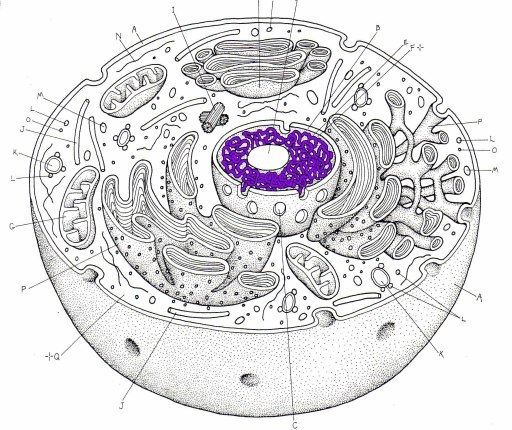
What kind of cell is this?
a)
Eukaryotic
b)
Prokaryotic
30.
What type of cell has a nucleus? 
a)
eukaryotic
b)
prokaryotic 
31.
Plants and animal cells are examples of ___ cells 
a)
prokaryotic cells 
b)
eukaryotic cells 
32.
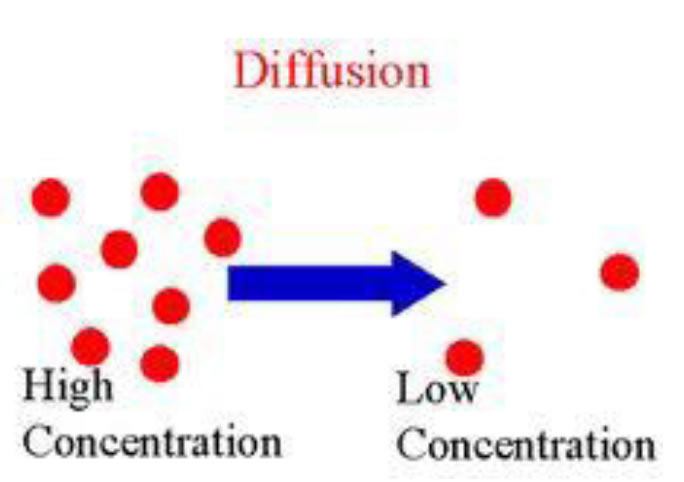
Movement of particles from high to low concentration. 
a)
Passive Transport
b)
Active Transport
33.
Osmosis is a form of ______________. 
a)
Passive Transport
b)
Active Transport
34.
a)
Passive Transport
b)
Active Transport
35.
What is it called when molecules move across the cell membrane from an area of high concentration to an area of low concentration through a carrier protein?
a)
Diffusion
b)
Osmosis
c)
Active Transport
d)
Facilitated Diffusion
36.
Which is true about active transport?
a)
It requires energy
b)
it does not require energy
c)
It moves substances down the concentration gradient
d)
it moves material from high to low concentration
37.
Osmosis is the movement of _____ across a membrane.
a)
food
b)
energy
c)
oxygen
d)
water
38.
This cell organelle helps organisms maintain homeostasis by controlling what substances may enter or leave cells.
a)
vacuole
b)
nucleus
c)
cell membrane
d)
cell wall
39.
Solutes move against the concentration gradient, therefore energy is needed
a)
Passive Transport
b)
Active Transport
40.
This picture represents what type of cell transport?
a)
endocytosis
b)
exocytosis
c)
osmosis
d)
passive transport
41.
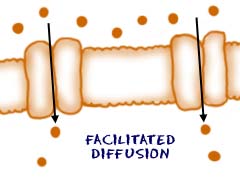
What type of transport is this?
a)
facilitated diffusion
b)
active transport
c)
diffusion
d)
osmosis
42.
The cell below is in a _________ solution.
a)
Hypotonic
b)
Hypertonic
c)
Isotonic
43.
The cell below is in a _____________ solution.
a)
Hypertonic
b)
Hypotonic
c)
Isotonic
44.
A cell in an isotonic solution will
a)
swell
b)
shrink
c)
stay the same size
d)
impossible to tell
45.

Provides long term energy and insulation

a)

lipids

b)

carbohydrates

c)

nucleic acids

d)

proteins

46.
How are decomposers important in the cycling of matter?
a)
A.Decomposers kill nutrients
b)
B.They break down dead organisms and put nutrients back into the soil
c)
C.Decaying matter takes a long time to recycle
d)
D.Decomposers are composed of hydrogen and titanium
47.

If there is 1000 Kcal for the producers, how much energy would be transferred to the Primary Consumers?

a)

10 Kcal

b)

1 Kcal

c)

100 Kcal

d)

1000 Kcal

48.

Which chart correctly shows three of the organisms according to their roles in cycling matter in the marine food web?

a)
b)
c)
d)
49.

Which statement best describes what will happen if the population of herbivores in the community decreases?

a)

the population of foxes will increase

b)

the population of hawks will increase

c)

the population of rabbits will increase

d)

the population of meadow plants will increase

50.

Which of the following trophic levels would have the LEAST amount of available energy?

a)

Producers

b)

first order consumers (primary consumers)

c)

second order consumers (secondary consumers)

d)

third order consumers (tertiary consumers)

51.

Which pyramid of biomass is correct for the food chain shown?

a)
b)
c)
d)
52.
When humans burn fossil fuels, most of the carbon quickly enters the                       as carbon dioxide.
a)
Water
b)
Atmosphere
c)
Sun
d)
Air
53.
TRUE or FALSE?
All of the carbon in existence is continually recycled in the carbon cycle.
a)
True
b)
False
54.
The average temperature of the surface of Earth has increased approximately 1°C in the past century. Which reason best explains this increase in temperature?
a)
lower levels of ozone in the atmosphere
b)
lower levels of nitrogen in the atmosphere
c)
higher levels of carbon dioxide and other greenhouse gases in the atmosphere
d)
higher levels of oxygen in the atmosphere
55.
An abnormal mass of cancer cells is called a 
a)
tumor
b)
cyst
c)
lesion
d)
polyp
56.
Cancer creates abnormal cells by disrupting
a)
the cell cycle
b)
red blood cell formation
c)
DNA replication
d)
ATP synthesis
57.
Cancer is
a)
a premature stop in the cell cycle.
b)
uncontrolled mitosis.
c)
programmed cell death.
58.

Mitosis starts with one cell and ends with...

a)

one cell

b)

two cells

c)

three cells

d)

four cells

59.

Mitosis is also referred to as...

a)

cellular multiplication

b)

cellular subtraction

c)

cellular addition

d)

cellular division

60.
Stem cells are
a)
cells that grow uncontrollably
b)
undifferentiated and can be any type of cell
c)
never go through cell division
d)
only found in embryos
61.

Name the cellular process responsible for repair, growth, and development in living organisms.

a)

meiosis

b)

mitosis

c)

transcription

d)

translation

62.
Why is a shark a carnivore.
a)
because it eats seaweed
b)
because it eats dead animals
c)
because it eats sand 
d)
because it eats other animals
63.
The arrows in a food chain or web represents what?
a)
They point to the organism that is being eaten.
b)
It shows how sunlight flows within an ecosystem.
c)
They show what direction the energy is flowing between organisms. 
d)
They represent how water is transferred within a habitat.
64.

Which of the following would be the definition of a scavenger/detritivore?

a)

Animals that eat insects.

b)

Organisms that feed on rocks, recycling the nutrients back into the ground.

c)

Organisms that eat only plants

d)

Things that feed on dead, rotting organisms (roadkill)

65.
Which of the following would provide the most energy in an ecosystem?
a)
Producers
b)
Herbivore
c)
Omnivore
d)
Carnivore
66.
An organism that obtains energy by eating other organisms.
a)
Consumer
b)
Producer
c)
Decomposer
d)
Detriov
67.
The image provided is an example of a(n):
a)
Producer
b)
Autotroph
c)
Consumer
d)
Insect
68.

In the food web above, what organism is a tertiary consumer?

a)

Fox

b)

Frog

c)

Vole

d)

Grass

69.

How does carbon in a grass plant get into a lion?

a)

The lion eats an antelope that ate the grass

b)

Carbon from grass doesn't end up in a lion.

c)

The lion absorbs the carbon given off by transpiration

d)

The lion breathes in carbon given out by the plant
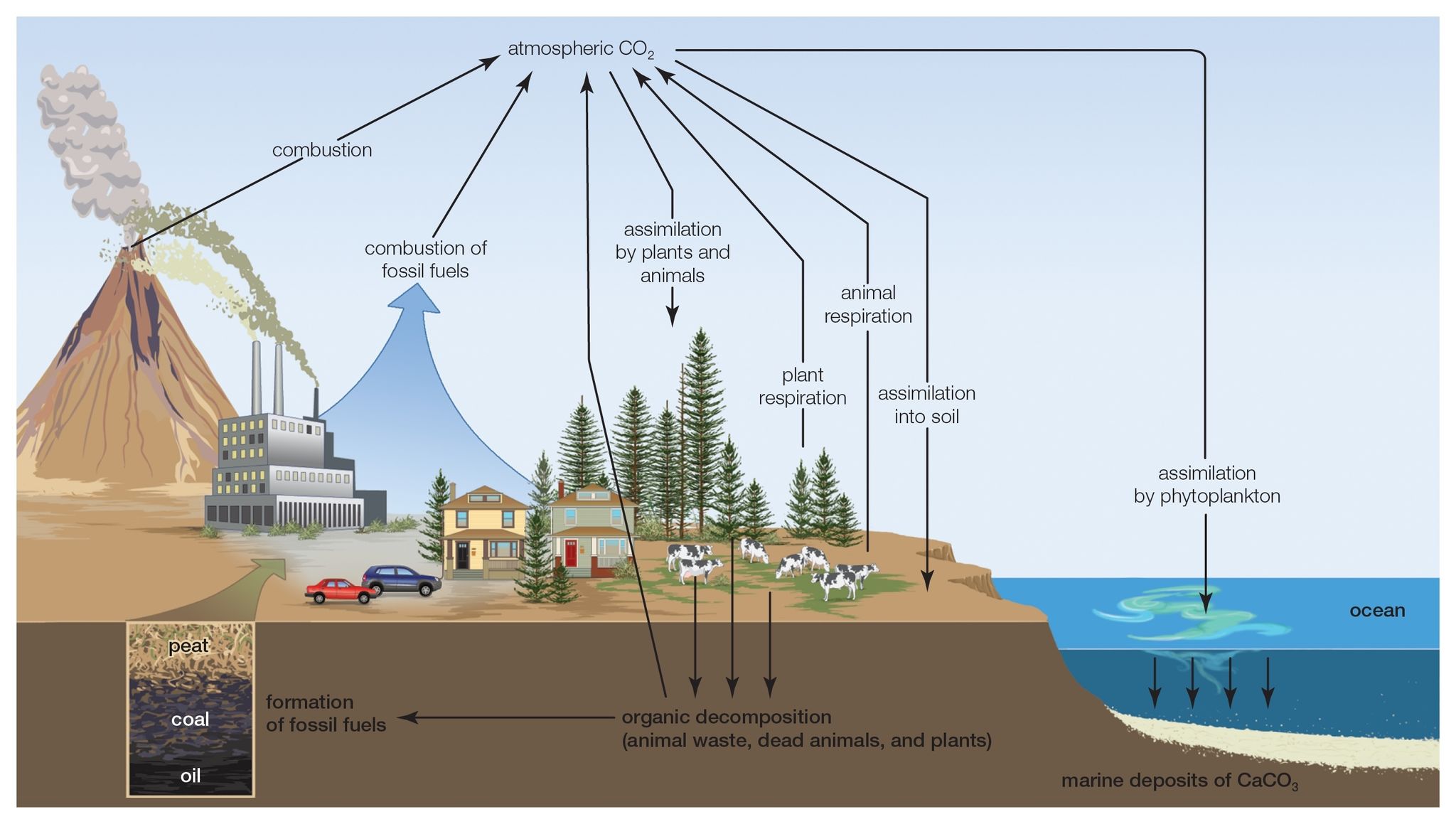
70.
Which of the following add carbon dioxide to the atmosphere?
a)
volcanoes
b)
combustion of fossil fuels
c)
animal and plant respiration
d)
all of these
71.

features of environment that are alive or were once alive

a)

biotic

b)

abiotic

c)

inbiotic

d)

biography

72.
How much of the atmosphere is composed of nitrogen gas?
a)
87%
b)
38%
c)
78%
d)
21%
73.
Why do all organisms need nitrogen?
a)
To live and grow 
b)
To build phosphorus
c)
To make oxygen levels grow
d)
To help blood circulate better
74.
How nitrogen is "fixed" into useable form for plants
a)
only through action of bacteria
b)
only through lightning
c)
through action of bacteria & lightning
d)
through photosynthesis
75.
Which of the following symbiotic relationships is considered parasitic?
a)
Ticks feeding on a dog
b)
Bees transporting pollen from flowers
c)
Pilotfish swimming under sharks
d)
Birds eating the insects fromo the back of hippo
76.
Maria and her classmates are observing animals at the pond. They notice that wood storks and ibisies both feed on fish. Which of these describes the relationship between these two birds.
a)
Parasitism
b)
Competition
c)
Predator and prey
d)
Producer and consumer
77.
Which of these describes a mutually beneficial relationship between two organisms?
a)
A dog with worms in its intestine
b)
A turtle and a snail that both eat grass live in a river
c)
A honeybee pollinating a plant and receiving nectar for food
d)
A small fish attached to a shark, eating tiny pieces of the shark's food as it floats
78.
Which pair of organisms listed below are competitors for the same natural resources?
a)
Ticks and dogs
b)
Lions and leopards
c)
Honeybees and flowers
d)
Salmon and brown bears
79.
Which of the examples below can BEST be described as mutualism between animals?
a)
A tapeworm lives in the intestine of a bird and consumes the food that the bird has eaten
b)
Mountain lions and wolves fight each other for the same deer
c)
A bird eats parasites off a rhinoceros while the rhinoceros provides protection to the bird
d)
Rats live in the garbage dump of a town and rarely interact with people
80.
An organism that kills and eats another for food
a)
Predator
b)
Prey
c)
Parasite
d)
Plant
81.
An organism that is killed and eaten by another organism
a)
Predator
b)
Prey
c)
Parasite
d)
Host
82.
Relationship where both organism benefit
a)
Competition
b)
Commensalism
c)
Mutualism
d)
Parasitism
83.
Relationship where one organism benefits and the other is neither harmed nor helped
a)
Commensalism
b)
Parasitism
c)
Mutualism
d)
Competition
84.
Cattle egrets forage (feed) in fields among cattle. The egret gets easy access to flying insects stirred up by the cattle, and the cattle don't care if they are there or not.
a)
mutualism
b)
commensalism
c)
competition
d)
parasitism
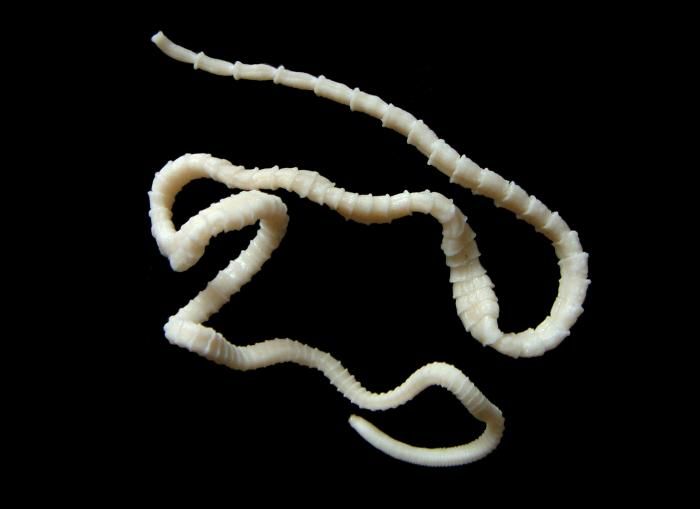
85.
A tapeworm and a cat have this type of relationship.
a)
mutualism
b)
parasitism
c)
commensalism
d)
competition
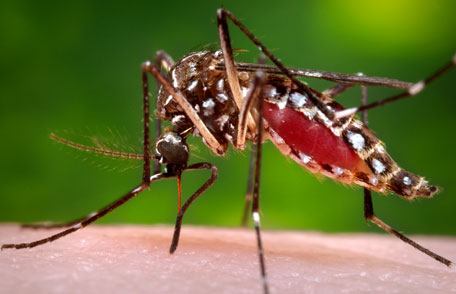
86.
When a mosquito bites you, you are the __________ and the mosquito is the  ____________.
a)
host, hostess
b)
parasite, host
c)
host, parasite
d)
prey, predator
87.
How do lichens contribute to primary succession?
a)
Lichens decompose organic matter from animals and plants
b)
Lichens begin to break down rock to form soil
c)
Lichens are nitrogen fixing bacteria
d)
Lichens convert carbohydrates into fossil fuels.
88.
What is formed during primary succession that doesn't need to be formed during secondary succession?
a)
pioneer species
b)
soil
c)
climax community
d)
lichens
89.
What type of succession is shown going from figure A to figure B?
a)
primary succession
b)
eutrophication
c)
secondary succession
d)
intermediate
90.
After a forest fire, an ecosystem would start regrowth through -
a)
primary succession
b)
secondary succession
c)
climax community
d)
limiting factors
91.
Which catastrophic event will most likely have the effect of returning an ecosystem to primary succession?
a)
A tornado
b)
A volcanic eruption
c)
A flood
d)
A drought
92.
succession that occurs in an area with no soil
a)
ecological succession 
b)
primary succession 
c)
secondary succession
d)
pioneer speciles
93.
succession that occurs in an area where soil is already present
a)
ecological succession 
b)
primary succession 
c)
secondary succession
d)
pioneer speciles
94.
starts with bare rock followed by lichen
a)
primary succession 
b)
secondary succession
c)
both types of succession
95.
Anything that helps an animal survive in its environment.
a)
counter-shading
b)
mimicry
c)
adaptation
d)
camouflage
96.
_______________ is when an animal blends into its environment.
a)
camouflage
b)
mimicry
c)
warning coloration
97.
Which feature of a rose helps it grow without being eaten by large animals?
a)
flowers with bright colors
b)
sharp thorns
c)
small seeds
d)
deep roots
98.
A giraffe has a long neck in order to better reach leaves to eat.  This is an example of _____. 
a)
an adaptation
b)
environment
c)
response
d)
stimulus
99.
What is unicellular? 
a)
one cell 
b)
many cells 
c)
no nuclues 
d)
DNA 
100.
What type of cell does not have a nucleus?
a)
eukaryotic 
b)
prokaryotic 
101.
Which biomolecule has sugars and starches?
a)
Lipids
b)
Proteins
c)
Carbohydrates
d)
Nucleic Acid
102.
Which biomolecule functions include enzymes­ which speeds the rate of chemical reactions, structural components in cells, mechanical functions in muscles and cytoskeleton, cell signaling, and immune response; provides structure and helps with chemical reactions 
a)
Protein
b)
Lipids
c)
Carbohydrate
d)
Nucleic Acid
103.
Which biomolecule is important source of energy for humans; glucose for human cells, tissues, and organs; provides fiber, sugar, and starches; provides structural support, cell wall, and cell membrane maker?
a)
Nucleic Acid
b)
Lipid
c)
Carbohydrate
d)
Protein
104.
What is the function of nucleic acids?
a)
Stores energy
b)
Stores genetic information
c)
Movement
d)
Physical structure
105.
Which biomolecule is responsible for insulation and LONG term energy storage?
a)
Proteins
b)
Nucleic Acids
c)
Lipids
d)
Carbohydrates
106.
Which biomolecule is responsible for insulation and LONG term energy storage?
a)
Proteins
b)
Nucleic Acids
c)
Lipids
d)
Carbohydrates
107.
Which biomolecule includes sugars and starches? (Hint: simple or complex)
a)
Lipids
b)
Proteins
c)
Carbohydrates
d)
Nucleic Acids
108.
Which biomolecule group includes fats, oils, and waxes?
a)
Proteins
b)
Nucleic Acid
c)
Lipids
d)
Carbohydrate
109.
When the concentration of particles inside of a cell is the same as the concentration of particles outside of the cell. 
a)
active transport
b)
concentration
c)
diffusion
d)
equilibrium
110.
The process where only water is allowed to pass through the cell membrane from a high to low concentration.
a)
meiosis
b)
respiration
c)
diffusion
d)
osmosis
111.
The movement of molecules from an area of high concentration to an area of low concentration.
a)
Osmosis
b)
Respiration
c)
Diffusion
d)
Active Transport
112.
Cells transport material across a cell membrane without using energy (high to low concentration)
a)
Passive transport
b)
Concentration
c)
Endocytosis
d)
Active Transport
113.
Cell membrane surrounds a particle and encloses it (for large particles)
a)
Endocytosis
b)
Exocytosis
c)
Permeable
d)
In high concentration
114.
Particles are removed from a cell (pushed out).
a)
Endocytosis
b)
Exocytosis
c)
Permeable
d)
In high concentration
115.
A cell membrane has pores that allow certain materials to pass through. This is a type of cell membrane.
a)
Permeable
b)
In high concentration
c)
At equilibrium
d)
In low concentration
116.
Which of the following is an example of osmosis?
a)
Oxygen exiting leaves after photosynthesis
b)
A raisin swelling in a cup of water
c)
Water changing from a liquid to a gas
d)
Oxygen moving into an animal cell
117.
Enzymes catalyze reactions by ___________ Activation Energy.
a)
Increasing
b)
Decreasing
118.
The molecule an enzyme is working on is called the:
a)
Substrate
b)
Solvent
c)
Allosteric Inhibitor
d)
CoEnzyme
119.

Enzymes are an example of

a)

Lipids

b)

Carbohydrate

c)

Protein

d)

Nucleic Acid

120.
Enzymes are capable of increasing the rate of a chemical reaction within a living cell.  Enzymes accomplish this through which of the following means?
a)
reducing the number of products   
b)
reducing the activation energy
c)
increasing the temperature of the cell
d)
increasing the concentration of reactants 
121.
Enzymes provide a site where reactants called substrates can be brought together in an enzyme-catalyzed reaction. The site is called the
a)
enzyme substrate complex.
b)
reaction site.
c)
active site.
d)
lock and key.
122.
An enzyme speeds up a reaction by
a)
lowering the activation energy.
b)
raising the activation energy.
c)
releasing energy.
d)
absorbing energy.
123.
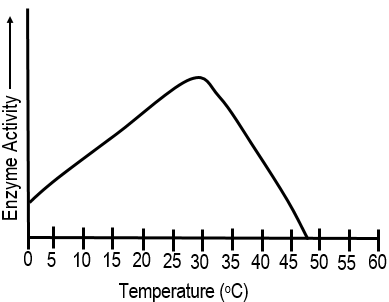
Based on the graph, what is the optimal temperature for this enzyme? 
a)
15oC
b)
40oC
c)
30oC
d)
35oC
124.
Which of the following is necessary for photosynthesis?
a)
Sunlight
b)
Glucose
c)
Oxygen
d)
Soil
125.
Which of the following is a product of photosynthesis?
a)
Water
b)
Sunlight
c)
Glucose
d)
Carbon dioxide
126.
Which of the following organisms use cellular respiration for life and growth?
a)
Plants only
b)
Animals only
c)
Plant and animals
d)
Glucose
127.
How do plants obtain energy for photosynthesis?
a)
Water is absorbed through the flower
b)
Soil is absorbed by the roots
c)
Oxygen is absorbed though the stem
d)
Sunlight is absorbed by the leaves
128.
What is glucose?
a)
A form of stored energy
b)
A type of sugar
c)
A necessary ingredient for life
d)
All of the above
129.
What is inside the cells of this leaf that performs photosynthesis?
a)
Oxygen
b)
Chlorophyll
c)
Little men who work hard
d)
Glucose