wayground logo

Free Printable Worksheets

Font size

S
M
L
XL
Worksheets

Biology Final Review 2019

Total questions: 180

Worksheet time: 3hrs 15mins

Name
Class
Date
1.
Houses ribosomes so they can make protein, also transports molecules in the cell
a)
Rough Er
b)
Nucleus
c)
Golgi 
d)
Mitochondria
2.
surrounds the cell; controls what enters/leaves cell; maintains homeostasis
a)
vacuole
b)
cell wall
c)
cell membrane
d)
lysosome
3.
control the cell's activities; contains the cell's DNA
a)
mitochondria
b)
cell membrane
c)
nucleus
d)
golgi body
4.
breaks down food to release energy
a)
nucleus
b)
lysosomes
c)
mitochondria
d)
vacuole
5.
mainly found in plant cells
a)
nucleus
b)
cell wall
c)
cell membrane
d)
lysosome
6.
cells that contain a true nucleus
a)
prokaryotes
b)
eukaryotes
c)
carbohydrate
d)
plant cells
7.
What is the function of the cytoplasm?
a)
Stores water and mineral ions
b)
It holds all the organelles in place
c)
a.Controls what enters and leaves the cell
d)
Supports the cell
8.
Identify this structure that surrounds the entire cell.
a)
cell wall
b)
cell membrane
c)
sap vacuole
d)
cytoplasm
9.
Which cell structure is correctly paired with its primary function?
a)
ribosome - movement
b)
mitocondria - energy production
c)
vacuole - cell division
d)
nucleus - storage of nutrients
10.
Which organelle is responsible for making proteins?
a)
Nucleus
b)
Nucleolus
c)
Lysosomes
d)
Ribosomes
11.
What is a sac-like structure used to store water and nutrients? These are much larger in plant cells?
a)
Lysosomes
b)
Mitochondria
c)
Vacuoles
d)
Golgi Body
12.
changes and packages cell products like proteins
a)
nucleus
b)
cell wall
c)
vacuole
d)
golgi body
13.

All cells contain cell membranes. Which of the following describes the composition of cell membranes?

a)

Cell membranes are composed of carbohydrate chains, which allow all materials to enter and leave the cell.

b)

Cell membranes are composed of cellulose, which provide rigidity for the cell.

c)

Cell membranes are composed of lipid molecules, which provide a flexible structure.

d)

Cell membranes are composed of cytoplasm, which allows proteins to be excreted by the cell.

14.

A cell is placed in an isotonic solution. How does the cell maintain homeostasis in this environment?

a)

There is no movement of water molecules into or out of the cell because the concentrations of solute particles inside and outside the cell are the same.

b)

Water will move across the cell membrane in both directions because the concentrations of solute particles inside and outside the cell are the same.

c)

Water will move across the cell membrane to the outside of the cell because the solution has a higher concentration of solute particles than the cell.

d)

Water will move across the cell membrane to the inside of the cell because the cell has a higher concentration of solute particles than the solution.

15.
What organelle surrounds and supports plant cells?

a)
Cell Membrane
b)
Cell Wall
c)
Nucleus
d)
acrons
16.
What do all living organisms contain?
a)
organ
b)
a brain
c)
tissue
d)
cells
17.
In what organelle does the food making process in plants take place?

a)
Ms. Field's Kitchen
b)
Vacuole
c)
Chloroplasts
d)
Mitochondria
18.
In what organelle is the genetic material DNA found inside?
 
a)
Endoplasmic Reticulum
b)
Golgi Complex
c)
Classroom floor
d)
Nucleus
19.
The two kinds of cells are Prokaryotes and Eukaryotes. How are they different?
a)
Prokaryotes have a nucleus.
b)
Eukaryotes have a nucleus.
c)
Prokaryotes are plant cells.
d)
There is no difference.
20.
What organelle is considered to be the “gatekeeper” for plant and animal cells because it helps maintain Homeostasis?

a)
Cell Wall
b)
Cytoplasm
c)
Nucleous
d)
Cell Membrane
21.
What kind of cell organelle is this?
a)
Nucleus
b)
Golgi Body
c)
Mitochondrion
d)
Plasma Membrane
22.
Which type of cells don't have a cell membrane?
a)
Animal cells
b)
Plant cells
c)
Bacteria cells
d)
All cells have a cell membrane
23.
What structures form the double layer of the cell membrane which helps it regulate what goes in and out?
a)
Amino Acids
b)
Carboydrates
c)
Phospholipids
d)
Glucose
24.
What is the term for each step in the transfer of energy and matter within a biological community?
a)
energy path
b)
food web
c)
trophic level
d)
food pyramid
25.
Autotrophs make up the _______ level in all ecosystems.
a)
First
b)
Second
c)
Third
d)
Fourth
26.
which symbiosis is this 
a)
parasitism 
b)
mutualism
c)
commensalism
d)
nonalism 
27.
A living relationship between two species in which one organism is harmed is called...
a)
mutualism
b)
commensalism
c)
parasitism
d)
niche
28.
What does a food web represent?
a)
All connections of energy flow throughout all organisms in a habitat.
b)
The specific ways that mutualism is carried out.
c)
A single pathway or energy flow between organisms. 
d)
How carnivores get their food. 
29.
The image provided is an example of a(n):
a)
Carnivore
b)
Herbivore
c)
Producer
d)
Autotroph
30.
The image provided is an example of a(n):
a)
Producer
b)
Autotroph
c)
Consumer
d)
Insect
31.
The amount of energy that usually transfers from one trophic level to the next...
a)
10%
b)
20%
c)
80%
d)
50%
32.
Which of the following would be the definition of a detritivore?
a)
Animals that eat insects.
b)
Organisms that feed on rocks, recycling the nutrients back into the ground.
c)
Organisms that eat only pants
d)
Things that feed on dead organisms, recycling the nutrients back into the ground.
33.
An illustration that uses arrows to show the many possible directions in which matter and energy can pass through the organisms in an ecosystem.
a)
Food chain
b)
Food web
c)
Energy Pyramid
d)
Succession Map
34.
The nonliving aspects of an ecosystem.
a)
Abiotic factors
b)
Biotic factors
35.
The living portions of the ecosystem.
a)
Biotic factors
b)
Abiotic factors
36.
Water temperature would be an example of ...
a)
A biotic factor
b)
An abiotic factor
37.
A place where an organism lives.
a)
Terrain
b)
Habitat
c)
Community
d)
Population
38.
A collection of organisms that make up a community as well as all of the nonliving aspects of the environment.
a)
Population
b)
Community
c)
Habitat
d)
Ecosystem
39.
Organisms that can capture energy from inorganic, nonliving sources.
a)
Producers
b)
Consumers
c)
Detritivores
d)
Carnivores
40.
Organisms that feed on both living producers and other consumers.
a)
Carnivores
b)
Omnivores
c)
Herbivores
d)
Detritivores
41.
The general name for organisms like animals and fungi that get their energy from eating other organisms.
a)
Producers
b)
Consumers
c)
Detritivores
d)
Carnivores
42.
An organism at the second trophic level would be considered a...
a)
Top carnivore
b)
Producer
c)
Herbivore
d)
Carnivore
43.
A graphic illustration that shows each trophic level and the amount of useable energy contained within.
a)
Food chain
b)
Food web
c)
Energy Pyramid
d)
All of these
44.
True or False:  It is possible for a carnivore to be a producer.
a)
False
b)
True
45.
Which macromolecule is made of simple and complex sugars?
a)
lipids
b)
proteins
c)
carbohydrates
d)
nucleic acids
46.

Which macromolecule stores energy, insulates us, and makes up the cell membrane?

a)

lipids

b)

proteins

c)

carbohydrates

d)

nucleic acids

47.
This is one job proteins do NOT have in the body
a)
insulation
b)
structure for tissues and organs
c)
speed up chemical reactions
d)
transport things through cell membrane
48.
DNA and RNA are examples of...
a)
proteins
b)
nucleic acids
c)
carbohydrates
d)
lipids
49.
Another name for fats and oils
a)
proteins
b)
sugar
c)
lipids
d)
nucleic acids
50.
What is the function of nucleic acids?
a)
Stores energy
b)
Stores genetic information
c)
Movement
d)
Physical structure
51.
What is the monomer of proteins?
a)
amino acids
b)
polypeptides
c)
nucleotides
d)
monosaccharides
52.
What is the monomer of nucleic acids?
a)
Glycerol
b)
Monosaccharides
c)
Amino Acids
d)
Nucleotides
53.
What are the four macromolecules?
a)
proteins, nucleic acids, carbohydrates, and lipids
b)
monosaccharides, lipids, polysaccaharides, and proteins
c)
RNA, DNA, proteins, and carbohydrates
d)
proteins, DNA, RNA, and steroids
54.
A monosaccharide is a subunit of a:
a)
nucleic acid
b)
lipid
c)
carbohydrate
d)
protein
55.
Most enzymes:
a)
speed up the chemical reaction
b)
have no effect on the rate of the chemical reaction
c)
slow the rate of the chemical reaction
d)
keep the rate of the chemical reaction the same
56.
All organic compounds contain the element
a)
carbon
b)
nitrogen
c)
phosphorus
d)
sulfur
57.
Which is the monomer (building block) for lipids?
a)
fatty acids & glycerol
b)
nucleotide
c)
amino acids
d)
monosaccharide
58.
What is the function of carbohydrates?
a)
store genetic information
b)
store energy (long-term)
c)
store energy (short-term)
d)
build skin, hair, nails, muscles
59.
What molecule is used for LONG term energy storage?
a)
carbohydrates
b)
lipids
c)
protiens
d)
nucleic acid
60.
Subunit is to Macrocolecule like ___ is to ____
a)
Building is to Bricks.
b)
Brick is to Building.
c)
Carpenter is to Building.
d)
Building is to Carpenter.
61.
Enzymes are considered to be 
a)
Lipids
b)
Carbohydrate
c)
Protein
d)
Nucleic Acid
62.
Which organism pictured must absorb carbon dioxide to survive?
a)
bird
b)
rabbit
c)
insect
d)
tree
63.
How do photosynthesis and cellular respiration differ?
a)
photosynthesis uses food and cellular respiration produces food
b)
photosynthesis gives off oxygen and cellular respiration uses oxygen
c)
photosynthesis uses oxygen and cellular respiration uses carbon dioxide
64.
Why is it important to rid the cell of toxins?
a)
to maintain cellular respiration
b)
to maintain cellular division
c)
to maintain active transport
d)
to maintain homeostasis
65.
Which is MOST necessary for life?
a)
random mutations
b)
reproducing quickly
c)
maintenance of homeostasis
d)
producing a variety of proteins
66.
What is the BEST explanation for why a person shivers when their body temperature is "too cold"?
a)
the shivering is caused by a decrease in the blood's pH level that raises the body's temperature
b)
the shivering is caused by an increase in insulin production that raises the body's temperature
c)
the shivering is caused by an increase in muscle contractions that release energy maintaining homeostasis
d)
the shivering is caused by increased water reabsorption by the kidneys that raises the body's temperature
67.
Autotroph or heterotroph?
a)
Autotroph
b)
Heterotroph
68.
What organelle makes most of the ATP and is called the power plant of the cell? 
a)
ribosomes
b)
lysosomes
c)
organelles
d)
mitochondrion 
69.
In which organelle does photosynthesis occur?
a)
Mitochondria
b)
Chloroplast
c)
Endoplasmic Reticulum
d)
Lysosome
70.
Photosynthesis ______ glucose while cellular respiration ______ glucose.
a)
builds; breaks apart
b)
breaks apart; builds
71.
What do all cells use for energy?
a)
Carbs
b)
Protein
c)
Fat
d)
ATP
72.
Photosynthesis _______ energy while cellular respiration ______ energy.
a)
uses; releases
b)
releases; uses
c)
uses; uses
d)
releases; releases
73.
What is combined in photosynthesis to make glucose?
a)
H2O and CO2
b)
Oand H2O
c)
H2O and O2
d)
O2 and CO2
74.
What is the term that is used to describe every chemical reaction in the body?
a)
Respiration
b)
Breathing
c)
Metabolism
d)
Photosynthesis
75.
Autotroph or heterotroph?
a)
Autotroph
b)
Heterotroph
76.
Which contains more energy?
a)
ATP
b)
ADP
c)
AMP
d)
Ms. Field's Coffee  (Do not pick this answer)
77.
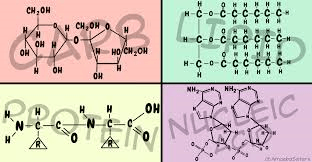
Which biomolecule is this a picture of? (Hint: it is made of amino acids)
a)
Proteins
b)
Nucleic Acids
c)
Lipids
d)
Carbohydrates
78.
Which biomolecule is this a picture of? (Hint: it has a "head and tail" structure)
a)
Protein
b)
Nucleic Acid
c)
Lipid
d)
Carbohydrate
79.
Which biomolecule is this a picture of? (Hint: it is used for quick energy!)
a)
Complex Carbohydrate
b)
Nucleic Acid
c)
Lipid
d)
Simple Carbohydrate
80.
Which biomolecule is also known as enzymes? (Hint: enzymes have MANY forms and functions!)
a)
Carbohydrate
b)
Lipid
c)
Nucleic Acid
d)
Protein
81.
Which biomolecule helps form muscles? 
a)
Nucleic Acid
b)
Carbohydrates
c)
Protein
d)
Lipids
82.
Which biomolecule is responsible for insulation and LONG term energy storage?
a)
Proteins
b)
Nucleic Acids
c)
Lipids
d)
Carbohydrates
83.
Which biomolecule is made of amino acid monomers?
a)
Nucleic Acid
b)
Carbohydrate
c)
Protein
d)
Lipid
84.
Which biomolecule group includes fats, oils, and waxes?
a)
Proteins
b)
Nucleic Acid
c)
Lipids
d)
Carbohydrate
85.
ALL polymers (large molecules) are made up of...
a)
monosaccharides
b)
monomers
c)
proteins
d)
None of these
86.
Proteins are SO diverse because ....
a)
They all have the same structure
b)
They have a wide range of structures
c)
They just are, it has nothing to do with structure
d)
They are alive and can change their function
87.
What elements are common to all 4 biomolecules?
a)
Carbon, hydrogen, nitrogen
b)
Carbon, Nitrogen, Phosphorus
c)
Carbon, Hydrogen, Oxygen
d)
Carbon, Hydrogen, Phosphorus
88.
Which of the following answers links a biomolecule with one of its proper functions?
a)
Lipids - Store genetic information
b)
Carbohydrates - short term energy storage
c)
Nucleic Acids - Catalyze reactions
d)
Proteins - long term energy storage
89.
Peptide bonds in proteins can be broken down by the enzyme peptidase. Adrian orders a hamburger and French fries for lunch. He adds cheese and mayonnaise to his hamburger and then sits down to eat lunch with his friends. Which structure would most likely result from the action of peptidase in Adrian’s stomach?
a)
Lipids
b)
Glucose
c)
Nucleic Acid
d)
Amino Acid
90.
Molecules consisting only of carbon, hydrogen,   and oxygen atoms make up a large part of a   plant cell wall. These molecules are classified   as (4.1.1)
a)
Enzymes
b)
Proteins
c)
Cellulose
d)
Lipids
91.
Which organic compound is correctly matched   with the subunit that composes it? (4.1.1)
a)
Nucleotide – amino acid
b)
Starch – glucose
c)
Protein – fatty acid
d)
Lipid – sucrose
92.
Which is an organic compound? (4.1.1)
a)
NH3
b)
H2O
c)
NaCl
d)
C12H22O11
93.
Hemoglobin, insulin, albumin, and maltase,   which are composed of chains of amino acids, are examples of: (4.1.1)
a)
Nucleic acids
b)
Carbohydrates 
c)
Lipids
d)
Proteins 
94.
Steroids are a type of ________.
a)
Nucleic Acid
b)
Lipid
c)
Cholesterol
d)
Protein
95.
Which of the following statements is true? 
a)
The function of the biomolecule nucleic acid is carrying genetic code and the main source of energy for the body. 
b)
The function of the biomolecule carbohydrate is energy storage and make up the cell membrane. 
c)
The function of the biomolecule lipid is the main source of energy and structure and support. 
d)
The function of the biomolecule protein is structure or support and enzymes speed up the chemical reactions. 
96.
Alpha helix and beta pleated sheets are part of what level of protein structure?
a)
primary
b)
secondary
c)
tertiary
d)
quaternary
97.
Ionic Bonding involves...
a)
The transfer of protons
b)
The transfer of nuetrons 
c)
The transfer of electrons
d)
None Of the above
98.
What usually forms the positive ion?
a)
Metal
b)
Non Metals
c)
None
99.
What happens when the sodium atom loses an electron?
a)
It become negatively charged 
b)
It become positively charged
c)
none
100.
What usually forms the negative ion?
a)
nonmetals
b)
metal
c)
none
101.
Covalent compounds
a)
Share electrons
b)
transfer electrons
c)
contain a sea of electrons
d)
conduct electricity
102.
What two types of atoms make a covalent bond?
a)
2 Nonmetals
b)
1 Nonmetal and 1 Metal
c)
2 Metals
d)
2 Noble Gases
103.
What happens when an atom loses an electron?
a)
Neutral (no charge)
b)
Positive charge
c)
Negative charge
104.
Which particle has a positive charge?
a)
electron
b)
orbital
c)
proton
d)
neutron
105.
Choose the particle that has no charge.
a)
nucleus
b)
neutron
c)
proton
d)
electron
106.
This particle determines what element you have - the elements identity.
a)
electron
b)
proton
c)
neutron
d)
valence shell
107.
What is the mass of a proton and a neutron?
a)
1amu
b)
2grams
c)
13amu
d)
10cm
108.
An electron has a _____ charge.
a)
negative
b)
positive
c)
neutral
109.
Describe an Electron Cloud?
a)
the mist outside of an atom
b)
home of the protons
c)
where electrons are located
d)
nucleus
110.
What are valence electrons?
a)
electrons on the first orbital always
b)
nucleus
c)
the outermost shell
d)
the number of electrons on the outermost orbital
111.
Which particles make up the nucleus of an atom?
a)
protons and neutrons
b)
electrons and protons
c)
electrons, protons, and neutrons
d)
electrons and neutrons
112.
The particles of the atom you can find by knowing the atomic number.
a)
neutrons
b)
protons and electrons
c)
protons and neutrons
d)
atomic mass
113.
What charge does the nucleus have and why?
a)
positive - the neutrons do not have a charge
b)
positive - the neutrons and protons are positively charged particles
c)
neutral - the neutral charge dominates the positive charge
d)
neutral - electrons cancel out the positive charge of the atom
114.
Matter that cannot be broken down into a simpler substance – building blocks of life.
a)
neutron
b)
atom
c)
electron
d)
quarks
115.
Most of the mass of an atom is contained here.
a)
electron orbitals 
b)
nucleus
c)
shells
d)
atomic #
116.

The monomers of nucleic acids are

a)

Monosaccharides

b)

Nucleotides

c)

Amino Acids

d)

Fatty Acids

117.

What biomolecules would help a bear withstand months of hibernation without eating?

a)

Protein

b)

Carbohydrates

c)

Nucleic Acids

d)

Lipids

118.

What element needs to be present to consider a molecule organic?

a)

Nitrogen

b)

Oxygen

c)

Carbon

d)

Phosphorous

119.

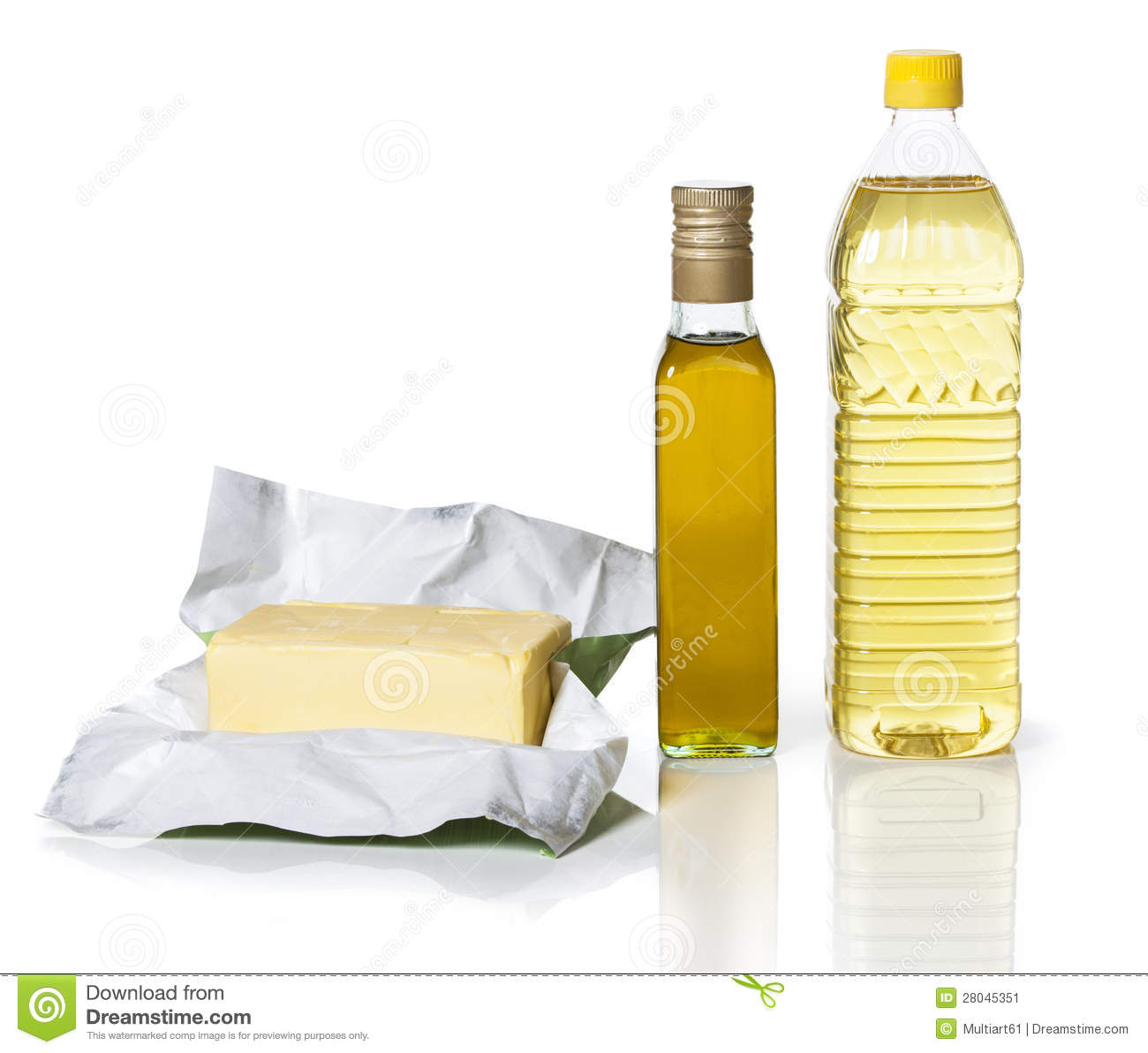
A student burns heats up a piece of orange and some oil. Then he places them in a beaker with water and records the changes in the temperatures. Which food item will hold the temperature for the longest?

a)

The orange, because it is a sugar and sugars give energy

b)

The oil, because the oil is a sugar and it gives energy

c)

The orange, because it has many H-bonds which will cause it to hold the energy the longest

d)

The oil, because it has many H-bonds which will cause it to hold the energy the longest
120.
Which biomolecule is a main source of quick energy?
a)
Nucleic Acid
b)
Protein
c)
Lipid
d)
Carbohydrate
121.
Which biomolecule is found in fats, oils, and waxes and is a source of long-term energy
a)
Proteins
b)
Nucleic Acid
c)
Lipids
d)
Carbohydrate
122.

Which biomolecule is also known as enzymes?

a)

Carbohydrate

b)

Lipid

c)

Nucleic Acid

d)

Protein

123.
What does every food chain start with? (Even if it's not drawn or written there!)
a)
producers
b)
sun
c)
consumer
d)
decomposers
124.
Consumer that eats plants
a)
heterotroph
b)
herbivore
c)
producer
d)
community
125.
relationship in which two species live closely together
a)
resource
b)
mutualism
c)
succession
d)
symbiosis
126.
In this Food Web Pyramid Which type of consumer gets only 10% of the energy stored in plants?
a)
Herbivore
b)
Carnivore
c)
Omnivore
d)
Secondary Consumer
127.
The image provided is an example of a(n):
a)
Carnivore
b)
Herbivore
c)
Producer
d)
Autotroph
128.
The nonliving aspects of an ecosystem.
a)
Abiotic factors
b)
Biotic factors
129.
The living portions of the ecosystem.
a)
Biotic factors
b)
Abiotic factors
130.
As you move upward, from level to level, in an energy pyramid, energy _____.
a)
increases
b)
decreases
c)
stays the same
d)
increases exponentially
131.
What are the Abiotic factors in this image? 
a)
water, sunlight, dirt, air
b)
birds and plants
c)
birds, water, dirt
d)
plants, water
132.
Organisms that feed on both living producers and other consumers.
a)
Carnivores
b)
Omnivores
c)
Herbivores
d)
Detritivores
133.
Highways allow people to travel between towns and cities. These highways also divide ecosystems into smaller pieces. Animals can become separated from lakes they use for breeding. For example, tiger salamanders travel long distances to breed at lakes. How could highway systems affect animals such as tiger salamanders?
a)
Tiger salamanders may be cut off from important resources
b)
Tiger salamander could improve their ability to remember roads
c)
Tiger salamander's habitat within ecosystems could become larger
d)
Tiger salamanders habitat may be exposed to less pollution
134.
Guppies are small fish that live in fresh water. Most guppy species reproduce sexually, but some reproduce asexually. There are two lakes in a particular region. One lake contains  a species of guppy that reproduces asexually. The other lake contains a species of guppy that reproduces sexually. A scientist studying these lakes predicts that the sexually reproducing guppies would survive better than the asexually reproducing guppies if a fungus was introduced to both lakes. Which statement supports this hypothesis?
a)
The sexually reproducing guppies are carriers of harmful characteristics
b)
The sexually reproducing guppies require only one individual for reproduction
c)
The sexually reproducing guppies have a variation of inherited characteristics
d)
The sexually reproducing guppies are identical to one another
135.
The process by which individuals that are better adapted to their environment are more likely to survive and reproduce than other members of the same species is called................
a)
Natural selection.
b)
Evolution
c)
Competition
d)
Overpopulation
136.
What does a food web represent?
a)
All connections of energy flow throughout all organisms in a habitat.
b)
The specific ways that mutualism is carried out.
c)
A single pathway or energy flow between organisms. 
d)
How carnivores get their food. 
137.

which level contains the most energy?

a)

grass

b)

rabbit

c)

snake

d)

hawk

138.
Anything that can decrease the size of a population including living (biotic) and non living (abiotic) features of an ecosystem such as predators and drought.
a)
limiting factor
b)
habitat
c)
ecosystem
d)
carrying capacity
139.
The role or function or job of a species in a community.
a)
habitat
b)
diet
c)
niche
d)
ecosystem
140.
Abiotic
a)
–describes the nonliving parts of the environment
b)
–describes living things in the environment
c)
describes the way in which plants use carbon dioxide
d)
describes all living and nonliving things in the environment
141.
Biotic
a)
–describes living things in the environment
b)
describes the nonliving things in the environment
c)
describe both the living and nonliving things in an environment
d)
describes the part of Earth where ecosystems can be found
142.
Carrying Capacity
a)
– the largest population that an environment can support at any given time
b)
resources that are so scarce that it limits the size of a population
c)
the smallest population that an environment can support at any given time
d)
the amount of nuts a chipmunk can hold in its cheeks at one time
143.
Predator
a)
–an organism that eats all or part of another organism
b)
an organism that is killed and eaten by another organism
c)
the name of a really bad movie
d)
an organism that is large and ferocious
144.
model that shows all the possible feeding relationships in a community
a)
food chain
b)
food web
c)
energy pyramid
d)
none of these
145.

What is the series of predictable changes that occur in a community over time called?

a)

succession

b)

limiting factor

c)

carrying capacity

d)

scavenger

146.

Any naturally-occurring event that has an effect on an ecosystem

a)

Natural hazard

b)

Carrying Capacity

c)

Limiting factor

d)

Emigration

147.
a)
food webs and consumers
b)
carrying capacity and resource availability  
148.
What is the source of energy for photosynthesis?
a)
carbohydrates-chemical
b)
sunlight-radiant
c)
heat-thermal
d)
television-electrical
149.
What are the reactants (what's needed) for photosynthesis?
a)
glucose and oxygen
b)
light, water, and carbon dioxide
150.
What gas is released by plants during photosynthesis?
a)
sulfur
b)
carbon dioxide
c)
oxygen
d)
hydrogen
151.
What is the purpose of photosynthesis?
a)
make glucose
b)
make ATP
c)
make light
d)
release carbon dioxide
152.
What are the products (what's made) during photosynthesis?
a)
glucose and oxygen
b)
water, light, and carbon dioxide
153.
What type of organism uses photosynthesis?
a)
plants
b)
bacteria
c)
animals
d)
both plants and bacteria
154.
In which organelle (part of the cell) does photosynthesis take place?
a)
mitochondria
b)
chloroplast
c)
nucleus
d)
cell membrane
155.
What is the gas we breath out that plants use for photosynthesis?
a)
sulfur
b)
carbon dioxide
c)
oxygen
d)
hydrogen
156.
How can photosynthesis be related to cellular respiration?
a)
What's produced (made) by one is needed (the reactants) for the other
b)
They both produce the same products
c)
They both have the same reactants (need the same things)
d)
These 2 processes have nothing in common
157.
What is one of the reactants of cellular respiration?
a)
energy
b)
glucose
c)
carbon dioxide
d)
water
158.
Which of the following structure is where cellular respiration occurs in the cell?
a)
nucleus
b)
cytoplasm
c)
mitochondria
d)
vacuoles
159.
What are the reactants in the equation for cellular respiration?
a)
oxygen and lactic acid
b)
carbon dioxide and water
c)
glucose and oxygen
d)
water and glucose
160.
What is the correct equation for cellular respiration?
a)
6O2 + C6H12O6 -> 6CO2 + 6H2O + Energy
b)
6O2 + C6H12O6 + Energy -> 6CO2 + 6H2O
c)
6CO2 + 6H2O -> 6O2 + C6H12O6 + Energy
d)
6CO2 + 6H2O + Energy -> 6O2 + C6H12O6
161.
Cellular Respiration's goal is to
a)
make water
b)
make ATP
c)
make glucose
d)
make  oxygen
162.
What is cellular respiration?
a)
the breakdown of glucose  to release ATP
b)
the breakdown of glucose to release NADH
c)
the breakdown of glucose to release FADH
d)
the breakdown of glucose to release carbon
163.
Which of the following is the correct equation for PHOTOSYNTHESIS?
a)
6CO2 + 6H2O --> 6O+ C6H12O6
b)
6CO+ C6H12O6 + 6H2O --> O
c)
6O2 + 6H2O --> 6CO+ C6H12O6
d)
C6H12O6 + 6O2 ---> 6H2O + 6CO2 
164.
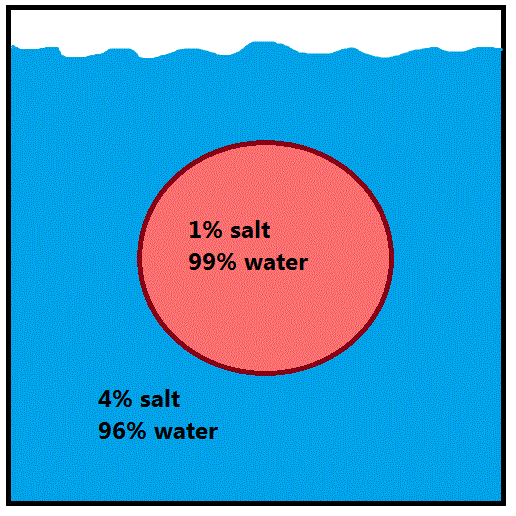
Where will the water go?
a)
Into the cell
b)
Out of the cell
c)
Equally in & out - it's isotonic
d)
There is no water
165.
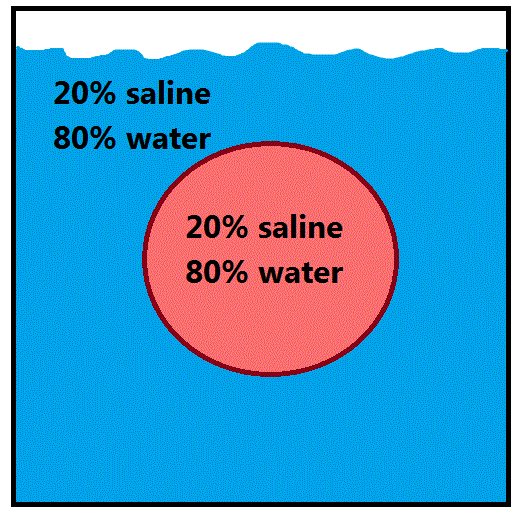
Mr. Slug was salted. Where was there more solute immediately after salting?
a)
Outside of the slug
b)
Inside of the slug
c)
There was no solute anywhere
166.
A blood cell is placed into the jar, as seen. Where will the water go?
a)
Into the cell
b)
Out of the cell
c)
Equally in & out - it's isotonic
d)
The water is a lie
167.
Osmosis is the movement of _____ across a membrane.
a)
food
b)
energy
c)
oxygen
d)
water
168.
What happens if someone gives you a 90% salt saline drip?
a)
Your cells will shrivel and you'll die
b)
Your cells will swell and you'll die
c)
Nah you'll be fine.
169.
Why can't you drink salt water?
a)
It's hypertonic to your cells
b)
It's hypotonic to your cells
c)
It's isotonic to your cells
d)
It's paratonic to your cells
170.
Which statement best describes the cell membrane?
a)
The protective outer layer that controls what enters and leaves the cell.
b)
Stores information on DNA molecules / Directs and controls the activities of the cell.
c)
A folded membrane that moves materials around inside cells / Also acts as the site of manufacturing materials needed by the cell.
d)
The smallest organelle with a huge job / Makes proteins, which are the building blocks of the body.
171.
What does "bilayer" mean?
a)
one layer
b)
two layers
c)
laminated
d)
bilateral
172.
What is embedded in the phospholipid bilayer?
a)
Proteins
b)
Salt
c)
Water
d)
Worms
173.
What forms the channels and pumps in the phospholipid bilayer?
a)
Carbohydrates
b)
Proteins
c)
Hydrophilic heads 
d)
Lipids
174.
True or False:  Regulating what enters and leaves the cell helps the cell maintain homeostasis. 
a)
True
b)
False
175.
Hydrophilic means...
a)
water-loving
b)
water-fearing
c)
nonpolar
d)
lipid soluble
176.
Hydrophobic region of the cell membrane?
a)
E
b)
B
c)
C
d)
177.
Hydrophilic portion of cell membrane?
a)
A
b)
C
c)
D
d)
178.
What does a cell need to transport particles by active transport?
a)
Sun
b)
Wind
c)
Energy
d)
Channels
179.
What does the "fluid mosaic model" mean about the cell membrane?
a)
It can dissolve into fluid.
b)
The cell is mostly made of mosaic molecules.
c)
It looks like a flexible pattern made up of different parts.
d)
Somebody else should name these things.
180.
What is one major difference between passive and active transport?
a)
Passive transport uses energy; active transport does not.
b)
Both types of transport use energy.
c)
Active transport uses energy; passive transport does not.
d)
No difference. They are both the same.