
 Worksheets
Midterm Exam Review 8th Grade 2018-2019
Total questions: 68
Worksheet time: 37mins
A balanced chemical reaction obeys the law of
ideal gases
definite proportions
conservation of matter
conservation of energy
Students use a balance to determine the mass of a marble is 7.5 grams. A graduated bottle contains 10.0 milliliters of water. When the marble is carefully lowered into the graduated bottle and is completely covered with water the volume of the water containing the marble has increased to 12.5 milliliters. Find the density of the marble.
0.3 g/ml
3.0 g/ml
7.5 g/ml
12.5 g/ml
On Halloween, you take a glow stick, crack the capsule inside and shake it until it glows. This is an example of light energy being created from ___________________ energy.
chemical
mechanical
solution
thermal

According to the pH chart, which is the strongest base?
HCl
NaOH
blood
saliva
Why might a scientist repeat an experiment if she did not make a mistake in the first one?
Scientists who repeat experiments make the most money.
It helps ensure the results are consistent and repeatable.
Repeating ensures the expected results match the hypothesis.
It helps find portions that can be skipped with the same results.
Why might a scientist repeat an experiment if he/she did not make a mistake in the first one? An experiment should be repeated to
increase income for increased work.
prove how interesting the study was.
ensure the results are accurate.
eliminate steps and save time.

Beryllium has a nucleus composed of protons and neutrons. Given the data, how many neutrons are in a typical Beryllium nucleus?
3
4
5
9
Which statement is accurate for these two subatomic particles: protons and neutrons
They both have a neutral charge.
They both have a positive charge.
They are both located in the nucleus.
They are both located outside the nucleus.

Describe the structure of an atom.
The nucleus is the dense center of the atom composed of protons and neutrons. Surrounding the nucleus is an electron cloud composed of electrons.
The nucleus is the dense center of the atom composed of electrons and neutrons. Surrounding the nucleus is an electron cloud composed of protons.
The electron cloud is the dense center of the atom composed of electrons. Surrounding the electron cloud is a nucleus composed of protons and neutrons.
The electron cloud is the dense center of the atom composed of protons and neutrons. Surrounding the electron cloud is a nucleus composed of electrons.

Lemon Juice
Tums (antacid)
Water
Put all of the above household items in order from lowest to highest pH.
Lemon juice, water, Tums
Water, Tums, Lemon Juice
Water, Lemon Juice, Tums
Tums, water, lemon juice


The elements listed below are all part of the same ____________.
Li, Be, B, C, N, O, F, Ne
group
family
period
metalloid

Which of the following elements would be the most metallic?
Al
Si
P
S

Which of the following is a metalloid?
Be
B
C
N

Where are the nonmetals mostly located?
upper left corner
upper right corner
In the middle
lower left corner

The word family implies that the elements in a family have like properties. What property do the elements of the noble gas family all share?
they are not reactive
they are very reactive
they react with oxygen
they react with water

Lithium, sodium, and potassium are example of __________
nonmetals
alkali metals
transition metals
noble gases

Consider the elements provided, which elements are most likely to conduct heat and electricity?
Li and Be
F and Ne
B and C
N and 0
What can you predict about elements in the same family(group)?
they are all about the same mass
they are chemically reactive in a similar way
the size of the atom decreases as you go down the column
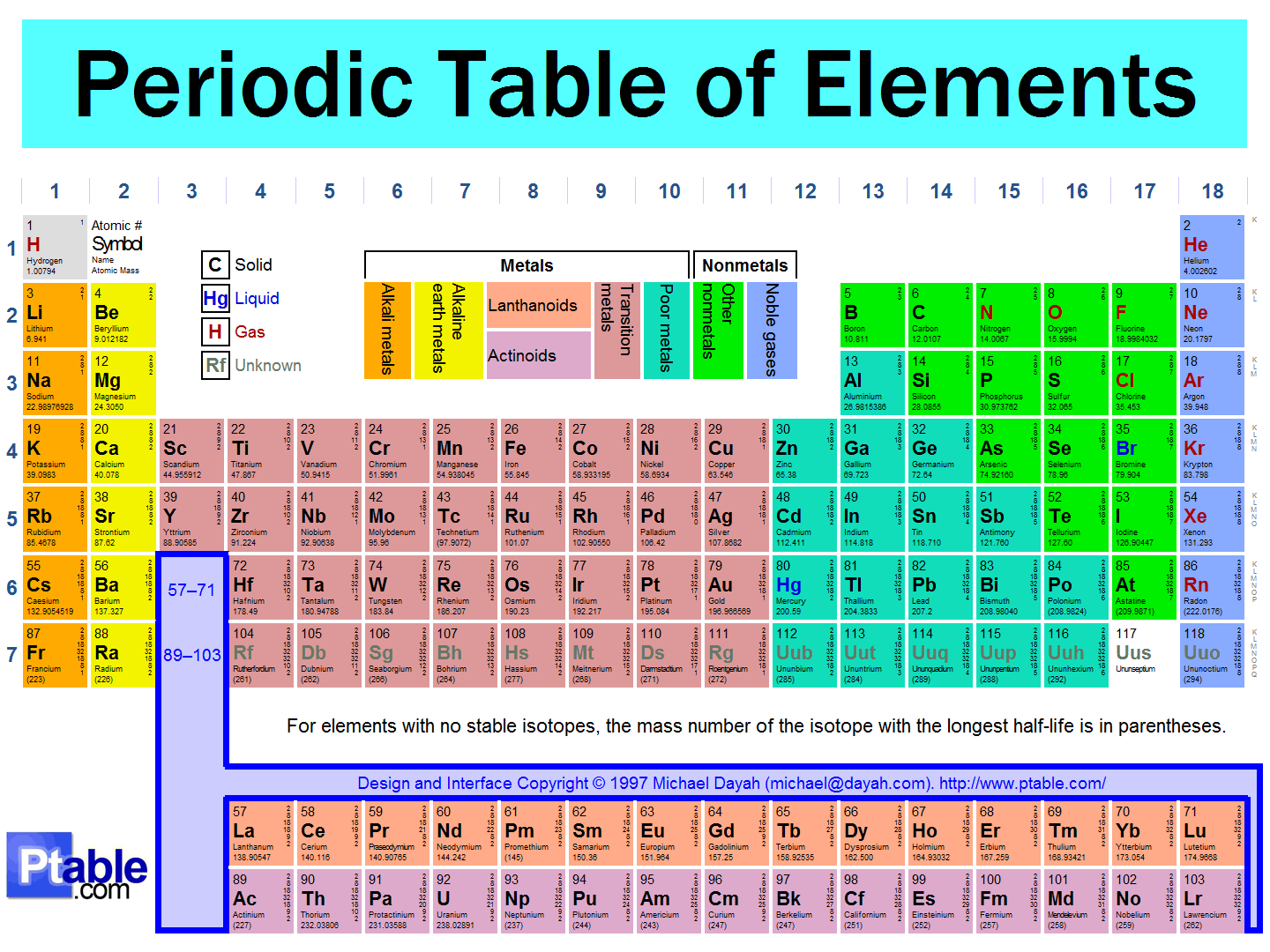

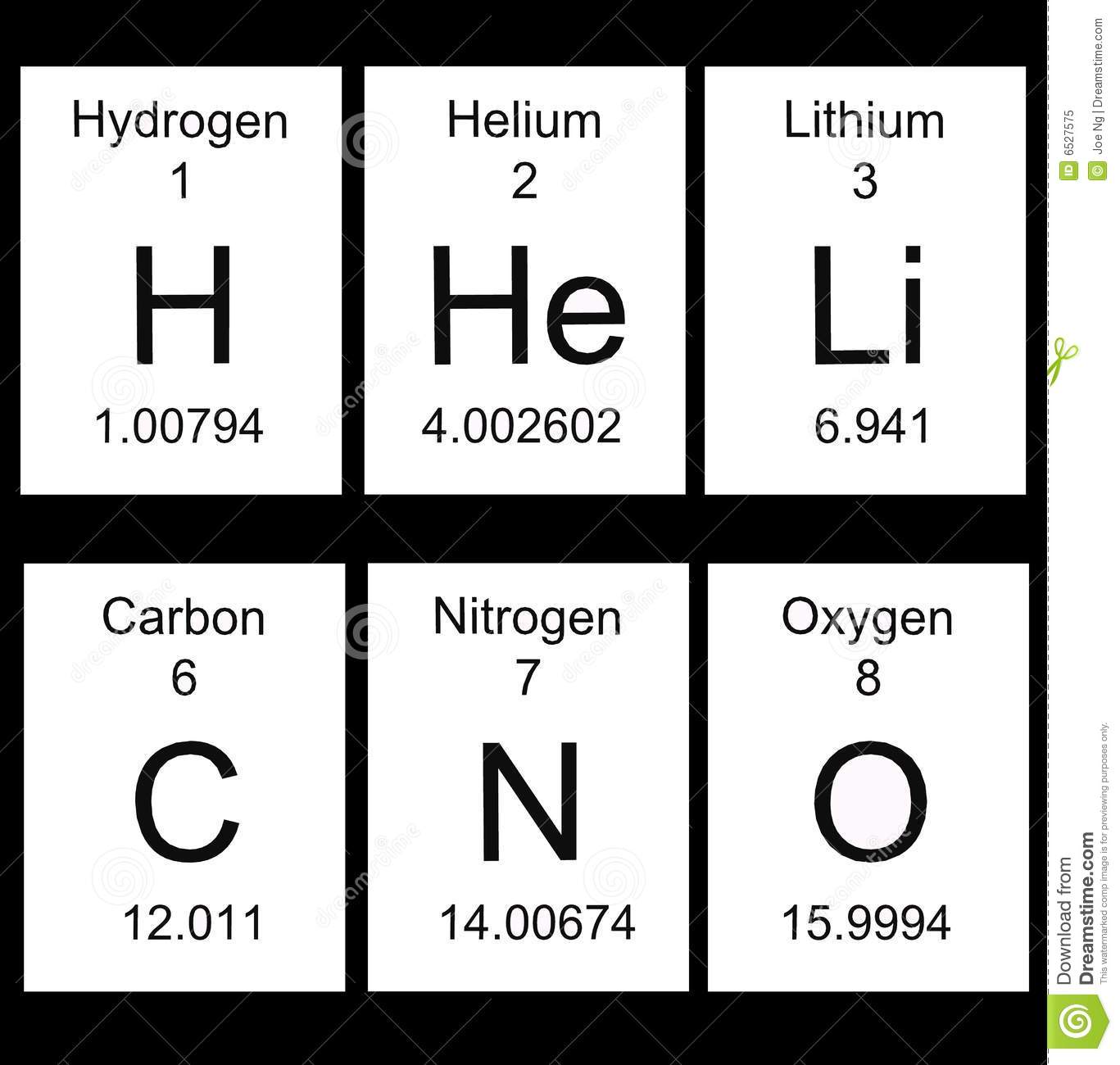
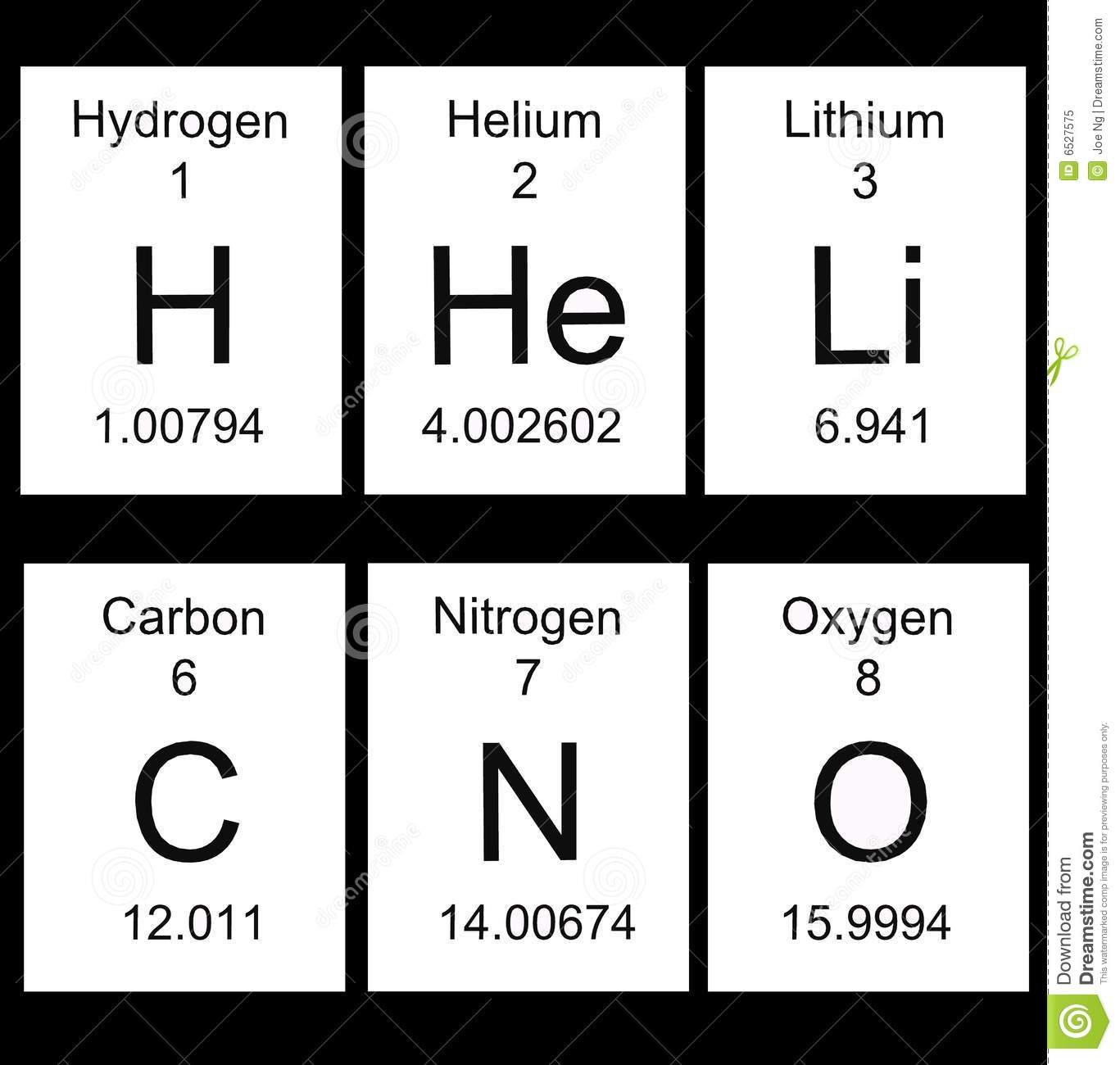

Which of these period three elements from the periodic table would you predict to be the MOST metallic?
Al
Ar
Cl
Si
Which word or group of words is represented by the word "period" in the term Periodic Table?
Group
Family
Energy Level
Valance Electrons
Which is a subatomic particle?
compound
electron
isotope
neuron
Which is a physical property of matter?
corrosion
flammability
oxidation or rusting
volume

What element behaves MOST like magnesium (Mg)?
S
Si
Sn
Sr
Using the Law of Conservation of Matter, determine the number of grams of iron sulfide (FeS) that will be produced in this reaction.
112g Fe + 64g S → _____ g FeS
48 grams
64 grams
112 grams
176 grams
Which of these would have the greatest potential energy?
A roller coaster at the top of a hill.
A roller coaster half-way up the hill
A roller coaster half-way down the hill.
A roller coaster at the bottom of the hill.
What would happen to a 10 kg block of ice if you slowly increased the kinetic energy of the molecules within the ice?
The ice would melt.
Sublimation would occur.
The ice would remain frozen.
Water vapor near the ice would also freeze.
What is the energy transformation that is taking place from the batteries to the flashlight when it is on?
heat to magnetic to light
chemical to magnetic to light
chemical to electrical to light
mechanical to electrical to light

All of the following samples have a volume of 100 mL. Mass of each of the samples are as follows: Sample A = 100 g, Sample B = 80 g, Sample C = 108 g, Sample D = 90 g. Which sample has the greatest DENSITY?
Sample A
Sample B
Sample C
Sample D
Which is an example of a mixture made of parts that can easily be separated?
Cake (Flour, eggs, sugar)
Cement(Sand, gravel, water)
Water (Hydrogen and oxygen)
Snack mix (Nuts, pretzels, and chips)
Which of these represents a chemical change?
two compounds combining to form a mixture
a mixture being separated into two elements
a compound being separated into two elements
an element changing state from solid to liquid
Which of these is common to all chemical changes?
A change of state occurs
A change of color occurs.
A new substance is produced.
Heat is released into the air.
Which of the following substances are compounds? Iron (Fe), Sodium Chloride (NaCl), Carbon Dioxide (Co2), and Aluminum (Al)
aluminum and iron
iron and sodium chloride
carbon dioxide and aluminum
sodium chloride and carbon dioxide
Extensively tested and generally accepted : uncertain explanation for an observation
hypothesis : theory
theory : hypothesis
observation : theory
observation :hypothesis
What happens when liquid water is heated?
The water will freeze making ice.
The water will evaporate creating ice.
The water will evaporate creating steam.
The water will melt and remain liquid water.

The rock on the top of the pile has the greatest ___________ potential energy compared to all the other rocks.
falling
elastic
chemical
gravitational
During science class, while studying mixtures, you mix together table salt and sand. Your teacher challenges you to separate the salt from the sand. What property could you use and how would you use it?
solubility; Add water to the mixture and dissolve the salt
density; The two will form two layers. Scoop out the top layer.
color; Pick out one of the two solids by using color to guide you.
particle size; Pour the mixture through a paper filter to separate the two.
During science class, while studying mixtures, you mix together iron filings and sand. Your teacher challenges you to separate the sand from the iron filings. How could you use the physical properties of matter to practically separate the two solids?
Add water to the mixture and dissolve the sand.
Pick out one of the two solids by using color to guide you.
Pour the mixture through a paper filter to separate the two.
Use a magnet to pull out the iron filings as they are attracted to a magnet.

What is the MAIN reason water from the oceans turns to water vapor, and then evaporates into the air?
ocean breezes
changing tides
heat from the sun
moon's gravitational pull
The pH scale runs from 0 to 14, and is an indication of how acidic or basic a solution is. A pH close to zero indicates a(n) _______ solution, and a pH near 14 indicates a(n) _______ solution.
acidic; basic
basic; acidic
neutral; basic
acidic; neutral
Scientific hypotheses, theories, and laws are all vital to the development of scientific ideas. They are all vital, but they are not equal. They actually represent different types of ideas, with varying degrees of strength. The strength of a scientific idea is based in large part on how well it allows us to predict what will happen in certain situations.
Rank the three, beginning with the strongest.
Law, Theory, Hypothesis
Theory, Law, Hypothesis
Theory, Hypothesis, Law
Hypothesis, Theory, Law
Which statement about atomic structure is incorrect?
Protons are located in the nucleus
Protons and electrons have the same mass.
Protons and electrons have opposite charges.
Neutral atoms contain the same number of protons and electrons

What property of matter would be measured with this piece of equipment?
The mass of an apple.
The temperature of a room.
The volume of water in a glass.
The length of a piece of string.
Mrs. Smith is demonstrating a chemical change for her class. She places 15 grams of baking soda into a beaker. Next she adds 15 grams of vinegar to the same beaker. When the two compounds make contact, they bubble and fizz a great deal. She places the beaker on the balance and notes that the mass of the solution in the beaker is less than the expected 30 grams. Why is the mass of the solution in the beaker less than 30 grams?
The balance was not working correctly.
The gas that was released changed the mass.
Mass is always lost in a chemical reaction.
The new products have less mass than the original reactants.
Which of these is NOT considered a pure substance?
An atom
A mixture
An element
A compound
Modern atomic theory states that the atom is a diffuse cloud surrounding a small, dense nucleus. Identify which particle is in the nucleus.
ion
proton
electron
free radical
The Bohr model of the atom suggest that the protons and neutrons are found in the nucleus and the electrons orbit the nucleus much like planets around the sun. How is our modern model of the atom different from this model?
Neutrons are not found in the nucleus.
The nucleus is much larger than first thought.
The electrons contain smaller parts called quarks.
The electrons move around the nucleus in an electron cloud.

Lithium, sodium, and potassium are examples of ____________.
nonmetals
alkali metals
transition metals
alkaline earth metals
The molecule arrangement of ice, water and steam are very different. _______ has the most ordered arrangement, ______ has the next most orderly arrangement, and ___________ has the least orderly arrangement of molecules.
ice, water, steam
steam, water, ice
water, steam, ice
water, ice, steam
Why is science open to change?
Scientist are smarter now
Scientific explanations can change with new evidence.
Technology does not provide accurate scientific explanations.
New scientific explanations are always better than old explanations
If you go outside on a hot summer day with a double scoop ice cream cone, how will the cold ice cream interact with the hot outside air?
Heat from the ice cream will move to the air.
Cold from the ice cream will move to the air.
Cold from the air will move to the ice cream.
Heat from the air will move to the ice cream.
Temperature change affects the rate of a chemical reaction by changing the __________ of the colliding particle.
charge
concentration
size
speed
Food deteriorates more slowly in a refrigerator because
products are removed
more reactants are added.
the energy of activation is higher.
there are fewer collisions due to a lower temperature.
Trail mix is just that - a mix. Or in science terms, it is a mixture. One way you can tell this is a mixture is that you can
eat all the parts
measure the amounts of the parts
separate the parts by their properties
identify the parts that make up the mixture

Consider period 2 in the periodic table of elements. Which element(s) are most likely to conduct electricity?
lithium and beryllium
fluorine and neon
boron and carbon
lithium
A student has two substances at a lab table. One substance is iron pyrite (fool's gold) and the other is real gold. After placing a 20.0-gram sample of iron pyrite into 40.0 mL of water in a graduated cylinder, it displaces 4.0 mL of water. The density of real gold is almost 4 times larger than iron pyrite. If a 20.0-gram sample of real gold is placed into the same amount of water, approximately how much water will be displaced?
1 mL
4 mL
16 mL
20 mL
A flask with vinegar in it has a mass of 160 grams. A balloon with baking soda in it has a mass of 40 grams. The balloon is attached to the flask to seal the opening and the vinegar and baking soda mixes. The balloon inflates to a large volume. What will the total mass of the balloon and flask be after the balloon inflates? Explain.
Less than 200 grams because the solid baking soda disappears
200 grams, because all the atoms remain in the balloon or flask
More than 200 grams because the size of the balloon is so much larger.
Less than 200 grams because gases such as the one in the balloon are lighter than solids and liquids.
Will and Marisa were studying about forces in science. They learned that gravity is a force; a force that pulls on us and keeps us from floating off into space! They wanted to learn more about forces so they built the device you see here. It is a spring hanging free from a support. There is a hook at the end of the spring and to that hook the children can add weights. Will and Marisa conducted their first test. They added weights, 10 Newtons at a time, to the spring. Describe the relationship between the weight added and the force of gravity.
Weight and the force of gravity are the same.
As each weight is added, the spring stretches more.
As weight increases, the force of gravity decreases.
As weight is added, the force of gravity increases.
In which situation is mechanical energy converted to electrical energy?
boiling water
using an iron
the sun shining
using a generator

