Wayground logo

Free Printable Worksheets

Font size

S
M
L
XL
Worksheets

Heredity and types of reproduction

Total questions: 40

Worksheet time: 49mins

Name
Class
Date
1.

From his observations, what did Mendel hypothesize came from the parents?

a)

two 'heritable traits'

b)

proteins

c)

recessive

d)

homozygous

2.
___________________________ is the study of how traits are passed on, or inherited.
a)
dominant traits
b)
ratio
c)
phenotype
d)
genetics
3.
Heredity is the passing of traits from _____________________ to _____________________
a)
predators to prey
b)
water to rain
c)
parents to offspring
d)
fungi to protists
4.

What is a gene?

a)

An entire chromosome that codes for a trait

b)

a piece of clothing

c)

a piece of a DNA on chromosome that codes for a trait

d)

proteins that code for a trait

5.
Chromosomes are found in the ____________ of the cell
a)
Chloroplast
b)
Nucleus
c)
Cytoplasm
d)
Mitochondria
6.
If a child has red hair, they inherited a certain _______________ from their parents.
a)
ratio
b)
trait
c)
probability
d)
sex chromosome
7.
Offspring receives two sets of _____________ (one from each parent)
a)
blue jeans
b)
genes
c)
machines
d)
pedigree
8.
__________________ is a tool for tracing through generations of family members.
a)
Pedigree
b)
Probability
c)
Purebred
d)
Punnett Square
9.
Emily has brown hair. Which is most likely a true statement about Emily?
a)
Emily’s favorite color is brown.
b)
Emily has a parent with brown hair.
c)
Emily’s older brother has brown hair. 
10.
Bunny A’s fur is all brown, while his brother and sisters are half brown and half white. The bunnies’ father is all brown, and the mother bunny is half brown and half white. Which best describes why Bunny A has brown fur?
a)
The bunny inherited a brown fur characteristic from each parent. 
b)
The bunny inherited a white fur characteristic from each parent. 
c)
The bunny rejected the white characteristics from its mother.
d)
The bunny rejected the brown characteristics from its father.
11.
James and his father are both great athletes. Which characteristic did James most likely learn from his father?
a)
height and weight
b)
fast swimming stroke
c)
large feet and hands
d)
muscular body structure
12.
Which characteristic would a child not inherit from one or both of its parents?
a)
freckles
b)
hair style
c)
eye color
d)
dimples
13.
A litter of kittens have traits that are similar to both the mother cat and the father cat. Which best explains this situation?
a)
The kittens are provided the same kind of milk from their mother as they grow.
b)
The kittens inherit some of their traits from their mother and some from their father.
c)
The kittens are kept at the same temperatures by their mother when they are first born.
d)
The kittens are taught by their parents to have similar traits.
14.
Which statement best supports why many offspring look similar to their parents?
a)
Offspring inherit characteristics from one parent.
b)
Offspring inherit characteristics from both parents.
c)
Parents choose which characteristics to pass on to their offspring.
d)
Parents choose to change their appearance to match that of their offspring.
15.
Bob is a tall, slender young man with red hair and blue eyes. Which couple would most likely be Bob’s parents?
a)
a slender, red-haired father and a tall, blue-eyed mother
b)
a tall green-eyed father with long brown hair and a short, brown-haired mother
c)
a short, green-eyed, black-haired father and a tall, brown haired, brown-eyed mother
d)
a short, plump brown-haired father with freckles and a short, blue-eyed red-haired mother
16.
Which of these is an inherited trait?
a)
dimples
b)
long hair
c)
favorite color
d)
driving ability
17.

Which factor most affects whether a student has free or attached earlobes?

a)

The diet of the student.

b)

The environment in which the student lives.

c)

The genes inherited from the parents of the student.

d)

The hearing ability of the student.

18.

A quality of a living thing: a characteristic.

a)

Trait

b)

Natural Selection

c)

Variation

d)

Adaptation

19.
1 parent
a)
Sexual
b)
Asexual
c)
Both
d)
Neither
20.
Identical offspring
a)
Sexual
b)
Asexual
c)
Both
d)
Neither
21.
Genetic variation
a)
Sexual
b)
Asexual
c)
Both
d)
Neither
22.
2 parent
a)
Sexual
b)
Asexual
c)
Both
d)
Neither
23.
The offspring from asexually reproduced organisms are?
a)
Different than their parents
b)
Identical to parents
c)
Like a combination from both parents
d)
A different species
24.
Bacteria
a)
Sexual
b)
Asexual
c)
Both
d)
Neither
25.
All of the offspring of an organism have the same genetic material, which is identical to the parent organism. From this, we can conclude that this organism -
a)
makes its own food
b)
is unicellular
c)
live in a marine habitat
d)
reproduces asexually
26.
If two organisms reproduce sexually, then their offspring will exhibit a genetic makeup that is -
a)
identical to only one parent
b)
identical to all of its siblings
c)
a unique combination of traits
d)
the recessive traits of each parent
27.
How many parent(s)are needed for asexual?
a)
4
b)
1
c)
9
d)
100
28.
In asexual reproduction, all of the offspring are:
a)
Physically Identical
b)
Genetically Identical
c)
Physically and Genetically Identical
d)
Not Identical
29.
Where does an off spring get its traits in asexual reproduction?
a)
From both parents
b)
From only one parent
c)
From neither parent
d)
There are no traits handed down
30.
When a starfish grows a new body off a broken arm, what kind of reproduction is this?
a)
Sexual
b)
Differentiation
c)
Asexual 
d)
Specialization
31.
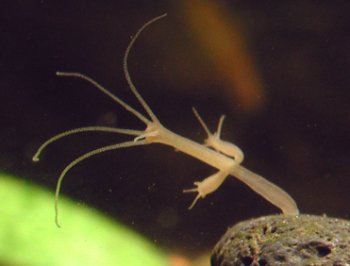
This is when a new organism grows by cell division on the body of its parent. The bud, or offspring is identical to the parent. The bud, when large enough, can break off of the parent and live on its own.  Examples of this include yeast, hydra and potatoes.
 
a)
Regeneration
b)
Vegetative propagation
c)
Fission
d)
Budding
32.
In asexual reproduction, all of the offspring are:
a)
Physically Identical
b)
Genetically Identical
c)
Physically and Genetically Identical
d)
Not Identical
33.

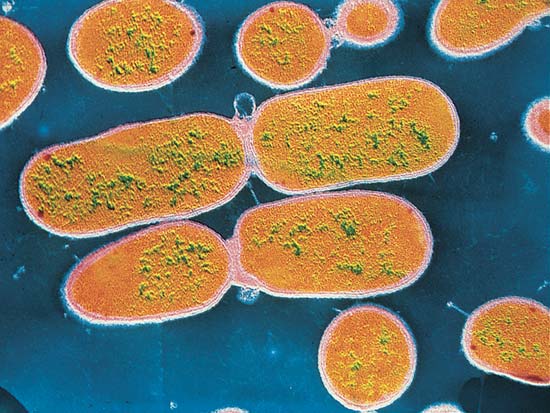
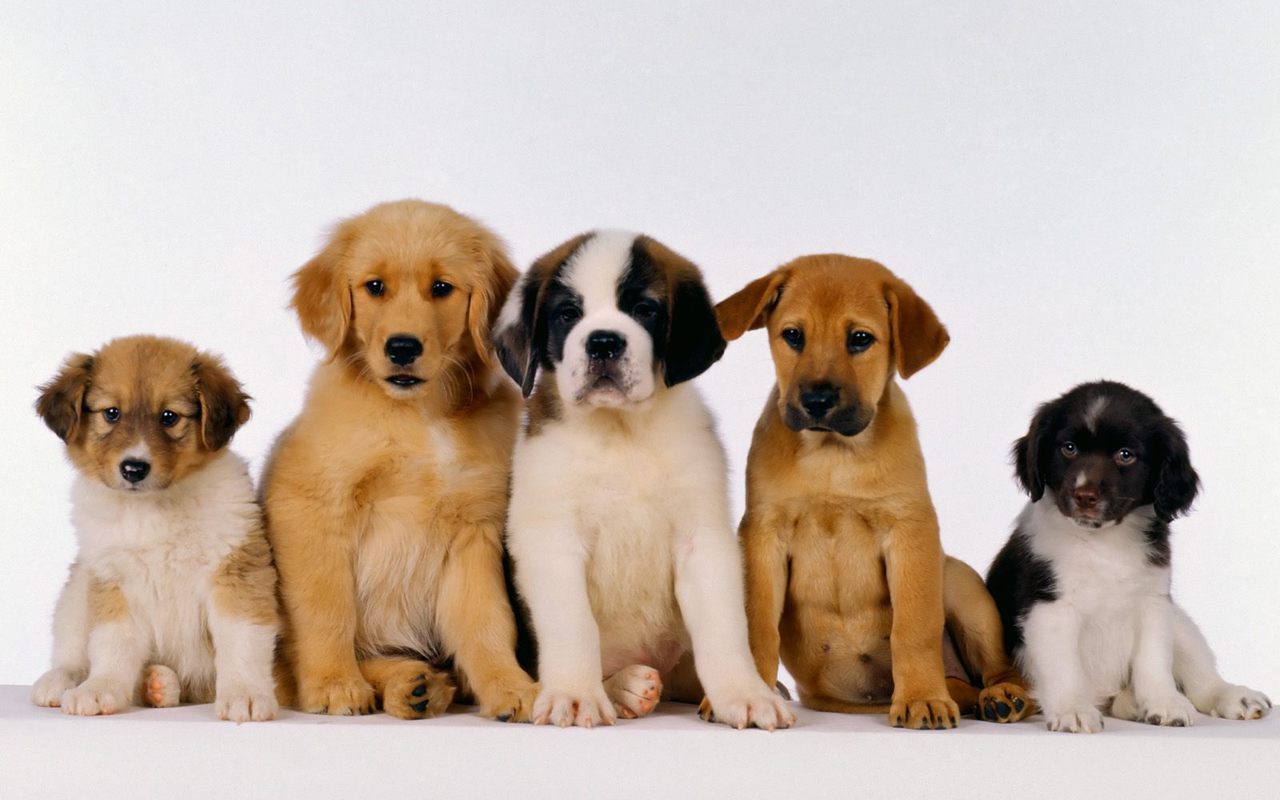
Which type of reproduction is this picture representing?

a)

Asexual

b)

Sexual

c)

Neither

34.

Which type of reproduction is this picture representing?

a)

Asexual

b)

Sexual

c)

Neither

35.

Which type of reproduction is this picture representing?

a)

Asexual

b)

Sexual

c)

Neither

36.

Which type of reproduction is this picture representing?

a)

Asexual

b)

Sexual

c)

Neither

37.

Which type of reproduction is this picture representing?

a)

Asexual

b)

Sexual

c)

Neither

38.

Which type of reproduction is this picture representing?

a)

Asexual

b)

Sexual

c)

Neither

39.

Which type of reproduction is this picture representing?

a)

Asexual

b)

Sexual

c)

Neither

40.

Which type of reproduction is this picture representing?

a)

Asexual

b)

Sexual

c)

Neither