
 Worksheets
BODY SYSTEMS AND HEREDITY
Total questions: 87
Worksheet time: 2hrs 30mins
Name
Class
Date
1.

What is the main function of the respiratory system?
a)
take in oxygen and exhale waste like carbon dioxide
b)
move nutrients throughout the body
c)
take in carbon dioxide and exhale oxygen
2.
Where does digestion start?
a)
stomach
b)
mouth
c)
esophagus
3.

What is the main job of the digestive system?
a)
break down foods into nutrients that can be used by the body
b)
take in oxygen and exhale waste like carbon dioxide
c)
pump blood throughout the body
d)
makes the body hungry
4.
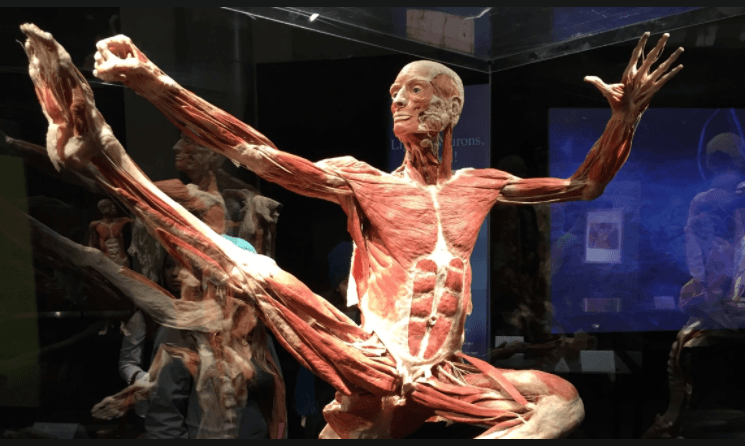
Which systems main function is to allow movement of the body?
a)
muscular
b)
digestive
c)
skeletal
d)
excretory
5.
The smallest units or parts of living things; the body's building blocks.
a)
cells
b)
organs
c)
tissues
d)
system
6.

Your large and small intestines are part of this body system.
a)
nervous
b)
digestive
c)
muscular
d)
skeletal
8.

A collection of the same kinds of cells working together to do the same job.
a)
cells
b)
tissues
c)
organs
d)
systems
8.
A collection of the same kinds of cells working together to do the same job.
a)
cells
b)
tissues
c)
organs
d)
systems
9.

Your body systems work separately and do not effect each other.
a)
true
b)
false
10.

Organs are body parts that have specific jobs. Your body systems are made up of organs.
a)
True
b)
False
11.
The nutrients in food that supply the human body with energy.
a)
carbohydrates
b)
fats
c)
minerals
d)
proteins
12.
Roles, jobs, or purposes.
a)
function
b)
cells
c)
stimulus
d)
microscope
13.

Which system enables the body to move, moves food through the digestive system, and keeps the heart beating?
a)
skeletal
b)
muscular
c)
digestive
d)
nervous
14.

Which system provides shape and support, enables you to move, protects your internal organs, and stores minerals?
a)
skeletal
b)
muscular
c)
digestive
d)
nervous
15.

Which system includes the mouth, esophagus, and the small and large intestines?
a)
nervous
b)
excretory
c)
respiratory
d)
digestive
16.

Which system takes food into the body, breaks down food, and absorbs the digested materials?
a)
respiratory
b)
circulatory
c)
digestive
d)
excretory
17.
Which two human body systems are most responsible for getting oxygen to cells?
a)
digestive and skeletal
b)
skeletal and circulatory
c)
circulatory and respiratory
d)
respiratory and digestive
18.
Which best compares the respiratory system to the circulatory system?
a)
The respiratory system transports oxygen to cells, while the circulatory system provides oxygen for cells.
b)
The respiratory system provides oxygen for cells, while the circulatory system transports oxygen to cells.
c)
The respiratory system breaks down food for cell energy, while the circulatory system rids the body of waste.
d)
The respiratory system rids the body of waste, while the circulatory system breaks down food for cell energy.
19.
Bob hits a baseball. What two systems are working together to make this happen?
a)
muscular & excretory
b)
muscular & nervous
c)
muscular & circulatory
d)
digestive & muscular
20.
what system does the circulatory system work with to make red blood cells?
a)
skeletal
b)
muscular
c)
reproductive
d)
digestive
21.

What is the main function or job of the organ system displayed?
a)
To store food until it is absorbed into the lungs
b)
To convert and breakdown food into nutrients and energy to be absorbed into the circulatory system
c)
To provide the body with structure
d)
TO eliminate liquid waste
22.
List the levels of organization in the human body in order from least complex to most complex…
a)
Tissues, cells, organ systems, organs,
and organism
b)
Cells, tissues, organ systems, organs,
and organism
c)
Cells, tissues, organs, organism, and
organ systems
d)
Cells, tissues, organs, organ systems,
and organism
23.
How does the muscular system depend on the nervous system?
a)
The nervous system transports blood to the muscles.
b)
The nervous system provides support for the muscles.
c)
The nervous system supplies food and oxygen to the muscles.
d)
The nervous system sends signals to the muscles to cause movement.
24.
Which body systems allow you to move?
a)
muscular and excretory
b)
muscular and nervous
c)
muscular and circulatory
d)
nervous and excretory
25.
The circulatory system does which of the following?
a)
Takes in oxygen and releases carbon dioxide
b)
Transports needed materials such as oxygen and nutrients to cells and carries away wastes such as carbon dioxide
c)
Removes wastes from body
d)
Protects organs, stores minerals, allows movement and forms blood cells
26.
What are two body systems that work together to deliver nutrients to your cells?
a)
Digestive and excretory
b)
Excretory and circulatory
c)
Circulatory and digestive
d)
Phineas and Ferb
27.
The nervous system does which of the following?
a)
Fights disease by recognizing and attacking antigens such as bacteria and viruses by producing antibodies
b)
Transports needed materials such as oxygen and nutrients to cells and carries away wastes such as carbon dioxide
c)
Internal and external body movements and flexibility
d)
Receives and sends messages to all parts of the body
28.
A group of organs that performs a similar function is called…
a)
An organ
b)
An organ system
c)
A tissue
d)
An organism
29.
The Respiratory system does which of the following?
a)
Breaks down food and absorbs nutrients into bloodstream
b)
Fights disease by recognizing and attacking antigens such as bacteria and viruses by producing antibodies
c)
Transports needed materials such as oxygen and nutrients to cells and carries away wastes such as carbon dioxide
d)
Takes in oxygen and releases carbon dioxide
30.
Which statement best supports why many offspring look similar to their parents?
a)
Offspring inherit characteristics from one parent.
b)
Offspring inherit characteristics from both parents.
c)
Parents choose which characteristics to pass on to their offspring.
d)
Parents choose to change their appearance to match that of their offspring.
31.
Which feature of a bird is controlled only by inherited genes?
a)
diet
b)
habitat
c)
beak shape
d)
life span
32.
Bob is a tall, slender young man with red hair and blue eyes. Which couple would most likely be Bob’s parents?
a)
a slender, red-haired father and a tall, blue-eyed mother
b)
a tall green-eyed father with long brown hair and a short, brown-haired mother
c)
a short, green-eyed, black-haired father and a tall, brown haired, brown-eyed mother
d)
a short, plump brown-haired father with freckles and a short, blue-eyed red-haired mother
33.
Mark is asked to write a brief description of himself for the school paper. Which characteristic mentioned in his description has Mark most likely inherited from his parents?
a)
height
b)
favorite food
c)
interest in sports
d)
ability to speak a foreign language
34.
A baby horse will inherit all of these traits from its parents except A baby horse will inherit all of these traits from its parents except
a)
height
b)
weight
c)
coat color
d)
preferred food
35.
Which of these is an inherited trait?
a)
dimples
b)
long hair
c)
favorite color
d)
driving ability
36.
Heredity is the passing of traits from _____________________ to _____________________
a)
predators to prey
b)
water to rain
c)
parents to offspring
d)
fungi to protists
37.
If a child has red hair, they inherited a certain _______________ from their parents.
a)
ratio
b)
trait
c)
probability
d)
sex chromosome
38.
Why did Mendel choose to study pea plants in order to learn how traits are passed from parent to offspring?
a)
Pea plants grow quickly
b)
Pea plants are ultraviolet
c)
Pea plants are rare and expensive
d)
Pea plants are take years to grow
39.
One trait that is ALWAYS present and causes the other traits to disappear is a ________________________
a)
recessive trait
b)
aggressive trait
c)
absent trait
d)
dominant trait
40.
A ___________________ is a relationship between two numbers
a)
genetic
b)
trait
c)
ratio
d)
cycle
41.
True or False: Recessive traits are ALWAYS present
a)
True
b)
False
42.
Offspring receives two sets of _____________ (one from each parent)
a)
blue jeans
b)
genes
c)
machines
d)
pedigree
43.
__________________ is a tool for tracing through generations of family members.
a)
Pedigree
b)
Probability
c)
Purebred
d)
Punnett Square
44.
Requires two parents
a)
sexual
b)
asexual
45.
Requires only one parent
a)
sexual
b)
asexual
46.
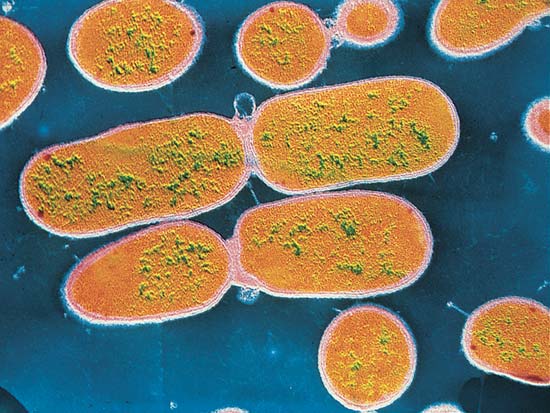
The offspring from asexually reproduced organisms are?
a)
Different than their parents
b)
Identical to parents
c)
Like a combination from both parents
d)
A different species
47.
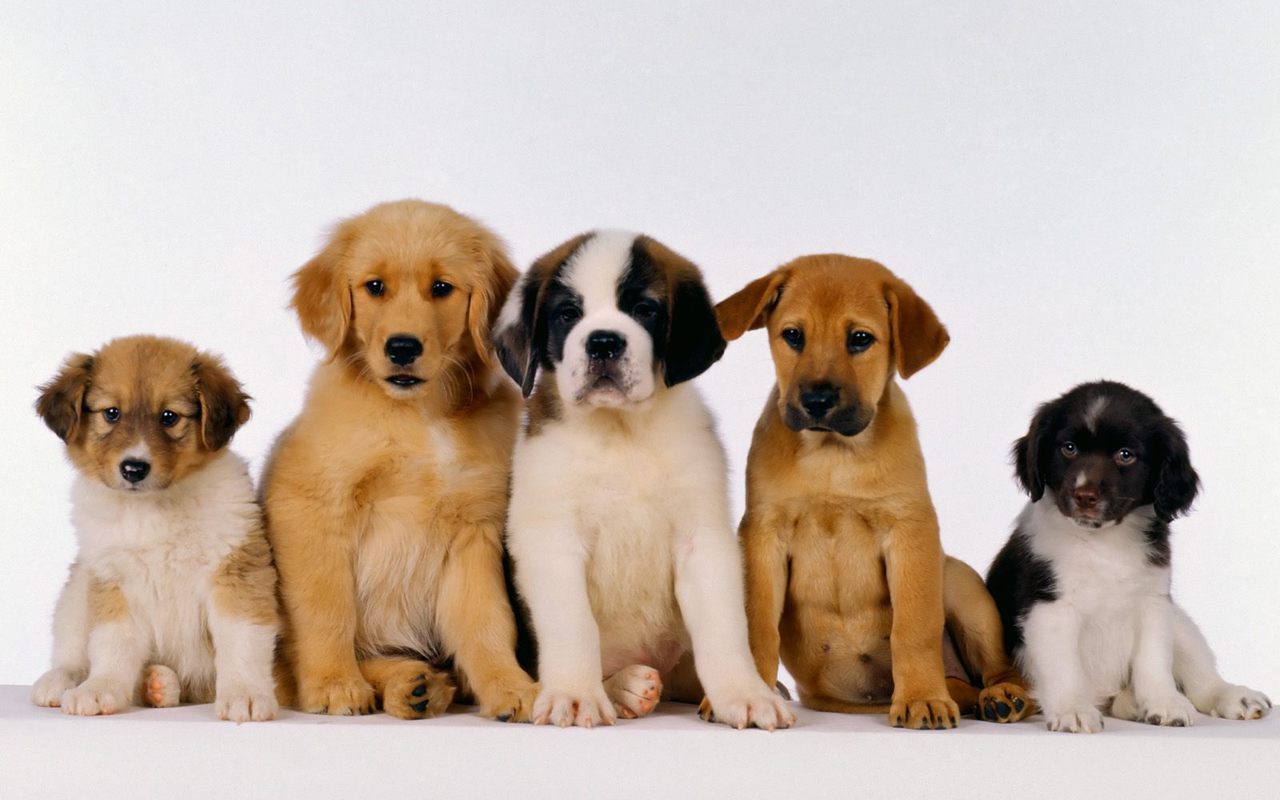
If two organisms reproduce sexually, then their offspring will exhibit a genetic makeup that is -
a)
identical to only one parent
b)
identical to all of its siblings
c)
a unique combination of traits
d)
the recessive traits of each parent
48.

Prokaryotes (bacteria) reproduce asexually via -
a)
spore formation
b)
bud creation
c)
vegetative propagation
d)
binary fission
49.

All of the offspring of an organism have the same genetic material, which is identical to the parent organism. From this, we can conclude that this organism -
a)
makes its own food
b)
is unicellular
c)
live in a marine habitat
d)
reproduces asexually
50.

When comparing the offspring of sexually and asexually reproducing organisms, we would expect the genetic material (DNA) of the sexually reproducing organism to -
a)
contain fewer mutations
b)
be lesser in quantity
c)
be simpler overall
d)
show more variation
51.
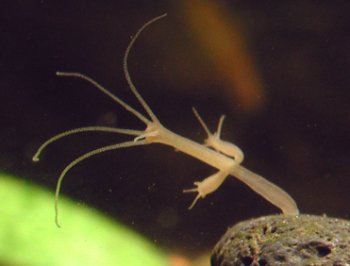
This is when a new organism grows by cell division on the body of its parent. The bud, or offspring is identical to the parent. The bud, when large enough, can break off of the parent and live on its own. Examples of this include yeast, hydra and potatoes.
a)
Regeneration
b)
Vegetative propagation
c)
Fission
d)
Budding
52.
What part of our cells holds our DNA?
a)
cytoplasm
b)
cell membrane
c)
nucleus
d)
ribosomes
53.

Why is DNA important?
a)
it is very small and very complicated
b)
it's in everything
c)
it serves as the blueprint for traits of all living things
d)
because we eat it every day for energy
54.
Which of the following is NOT an advantage of asexual reproduction?
a)
More efficient.
b)
All organisms can reproduce
c)
No wasted effort finding a mate.
d)
Population has variety to survive in a changing environment.
55.
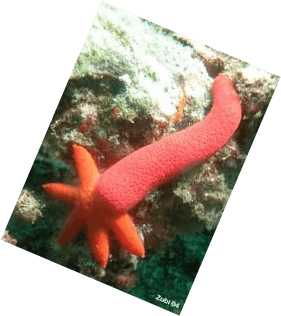
What type of asexual reproduction is taking place?
Fishermen work hard to catch and remove all the starfish that get into their favorite shell fishing beds and the “underwater farms” where they raise clams and oysters. In the past, they put the starfish into their boats, cut them up with knives, and then throw the pieces of starfish overboard. They thought this would kill the starfish. What they did not know was that each piece of starfish will grow into a whole new animal.
Fishermen work hard to catch and remove all the starfish that get into their favorite shell fishing beds and the “underwater farms” where they raise clams and oysters. In the past, they put the starfish into their boats, cut them up with knives, and then throw the pieces of starfish overboard. They thought this would kill the starfish. What they did not know was that each piece of starfish will grow into a whole new animal.
a)
Regeneration
b)
Vegetative propagation
c)
Budding
d)
Fission
56.
This is when a new organism grows by mitosis and cell division on the body of its parent. The bud, or offspring is identical to the parent. The bud, when large enough, can break off of the parent and live on its own.
Examples of this include yeast, hydra and cactus
Examples of this include yeast, hydra and cactus
a)
Regeneration
b)
Vegetative propagation
c)
Fission
d)
Budding
57.
This is when uniform offspring grow from a part of a parent plant. Parent plants sends out runners. Where the runner touches the ground, roots can grow. A new plant is produced even if the runner is broken apart Each new plant is uniform and identical to the parent.
a)
Vegetative propagation
b)
Regeneration
c)
Budding
d)
Fission
58.
A white cat had a litter of kittens that were orange, grey, and black and white spotted. Is this the result of sexual or asexual reproduction? And how would you characterize the offspring listed above?
a)
Sexual reproduction with uniform offspring
b)
Asexual reproduction with diverse offspring
c)
Sexual reproduction with diverse offspring
d)
Asexual reproduction with uniform offspring
59.

In the second generation-how many people are carriers of the trait?
a)
2
b)
3
c)
5
d)
6
60.

How many individuals are there in the 3rd generation?
a)
2
b)
3
c)
4
d)
6
61.

Examine the pedigree. The allele for the presence of a widow’s peak is dominant. Therefore, we can tell from the chart that in the couple labeled 2:
a)
the male is heterozygous and the female is homozygous.
b)
the male is homozygous and the female is heterozygous.
c)
the male is homozygous and the female is homozygous.
d)
the male is heterozygous and the female is heterozygous.
62.

a)
Not Affected Male
b)
Not Affected Female
c)
Affected Male
d)
Affected Female
63.
What do we use pedigrees for?
a)
To look at families
b)
To make determinations about the offspring
c)
To track traits in families
d)
Nothing
64.

How are individuals III-2 and II-4 related?
a)
Cousins
b)
Dad and Daughter
c)
Uncle and Niece
d)
Grandpa and Granddaughter
65.

Why do all the daughters in Generation II carry the colorblind gene?
a)
Because mom passed on the gene.
b)
Because dad passed on the X chromosome.
c)
Because their brother has it.
d)
Because their brother gave it to them.
66.

Why does individual IV-7 have colorblindness?
a)
Because his mom is a carrier.
b)
Because his dad has it.
c)
Because his siblings have it.
d)
Because his uncle has it.
67.

Give the genotype for person III-3
a)
GG
b)
Gg
c)
gg
68.

Give the genotype for person II-1
a)
GG
b)
Gg
c)
gg
69.

Which individual in the first generation is a carrier?
a)
The male
b)
The female
c)
individual 1
d)
None of the above
70.

If this pedigree shows a recessive disorder, what MUST the genotype of individual II-3 be?
a)
HH
b)
Hh
c)
hh
d)
None of the above
71.

What is the mode of inheritance shown here?
a)
Recessive
b)
Sex Linked
c)
Dominant
72.

Astronaut spacesuits include an oxygen delivery system because
a)
there is less gravity in space.
b)
space has nitrogen-rich air.
c)
asteroids dissolve in oxygen.
d)
space is an airless vacuum.
73.

Which of the following parts of a spacesuit is essential for the survival of astronauts taking short space walks of less than thirty minutes?
a)
Tool belt
b)
Oxygen supply
c)
Freeze-dried food
d)
Magnetic boots
74.

Which of the following helps astronauts move from one area to another inside of a spaceship?
a)
Special handles
b)
Jet packs
c)
Swimming strokes
d)
Conveyor belts
75.
Velcro® allows objects to be easily attached and also easily separated. What condition of space made the invention of Velcro® necessary?
a)
Lack of oxygen
b)
Vacuum of space
c)
Microgravity environment
d)
Extreme temperatures
76.
To offset the effects of the low-gravity space environment on the body, astronauts must -
a)
exercise regularly.
b)
eat high-fat meals.
c)
shower twice a day.
d)
take naps every day.
77.
Characteristics passed from parents to their offspring.
a)
behavior
b)
learned trait
c)
inherited trait
d)
function
78.
An acquired trait means _________.
a)
your sister gave it to you
b)
it is learned or happened after birth
c)
you are a squire for the king
d)
your parents gave it to you
79.
Which characteristic is inherited?
a)
hair color
b)
sleeping late
c)
enjoying hiking
d)
loving to read
80.

If a parent cactus has spines, the offspring will have ______
a)
fruit
b)
spines
c)
leaves
d)
petals
81.
Which is an example of an inherited trait?
a)
Reading
b)
Speaking Spanish
c)
Having stripes
d)
Throwing a baseball
82.

Having dark hair like dad
a)
acquired trait
b)
inherited trait
83.
A ____________ is something that you inherit.
a)
parent
b)
trait
c)
child
d)
inherit
84.
Mary and her siblings share similar hair color. Which of these cell components are most involved in determining the hair color of each sibling?
a)
Gene, Chromosome, Nucleus
b)
Cytoplasm, Chloroplasts,Genes
c)
Vacuoles, Nucleus, Chromosomes
d)
Chromosomes, Chloroplasts, Vacuoles
85.
How many chromosomes are present in a human cell nucleus?
a)
23 chromosomes or 46 pairs
b)
46 pairs or 92 chromosomes
c)
46 chromosomes or 23 pairs
d)
32 chromosomes or 16 pairs
86.
This is the "Father of Modern Genetics."
a)
Gregor Mendel
b)
James Watson
c)
Francis Crick
d)
Charles Darwin
87.
The transfer of traits from one generation to the next.
a)
Heredity
b)
Acquired Trait
c)
Dominant Trait
d)
Recessive Trait
100 %

