wayground logo

Free Printable Worksheets

Font size

S
M
L
XL
Worksheets

Energy and Matter

Total questions: 75

Worksheet time: 55mins

Name
Class
Date
1.
This variable in an experiment is the one being deliberately changed by the scientist. 
a)
dependent variable
b)
independent variable
c)
data
d)
control group
2.
This part of the experiment serves as a basis of comparison; the one variable being tested has been omitted. 
a)
experimental group
b)
control group
c)
data
d)
variables
3.
The measurable factor in an experiment is known as the: 
a)
Control
b)
Independent Variable
c)
Constant
d)
Dependent Variable
4.
When experimenting with the growth of a plant, a scientist uses three (of the same type of) plants, two different fertilizers, equal light, and equal water. What type of variable is the fertilizer?
a)
Dependent
b)
Independent
c)
Control
5.
Mr. McNiece wanted to see how different types of music affected students' pulse rates. She played different types of music: heavy metal, rap, R&B, alternative, pop, country, and classical music. Identify the dependent variable.
a)
Mr. McNiece
b)
pulse rate
c)
high pulse rate
d)
classical music resulted in the highest pulse rate
6.
a)
The dependent variable is total cost
b)
The dependent variable is weight
c)
The independent variable is total cost
d)
The independent variable is cost of a package
7.
a)
the independent variable is distance
b)
the independent variable is d=25 t
c)
the dependent variable is time
d)
the dependent variable is distance
8.

The highlighted part of this hypothesis is what type of variable?

Does changing the wing shape to make it more narrow affect the distance a paper airplane will fly?

a)

independent

b)

dependent

9.

The highlighted part of this hypothesis is which kind of variable?

Does the type of shoe worn during a 30 meter dash affect the speed of the runner?

a)

independent

b)

dependent

10.
Sarah is bringing treats to her elementary school class on her birthday. The number of treats she brings in is based on the number of students in her class.
t = the number of treats
s = the number of students

Which of the variables is independent?
a)
s
b)
t
11.
How many variables do we want to be testing at one time?
a)
1
b)
2
c)
3
d)
4
12.

The flower is 8 cm tall.

a)

qualitative data

b)

quantitative data

13.

The center of the flower is yellow and fuzzy.

a)

qualitative data

b)

quantitative data

14.

The molten and solid part of the Earth is which sphere?

a)

hydrosphere

b)

geosphere

c)

atmosphere

d)

sphere

e)

biosphere

15.

Polar Bear drinks the melted ice is a transfer of what sphere to another sphere:

a)

Biosphere to Hydrosphere

b)

Hydrosphere to Biosphere

c)

Hydrosphere to Atmosphere

d)

Hydrosphere to Geosphere

16.
This sphere is composed of all the living things 
a)
Hydrosphere 
b)
Biosphere 
c)
Atmosphere 
d)
Geosphere 
17.

What is the hydrosphere?

a)

all the waters on the earth's surface, in liquid and solid form.

b)

the rigid outer part of the earth, consisting of the crust and upper mantle.

c)

the regions of the surface, atmosphere, and hydrosphere of the earth that is able to support life and is occupied by living organisms

d)

layers of air surrounding Earth

18.
The ability to do work.
a)
System
b)
Work release
c)
Plate techtonics
d)
Energy
19.
The group of parts that work together as a whole.
a)
Constructive forces
b)
Biosphere
c)
Energy
d)
System
20.
The thin envelope of gases forming Earth's outermost layer.
a)
Hemisphere
b)
Biosphere
c)
Atmosphere
d)
Hydrosphere
21.
Which is the main source of energy that drives the Earth system?
a)
energy of moving water
b)
oil from inside earth
c)
gases in the atmosphere
d)
heat from the sun
22.
An erupting volcano is an example of Rock in the geosphere erupting into the?
a)
biosphere
b)
hemisphere
c)
atmosphere
d)
hydrosphere
23.

Where is water in the gaseous state found?

a)

hydrosphere and atmosphere

b)

only atmosphere

c)

only hydrosphere

d)

hydrosphere and biosphere

24.
Something that takes up space and has mass.
a)
volume
b)
matter
c)
mass
d)
density
25.

This type of system exchanges only energy and not matter with its surroundings

a)

Closed System

b)

Open System

c)

Loop System

d)

Energy System

26.

Which type of system will exchange matter and energy with its surroundings?

a)

Closed System

b)

Open System

c)

Loop System

d)

Earth's system

27.

Which of the following are Earth's internal energy sources? check all that apply

a)

Combustion

b)

Gravitational Contraction

c)

Convection

d)

Radioactive Decay

28.

Earth is which type of system?

a)

Closed

b)

Open

c)

Loop

d)

Energy

29.

Which of the following can happen to energy from the sun as it enters our atmosphere? check all that apply

a)

Absorbed

b)

Reflected

c)

Admitted

d)

None of the above

30.

The balance of energy that is absorbed, reflected, and emitted by Earth is called what?

a)

Albedo

b)

Energy Budget

c)

Fission

d)

Fusion

31.

Energy of motion is which type of energy?

a)

Potential-Mechanical

b)

Kinetic- Mechanical

c)

Sound

d)

Gravitational

32.

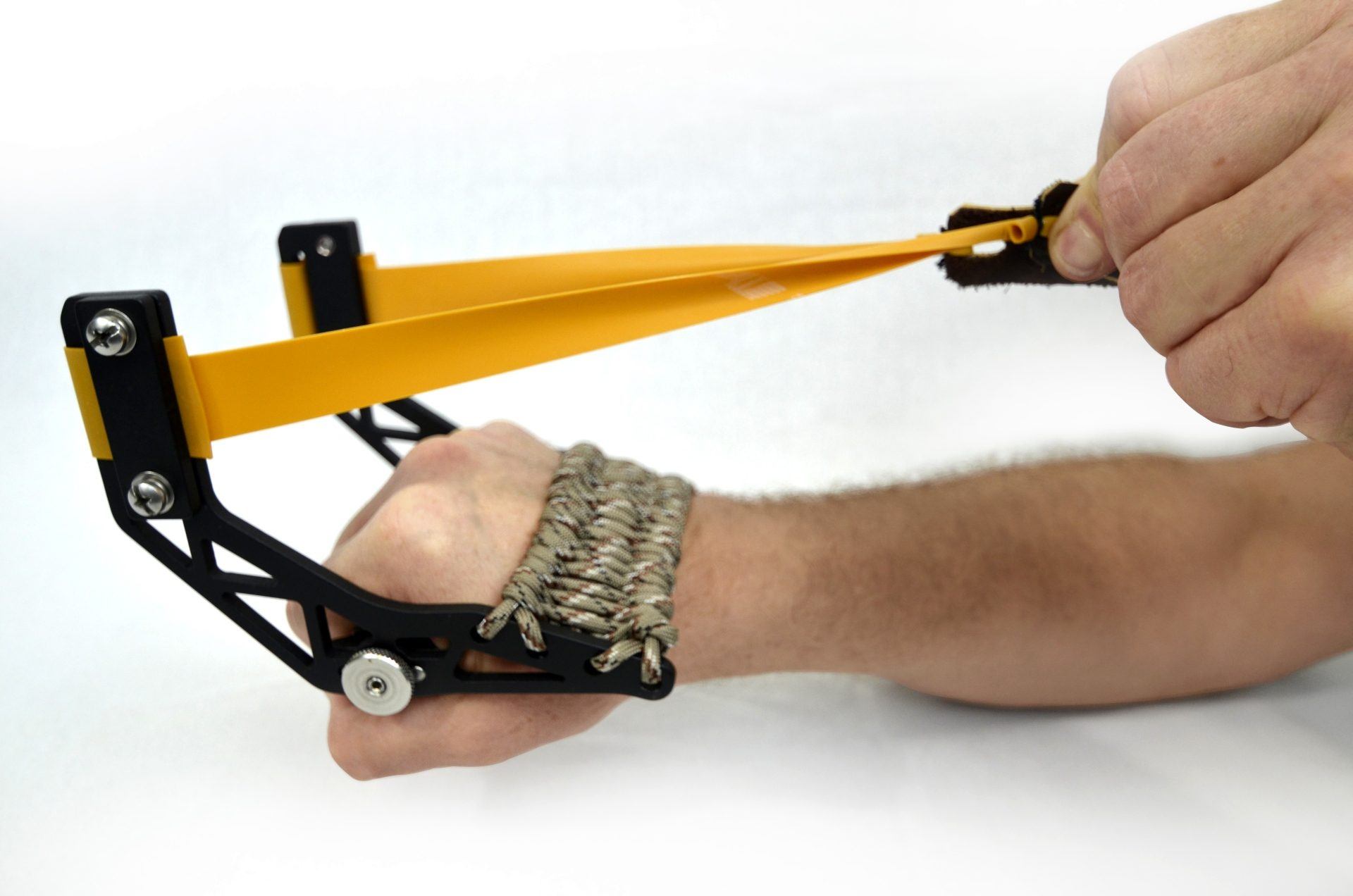
What type of energy is in this picture?

a)

Gravitational

b)

Elastic

c)

Chemical

d)

Sound

33.
What kind of energy is represented in this picture?
a)
Thermal
b)
Potential
c)
Nuclear
d)
Mechanical
34.
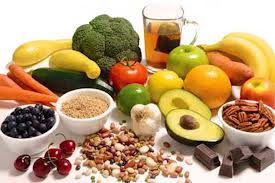
What kind of energy is represented in the picture?
a)
Thermal
b)
Chemical
c)
Sound
d)
Nuclear
35.

According to which law of energy, energy can't be created or destroyed, only transferred?

a)

First law of motion

b)

The law of tacos

c)

Laws of Energy

d)

law of conservation of energy

36.
The Law of Conservation of matter states that the total amount of matter ______________ after it undergoes change.
a)
disappears
b)
stays the same
c)
weighs less
d)
explodes
37.
According to the Law of Conservation of Energy, energy can...
a)
Change from one form to another
b)
Be created
c)
Be destroyed
38.
What kind of energy does this device use?
a)
Chemical
b)
Electrical
c)
Thermal
d)
Chemical
39.

What kind of change describes when a new substance is changed?

a)

Physical Change

b)

Chemical Change

c)

Energy Change

d)

Matter Change

40.

What kind of change does not give you a new substance?

a)

Physical Change

b)

Chemical Change

c)

Energy Change

d)

Matter Change

41.

Which of the following are examples of a physical change? Check all that apply.

a)

Breaking Glass

b)

Baking a Cake

c)

Ripping a whole in your jeans

d)

Splitting Wood

42.

Which of the following are examples of chemical changes?

a)

Burning wood

b)

Boiling Water

c)

Baking a cake

d)

Cloud Forming

43.

Which statement is true about compounds?

a)

a pure substance where two or more elements are chemically combined

b)

a homogenous mixture of 2 or more elements

c)

a pure substance containing only one type of atom

d)

a heterogeneous mixture of 2 or more elements chemically combined

44.

He, Helium

a)

Compound

b)

Element

c)

Mixture

45.

H2O, water

a)

Compound

b)

Element

c)

Mixture

46.

Lucky Charms Cereal

a)

Compound

b)

Element

c)

Mixture

47.
What is the water cycle?
a)
the 3 forms of water
b)
the movement of water on, above, or below the surface of the Earth
c)
when water melts
d)
when clouds form
48.

When these are formed, what part of the water cycle does this picture show?

a)

condensation

b)

precipitation

c)

evaporation

49.

What is it called when WATER changes from an LIQUID to a WATER VAPOR?

a)

EVAPORATION

b)

PRECIPITATION

c)

TRANSPIRATION

50.

After the rain falls down onto Earth's surface, what are the 2 things that can happen to it?

a)

1. Runoff

2.Infiltration

b)

1. Condensation

2. Evaporation

c)

1. Evaporation

2. Transpiration

d)

1. Runoff

2. Condensation

51.

What is it called when plants give off water vapor as a waste product?

a)

condensation

b)

evaporation

c)

sublimation

d)

evapotranspiration

52.
When plants convert the sun's energy into food, which type of energy is it?
a)
kinetic
b)
chemical
c)
thermal
d)
radiant
53.
What process occurs when coal (fossil fuel) is used for energy?
a)
Decomposition
b)
Combustion
c)
Pressurization 
d)
Respiration 
54.

What does NOT produce carbon dioxide?

a)

Photosynthesis

b)

Combustion of Fossil Fuels

c)

Respiration

d)

Decomposition

55.
Combustion is another word for __________.
a)
Transportation
b)
Respiration
c)
Fossil Fuels
d)
Burning
56.
TRUE or FALSE?
All of the carbon in existence is continually recycled in the carbon cycle.
a)
True
b)
False
57.
Organisms that do not decompose can be buried and become what?
a)
water
b)
nutrients
c)
air
d)
fossil fuels
58.
Carbon can be found in...
a)
The atmosphere
b)
Soil
c)
Fossil fuels
d)
All of the above
59.
Which of the following removes carbon from the atmosphere?
a)
Combustion
b)
Respiration
c)
Photosynthesis
d)
Death
60.
Which one of these does not add CO2 to the atmosphere?
a)
cooking with gas
b)
planting trees
c)
burning wood
d)
riding in a bus
61.
Which best explains why runoff is important?
a)
It returns water to other locations on Earth
b)
It increases the chance of flooding
c)
It makes evaporation occur faster
d)
It increases condensation
62.
Snow, sleet, hail, and rain are all examples of  ________________. 
a)
evaporation
b)
condensation
c)
accumulation
d)
precipitation
63.
What is the energy source for the water cycle?
a)
the sun
b)
the earth
c)
water
d)
the moon
64.
When humans burn fossil fuels, most of the carbon quickly enters the                       as carbon dioxide.
a)
Water
b)
Atmosphere
c)
Sun
d)
Air
65.
How do living organisms return carbon to the atmosphere in the carbon cycle?
a)
respiration and photosynthesis
b)
 decomposition and respiration
66.
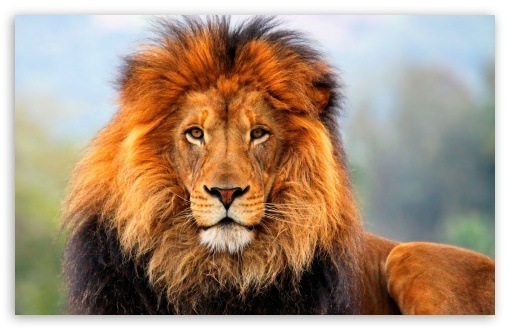
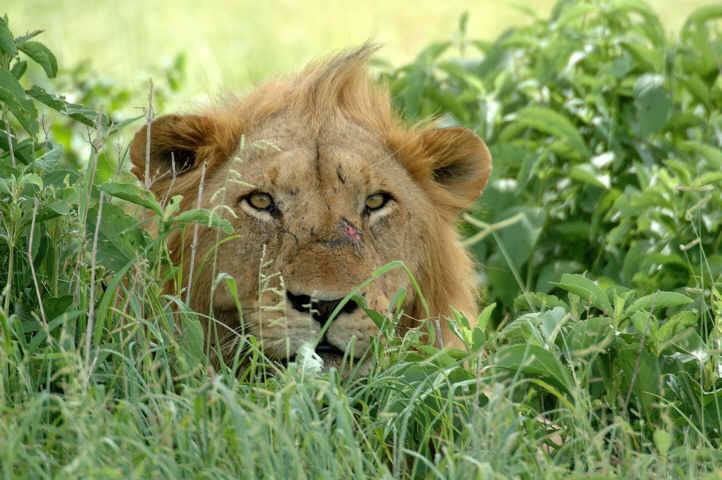
How does the carbon in grass become part of a lion?
a)
The lion eats the grass
b)
Carbon from grass doesn't end up in a lion. 
c)
The carbon ends up in the lion's food chain. 
d)
The lion breathes in carbon given out by the plant
67.
Organisms that do not decompose can be buried and become what?
a)
water
b)
nutrients
c)
air
d)
fossil fuels
68.
If the plant population decreased, the amount of carbon would _________.
a)
Stay the same
b)
Increase
c)
Decrease
69.
Respiration is the process by which animals take in _____ and release _____. 
a)
photosynthesis, air
b)
carbon, oxygen
c)
oxygen
d)
oxygen, carbon dioxide
70.
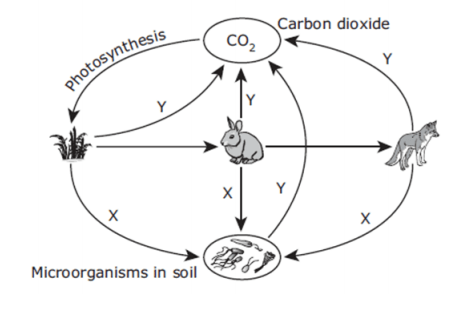
The diagram shows the flow of organic molecules through an ecosystem. What two processes are identified by the labels X and Y?
a)
X : Respiration
Y : Predation
b)
X : Adaptation
Y : Decomposition
c)
X : Fermentation
Y : Nitrogen Fixation
d)
X : Decomposition
Y : Respiration
71.
The average temperature of the surface of Earth has increased approximately 1°C in the past century. Which reason best explains this increase in temperature?
a)
lower levels of ozone in the atmosphere
b)
lower levels of nitrogen in the atmosphere
c)
higher levels of carbon dioxide and other greenhouse gases in the atmosphere
d)
higher levels of oxygen in the atmosphere
72.

C6H12O6 is also known as glucose (sugar). Where is it found?

a)

Plants

b)

Animals

c)

Both plants and animals

d)

Neither plants or animals

73.

What process takes CO2 in the atmosphere to the oceans?

a)

Respiration

b)

Decomposition

c)

Dissolving

d)

Combustion

74.

Which form of carbon is found in the geosphere?

a)

Carbon dioxide

b)

Fossil Fuels

c)

Methane

d)

Glucose

75.

What process directly uses the suns energy in the carbon cycle?

a)

photosynthesis

b)

respiration

c)

combustion

d)

decomposition