
 Worksheets
BEA-Personal Finance Review
Total questions: 59
Worksheet time: 34mins
This is a form that an employer must send to an employee and the IRS at the end of the year which reports the employee's wages.
W-1
W-2
W-3
W-4
Why is April 15th important with regards to taxes in the United States?
This is the start of the tax year.
This is the end of the tax year.
This is the filing deadline for federal income tax returns.
This is the anniversary of the birth of the IRS.
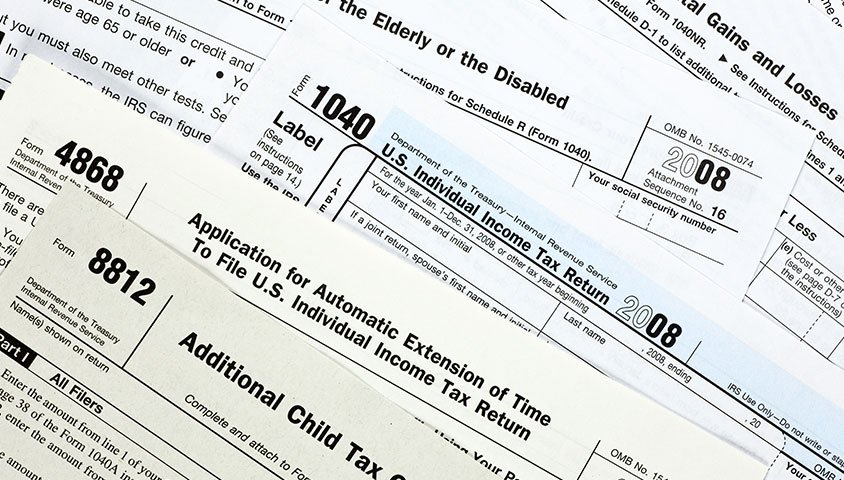
The W-4 form lets...
the government know how much you paid in taxes last year
your employer know how much to withhold from your paycheck
the 3 major credit bureaus know how many dependents you have
you know how much you paid in taxes last year
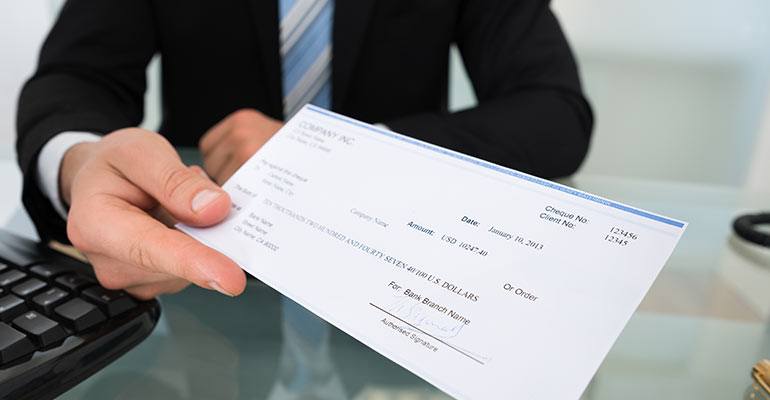
The more allowances you claim on your W-4...
The more money you will see in your paycheck
The less money you will see in your paycheck
The # of allowances has no impact on your paycheck
You don't claim allowances on a W-4
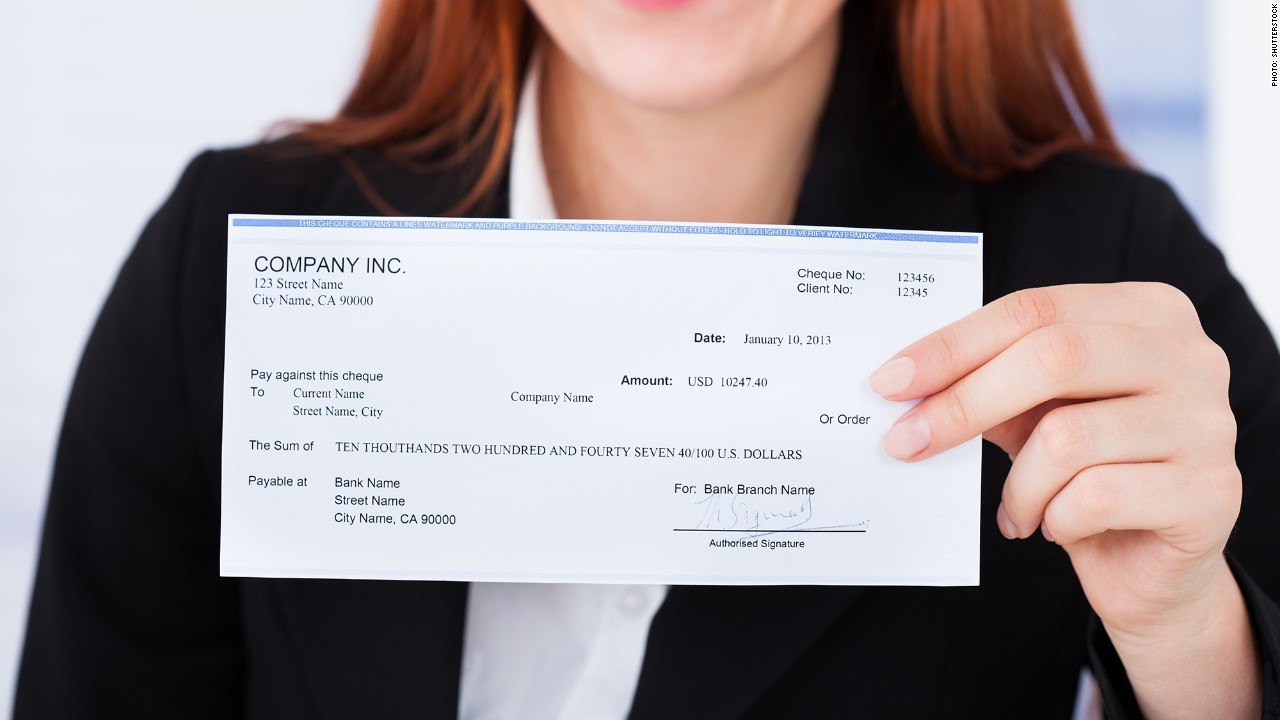
The more allowances you claim on your W-4...
The more money is withheld from your paycheck
The less money is withheld from your paycheck
The # of allowances doesn't impact how much $ is withheld
You claim allowances on a W-2, not the W-4

The goal of a resume is to
Attract potential employers
Get the employer to call you for an interview
Negotiate your employment
Enroll you in a professional network

Which is true of an effective resume?
Include many details; the longer the resume, the better
Make sure your resume and cover letter is 100% error free.
Use the same resume template for every job you apply for
Use "power words" in your resume

True or False: What you post on social media has no impact on whether you will get a job.
True
False

How are your resume and cover letter related?
Both should be handwritten detailed documents
Your cover letter highlights qualifications from your resume
A cover letter includes entire work history, resume does not
Both include your signature to signify they're legitimate

Your cover letter should be one page in length and include
How to contact you for an interview
Highlighted qualifications from your resume
Your high school and college GPA, no matter what they are
Benefits you hope to get with this job

Overdraft protection...
is a service offered only for premium checking accounts.
brings in a few hundred dollars each year to banks.
is often a free service that prevents you from overdrafting.
should be something you opt-out of so you don't pay overdraft fees.

What is a typical overdraft fee?
$5
$15
$25
$35

How can you protect your checking account when using online and mobile banking?
Use a strong password
Sharing your pin # with only 1 person in case you forget it
Connect to a secure WiFi network
Opt-out of alerts to notify you of unusual activity

Which of the following is FALSE about saving and investing?
Saving doesn't outpace inflation; investing usually does
Both saving and investing generally have low returns
Saving is for short-term; investing is for the long-term
Saving has more risk; investing has less risk
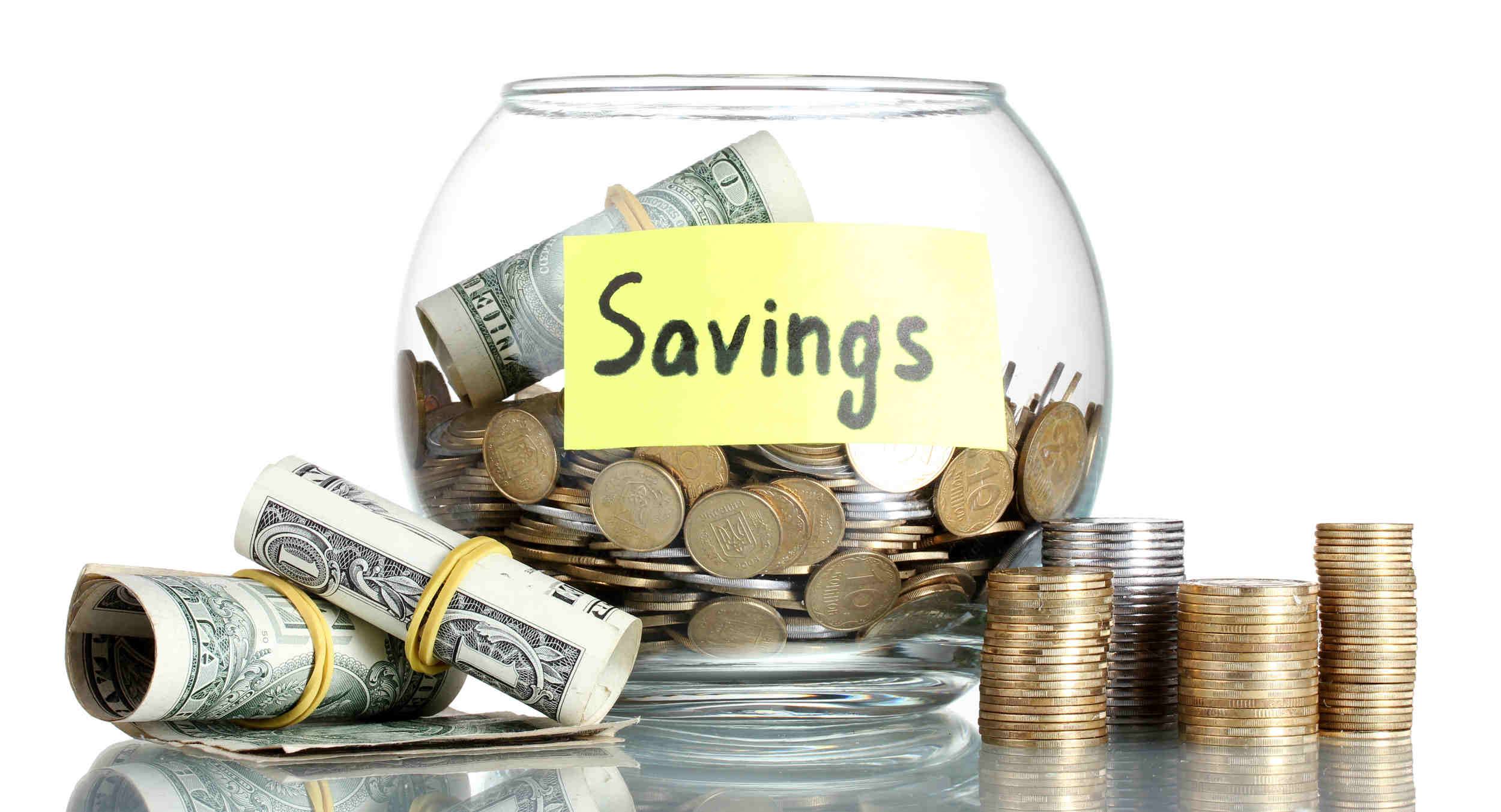




A key difference between saving and investing is
Saving is for everyone, investing is for the wealthy
Your money is insured when investing, it is not in savings
Investing has a guaranteed return, savings does not
Saving is for emergencies & goals, investing is for long-term wealth

Why is compound interest more beneficial than simple interest?
Your money grows faster when it is compounded
You earn interest on your interest
Fees for compound interest are greater than simple interest
Compound interest is hard to calculate, so fewer use it

A diversified portfolio is desirable because
It limits investment choice
It's a good predictor on rate of return
It increases risk and return
It decreases risk

Which of the following accurately describes diversification (in regards to investing)?
Buying stocks from companies that are based in different countries.
Investing in companies that are owned by both men and women.
Attempting to reduce risk by spreading your portfolio across asset classes and investments.
Buying bonds from different municipalities.

Why is it important to start investing as soon as possible?
You take less risk when you are young, so money will be safe
You have more time for your money to compound
Investing is an easy way to make quick money
Fees on investments are cheaper when you are younger

True or False: Investing in a diversified portfolio of stocks guarantees you will not lose money.
True
False

How do banks make money off of the credit they issue?
They charge a large, one-time fee at the start of the loan
They take out a small fee each month from your checking account
They charge a high interest rate on the loan
This is a trick question - they DON'T make money!

Which of the following could be a SECURED loan?
Auto loan
Student loan
Mortgage
Overdraft

A shorter auto loan term means ____ monthly payments & ____ total interest you'll pay.
higher, less
lower, more
higher, more
lower, less

How are credit cards and debit cards different?
They're both linked to a checking account in different ways
Some debit cards say VISA on them; credit cards don't
With a credit card, you are borrowing from yourself
A credit card can offer perks such as purchase protection

Which of the following situations is an example of responsibly taking on debt?
Get a credit card but don't use it to avoid more debt
Spend up to your credit limit each month
Become an authorized user on an adult's card
Make only the minimum payment each month

Which of the following is TRUE about a credit report?
It is a complete history of one type of credit you have
Credit reports are maintained by the 5 main credit bureaus
You can get a copy of your credit report for free
You can get a credit report only when you're 21 years old

Which of the following does NOT contribute to your credit score?
Your payment history
Which banks issued your credit cards
Your debt-to-credit ratio
Length of credit history

How are a credit score and credit report related?
A credit report is determined by the factors in your score
A credit score is determined by the factors in your report
Credit reports are less important than your credit score
They're not related at all

Where can you get a free copy of your credit report?
annualcreditreport.com
freecreditreport.com
getmycreditreport.com
creditreport.gov

Jim is 23 and has 1 credit card. What would be the best way to improve his credit score?
Get 4 more credit cards in the next 3 months
Diversify his credit - get an loan for the car he needs
Make sure he makes his payments in full & on time
Increase his credit utilization rate

Which is NOT one of the three main credit reporting agencies?
Experian
Equifax
Vanguard
Transunion

What can you do to protect your identity online?
Always use the same password for every account
Create a unique password with special characters
Be cautious of personal information you are sharing online
Shop only on a secure site

The first thing you should do if you are a victim of identity theft is
Call the police
File an initial fraud alert
Contact your bank
File an identity theft report

Which of the following passwords is the most secure?
03011999 - it's my birthday
password - easy to remember
Football2018 - a combination of letters & numbers
#mhalll+1! - a combination of letters, numbers, & characters

Why is it important to act fast if you suspect you are a victim of identity theft?
The longer you wait, the more potential problems to fix
There is a 7 day window to report identity theft
With more time, the ID thief has more time to cheat you
There is a fee if reported later than 30 days

Which of the following would be covered under a renter's insurance policy?
Damage to the exterior of the property
Medical bills of another person who is injured on the property
Your roommate's personal belongings in the rental unit
Damage to a detached shed on the property

What is the average monthly renter's insurance premium cost in the U.S.?
$150/month
$90/month
$40/month
$15/month

Which of the following are TRUE about gross income and net income?
Gross income and net income are the same
Net income is sometimes called "take home pay"
Gross income is the total amount earned before deductions
Net income is the total amount earned before deductions
According to a rule of thumb, rent shouldn't take up more than ___ % of your take-home pay.
7-12%
10-15%
15-20%
25-30%

Which of the following would typically NOT be covered under renter's insurance?
A friend slips and twists his ankle in your living room
Your apartment is broken into and your laptop is stolen
A fire destroys 80% of your belongings
Your apartment is flooded, destroying your furniture

Jenna wants to decrease the amount of $ she spends on food. Which of the following would help?
Decide what she will make for dinner that same day
Go to the grocery store with a list
Go to the store whenever she needs 1-2 items
Keep staple foods (e.g. beans, rice) readily stocked
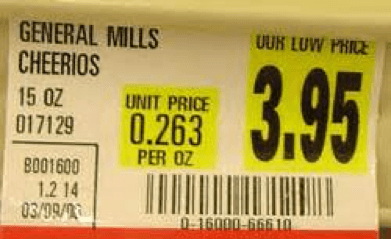
Which of the following is TRUE about unit pricing?
Unit prices can help you compare the prices of similar items
Unit price labels are universal throughout the country
It's easy to compare quantities on a unit price label
All states require unit price labels

A 18oz box of cereal costs $4.99. How would you calculate the unit price?
18oz / $4.99
9 oz / $2.50
$4.99 / 18oz
(18oz) x ($4.99)

How does the 50/30/20 rule of thumb for budgeting allocate your income?
50% Needs, 30% Wants, 20% Savings & Debt Repayment
50% Wants, 30% Needs, 20% Savings & Debt Repayment
50% Savings & Debt Repayment, 30% Wants, 20% Needs
50% Needs, 30% Savings & Debt Repayment, 20% Wants

Which of the following is an example of buying something you NEED?
"I want to replace something that is no longer working."
"I want to impress someone/ change how they feel about me."
"I'm feeling down, and I need to boost my spirits."
"I don't want to miss out on these deals during the sale!"

Which of the following are benefits of mobile banking?
The ability to check your bank activity from anywhere, anytime.
The ability to deposit a check without going to the bank.
The ability to call the bank manager at any time of day to complain about service.
The ability to use online bill pay.

What does FDIC stand for?
Fiscal Deposit Insurance Corporation
Federal Deposit Investment Corporation
Fiscal Deduction Insurance Corporation
Federal Deposit Insurance Corporation
Traditional savings accounts are currently earning approximately what interest rate?
1% or less
3%
6%
10%
Which of the following categories from your credit history make up your credit score?
Payment history
Marital status
Length of credit history
Types of credit used
Occupation

