
 Worksheets
All About Biomes
Total questions: 35
Worksheet time: 29mins
Name
Class
Date
1.
a treeless biome that has permafrost
a)
Tundra
b)
Desert
c)
Taiga
d)
Deciduous
2.
Plants in this biome are adapted to poor soil, extreme temperatures and less than 25 centimeters of rainfall per year.
a)
Tundra
b)
Taiga
c)
Desert
d)
Grasslands
3.
this biome has rich, fertile soil and much of the crop production in the U.S. is from this biome
a)
Grasslands
b)
Tundra
c)
Desert
d)
Tropical Rainforest
4.
Which biome is characterized by low temperatures and low amounts of rainfall?
a)
tundra
b)
desert
c)
temperate deciduous forest
d)
tropical rain forest
5.
Which biome is found on the mountain above the tree line?
a)
grassland
b)
deciduous forest
c)
tundra
d)
tropical forest
6.
Which biome, because of its climate, has the largest number of species of plants and animals?
a)
tundra
b)
desert
c)
tropical rainforest
d)
pine forest
7.
One characteristic feature of tundra is that only the surface thaws in the summer and refreezes in the winter, leaving a layer of permanently frozen subsoil. This characteristic is known as
a)
glaciation
b)
permafrost
c)
crystallization
d)
soilfrost
8.
Which major biome is home to cacti, mesquite, white thorn, pack rats, small reptiles, and coyotes?
a)
desert
b)
taiga
c)
tundra
d)
grassland
9.
In which biome is Tennessee located?
a)
tropical rainforest
b)
temperate rainforest
c)
temperate deciduous forest
d)
alpine forest
10.
This biome contains mostly spruce trees and Douglas firs, which are both evergreen. The winters are long and cold and the summers are short and rainy. The soil is very rich. Moose and elk live here. This biome is classified as a
a)
taiga
b)
tundra
c)
deciduous forest
d)
temperate forest
11.
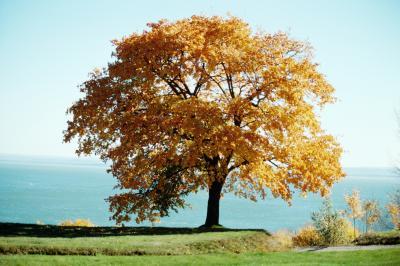
The biome known for trees with broad leaves that fall off the trees in the winter.
a)
Coniferous Forests
b)
Deciduous Forests
c)
Deserts
d)
Tropical Rain Forests
12.
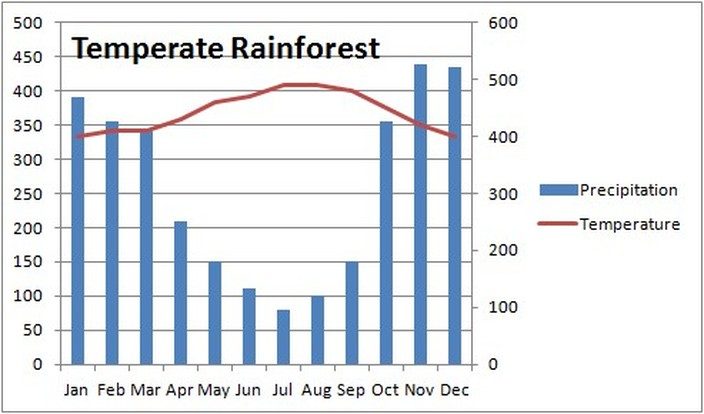
The most important abiotic factors when studying biomes are...
a)
Food and Water
b)
Water and Sunlight
c)
Temperature and Oxygen
d)
Water and Temperature
13.
The greatest biodiversity on earth is found in the __________ biome.
a)
taiga
b)
grassland
c)
temperate deciduous forest
d)
tropical rainforest
14.
A ________ is a forest biome consisting mostly of cone-bearing evergreen trees
a)
desert
b)
temperate deciduous forest
c)
taiga
d)
tundra
15.
What are the key features of the Tundra?
a)
cold winter, thin acidic soil, evergreen trees
b)
treeless, permafrost, cold dark winters
c)
ong cool summers, short dark winters, migrating animals
d)
many evergreen trees, short moist summers, long snowy winters
16.
Which of the following is NOT an example of a biome?
a)
Desert
b)
Marine
c)
Freshwater
d)
Waterpark
17.
The kangaroo rat is able to get all of the water it needs through it's food and therefore, never needs to drink liquid. This animal has adapted to survive in which biome?
a)
Forest
b)
Tundra
c)
Desert
d)
Grassland
18.
Which biome, because of its climate, has the largest number of species of plants and animals?
a)
Tundra
b)
Rainforest
c)
Desert
d)
Pineforest
19.
Which of the following in an ecosystem is classified as BIOTIC?
a)
Rock
b)
Sand
c)
Wind
d)
Tree
20.
Which of the following in an ecosystem is ABIOTIC?
a)
Sunlight
b)
Frog
c)
Scorpion
d)
Snake
21.

What biome?
a)
Savannah
b)
Temperate Rainforest
c)
Taiga
d)
Desert
22.
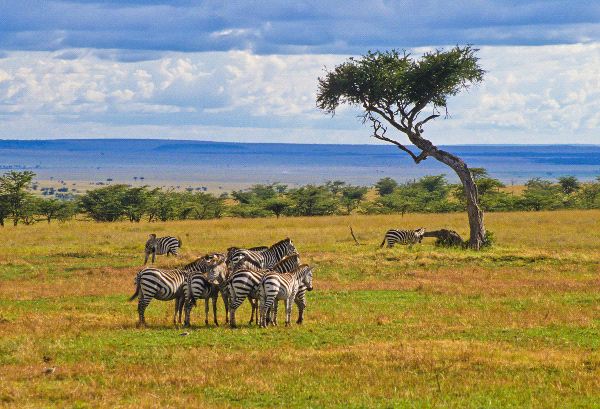
What are the biotic factors of the savanna
a)
animals
b)
plants
c)
grass
d)
all of the above
23.
Which of these describes the rainforest?
a)
populated by squirrels, bears and pine trees
b)
relatively few trees
c)
generally close to the equator
d)
short, mild, dry summers
24.
The rainforest has the greatest variety of different organisms that live there. In other words, the rainforest has the greatest ______.
a)
speciation
b)
biodiversity
c)
climate
d)
succession
25.

What biome?
a)
Mountains
b)
Tundra
c)
Tropical Rainforest
d)
Temperate Forest
26.
How much rain falls in the desert?
a)
10 inches
b)
more than 10 inches
c)
less than 10 inches
d)
none at all
27.
The taiga
a)
a cold, treeless, desert-like biome found near the North and South Poles
b)
found mostly in Africa
c)
a forest biome dominated by coniferous trees, such as pine, fir, and spruce
d)
a dry, rocky biome found in the central part of South America.
28.
We would NOT find this animal in the deciduous forest
a)
squirrel
b)
deer
c)
bear
d)
giraffe
29.
What is the average, year-to-year conditions of weather in an area?
a)
Biome
b)
Air Mass
c)
Climate
d)
Precipitation
30.
Nonliving elements in an ecosystem are called _______________.
a)
biotic factor
b)
abiotic factor
c)
limiting factor
d)
carrying capacity
31.
Is a weather an abiotic or biotic factor?
a)
abiotic
b)
biotic
32.
Is sunlight an abiotic or biotic factor?
a)
abiotic
b)
biotic
33.
A living or once-living organisms in an ecosystem is a
a)
population
b)
biotic factor
c)
abiotic factor
d)
community
34.

When soil is permanently frozen
a)
permafrost
b)
iceburg
c)
snow
d)
erosion
35.

Mild biome that has four seasons, the trees lose their leaves in the fall
a)
Tropical Rain Forest
b)
Tundra
c)
Taiga
d)
Temperate Deciduous Forest
100 %

