wayground logo

Free Printable Worksheets

Font size

S
M
L
XL
Worksheets

biomes/biodiversity/groundwater

Total questions: 130

Worksheet time: 2hrs 34mins
Name
Class
Date
1.
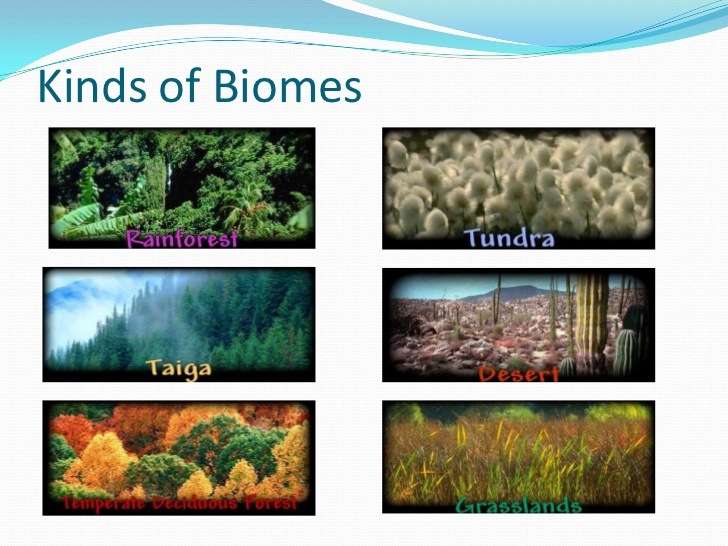
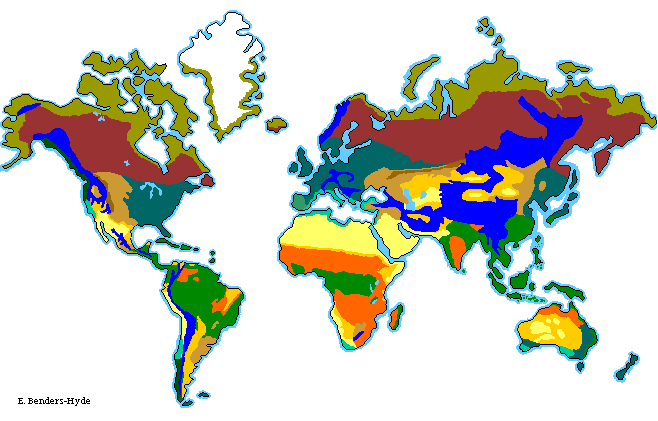
A large ecosystem is called a ______
a)
Ecosystem
b)
Habitat
c)
Biome
d)
Niche
2.
What is the main factor that separates the biomes?
a)
Land
b)
Water
c)
Climate
d)
Longitude
3.
Which biome is the driest?
a)
Desert
b)
Tundra
c)
Taiga
d)
Rainforest
4.
Which Biome has permafrost?
a)
Temperate Forest
b)
Rainforest
c)
Taiga
d)
Tundra
5.
Which biome has the most variety of plants and animals?
a)
Temperate Forest
b)
Rainforest
c)
Tundra
d)
Grasslands
6.
Which biome has 4 seasons?
a)
Taiga
b)
Tundra
c)
Grasslands
d)
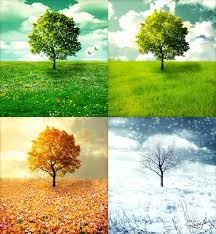
Temperate Forest
7.
In which 2 biomes can only plants/animals with adaptations survive?
a)
Taiga/Temperate Forest
b)
Grasslands/Desert
c)
Tundra/Desert
d)
Rainforest/Tundra
8.
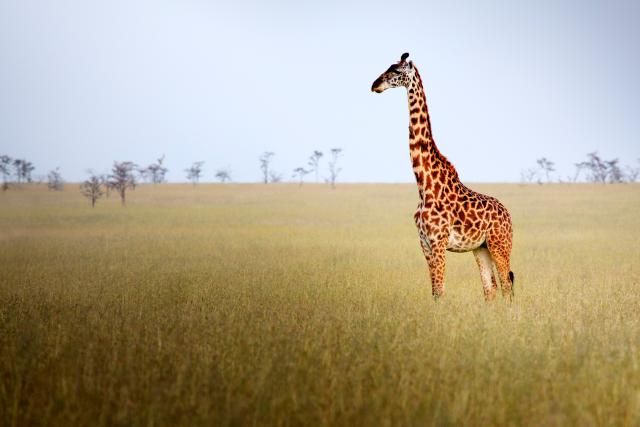
Which biome is home to lions, zebras, wildebeests, giraffes, and elephants?
a)
Grasslands
b)
Tundra
c)
Rainforest
d)
Temperate Forest
9.
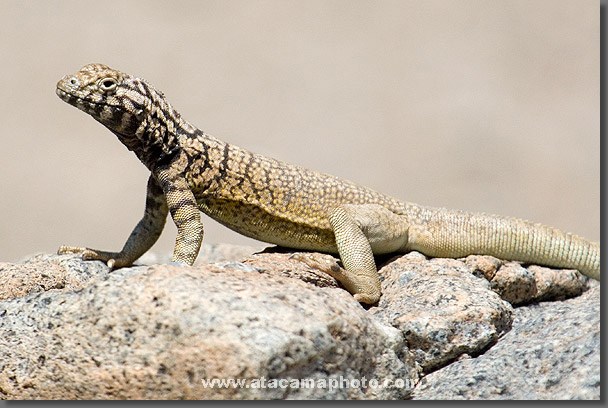
Which biome is home to cacti, scorpions, coyotes, kangaroo rats, and lizards?
a)
Desert
b)
Grasslands
c)
Temperate Forest
d)
Taiga
10.
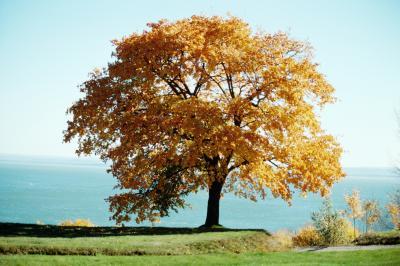
Which biome do we live in?
a)
Grasslands
b)
Taiga
c)
Rainforest
d)
Temperate Forest
11.
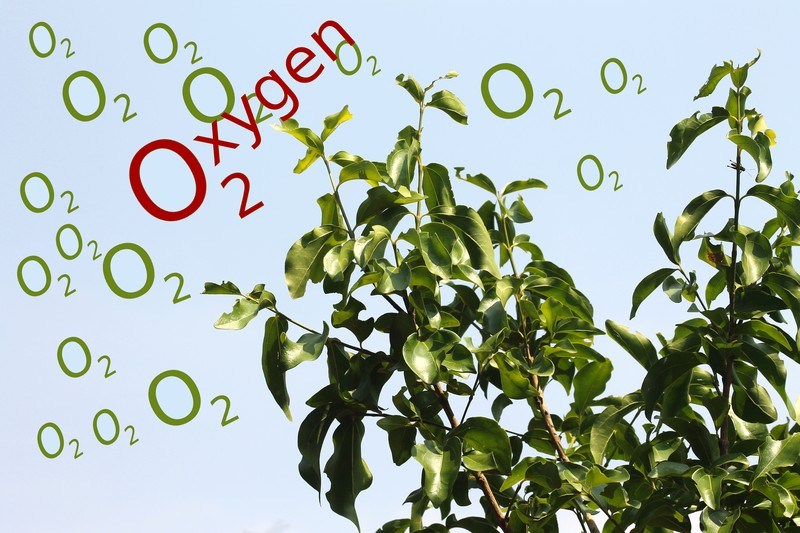
Which biome produces over 50% of the world's oxygen?
a)
Rainforest
b)
Temperate Forest
c)
Grasslands
d)
Taiga
12.
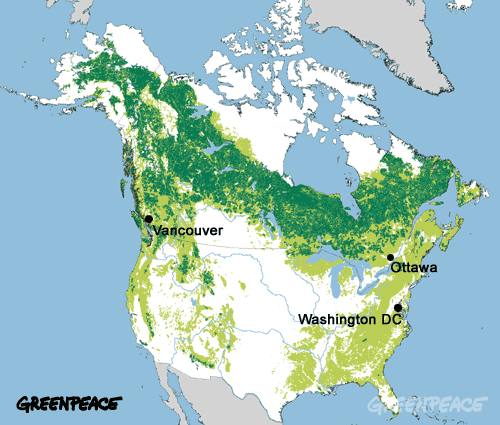
Which biome is Canada in?
a)
Tundra
b)
Taiga
c)
Temperate Forest
d)
Desert
13.
Which biome is home to jaguars, anacondas, leopards, gorillas, and poisonous tree frogs?
a)
Grasslands
b)
Temperate Forest
c)
Rainforest
d)
Tundra
14.
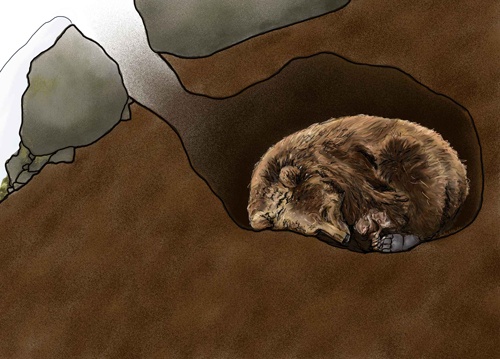
Which biome could an animal who hibernates in the winter to survive the cold live in?
a)
Grasslands
b)
Taiga
c)
Desert
d)
Rainforest
15.
In which biome does an organism have to be able to conserve water to survive?
a)
Rainforest
b)
Taiga
c)
Desert
d)
Temperate Forest
16.
a treeless biome that has permafrost
a)
Tundra
b)
Desert
c)
Taiga
d)
Deciduous
17.
the trees in this biome are characterized by needle-like leaves that are called conifers
a)
Desert
b)
Taiga
c)
Tundra
d)
Grasslands
18.
this cold biome has tall trees that photosynthesize all year round
a)
Tundra
b)
Tropical Rainforest
c)
Taiga
d)
Deciduous
19.
Plants in this biome are adapted to poor soil, extreme temperatures and less than 25 centimeters of rainfall per year.
a)
Tundra
b)
Taiga
c)
Desert
d)
Grasslands
20.
this biome has rich, fertile soil and much of the crop production in the U.S. is from this biome
a)
Grasslands
b)
Tundra
c)
Desert
d)
Tropical Rainforest
21.
this biome has the largest diversity (largest number of different kinds) of plant and animal species
a)
Desert
b)
Tundra
c)
Deciduous Forest
d)
Tropical Rainforest
22.
lichens, mosses, grasses, and other low-growing plants are common vegetation in this biome due to the permafrost, low rainfall, and very cold temperatures
a)
Desert
b)
Taiga
c)
Tundra
d)
Grasslands
23.
cacti are the main plant associated with this biome
a)
Desert
b)
Tundra
c)
Taiga
d)
Grasslands
24.
This biome's soil can be described as permafrost
a)
Taiga
b)
Tundra
25.
This biome gets the highest percentage of rain yearly
a)
Taiga
b)
Temperate Deciduous Forest
c)
Tropical Rainforest
d)
Grasslands
26.
A biome is......
a)
Like a snowglobe that you shake and can see different types of animals.
b)
A large region of earth with a certain type of climate
c)
An area of earth only found in the United States.
d)
A community of living things.
27.
True of False?  
Animals that live in the desert have adapted to live with little water since the desert gets little rainfall.
a)
True
b)
False
28.
The earth's coldest biome is the....
a)
Antartica
b)
Grasslands
c)
Tundra
d)
Freshwater
29.
The climate in a tropical rain forest can be described as
a)
cold and wet 
b)
warm and dry 
c)
cold and dry 
d)
warm and wet 
30.
A Biome covered with grasses is called....
a)
Grasslands
b)
Africa
c)
Meadow
d)
Forest
31.
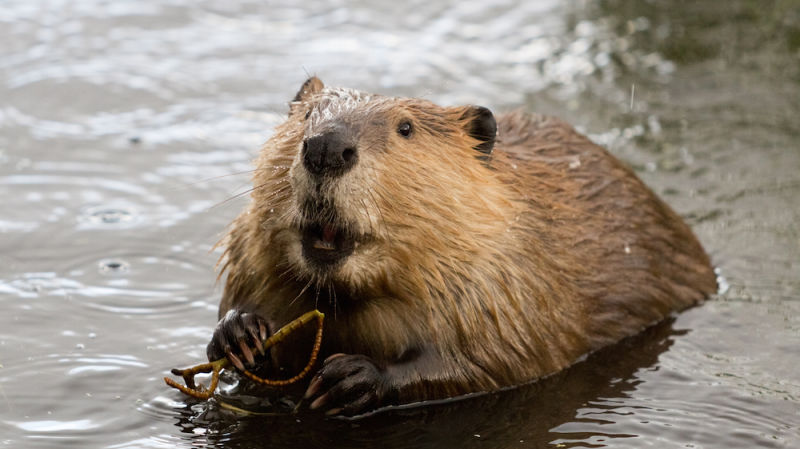
Birds, beavers, fish, and insects live in this biome.
a)
Marine
b)
Freshwater
c)
Tundra
d)
Taiga
32.
Deer, squirrels, and rabbits live in this cool biome.
a)
Tropical Rainforest
b)
Savannah
c)
Mountainous Forest
d)
Temperate Forest
33.
This biome includes three zones: intertidal, near-shore, and open ocean zone and includes living thins such as crabs, otters, and whales.
a)
Wetlands
b)
Marine
c)
Ocean
d)
Freshwater
34.
This is the earth's driest biome and can be hot or cold.
a)
Savannah
b)
Prairie
c)
Tundra
d)
Desert
35.
This is the most important thing that makes each biome different from each other.
a)
Animals
b)
Location
c)
Climate
d)
People
36.
Which biome is characterized by low temperatures and low amounts of rainfall?
a)
tundra
b)
desert
c)
temperate deciduous forest
d)
tropical rain forest
37.
Which biome covers most of the land mass near the Earth's equator?
a)
tundra
b)
desert
c)
grassland
d)
tropical rainforest
38.
Which biome is found on the mountain above the tree line?
a)
grassland
b)
deciduous forest
c)
tundra
d)
tropical forest
39.
Which biome, because of its climate, has the largest number of species of plants and animals?
a)
tundra
b)
desert
c)
tropical rainforest
d)
pine forest
40.
One characteristic feature of tundra is that only the surface thaws in the summer and refreezes in the winter, leaving a layer of permanently frozen subsoil.  This characteristic is known as
a)
glaciation
b)
permafrost
c)
crystallization
d)
soilfrost
41.
Which type of trees is found in a temperate forest?
a)
deciduous
b)
evergreen
c)
ginko
d)
palm
42.
Which major biome is home to cacti, mesquite, white thorn, pack rats, small reptiles, and coyotes?
a)
desert
b)
taiga
c)
tundra
d)
grassland
43.
Which biome receives between 0 to 25 centimeters of rain per year, has a temperature range of 0 to 50 degrees Celsius, has poor soil, and is home to lizards, scorpions, and snakes?
a)
desert
b)
mountain
c)
taiga
d)
tundra
44.
Which biome receives between 0 and 25 centimeters of precipitation each year, has a temperature range from -27 to 5 degrees Celsius, has frozen soil, and is home to hares, caribou, and wolves?
a)
desert
b)
mountain
c)
savannah
d)
tundra
45.
Which of the following habitats probably has the greatest number of plant and animal species?
a)
the African savannah
b)
a rainforest in Brazil
c)
a temperate forest in China
d)
a temperate grassland in Kansas
46.
Which biome contains large populations of grazing herbivores, few species of birds, and deep, rich soil?
a)
taiga
b)
tundra
c)
deciduous forest
d)
grassland
47.
This biome contains mostly spruce trees and Douglas firs, which are both evergreen.  The winters are long and cold and the summers are short and rainy.  The soil is very rich.  Moose and elk live here.  This biome is classified as a
a)
taiga
b)
tundra
c)
deciduous forest
d)
temperate forest
48.
The biome known for trees with broad leaves that fall off the trees in the winter.
a)
Coniferous Forests
b)
Deciduous Forests
c)
Deserts
d)
Tropical Rain Forests
49.
The most important abiotic factors when studying biomes are...
a)
Food and Water
b)
Water and Sunlight
c)
Temperature and Oxygen
d)
Water and Temperature 
50.
The greatest biodiversity on earth is found in the __________ biome.
a)
taiga
b)
grassland
c)
temperate deciduous forest
d)
tropical rainforest
51.
This biome is found around the equator and is home to a large amount of biodiversity.
a)
Deserts
b)
Tropical Rain Forests
c)
Savannas
d)
Chaparral 
52.
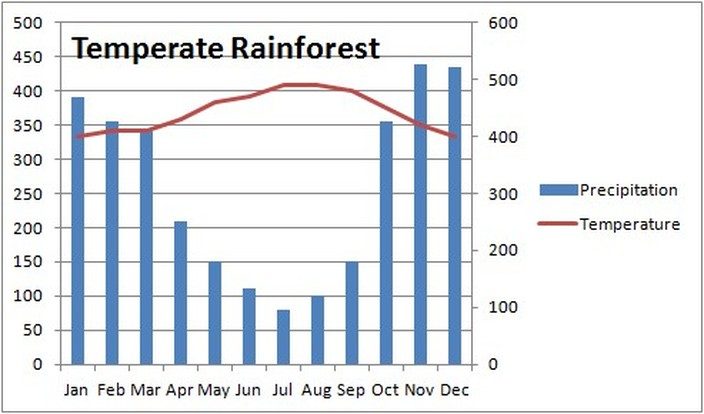
Which biome is MOST LIKE the "desert" in terms of precipitation?
a)
tropical rainforest
b)
temperate deciduous forest
c)
tundra
d)
coniferous forest
53.
Which biome is represented by the rainfall amounts in letter C?
a)
desert
b)
prairie
c)
deciduous forest
d)
tropical rain forest
54.
A ________ is a forest biome consisting mostly of cone-bearing evergreen trees
a)
desert
b)
temperate deciduous forest
c)
taiga
d)
tundra
55.
Areas defined by their geographical location and ecological similarity are called?
a)
ecozones
b)
biotopes
c)
biomes
d)
biodomes
56.
What are the key features of the Tundra?
a)
cold winter, thin acidic soil, evergreen trees
b)
treeless, permafrost, cold dark winters
c)
ong cool summers, short dark winters, migrating animals
d)
many evergreen trees, short moist summers, long snowy winters
57.
Which of the following is NOT an example of a biome?
a)
Desert
b)
Marine
c)
Freshwater
d)
Waterpark
58.
One characteristic feature of the tundra is that only the surface thaws in the summer and refreezes in the winter, leaving a permanently frozen subsoil. This characteristic is known as 
a)
winter frost
b)
Glaciation
c)
Permafrost
d)
Crystallization 
59.
The kangaroo rat is able to get all of the water it needs through it's food and therefore, never needs to drink liquid. This animal has adapted to survive in which biome?
a)
Forest
b)
Tundra
c)
Desert
d)
Grassland
60.
Which biome is characterized by low temperatures and low amounts of rainfall?
a)
Tundra
b)
Desert
c)
Temperate Deciduous Forest
d)
Tropical Rainforest
61.
Which biome, because of its climate, has the largest number of species of plants and animals?
a)
Tundra
b)
Rainforest
c)
Desert
d)
Pineforest
62.
Which of the following in an ecosystem is classified as BIOTIC?
a)
Rock
b)
Sand
c)
Wind
d)
Tree
63.
Which of the following in an ecosystem is ABIOTIC?
a)
Sunlight
b)
Frog
c)
Scorpion
d)
Snake
64.
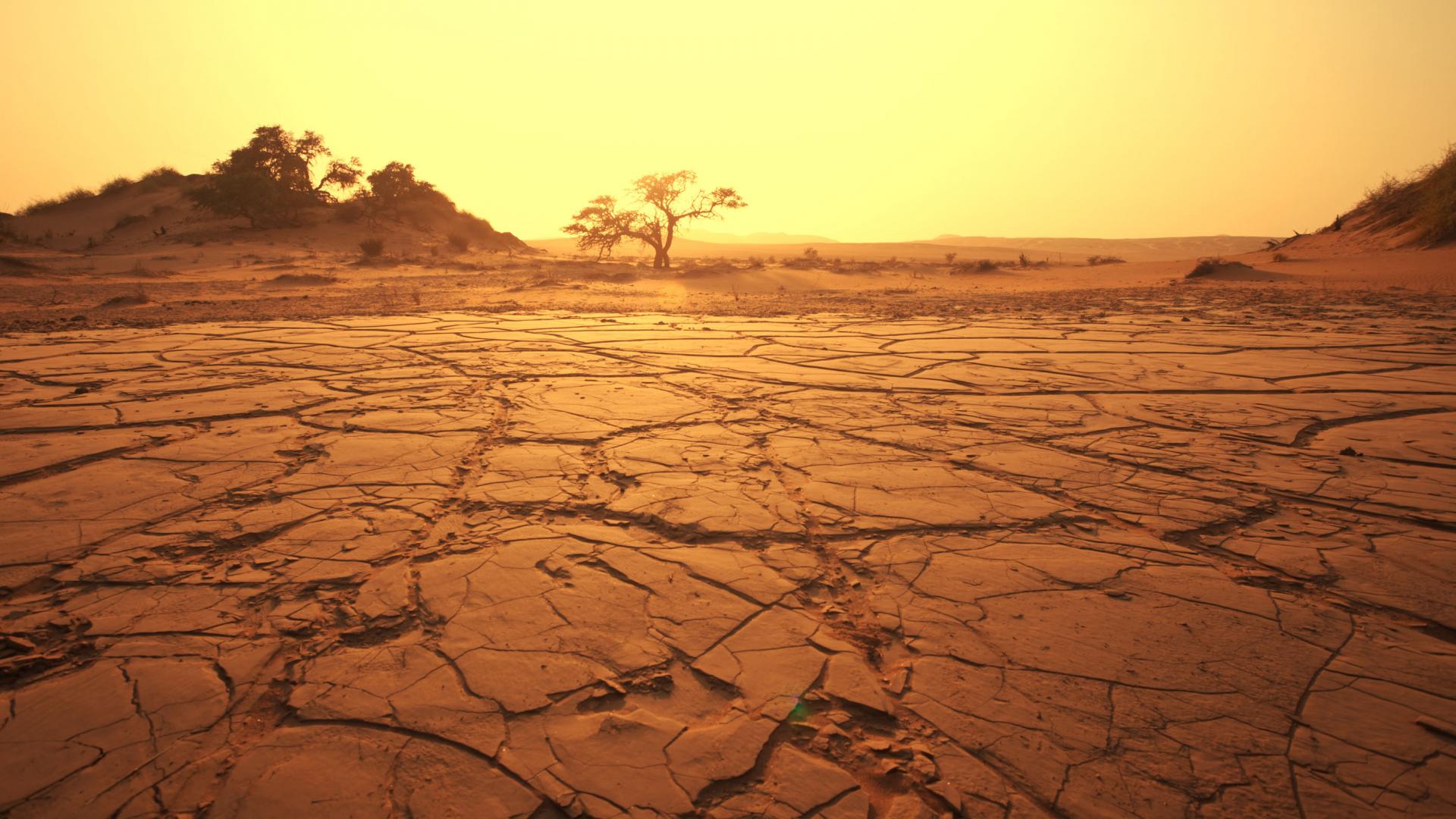
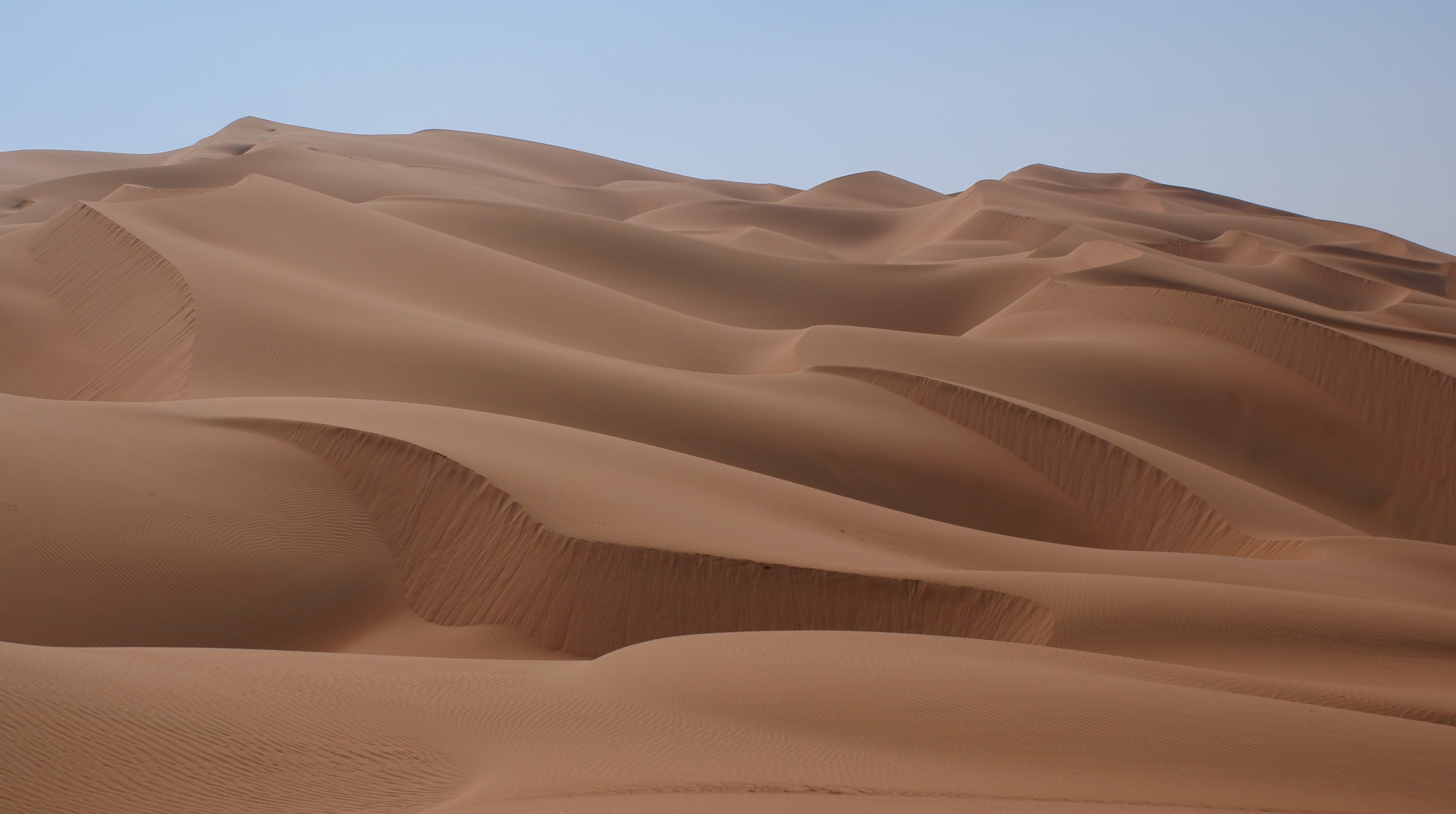
What biome? 
a)
Savannah
b)
Temperate Rainforest
c)
Taiga
d)
Desert
65.
What are the biotic factors of the savanna
a)
animals 
b)
plants 
c)
grass
d)
all of the above
66.
Which of these describes the rainforest?
a)
populated by squirrels, bears and pine trees
b)
relatively few trees
c)
generally close to the equator
d)
short, mild, dry summers
67.
The rainforest has the greatest variety of different organisms that live there. In other words, the rainforest has the greatest ______.
a)
speciation
b)
biodiversity
c)
climate
d)
succession
68.
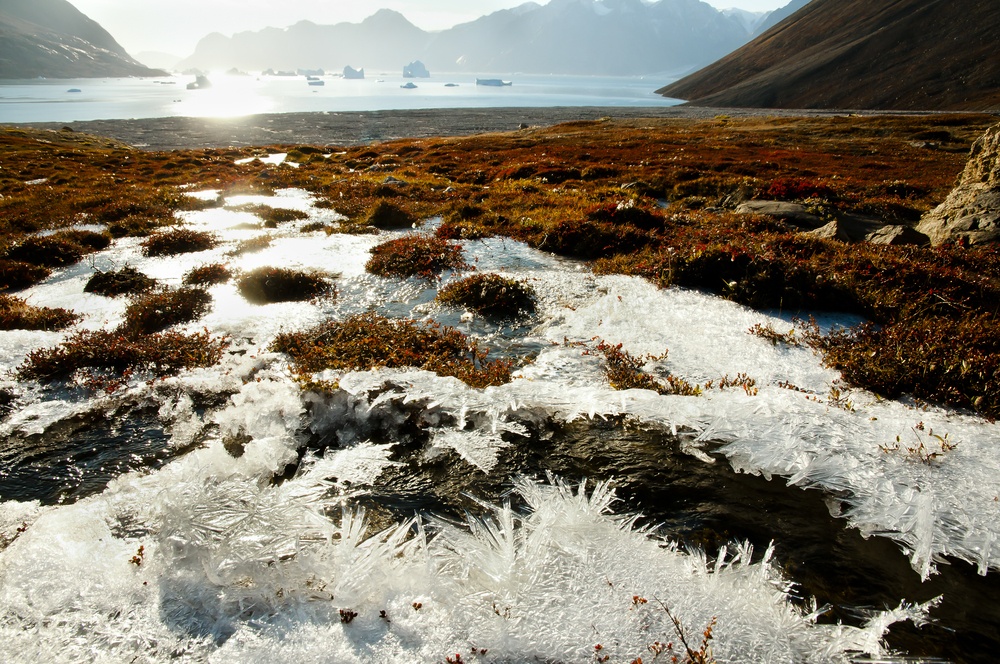
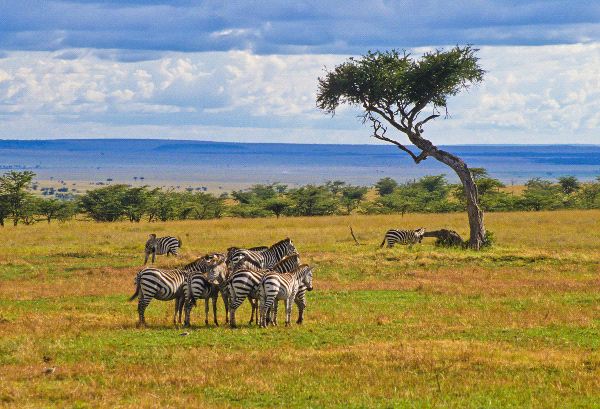
What biome?
a)
Mountains
b)
Tundra
c)
Tropical Rainforest
d)
Temperate Forest
69.
How much rain falls in the desert?
a)
10 inches
b)
more than 10 inches
c)
less than 10 inches
d)
none at all
70.
What kind of soil is found in the desert?
a)
humus
b)
sand
c)
dirt
d)
flowers
71.
The taiga
a)
a cold, treeless, desert-like biome found near the North and South Poles
b)
found mostly in Africa
c)
a forest biome dominated by coniferous trees, such as pine, fir, and spruce
d)
a dry, rocky biome found in the central part of South America.
72.
 As you travel from the North Pole toward the equator, you would expect to see
a)
tropical rain forests, then deserts, then taiga.
b)
temperate deciduous forests, then taiga, then tropical rain forests.
c)
tundra, then grasslands, then tropical rain forests.
d)
taiga, then desert, then tundra.
73.
We live in this biome....which incidentally is the only biome with 4 seasons
a)
tundra
b)
temperate deciduous forest
c)
grasslands
d)
desert
74.
We would NOT find this animal in the deciduous forest
a)
squirrel
b)
deer
c)
bear
d)
giraffe
75.
What is the average, year-to-year conditions of weather in an area?
a)
Biome
b)
Air Mass
c)
Climate
d)
Precipitation
76.
Nonliving elements in an ecosystem are called _______________. 
a)
biotic factor
b)
abiotic factor
c)
limiting factor
d)
carrying capacity 
77.
Is a deer an abiotic or biotic factor? 
a)
abiotic
b)
biotic
78.
Is a weather an abiotic or biotic factor? 
a)
abiotic
b)
biotic
79.
Is sunlight an abiotic or biotic factor? 
a)
abiotic
b)
biotic
80.
A living or once-living organisms in an ecosystem is a
a)
population
b)
biotic factor
c)
abiotic factor
d)
community
81.

all the living and non living things in an area

a)

ecosystem

b)

abiotic

c)

biotic

d)

population

82.

non living parts of an ecosystem

a)

abiotic factor

b)

biotic factor

c)

population

d)

ecology

83.

all the living parts of an ecosytem

a)

biotic factor

b)

abiotic factor

c)

ecology

d)

population

84.

all of one type of species living in an area

a)

population

b)

ecology

c)

community

d)

habitat

85.

study of how living and non living things interact in an ecosytem

a)

ecology

b)

population

c)

community

d)

habitat

86.

all the populations living in an area

a)

community

b)

population

c)

ecology

d)

biotic

87.

place an organism lives

a)

habitat

b)

niche

c)

ecology

d)

population

88.

special role that an organism has in its community

a)

niche

b)

habitat

c)

biotic

d)

abiotic

89.

consumers that feed on dead animal remains

a)

scavenger

b)

symbiosis

c)

mutualism

d)

herbivore

90.

natural relationship between 2 organisms that last over a period of time

a)

symbiosis

b)

mutualism

c)

parasitism

d)

commensalism

91.

relationship that benefits both organisms

a)

mutualism

b)

symbiosis

c)

parasitism

d)

commensalism

92.

relationship where 1 organism benefits and the other is harmed

a)

parasitism

b)

mutualism

c)

symbiosis

d)

commensalism

93.

relationship where 1 organism benefits without helping or harming the other

a)

commensalism

b)

mutualism

c)

parasitism

d)

symbiosis

94.

anything that controls growth or survival of a species

a)

limiting factor

b)

carrying capacity

c)

extinct

d)

scavenger

95.

the maximum population size that an areas resources can support

a)

carrying capacity

b)

endangered species

c)

extinct

d)

limiting factor

96.

changes in a living thing that makes organism more fit for living in it's environment

a)

adaptations

b)

biome

c)

climate

d)

humidity

97.

large regions of the world that have similar geography and climate

a)

biomes

b)

climate

c)

humidity

d)

adaptations

98.

environments average water conditions, temp/rainfall

a)

climate

b)

biomes

c)

adaptations

d)

humidity

99.

Known as Taiga, biome with evergreen trees called conifers

a)

coniferous forest

b)

decidious forest

c)

desert

d)

grasslands

100.

ecosystems who dominant plant life are trees that lose their leaves after a single growing season

a)

decidous forest

b)

coniferous forest

c)

desert

d)

grasslands

101.

land where plants, animals, people cannot get all the water they need because climate is too cold or dry

a)

desert

b)

grasslands

c)

rainforest

d)

coniferous forest

102.

flat, open area of land where most of the plants are grasses, also called savannas

a)

grasslands

b)

desert

c)

rainforest

d)

tundra

103.

amount of moisture in the air

a)

humidity

b)

climate

c)

biomes

d)

rainforest

104.

area with broad leaved evergreen trees forming a canopy. Largest anual rainfall of all biomes and greatest biodiversity

a)

tropical rainforest

b)

tundra

c)

grasslands

d)

desert

105.

biome with smallest species diversity. Has extreme colds and little precipitation

a)

tundra

b)

grasslands

c)

desert

d)

taiga

106.

Much of the water that flows in river systems is direct runoff from precipitation.

a)

True

b)

False

107.

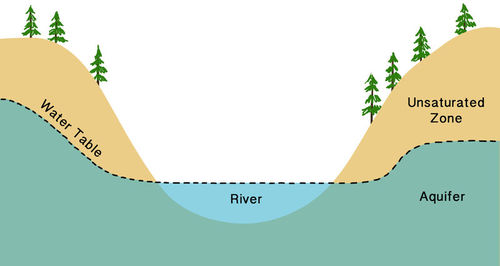
The top of an aquifer is known as:

a)

the water table.

b)

an artesian well.

c)

the hydraulic gradient.

d)

a geyser.

108.

Which of the following are wells used for? CHOOSE ALL THAT APPLY!

a)

Wells are used to determine the height of the water table.

b)

Wells are used to obtain water for crop irrigation.

c)

Wells are used to obtain water for human consumption.

d)

Wells are used to create barriers between aquifers, called aquatards.

109.

What does the quantity of groundwater that can be stored depend upon?

a)

It depends upon the porosity of the underground rock.

b)

It depends upon the pH of the groundwater.

c)

It depends upon the underground depth of the storage system.

d)

It depends upon the temperature of the underground rock.

110.

Which of the following depicts an artesian well?

a)
b)
c)
d)
111.

What is the best definition of a water table?

a)

The level to which a river rises when it floods

b)

The boundary between the land and the ocean

c)

The top of the saturated zone in an aquifer

d)

The bottom of the saturated zone in an aquifer

e)

The top of the unsaturated zone in an aquifer

112.

These containers have the same volume of beads which are representing soil particles. What is the relative porosity and permeability of each?

a)

The container on the left has the higher permeability and porosity

b)

The container on the right has the higher permeability and porosity

c)

The container on the left has the higher permeability, but they both have the same porosity

d)

The container on the right has the higher permeability, but they both have the same porosity

113.

Which surface would have the most runoff from it after a rainstorm?

a)
b)
c)
d)
114.

Which surface would be impermeable?

a)
b)
c)
d)
115.

An ecosystem becomes very sustainable if ________

a)

it can support many animals

b)

it gets very little rainfall

c)

it gets very little sunlight

116.

Pollution of groundwater can occur by ________

a)

water flowing through ground and gravel

b)

polluted rainfall

c)

polluted air

117.

The CONSUMER that gets the most energy is always the

a)

primary consumer, the first to eat

b)

secondary consumer, the 2nd to eat

118.

Why do rain forests have the greatest amount of biodiversity

a)

More species to survive a disaster

b)

High amount of genetic variety

c)

many different primary consumer for predators to eat

d)

All answers are correct

119.

How do actions of humans likely affect the groundwater in the area?

a)

Pollution from human activity percolate through the ground and get in water table

b)

they don't

c)

they make it healthier

d)

all of the above

120.

What has the most energy?

a)

flower

b)

cheeta

c)

skunk

d)

dog

121.

What can an estuary watershed do for animals?

a)

shelter and safety from predators for small organisms

b)

a dangerous area

c)

nothing

122.

Why do some fish hide in the sand in a water ecosystem?

a)

so it can hide there and catch their prey

b)

to eat the sand

c)

to find a new home

123.

If many animals in an ecosystem are nocturnal and hunt at night to avoid the heat they likely are in a __________ biome

a)

desert

b)

taiga

c)

grasslands

d)

rainforest

124.

A hollow tree stump is an example of a

a)

microhabitat

b)

macrohabitat

c)

biome

125.

The sustainability of an ecosystem increases when there would be more interactions between different

a)

species

b)

weather

c)

humans

126.

Decomposers _________ the dead leaves

a)

breakdown

b)

throwaway

c)

avoid

127.

Bacteria breaking down dead animals and add nutrients to the soil is an example of

a)

biomass decay

b)

biomes

c)

food web

d)

food chain

128.

Fertilizer can be harmful because it can decrease ________

a)

the amount of dissolved oxygen in water

b)

carbon dioxide

c)

nitrogen

129.

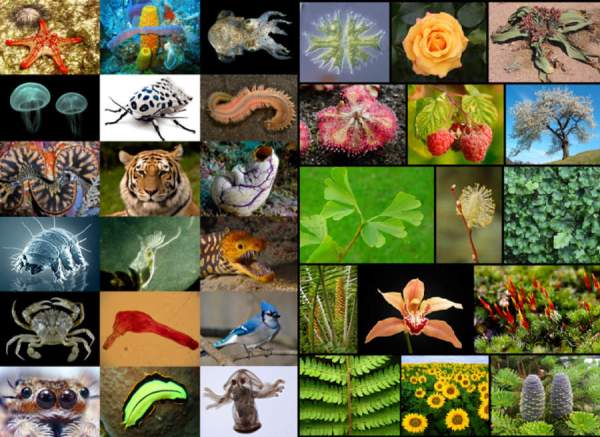
Biodiversity means many types of organisms

a)

true

b)

false

130.

pollution on the ground surface can pollute surface water when ________

a)

it rains

b)

there is a drought

c)

there is an earthquake