
 Worksheets
Properties of Matter Science TEKs 7.6(A,B,C,D,&E)
Total questions: 125
Worksheet time: 2hrs 27mins
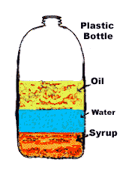


Mixtures ________ combined chemically.
ARE
ARE NOT
Density is mass divided by volume.
True
False
The majority of the periodic table is composed of...
metals
nonmetals
metalloids
halogens

This is an example of a:
Solution
Mixture
The substance that does the dissolving.
Solute
Solvent
Solution
Miscibility
The substance that is getting dissolved
Solvent
Solute
Solution
Mixture

Which box has a higher density?
Box A
Box B
Cannot be determined
They are the same
Na2CO3
Can be found on the periodic table.
Element
Compound
Mixture
Identify the number of sodium atoms in the chemical formula NaCl .
1
2
3
4
True or false: All compounds are molecules, but not all molecules are compounds.
True
False
What is a chemical formula?
A mathematical formula used to describe a substance.
An equation to determine the types of atoms in a substance.
An idea that has a lot of evidence gathered by many scientists over a long time.
A group of letters and numbers showing the types and numbers of atoms that repeat to make up a substance.
Which of the following is an example of a chemical formula:
C6H12O6
Takis ingredient list
6.02 x 10²³
Sunscreen lotion
The number to the lower right of an element symbol in a compound formula that represents the number of atoms of that element.
subscript
coefficient
element
molecule
The one or two letter representation of an element. Symbols are often derived from the Latin name of the element
atomic number
element symbol
element name
atomic mass

Crushing a Coke can
Physical
Chemical

Sodium metal is cut with a knife

Cooking an egg.
Physical
Chemical

A nail rusting

Wood burning
Physical
Chemical

Melting chocolate
Chemical change
Physical change
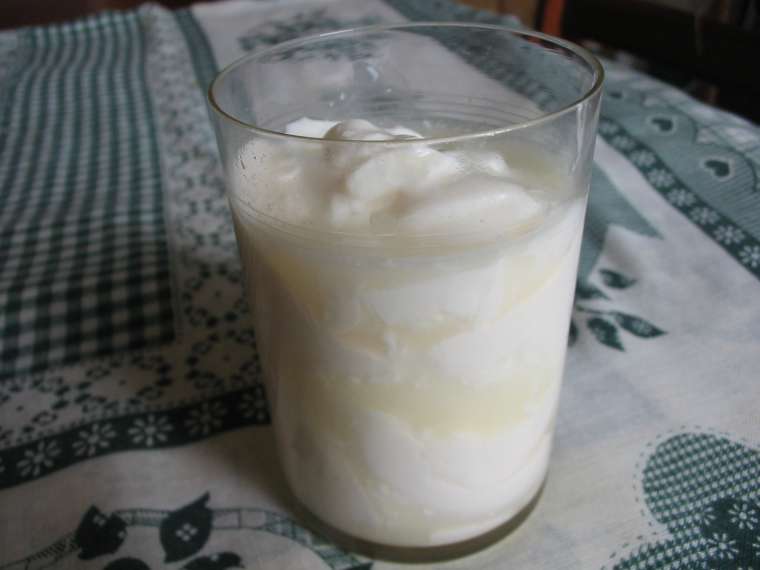
Milk curdling/souring.

Fireworks.
Physical Change
Chemical Change
What is the process called when a gas changes into a liquid?
vaporization
sublimation
condensation
evaporation
What happens to the mass during a chemical change?
The mass remains the same.
The mass fluctuates.
The mass increases.
The mass decreases.
Mixing vinegar and baking soda
Chemical
Physical
The substance that is being dissolved in a solution.
sands
solute
solvent
alloy
The substance in which a solute is dissolved.
sands
solvent
alloy
negative particles
You can make a solution more concentrated by adding more __________.
solution
If you increase the temperature of a solution, what generally happens to the rate of dissolution of a solid solute?
It decreases
It increases
It remains the same
It doubles
Anything that has volume and mass.
system
thermal energy
matter
radiation

Which of the following is not a state of matter?
Ice
Gas
Liquid
Solid

The subatomic particles that make up an atom are:
solid, liquid, gas
electrons, protons, nucleus
energy, protons, nucleus
electrons, protons, neutrons

Atoms are made up of ________________.
energy
electrons
subatomic particles
gases

How are elements on the periodic table arranged?
in alphabetical order
similar physical & chemical properties
their symbols
just similar physical properties
How many nitrogen atoms are present in the compound
KNO3?
0
1
3

In the symbol shown, what does 23 represents all of the following except?
the number of protons
the number of neutrons
the number of electrons
the atomic number

Freezing
Solid to gas
Liquid to solid
Gas to solid
A physical change...
changes the physical properties of an object but does not create a new substance.
creates a new substance and cannot be undone.
A chemical change
changes the physical properties of an object but does not create a new substance.
creates a new substance and cannot be undone.
Burning paper is an example of a
boiling point
chemical reaction
extended structure
How many H2O molecules are present?

The H represents the __ for hydrogen.
chemical formula
atomic number
element name
All atoms of an element have the same number of protons, but not necessarily the same number of _.
nucluei
neutrons
isotopes
Changing the number of neutrons within an atom doesn't change the element, but it does change the _.
charge
molecule
shape
mass

Solutions have these two parts:
solvent & solute
solids & liquids
water & salt
Used to describe a solution that has very little solute dissolved in the solvent (weak iced tea)
Concentrated
Dilute
When a solution has the perfect amount of solute dissolved in the solvent
Saturated
Unsaturated
Supersaturated
This part of the solution is present in smaller amounts and gets dissolved
solvent
solute
Solution
This part of the solution is present in larger amounts and does the dissolving
solvent
solute
Solution
What do you call a homogeneous mixture that contains a solute and solvent with particles that are dissolved?
solution
colloid
suspension
_______________ are mixtures in which its particles are too big to stay mixed without being stirred or shaken.
Solutions
Colloids
Suspensions
In a ______________, one substance is dissolved in another substance.
solution
suspension
colloid
This part of the solution is present in larger amounts and does the dissolving
solvent
solute
Solution
A snow globe would be an example of a __________________.
colloid
solution
suspension
Fruit Loops, pizza, and Skittles are examples of ____________________ mixtures.
heterogeneous
homogeneous
pure
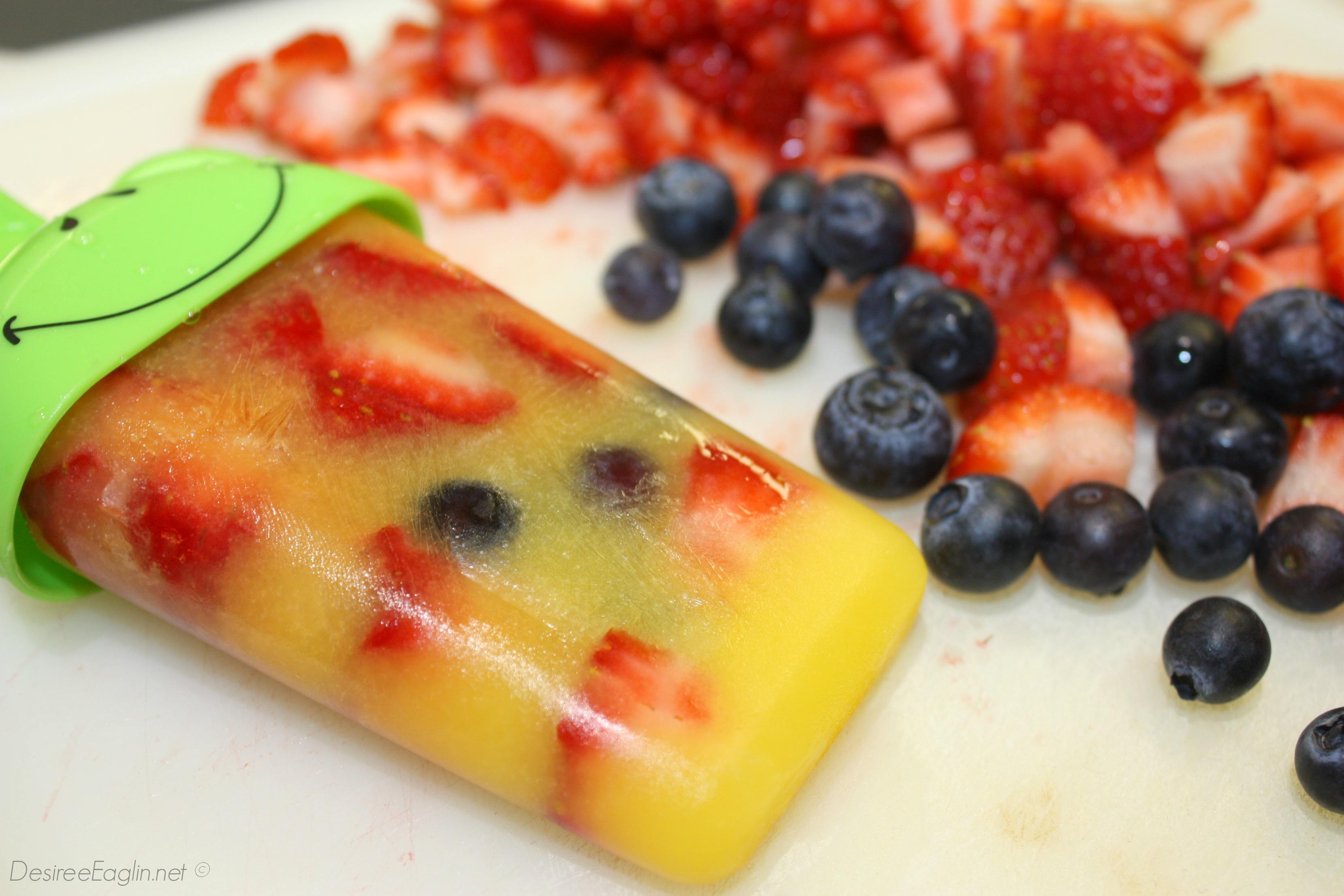


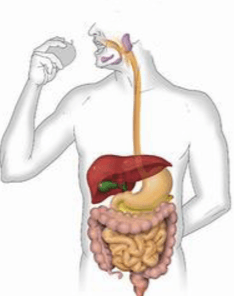
Both (Chewing: Physical, stomach acid: Chemical)
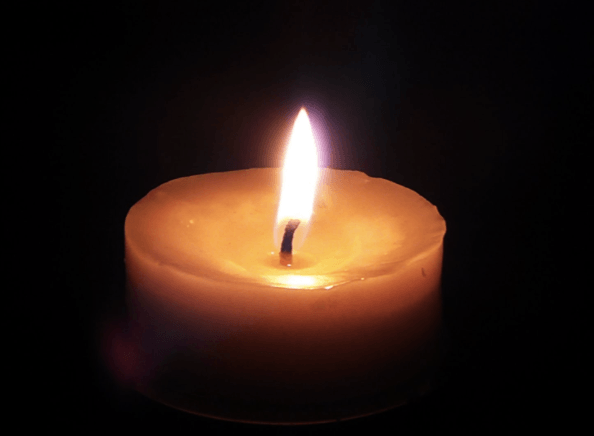

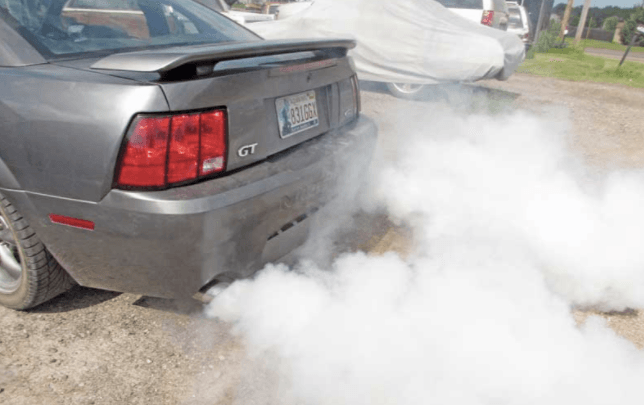


How is a chemical change different from a physical change?
there is no difference
a physical change creates a new substance
a chemical change creates a new substance
How is a chemical change different from a physical change?
there is no difference
a physical change creates a new substance
a chemical change creates a new substance
A chemical change is different than a physical change because in a chemical change
chemicals are used
molecules do not physically touch
a new substance is formed and in a physical no new substance is formed
the change can be seen but in a physical change it cannot
Which of the following 2 are chemical reactions?
sugar dissolving in water
water turning into steam
burning wood
mixing baking soda and vinegar
tearing paper
Which of the following is a common sign that a chemical change has occurred?
A chemical has turned a different color, bubbled, and/or changed temperature.
A chemical has changed to a different state of matter, such as a liquid to a solid.
A chemical has changed size.
A chemical has become a different shape.
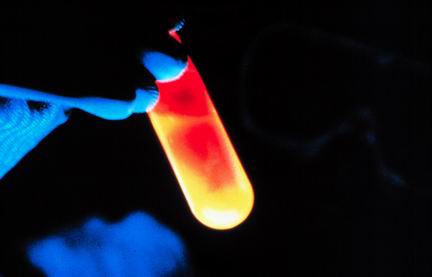
Which of the following is a characteristic of all chemical changes?
A different state of matter is produced.
Some mass is converted to energy.
Some form of light is given off.
A new material is formed.

We know these are different substances because they have different:
Sizes
Properties
Atoms
Tastes


Evidence of a chemical reaction is anything that shows -
When a solution cannot dissolve any more solute it is referred to as _.
really thick
saturated
highly concentrated
full


A measure of how much solute can be dissolved in a solvent at a given temperature
Solubility
Solution
Suspension
Saturated


