
 Worksheets
Cellular Reproduction - AP Biology
Total questions: 139
Worksheet time: 2hrs 19mins


Which of these may be assessed by various proteins during a "checkpoint"? CHECK ALL THAT APPLY
Ensure that all chromosomes have lined up in the center of the cell before sister chromatids separate
Ensure that spindle fibers have attached to all centromeres before cell division
Ensure that DNA has been replicated properly

Oncogenes
are mutated forms of tumor suppressor genes
are mutated forms of genes that code for proteins that normally assist in apoptosis
are mutated genes the inhibit the cell cycle
are mutated genes that code for proteins which activate cell division too often or at the improper time


If a body cell in a butterfly contains 24 chromosomes, a butterfly egg would contain
48
24
12

The diploid number for this cells shown is 4. Identify the phase of cell division.
Anaphase of mitosis
Anaphase I of meiosis
Anaphase II of meioisis
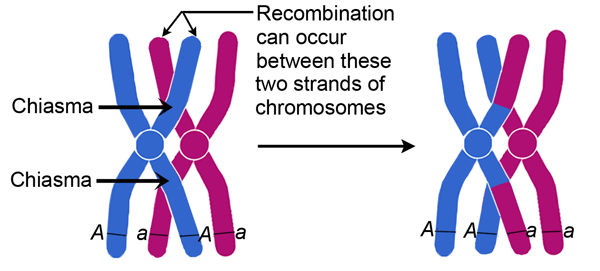
During what phase does the process shown occur?
Prophase of mitosis
Prophase I of meiosis
Prophase II of meiosis
This is a form of non-disjunction and not a normal process in cell division
The chromosomes that pair up at the beginning of meiosis, are called __________
sister chromatids
diploid pairs
homologous chromosomes

What phase is represented in the picture?
metaphase I of meiosis
metaphase II of meiosis
metaphase of mitosis

What phase is represented?
Metaphase I of meiosis
Metaphase II of meiosis
Metaphase of mitosis

What is one of the advantages of sexual reproduction over asexual reproduction?
there is less of an energy cost for the organism
a more rapid life cycle
genetic variation allows for adaptability in the population over time
genetically identical offspring means there is less chance of mutation
What happens during meiosis I (check ALL that apply!)
sister chromatids are separated
homologous chromosomes are separated
diploid daughter cells are produced
haploid daughter cells are produced
genes are rearranged
In which type of cell division does this occur:
DNA is replicated (sister chromatids form) before the process starts
mitosis
meiosis
both mitosis and meiosis
neither mitosis or meiosis
What does this process accomplish?
This process reduces the number of chromatids per chromosome
This creates new combinations of genes on a single chromosome; resulting in genetic variation
This process reduces the chromosome number (diploid to haploid)
This is a form of non-disjunction and not a normal process in cell division
In what form are the daughter cells and chromosomes just after meiosis II has finished?
haploid, tetrads (homologs w/ sister chromatids) are joined
diploid, sister chromatids have separated
haploid, sister chromatids have separated
diploid, tetrads (homologs w/ sister chromatids) are joined
What is the key difference between metaphase in Meiosis I versus metaphase in mitosis?
chromosomes line up single-file in the middle in meiosis I
chromosomes line up double-file in the middle in meiosis I
What does "random orientation (independent assortment) of homologs" refer to
how one set of homologous chromosomes is lined up compared to another set during metaphase I
the random exchange of cenetic info between pieces of homologous chromsomes
the fact that there are different alleles on the homologous pairs
the randomness of which particular sperm will fertilize an egg
Which of the following are sources of genetic diversity? (CHECK ALL THAT APPLY)
mutation
crossing over
independent assortment of homologous pairs
mitosis
formation of sister chromatids
What is one disadvantage of sexual reproduction?
Only one parent is needed
Offspring are exact copies of parents
Energy, time and a little bit of luck needed to find and fuse with another gamete
Genetic diversity in the next generation


The process on the right is:
Right: meiosis
Right: cloning
Right: meiosis
Right: mitosis
When homologous chromosomes cross over, what occurs?
Specific proteins break the two strands of nonsister chromatids and re-join them.
Two chromatids get tangled, resulting in one re-sequencing its DNA.
Two sister chromatids exchange identical pieces of DNA.
Maternal alleles are "corrected" to be like paternal alleles, and vice versa.
Two sister chromatids are joined at the centromere prior to meiosis. Which statement is correct?
Barring mutation, the two sister chromatids must be identical.
The cell that contains these sister chromatids must be haploid.
The cell that contains these sister chromatids must be haploid.
They have to be the chromatids of identical ttriplets or quadruplets.
Which is the smallest unit containing the entire human genome?
one human gene
one human chromosome
one human somatic cell
one human chromosome
A human cell containing 22 autosomes and a one X chromosome is
an egg
a sperm
a zygote
a female somatic cell
If a horticulturist breeding gardenias succeeds in having a single plant with a particularly desirable set of traits, which of the following would be her most probable and efficient route to establishing a line of such plants?
Clone the plant asexually to produce an identical one.
Backtrack through her previous experiments to obtain another plant with the same traits.
Force the plant to self-pollinate to obtain an identical one.
Add nitrogen to the soil of the offspring of this plant so the desired traits continue.
Homologous chromosomes move toward opposite poles of a dividing cell during
meiosis I.
mitosis.
meiosis II.
binary fission
Whether during mitosis or meiosis, sister chromatids are held together by proteins referred to as cohesins. Such molecules must have which of the following properties?
They must be removed before meiosis can begin.
They must persist throughout the cell cycle.
They must be intact for nuclear envelope re-formation.
They must be removed before sister chromatids or homologous chromosomes can separate.
Independent assortment of chromosomes is a result of
the random and independent way in which each pair of homologous chromosomes lines up at the metaphase plate during meiosis I.
the random distribution of the sister chromatids to the two daughter cells during anaphase II.
the relatively small degree of homology shared by the X and Y chromosomes.
How are sister chromatids and homologous chromosomes different from each other?
Homologous chromosomes contain the same gene loci but may have different alleles of a particular gene. Sister chromatids are identical copies of each other produced during DNA replication.
They are not different. Homologous chromosomes and sister chromatids are both identical copies of each other.
Homologous chromosomes are closely associated with each other in both mitosis and meiosis. Sister chromatids are only associated with each other during mitosis.

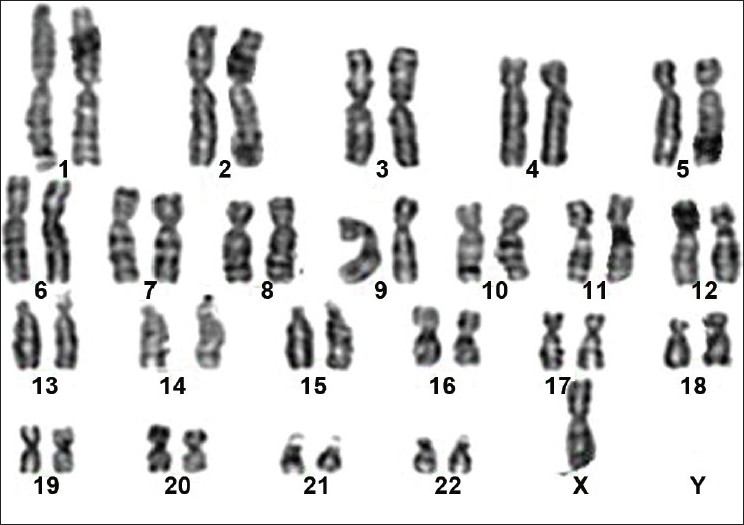
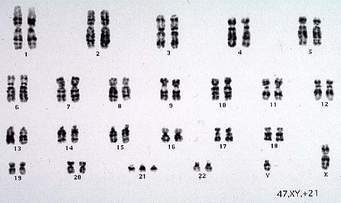
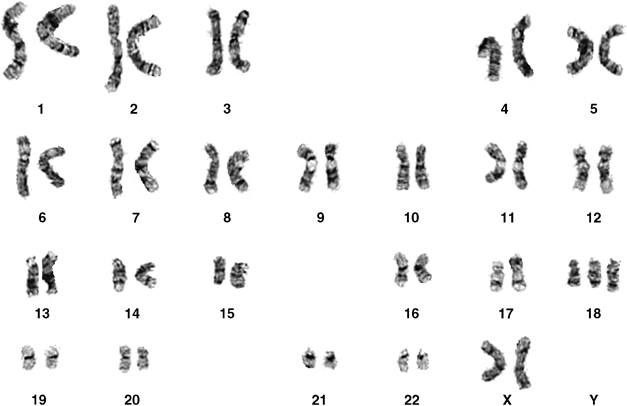
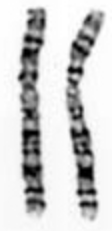

What would you call the failure of one or more pairs of homologous chromosomes or sister chromatids to separate normally during meiosis?
nondisjunction
anaphase I
nondiploidy
karyotype
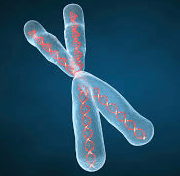
Each identical side of a chromosome is a sister chromatid
centromere
chromatin
centriole
chromatid


Nondisjunction can cause which of the following? (select all that apply)
polyploidy
monosomy
trisomy
aneuploidy
The 23rd set of chromosomes are known as
Gametes
Autobots
Sex Chromosomes
Autosomes

