
 Worksheets
Cardiovascular & Respiratory Systems
Total questions: 72
Worksheet time: 53mins
What is the chamber of the heart that pumps deoxygenated blood t the lungs via the pulmonary artery
Right atrium
Left ventricle
Left atrium
Right ventricle


The smallest blood vessels of the body where gas and nutrient exchange takes place are called
capillaries
veins
arteries
arterioles and venules
Which of the following types of blood vessels have well developed smooth muscle layer?
arteries
veins
capillariess
Which of the following types of blood vessels have valves?
arteries
veins
capillaries
The innermost layer of the heart is the
epicardium
myocardium
endocardium
The outermost layer of the heart is
epicardium
myocardium
endocardium
The middle, muscular layer of the heart responsible for the pumping action of the heart is
epicardium
myocardium
endocardium
The top two smaller chambers of the heart are called
atria
ventricles
topicals
bottomicals
The bottom two larger chambers of the heart are called
atria
ventricles
topicals
bottomicals
The large veins that drains deoxygenated blood from the head, neck, shoulders and arms into the right atrium is called
inferior vena cava
aorta
superior vena cava
pulmonary veins
aorta
The large vein that drains deoxygenated blood from the torso and legs into the right atrium is called
inferior vena cava
pulmonary artery
superior vena cava
pulmonary veins
aorta
The blood vessel that takes deoxygenated blood from the right ventricle to the lungs is called
inferior vena cava
pulmonary artery
superior vena cava
pulmonary veins
aorta
The four veins that bring oxygenated blood from the lungs into the left atrium are called
superior vena cava
pulmonary artery
inferior vena cava
pulmonary veins
aorta
The largest artery of the human body that takes oxygenated blood from the left ventricle to all organ systems is called
inferior vena cava
pulmonary veins
superior vena cava
pulmonary artery
aorta
Which of the following valves is located between the right atrium and the right ventricle
aortic
pulmonic
tricuspid
bicuspid (mitral)
Which of the following valves is located between the left atrium and the left ventrcile
aortic
bicuspid (mitral)
pulmonic
tricuspid
Which of the following valves is located between the right ventricle and the pulmonary artery?
aortic
tricuspid
bicuspid (mitra)
pulmonic
Which of the following valves is located between the left ventricle and the aorta
pulmonic
tricuspid
aortic
bicuspid (mitral)
What is the main function of the heart?
To prevent blood from moving in the wrong direction
To regulate body temperature
To pump blood throughout the body
To replace oxygen with carbon dioxide
What is the largest vein in the body?
Septum
Aorta
Capillaries
Vena cava
What is the condition of keeping the body stable?
Homeopathy
Balance
Homeostasis
Physiology
Why does the blood turn dark red as it circulates through the body?
Because the heart is pumping blood to the brain
Because Oxygen is replaced with Carbon Dioxide
Because there are no platelets
Because Carbon Monoxide is replaced with Oxygen
What is the main function of valves in the circulatory system?
To pump blood throughout the body
To prevent blood from moving in the wrong direction
To prevent platelets from clotting the blood
To keep the body stable
Which is NOT a part of the cardiovascular system?
Capillaries
Heart
Arteries
Ligaments
Which can ONLY have blood cells travel single file in them?
Capillaries
Arteries
Septum
Veins

#2
Septum
Right ventricle
Left ventricle
Right Atrium

#9
Right Atrium
Right ventricle
Left atrium
Left ventricle

#5
Pulmonary Valve
Aorta
Superior Vena Cava
Mitral Valve

#7
Left atrium
Right ventricle
Right atrium
Aorta

#3
Right ventricle
Right atrium
Septum
Mitral valve

#4
Aorta
Pulmonary artery
Inferior vena cava
Superior vena cava
Your lungs are ___________ air
My lungs are __________________ air.
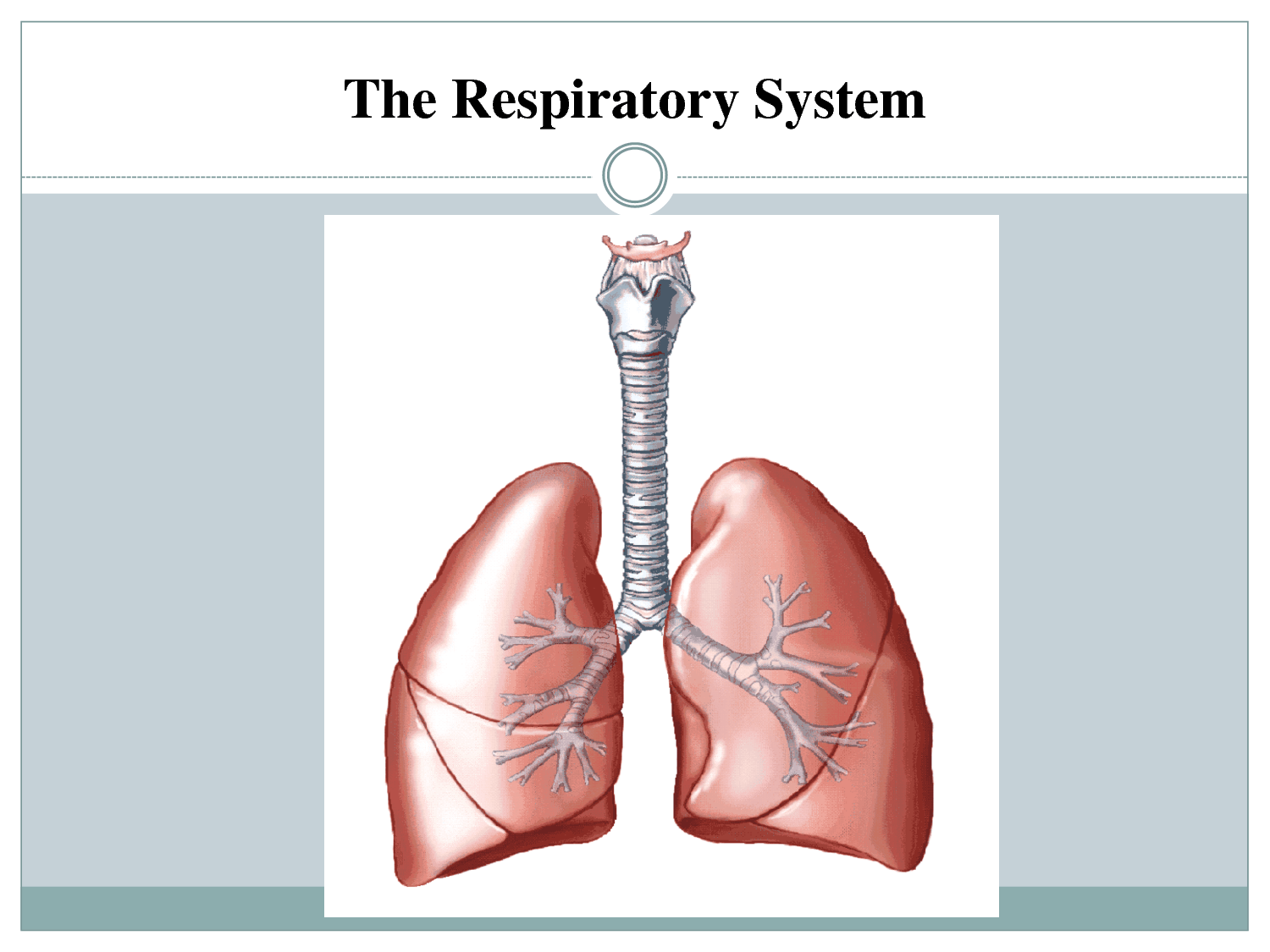
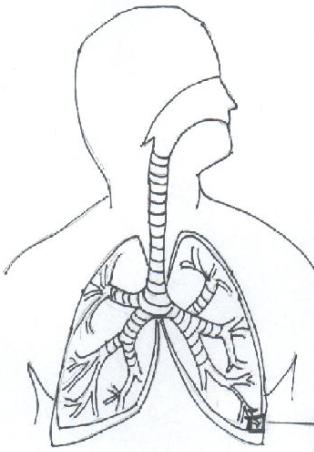
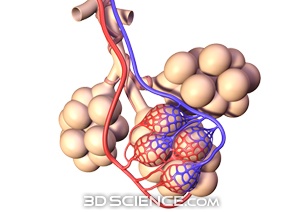

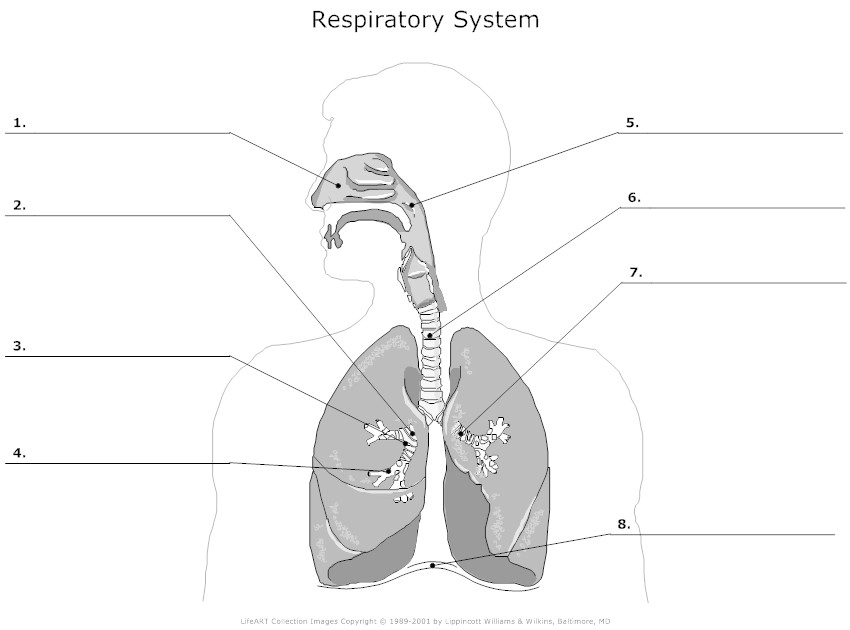
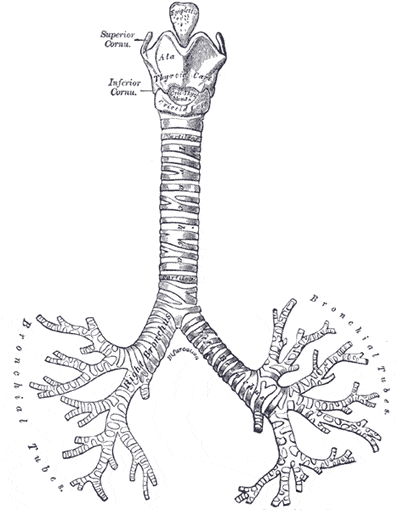
The right lung has three lobes, but the left lung has only two.
True
False
More people in the US die from lung cancer than any other form of cancer.
true
False
How is fresh oxygen delivered to cells throughout the body?
by gland secretion
by hormone regulation
through nerve stimulation
by the blood
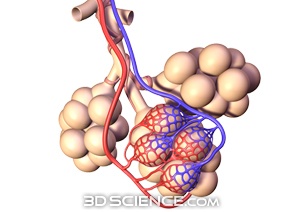
air sacs in the lungs from which gas is exchanged with the capillaries,
alveoli
tonsils
midbrain
pleural sac
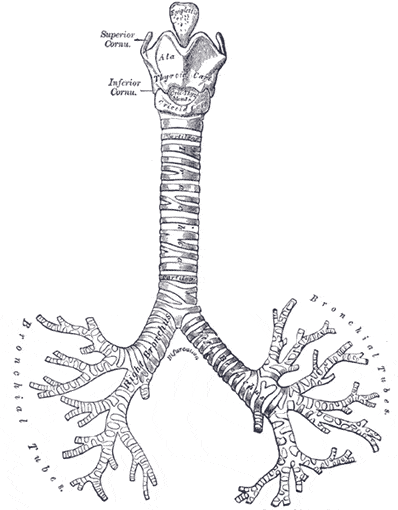
Tube with cartilage, mucus and cilia
larynx
bronchioles
trachea
pharynx
Structure to which vocal chords are attached
larynx
alveoli
bronchi
pharynx
Clusters of thin-walled air sacs
alveoli
bronchi
pharynx
diaphragm
The exchange of oxygen and carbon dioxide occurs in the lungs between the alveoli and
arteries
trachea
veins
capillaries
How many times does the human heart beat in a lifetime?
2.5 billion
2 million
8 billion
6 million
Where would you find the jugular vein?
neck
arm
leg
abdomen
What supplies blood to the heart tissue?
coronary artery
aorta
femoral artery
carotid artery
How many liters of blood are pumped through the body daily?
4,000
7,000
10,000
800
What is the purpose of the sinuses?
the help humans breathe better
to lighten the skull
mucus storage
no purpose
What causes respiration?
differences in air pressure inside & outside the body
lack of oxygen
too much carbon dioxide
All the blood vessels in the body EXCEPT the pulmonary vein & pulmonary artery make up what circuit?
respiratory circuit
systemic circuit
pulmonary circuit
blood circuit

