
 Worksheets
Science Competition KS3
Total questions: 65
Worksheet time: 44mins
Name
Class
Date
1.
Heat transfer always goes from-
a)
Cold to Hot
b)
Hot to Cold
c)
Heat doesn't transfer
d)
Freezing to Cold
2.
Hot coffee is stirred with a spoon; the spoon gets hot due to
a)
conduction
b)
convection
c)
radiation
3.
A chair is several feet from a fireplace. The side of the chair facing the fireplace gets warm due to
a)
conduction
b)
convection
c)
radiation
4.
"Lava lamps" contain colored liquids. These liquids form globs that rise to the top due to
a)
conduction
b)
convection
c)
radiation
5.
When placed in direct sunlight, which object will absorb the most radiation?
a)
A black sweater
b)
A white sweater
c)
A snowball
d)
Aluminum foil
6.
In how many ways does heat move around the universe?
a)
One
b)
Three
c)
Two
d)
Ten
7.
Molecules in cold things move more _________
than in hot things.
than in hot things.
a)
quickly
b)
slowly
c)
happily
d)
merrily
8.
The transfer of heat by currents through liquids of gases is called
a)
Perspiration
b)
Radiation
c)
Conduction
d)
Convection
9.

In this experiment, the WARM red dye and the COLD blue dye was placed in the water at the same time. The warm red dye rose to the top while the cold blue dye sank to the bottom.
a)
conduction
b)
convection
c)
radiation
10.
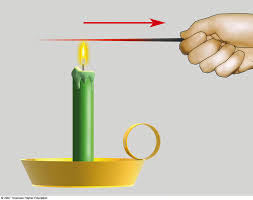
The candle will slowly heat the metal and transfer the heat directly to the mans hand.
a)
conduction
b)
convection
c)
radiation
11.
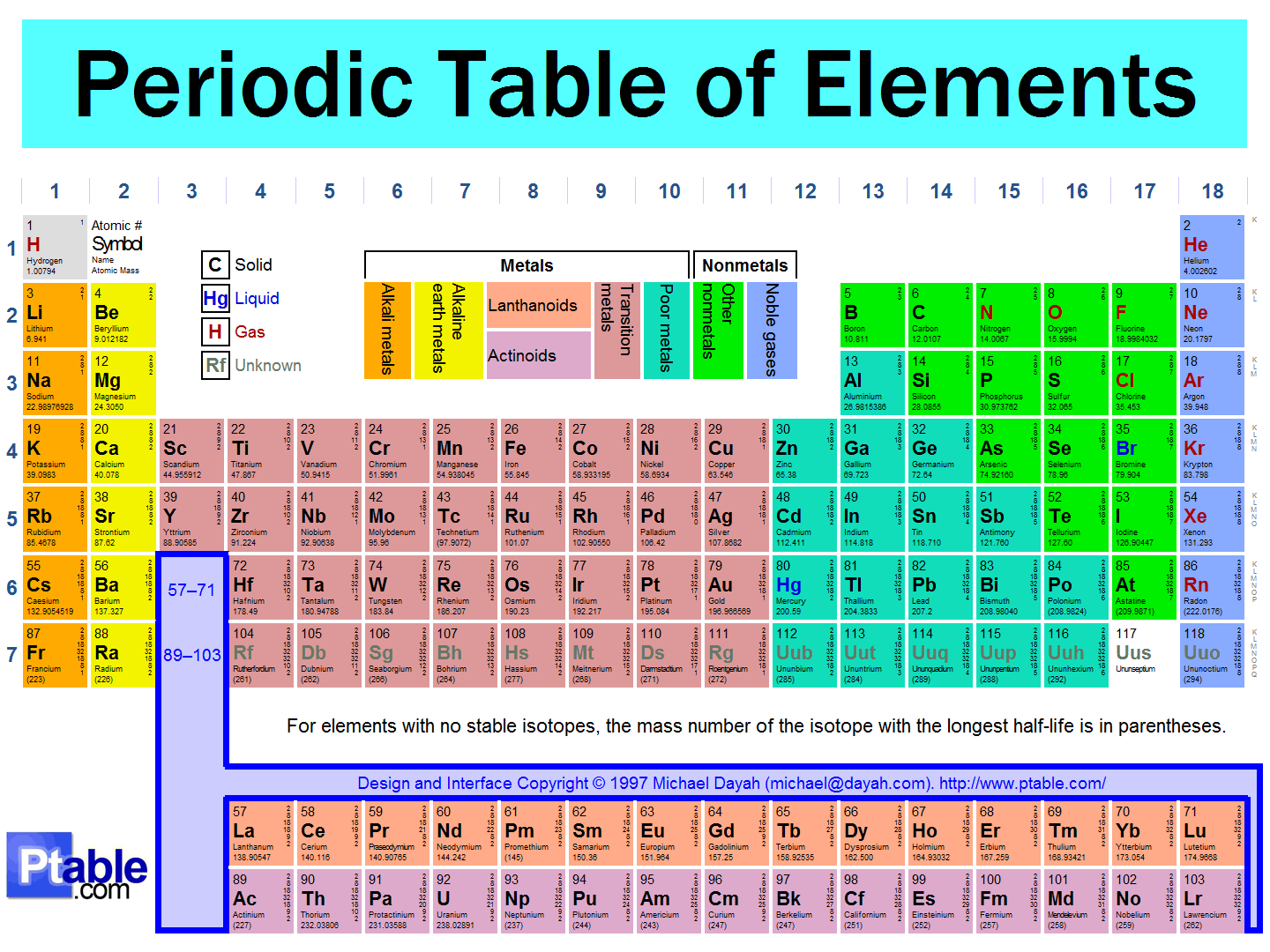
The horizontal row on the periodic table is called a
a)
group
b)
family
c)
period
d)
atomic number
12.
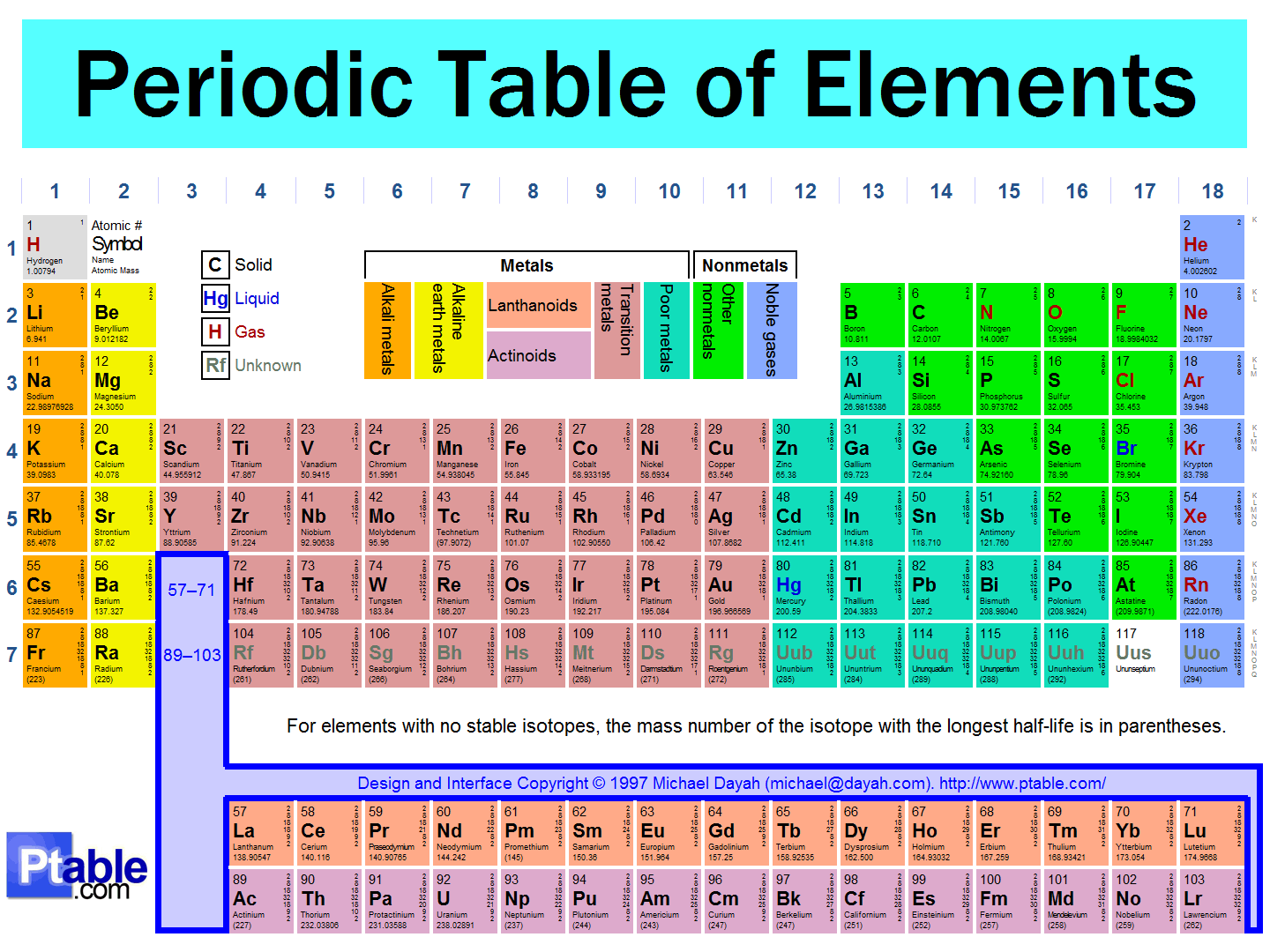
A vertical column is called...
a)
group
b)
tower
c)
period
d)
crew
13.
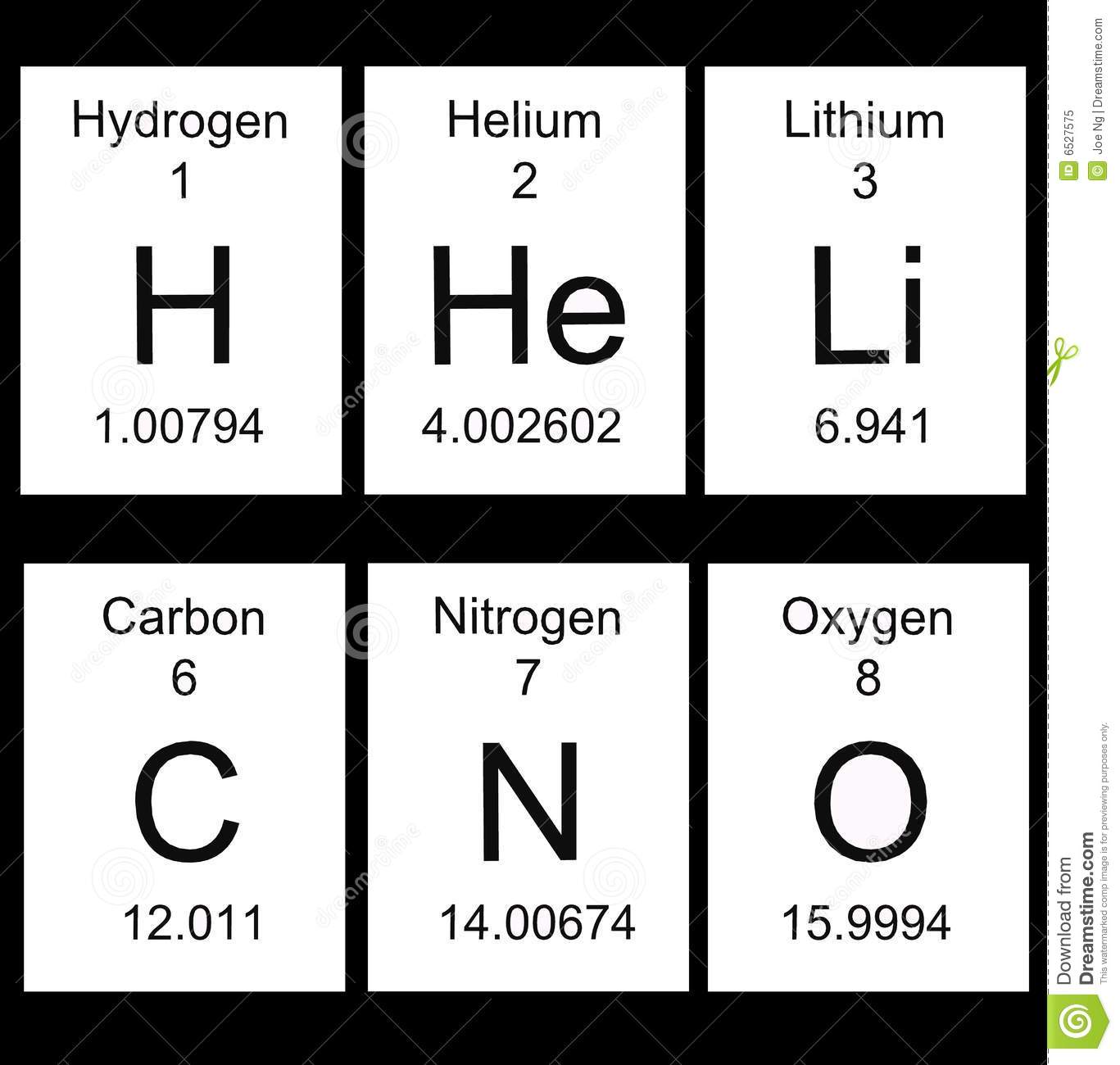
The number at the bottom of each square on the periodic table is the ...
a)
atomic number
b)
atomic mass
c)
chemical symbol
d)
element name
14.
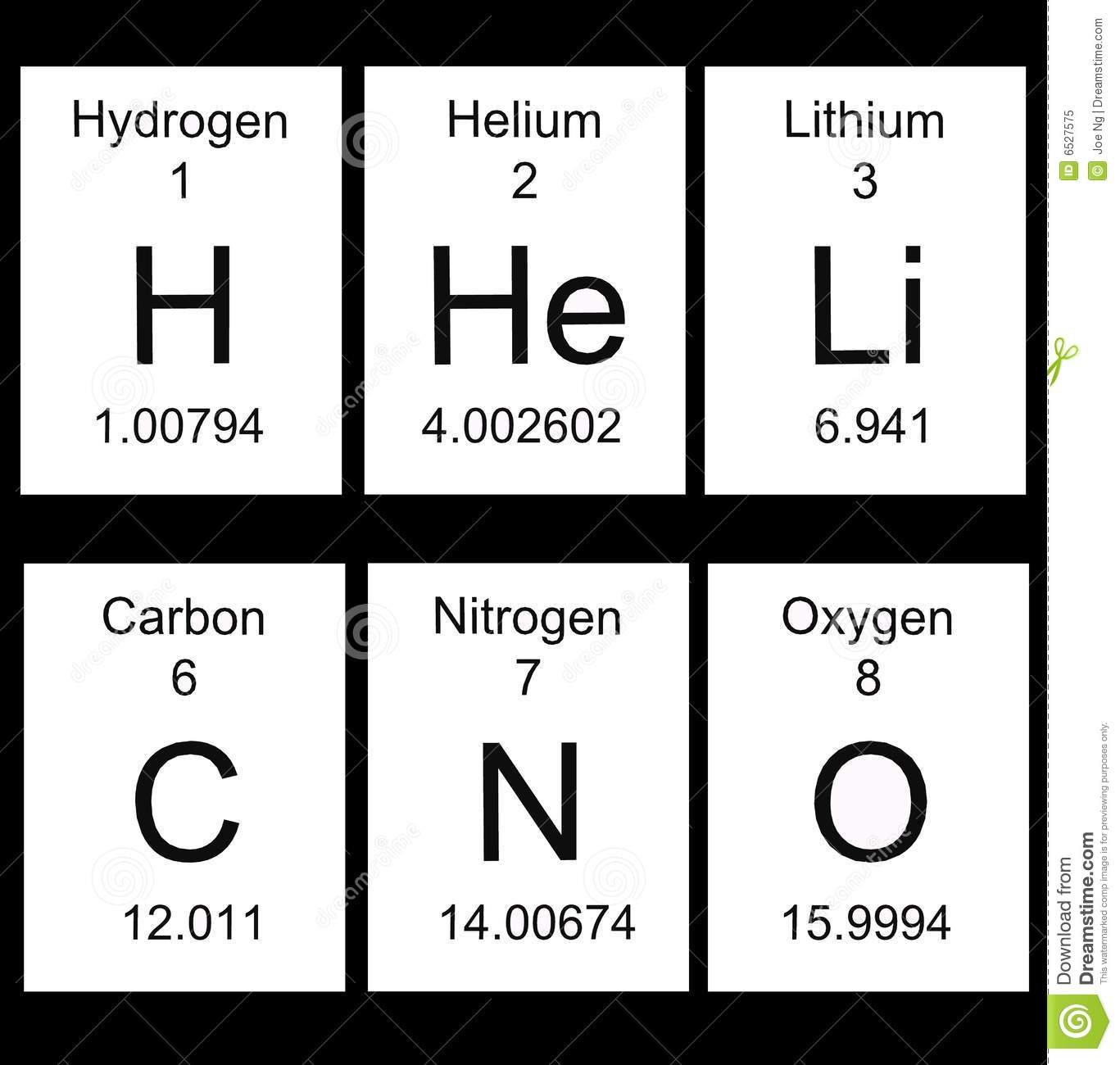
The number at the top of each square on the periodic table is the ...
a)
atomic number
b)
atomic mass
c)
Chemical Symbol
d)
Element Name
15.
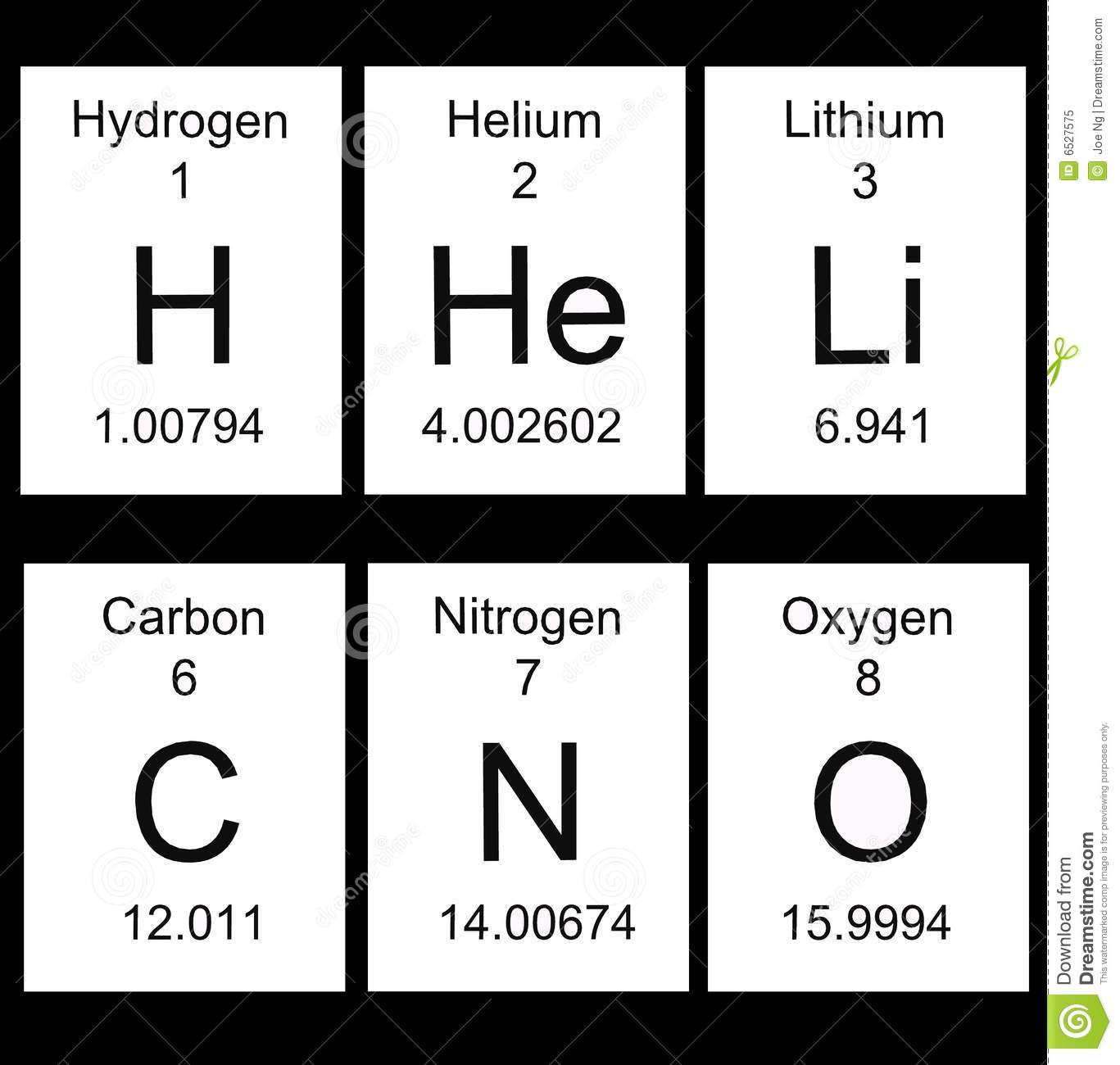
What is the chemical symbol for Lithium?
a)
H
b)
He
c)
Li
d)
N
16.

What group of elements don't have individual names?
a)
Alkaline-earth Metals
b)
Transition Metals
c)
Alkali Metals
d)
Halogens
17.

Most of the elements on the periodic table are classified as _____.
a)
Metals
b)
Nonmetals
c)
Metalloids
d)
Periods
18.
A ___________ is an arrangement of elements in columns
a)
columns
b)
rows
c)
periodic table
d)
electron shell
19.
The atomic number tells you what?
a)
number of electrons
b)
number of protons
c)
number of neutrons
d)
both electrons and protons in an atom.
20.
Which is an alkali metal?
a)
Magnesium
b)
Iron
c)
Sodium
d)
Europium
21.

Number 4 is pointing to the....
a)
Anus
b)
Rectum
c)
Large Intestine
d)
Small intestine
22.

Number 5 is pointing to the...
a)
Liver
b)
Gallbladder
c)
Pancreas
d)
Stomach
23.

Number 3 is pointing to the...
a)
Small intestine
b)
Rectum
c)
Large intestine
d)
Stomach
24.

Number 2 is pointing to the...
a)
Esophagus
b)
Stomach
c)
Small intestine
d)
Anus
25.

As waste moves through the digestive system, the ______ absorbs water before storing waste in the rectum.
a)
Small intestine
b)
Stomach
c)
Esophagus
d)
Large intestine
26.
Which is NOT a function of the Digestive System?
a)
To rid the body of solid waste
b)
Absorb nutrients for energy & growth
c)
Break down nutrients from food
d)
Pump blood around the body
27.
Enzymes (chemicals) in your saliva help break down food while chewing. This is...
a)
Mechanical digestion
b)
Chemical digestion
28.

The chewing and grinding of food into smaller pieces is an example of...
a)
Mechanical Digestion
b)
Chemical Digestion
29.
What is NOT a major nutrient?
a)
Water
b)
Sugars
c)
Proteins
d)
Carbohydrates
30.
Energy from food is measured in...
a)
Calories
b)
Protons
c)
Water
d)
Carbohydrates
31.
Which of the following is the smallest unit of life that can carry out all life functions?
a)
the mitochondria
b)
the vacuoles
c)
the nucleus
d)
the cell
32.
Which structures are found in every living cell?
a)
cell membrane and cytoplasm
b)
chloroplasts and mitochondria
c)
a cell wall and nucleus
d)
chloroplasts and cell wall
33.
Which cell structure is found in plant and animals cells and controls what can come into or leave a cell?
a)
cell membrane
b)
cytoplasm
c)
nucleus
d)
vacuole
34.
What is the function of the cell nucleus found in both plant and animal cells?
a)
to produce energy
b)
to control cell activity
c)
to remove waste products
d)
to allow molecules to enter the cell
35.
Chloroplasts in plant cells allow the plant to perform a function that animal cells cannot do. What is the main function of the chloroplasts found in plant cells?
a)
to absorb light energy and manufacture food
b)
to remove waste materials by active transport
c)
to manufacture chemical energy from food
d)
to control the shape of the cell
36.

What tool do you use to view the cells?
a)
metric ruler
b)
centrifuge
c)
microscope
d)
telescope
37.
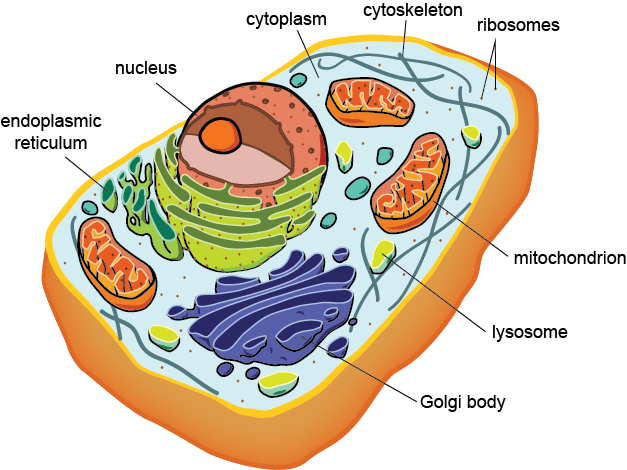
Which of the following statements is not part of the cell theory?
a)
Cells are the basic unit of structure and function in all living things.
b)
All cells are produced from other cells.
c)
Only animal cells are composed of cells.
d)
All living things are composed of cells.
38.
How are unicellular organisms different from multicellular organisms?
a)
There are no differences.
b)
They are made of many cells.
c)
They are only classified as prokaryotes.
d)
They are made of only one cell.
39.
What is one basic function of the vacuoles?
a)
circulating oxygen
b)
producing food
c)
controlling cell processes
d)
storing water
40.
What is the function of a cell wall?
a)
to protect and support the cell
b)
to perform different functions in each cell
c)
to prevent water from passing through it
d)
to prevent oxygen from entering the cell
41.

What is the net force?
a)
40 N left
b)
0 N Balalnced
c)
400 N right
d)
40 N right
42.

How will this object move?
a)
It won't move.
b)
It will move to the right.
c)
It will move to the left.
d)
It will move in both directions.
43.
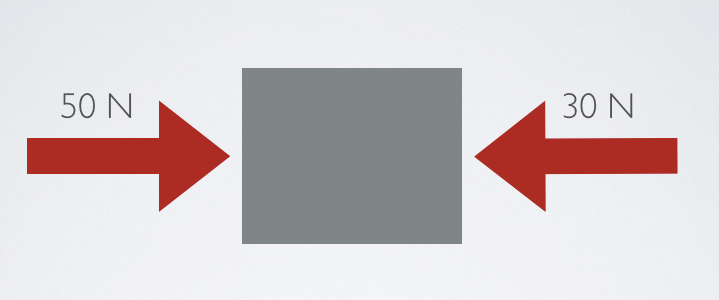
How will this object move?
a)
It won't move.
b)
It will move to the right.
c)
It will move to the left.
d)
It will move up.
44.

What is the net force?
a)
30 N left
b)
25 N right
c)
5 N left
d)
55 N right
45.

What is the net force?
a)
400 N Up
b)
400 N Down
c)
- 400 N Down
d)
800 N Down
46.
A _____ is a pull or a push.
a)
force
b)
friction
c)
gravity
d)
speed
47.
Why is there less friction between two ice cubes touching than between sandpaper on wood?
a)
They have rough surfaces.
b)
They have loud surfaces.
c)
They have smooth surfaces.
d)
They have bright surfaces.
48.

Why do air planes and race cars have sleek shapes?
a)
to reduce friction from air resistance
b)
to increase air resistance
c)
to look more appealing than cats
d)
so people will buy them
49.

What type of force?
a)
Magnetic
b)
Gravitational
c)
Applied
d)
Normal
50.

What type of force is holding this balloon to the wall?
a)
Applied
b)
Gravitational
c)
Magnetic
d)
Electrical
51.
Which of the following substances contain acid?
a)
An orange
b)
Bleach
c)
Distilled water
d)
Washing powder
52.
Which of the following substances contain an alkali?
a)
Baking powder
b)
Coca cola
c)
Distilled water
d)
Vinegar
53.
Which of the following pH numbers indicates a neutral substance?
a)
1
b)
5
c)
7
d)
14
54.
Which of the following pH numbers indicates a strong acid?
a)
1
b)
5
c)
7
d)
14
55.
Which of the following pH numbers indicate a strong alkali?
a)
1
b)
5
c)
7
d)
14
56.

What is the hazard shown in this hazard sign?
a)
Fireworks
b)
Broken Glass
c)
Explosive
d)
Corrosive
57.

What is the hazard shown in this hazard sign?
a)
Fire
b)
Goku
c)
Flammable
d)
Inflammable
58.

What is the hazard shown in this hazard sign?
a)
Explosive
b)
Corrosive
c)
Irritant
d)
High level Irritant
59.
What colour is pH neutral?
a)
Yellow
b)
Orange
c)
Red
d)
Green
60.
What is the chemical symbol for Hydrochloric acid?
a)
HCA
b)
HA
c)
HC1
d)
HCI
61.
Which is the largest object in our solar system?
a)
Sun
b)
Jupiter
c)
Earth
d)
Pluto
62.

The __________ has planets, moons, comets, and asteroids.
a)
solar system
b)
earth
c)
rotation
d)
United States
63.
One of the main differences between the outer and inner planets is __________.
a)
The inner planets all have water
b)
the inner planets are much bigger than the outer planets
c)
the outer planets are gas planets
d)
the outer planets have rings, and the inner planets don't
64.
WHICH IS THE DENSEST PLANET?
a)
Earth
b)
Mars
c)
Jupiter
65.
Which is the hottest planet?
a)
Mercury
b)
Venus
c)
Mars
100 %

