Worksheets
In Preparation for Q3 Exam
Total questions: 63
Worksheet time: 1hrs 16mins

Plant and animal cells differ in that
animal cells have ribosomes and plant cells do not
animal cells have a cell wall and plant cells do not
animal cells have only mitochondria and plant cells have both mitochondria and chloroplast
animal cells do not have a nucleus and plant cells have a nucleus

Dr. Urbina is walking through the woods and finds an extraordinary mushroom, what characteristics would he look for to justify classifying this organism into the kindgom Fungi?
Multicellularity; photosynthesis; autotrophic
Multicellularity; eukaryotic; heterophic
Unicellularity; Prokaryotic; autotrophic
Unicellularity; eukaryotic; autotrophic

Candace made a diagram to help her study for her exam on the kingdoms of life.
Based on the diagram, one main difference between bacteria and all other kingdoms of life is that bacteria are all _________.
multicellular
prokaryotic
eukaryotic
heterotrophic

Candace made a diagram to help her study for her exam on the kingdoms of life.
Based on this diagram that Candace created, the four eukaryotic kingdoms of life can be subdivided into two major categories based on:
the absence or presence of a cell wall
the absence or presence of a nucleus
the absence or presence of ribosomes
the absence or presence of a cell membrane

Keira made a chart listing the differences between eubacteria and archaebacteria.
Based on the chart, what is a difference between eubacteria and archaebacteria?
archaebacteria don't have a nucleus, but eubacteria do
archaebacteria live in extreme environments, but eubacteria do not
archaebacteria are heterotrophic, but eubacteria are not
archaebacteria have a cell wall, but eubacteria do not


A method of classification of organisms according to the characteristics that they have in common, and the extent to which they are related to each other, is known as
taxonomy
binomial nomenclature
domains
cladistics

What is the purpose of A and B in the Diagram
asexual reproduction
protection
sexual reproduction
transpiration

A diagram of a flower is included here. Which of the following letters corresponds to the male reproductive organs of a plant?
A
B
C
D

According to the diagram above, what is the female reproductive structure (labelled D) of a flower called?
petal or stamen
carpel or pistil
sepal or stamen
stamen or anther

Figure 22-1
Which structure shown in Figure 22-1 is not found in animal cells?
A
C
D
F

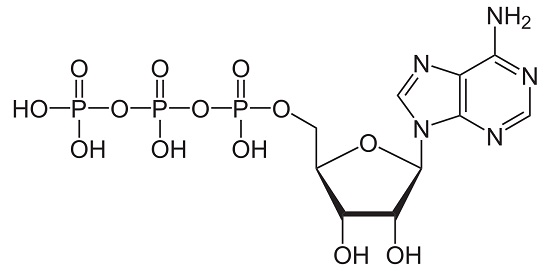
Which is the biological importance of the molecule adenosine triphosphate (ATP)?
creates glucose from light
makes biological proteins
provides chemical energy
repairs cell membranes

Which identifies the relationship between photosynthesis and cellular respiration?
Both processes generate energy for cell use.
Both processes release energy for cell use.
The products of one process are used as reactants by the other process
The reactants of one process are also the reactants of the other process

What happens during photosynthesis?
Heterotrophs consume ATP.
Heterotrophs produce ATP
Autotrophs consume carbohydrates.
Autotrophs produce carbohydrates

Cellular respiration is called an aerobic process because it requires
light
exercise
oxygen
glucose

Terrestrial plants have stomata on the surface of their leaves. A single stomata is surrounded by two guard cells that change shape in response to environmental factors and open or close the stoma. Which of the following best explains how the structure of the leaf is used in processes that occur in plants?
Water enters the plant through the surface of the leaf for transpiration
Gases for photosynthesis are exchanged through the surface of the leaf
Energy for cellular reproduction is absorbed through the surface of the leaf
Carbon dioxide enters the plant through the surface of the leaf for cellular reproduction

If the xylem in a young tree is damaged, which process is first affected?
performing photosynthesis
transporting sugar to the roots
transporting water to the leaves
absorbing water from the soil

A plant species lives in an area with limited sunlight. Which physiological adaptation would be most useful to the plant?
colorful flowers
large leaves
deep roots
thin cuticle

What is the main function of leaves?
Leaves provide support for growth and a place to store food
Leaves provide a place for photosynthesis to occur.
Leaves absorb water and minerals and transport nutrients to the stem
Leaves create a barrier that prevents water in the plant's tissues from evaporating

Which structure in the leaf controls the opening and closing of the stoma?
cuticle
epidermis
guard cell
spongy mesophyll

Which statement describes the role of flowers in plant survival?
Flowers can absorb carbon dioxide for sugar production.
Flowers produce oxygen through cellular respiration
Flowers contain cells that carry out photosynthesis
Flowers contain cells that produce gametes

Which of the following best explains how the structure of the leaf is used in processes that occur in plants?
Water enters the plant through the surface of the leaf for transpiration
Gases for photosynthesis are exchanged through the surface of the leaf
Energy for cellular reproduction is absorbed through the surface of the leaf
Carbon dioxide enters the plant through the surface of the leaf for cellular reproduction
If the xylem in a young tree is damaged, which process is first affected?
performing photosynthesis
transporting sugar to the roots
transporting water to the leaves
absorbing water from the soil


What are the products of photosynthesis?
water and carbon dioxide
oxygen and glucose
oxygen and carbon dioxide
oxygen and water

Which of the following is the correct equation for PHOTOSYNTHESIS?
6CO2 + 6H2O --> 6O2 + C6H12O6
6CO2 + C6H12O6 + 6H2O --> O2
6O2 + 6H2O --> 6CO2 + C6H12O6
C6H12O6+ 6O2 ---> 6H2O + 6CO2


How are protists different than bacteria?
Protists are eukaryotic and bacteria are prokaryotic
Protists are prokaryotic and bacteria are eukaryotic
There is no difference; protists and bacteria are the same thing
Protists are always unicellular and bacteria are always multicellular

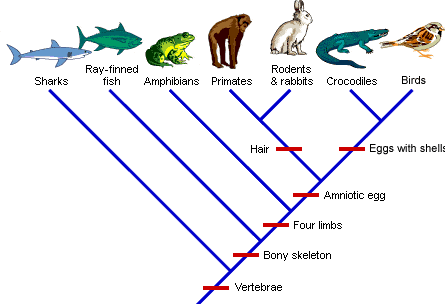
According to this cladogram, primates share a common ancestor with
amphibians
rodents and rabbits
crocodiles
birds
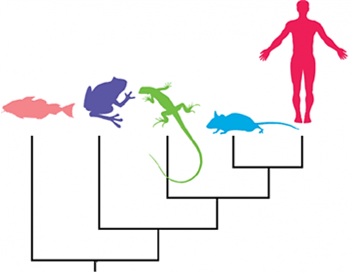
According to this phylogenetic tree, which creature is the least related out of all pictured?
Fish
Frog
Salamander
Human

Which of these animals does not have/produce an amniotic egg?
Turtle
Leopard
Lamprey
All three of these animals produce the amniotic egg

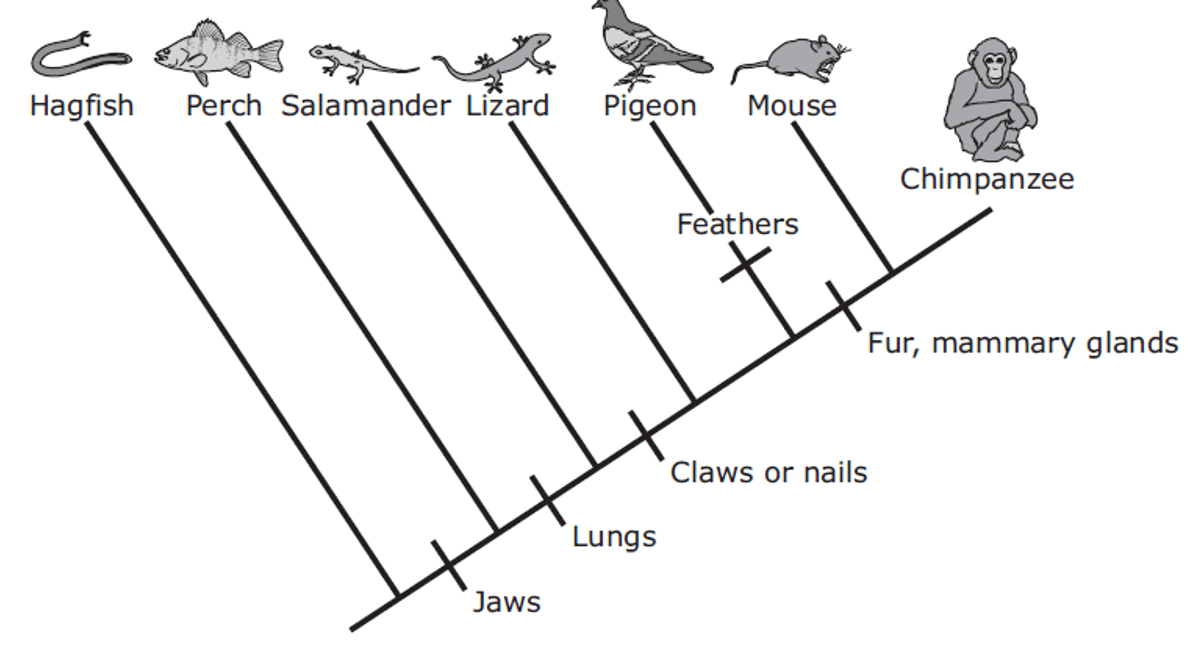
According to the cladogram, which trait do only humans have?
jaws
mammary glands & hair
terrestrial during all life stages
opposable thumbs
All the animals to the right of the salamander would have the common characteristic of...
Fur
Claws or nails
Lungs
Jaws
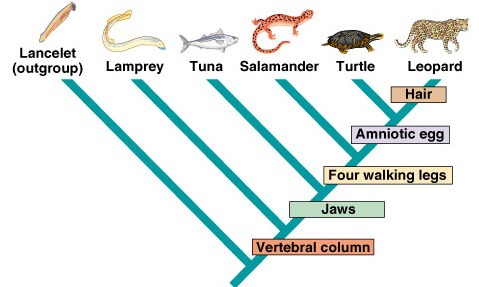
Which is the newest trait?
Amniotic egg
Walking legs
Jaws
Hair

What this picture represent?
a pyramid
Linnean Clasification System
a lot of animals
the family

is a diagram based on patterns of shared, derived traits that shows the evolutionary relationships between groups of organisms
Phylogeny
Cladistics
Cladogram
Derived characters

Tree diagrams where each branch point represents the splitting of two new groups from a common ancestor is called:
Polygenetic tree
Cladogram
Tree branch
Branching tree

The name given to each species, consisting of its genus and its species label
Scientific Name
Dichotomous Key
Cladistics
Binomial Nomenclature

The leaf has a shiny, waxy cuticle around it to
increase the rate of photosynthesis
attract more light
control water loss
stop carbon dioxide and oxygen gases escaping

The water needed for photosynthesis comes into the leaves through the
upper epidermis
stomata
guard cells
xylem cells

The reactants needed for photosynthesis to occur are:
carbon dioxide & water
carbon dioxide & oxygen
oxygen & water
carbon dioxide, oxygen & water

The role of the guard cell is to
help control the temperature of the plant
control how much water enters the leaf
control how much glucose is stored
control the movement of water vapor & gases

Transpiration helps the plant
make more sugars at night
move water from the roots to the stem and leaves
move sugars from the leaf to be stored in the stem & roots
make more chloroplasts
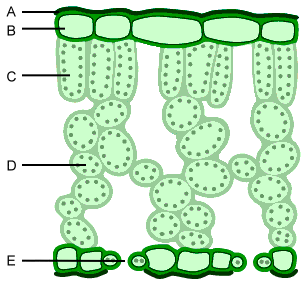
What is letter "A" pointing to?
cuticle
upper epidermis
lower epidermis
palisade mesophyll

Which number is pointing to the stomata?
6
7
8
9

Which number is pointing to the vein or vascular bundle of the leaf?
2
3
4
7
C6H12O6 + 6O2 → 6CO2 + 6H2O + ATP

What is created as a product of cell respiration?
energy (ATP)
glucose (C6H12O6)
oxygen (O2)
sodium chloride (NaCl)

How are cellular respiration and photosynthesis related, in terms of energy?
The energy captured in photosynthesis is used to power cellular respiration.
The energy transformed in cellular respiration is used to power photosynthesis.
Photosynthesis and respiration perform the same task in terms of energy transformation.
Energy is not involved in either photosynthesis or cellular respiration.

What is the sticky part of the flower that catches pollen?
style
stigma
ovary
petal

What part of the flower will turn into a fruit?
petal
ovary
ovule
stamen


The stigma____________
is in the male part of the flower
attracts insects and mammals
catches pollen and is part of the female part of a flower
holds up the style

Which of the following can be compared to a battery in need of recharging? (empty wallet)
ADP
ATP
Ribose
Adenosine


What is the definition of a heterotroph?
An organism that can make it's own food.
An organism that breaks down decaying material.
An organism that has to eat other organisms to obtain energy.
An organism that only eats plants.
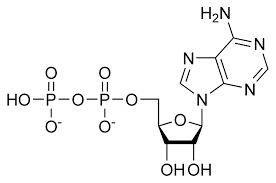
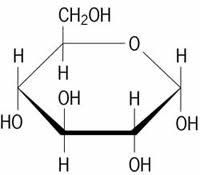
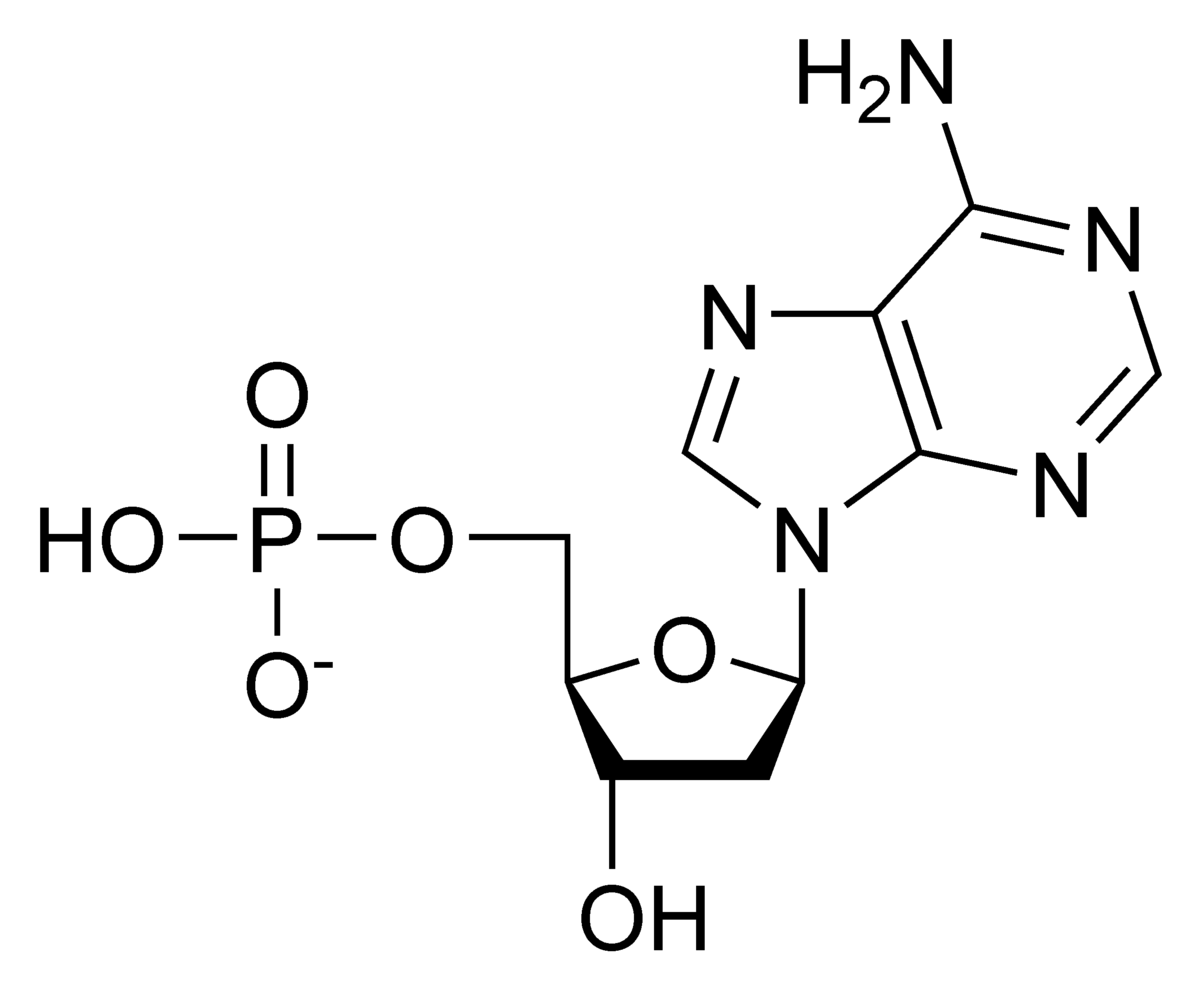
Which of the following is the correct structure of ATP?