
 Worksheets
Circulatory System Practice Quiz
Total questions: 60
Worksheet time: 31mins


Arteries carry oxygen rich blood away from the heart.
True
False
What makes up around 55% of the blood?
Plasma
Red Blood Cells
White Blood Cells
Platelets
What carries oxygen around the body?
Plasma
Red Blood Cells
Platelets
White Blood Cells
Oxygen and carbon dioxide are transported between the blood and alveoli by way of
exocytosis and endocytosis by endothelial cells
diffusion from areas of higher concentration to lower concentration
pinocytosis using fluid-filled vesicles
active transport (using ATP) by protein carriers of endothelial cells
Vessels with thick muscular and elastic walls
arteries
capillaries
veins
Vessles that carry only oxygenated blood (except for pulmonary circulation)
arteries
capillaries
veins
Vessels that carry high pressure blood
arteries
capillaries
veins
Vessels that branch into arterolies
arteries
capillaries
veins
Vessels that receive blood from the heart
arteries
capillaries
veins
vessels with thin but multiple cell layer thick walls
arteries
capillaries
veins
Vessels that carry deoxygenated blood (except for pulmonary circulation)
arteries
capillaries
veins
Vessels that carry blood under low pressure
arteries
capillaries
veins
Vessels that contain valves
arteries
capillaries
veins
Vessels that collect blood from venules
arteries
capillaries
veins
Vessels that drain into the heart
arteries
capillaries
veins
Vessels with walls that are one cell thick
arteries
capillaries
veins
Vessels that allow gas exchange
arteries
capillaries
veins
Vessels that receive blood from arterioles
arteries
capillaries
veins
Vessels that drain blood into venules
arteries
capillaries
veins
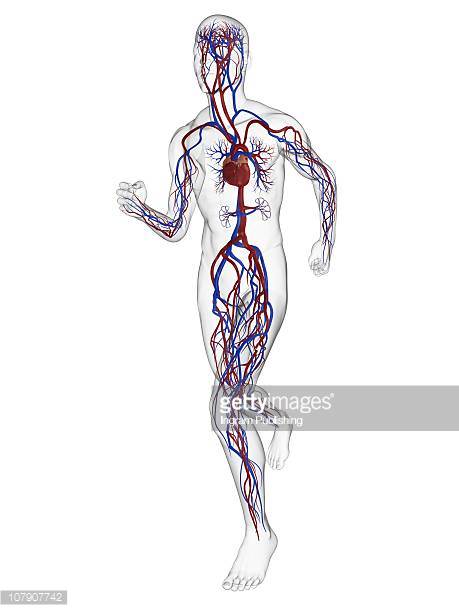
What is the main organ of the circulatory system?
small intestine
bone
lungs
heart
The job of the heart is to . . .
pump blood around the body.
send food to the small intestines.
break down food.
give energy to the body.
The heart is about the size and shape of your . . .
head
fist
hand
foot
What is blood pressure?
How fast your heart is beating
How much blood is pushing against the arteries
IDK
None of the above
What are arteries?
Pipes that deliver the blood from the heart
An important route in a system of roads, rivers, or railroad lines.
All of the above
What causes high blood pressure?
Eating tobacco and drinking alcohol
Kidney disease, diabetes, and sleep apnea
All of the above
What does high blood pressure cause?
Stroke, Heart attack
Heart Failure, Kidney Disease, and Vascular Dementia
All of the above
What are some symptoms for high blood pressure?
Chest pain, Difficulty breathing, Severe headache
Pounding in chest, neck, or ears
All of the above
None of the above
True or False: When you measure your blood pressure, it will come out as a percentage
True
False
When the results come out as a fraction, what does the numerator represent?
Systolic blood pressure
Diastolic blood pressure
None of the above
What is systolic blood pressure?
Maximum pressure your heart releases while beating
The amount of pressure in your arteries between beats.
IDK
What is "normal" blood pressure
120/110 mmHg
120/80 mmHg
100/80 mmHg
140/80 mmHg
A device used to measure the pressure against the arteries of the body.
Monitor
Gauge
sphygmomanometer
millimeter
Fatima has blood pressure 183/81, what is Fatima's systolic pressure?
81
183
183/81
81/183
Increased blood pressure over time can cause problems with the heart, blood vessels, kidneys and even the brain
True
False
Blood pressure is used to determine
electrical current though the heart
function of coronary artery
if adequate blood is getting to tissues.
Speed of blood through veins
Why is high blood pressure or hypertension a 'silent' killer?
It has no sound
It has no symptoms
It kills people
It is a leading cause of death in the world

