
Font size
 Worksheets
Ch. 37 Test
Total questions: 122
Worksheet time: 1hrs 17mins


THE TYPE OF BLOOD VESSELS THAT RETURNS BLOOD TO THE HEART
ARTERY
VEIN
CAPILLARIES
BLOOD VESSEL
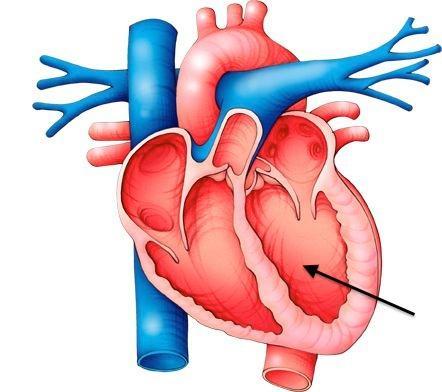


The thick muscular wall that separates the right and left ventricles from each other:
Interventricular sulcus
Groove
Septum
Cecum
The vessel that brings blood back to the heart from the lungs is called the
pulmonary vein
pulmonary artery
aorta
superior vena cava
The left side of the heart pumps oxygenated blood around the body.
True
False
The 3 components of the circulatory system are the heart, blood vessels and blood cells.
True
False
Where is the heart located in the chest?
Slightly to the left
Central
Slightly to the right
At the back
From what source do cells get their food
Blood
Other cells
Oxygen
Carbon dioxide
which of the following can best be compared to soldiers
Lungs
Capillaries
Red blood cells
White blood cells
The two important types of circulation are...
Local and Personal
Private and Pulmonary
Local and Systemic
Pulmonary and Systemic
The circulatory system is made up of which of the following
Lungs
Heart
Skeletal System
Blood Vessels
Blood
Characteristics of Red Blood Cells
Liquid
Deliver oxygen to the cells
Contain protein (Hemoglobin)
Fight infection
Solid
When exercising your body needs more ______________.
Oxygen
Carbon dioxide
Water
Lymph nodes
Tips for a healthy heart
Don't smoke
Exercise
Enjoy high sugar and fatty foods
Eat fruits and vegetables
Avoid increasing your heart rate
What is the main function of T-Lymphocytes?
Fights tumors and viruses
Makes antibodies
Produces redness and swelling
Binds to oxygen in the lungs

Oxygen and carbon dioxide attach to white blood cells.
True
False
Transportation, regulation, and protection are the three main functions of blood.
True
False
People with type O blood are universal donors because they have both antigens A and B in their red blood cells.
True
False
If one of the two parents has AB blood, the child cannot have type O blood.
True
False
Some diseases and disorders of the blood are caused by environmental factors, poor diet and even old age.
True
False
a cancer caused by the production of an extremely high number of immature white blood cells in the bone marrow.
anemia
aplastic anemia
Leukemia
bone cancer
long and tread-like, this weaves around the platelet plug to form a blood clot.
hemoglobin
antibody
platelets
Fibrin
A person with AB blood is called
universal donor
universal recipient
jandice
universal antigen
plasma
is a fluid connective tissue
contains dissolved proteins
contains elastic fibers
a and b are correct

The proteins found on the surface of RBCs that allow us to type blood as A, B, O or AB are called
antigens
antibodies
aggluntates
Rh factors
Platelets are also known as:
leukocytes
erthryocytes
thrombocytes
monocytes
Red blood cells are also known as:
thrombocytes
neutrophils
monocytes
erthryocytes
The formation of blood cells is known as:
hemoglobin
hematocrit
hemostasis
hematopoeisis
White blood cells are known as:
thrombocytes
erthryocytes
monocytes
leukocytes
What are erythrocytes
They are biconcave and they transport oxygen
They are red granules
Blue granules
Where in the body is carbon dioxide obtained from?
small intestines
lungs
stomach
cells
When incompatible blood types are mixed, an immune reaction occurs that causes blood cells to clump together and increase the viscosity of blood. This process is referred to as
precipitation
condensation
agglutination
granulation
Doctors can say that a patient has an infection, if there are a lot of _________ in his blood.
erythrocytes
leukocytes
thrombocytes
plasma
oxygen
Which sample is B-


Athena has type A blood, can she receive blood from someone who is type AB.
True
False
The rH factor determines what part of the blood type?
the number of antigens
+ or -
the number of antibodies
aggulation
Your lungs are ___________ air
My lungs are __________________ air.
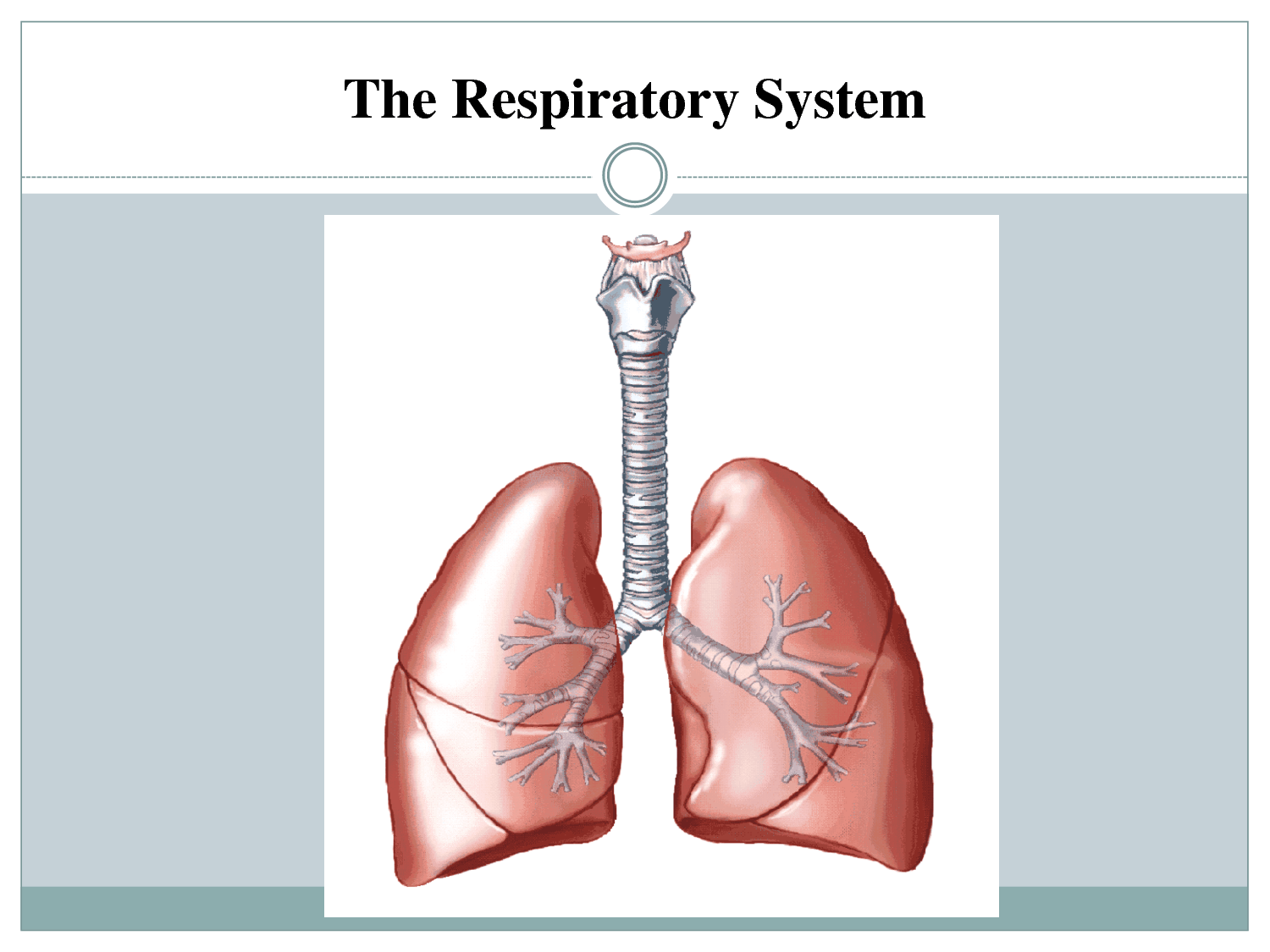
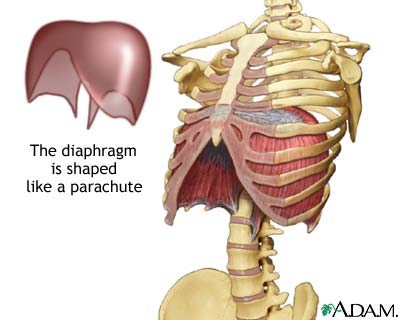
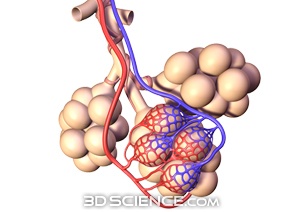
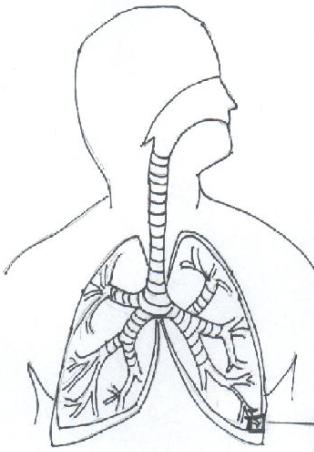
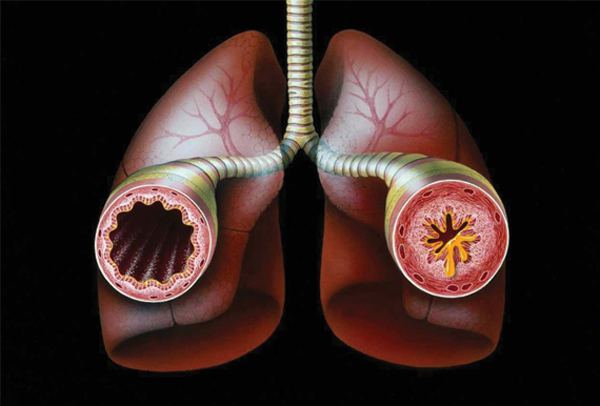
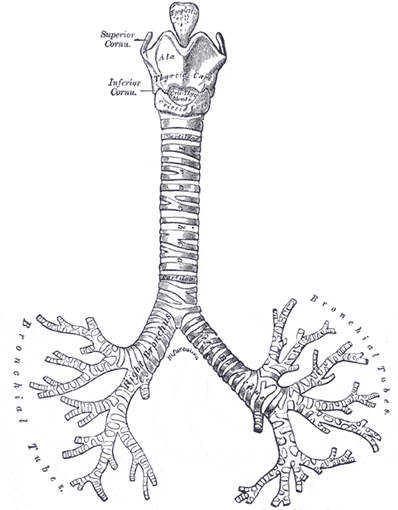
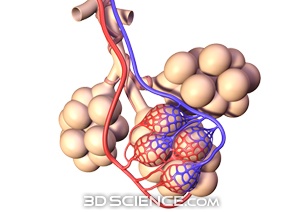

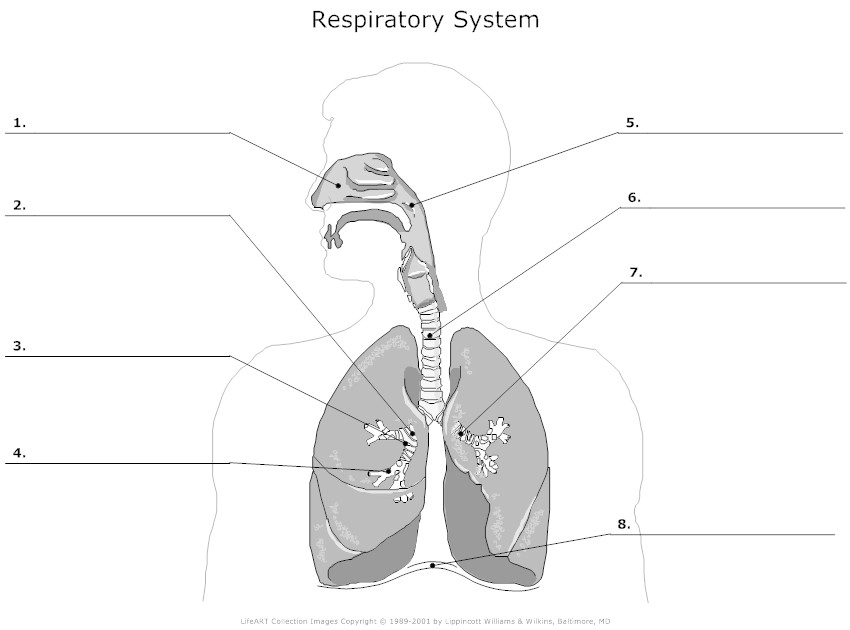
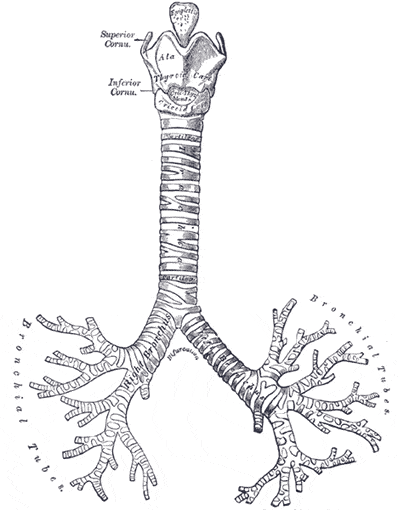
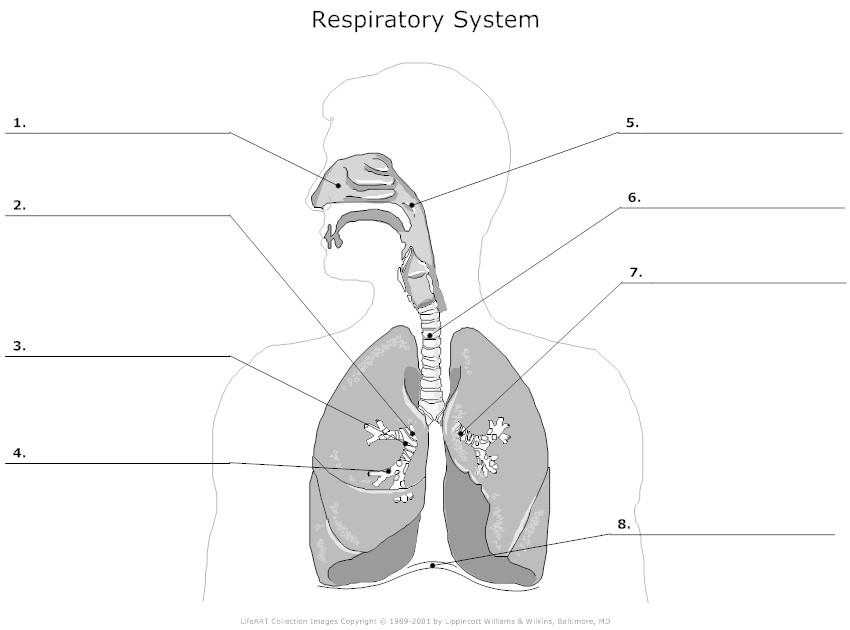
1. larynx
2. nasal cavity
3. pharynx
4. trachea
Which of the following is the correct order that air would flow during inhalation.
Warmed, moist air enters a tubelike passageway used by food, air, and liquid. What is this passageway called?
larynx
asthma
pharynx
trachea

Disease that is characterized by production of abnormally thick mucus, leading to the blockage of the pancreatic ducts, intestines, and bronchi.
Emphysema
Lung cancer
Asthma
Cystic fibrosis
Which respiratory system structure stops unwanted items (e.g. food) from entering the lungs?
Pharynx
Larynx
Nasal Cavity
Epiglottis

Which structure is represented by no. 6 on the diagram?
Lungs
Diaphragm
Alveoli
Bronchi
Which structure is represented by no. 5 on the diagram?
Lungs
Diaphragm
Alveoli
Bronchi
Which structure is represented by no. 7 on the diagram?
Pharynx
Diaphragm
Larynx
Bronchi
Which structures is represented by no. 3 on the diagram?
Trachea
Epiglottis
Larynx
Pharynx
Which structure is represented by no. 8 on the diagram?
Trachea
Epiglottis
Larynx
Pharynx

