wayground logo

Free Printable Worksheets

Font size

S
M
L
XL
Worksheets

27 Benchmark

Total questions: 144

Worksheet time: 2hrs 0mins

Name
Class
Date
1.
Define erosion
a)
The physical removal of material by mobile agents such as water, wind, or ice.
b)
The physical breakdown and chemical alteration of rocks at or near the Earth's surface.
c)
The transfer of rock and soil downslope under the influence of gravity.
2.
Scientists determine what Earth’s interior looks like by using:
a)
Volcanoes
b)
Seismic Waves
c)
Continental Drift
d)
Convection Currents
3.
What theory states that Earth's crust and rigid upper mantle move in different directions and at different rates over Earth's surface?
a)
Seafloor spreading
b)
Continental Drift
c)
Plate Tectonics
d)
Polarity Theory
4.
Tectonic plates interact at places called plate 
a)
Reversals
b)
Boundaries
c)
Regions
d)
Subductions
5.
Places where tectonic plates move apart are called
a)
Convergent boundaries
b)
Transform boundaries
c)
Subduction zones
d)
Divergent boundaries
6.
At what plate boundary do plates slide horizontally past each other?
a)
Divergent Boundary
b)
Transform Boundary
c)
Convergent Boundary
d)
Subduction Boundary
7.
Pangaea was an ancient supercontinent made up of:
a)
South Africa, India, Australia, and South America
b)
The United States, Greenland, and Europe
c)
Antarctica, India, and South America
d)
All of Earth's continents
8.
Places where tectonic plates collide are called
a)
Convergent Boundaries
b)
Divergent Boundaries
c)
Rift Valleys
d)
Transform Boundaries
9.
The San Andrea's Fault in California is which type of boundary?
a)
Convergent
b)
Divergent
c)
Subductive Zone
d)
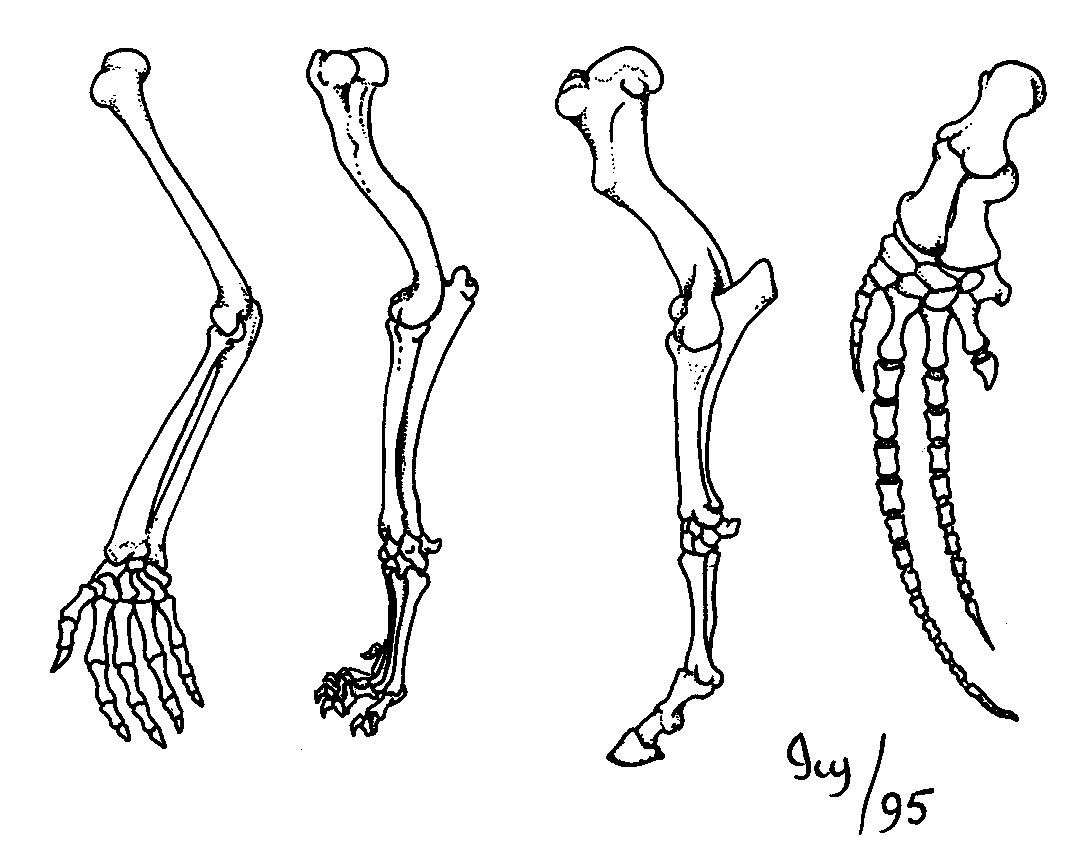
Transform
10.
At which type of plate boundary does seafloor spreading occur?
a)
Tranform
b)
Convergent
c)
Divergent
d)
Subductive Zone
11.
The movement of weathered rocks and soil is called_____
a)
an earthquake.
b)
a volcano.
c)
an eruption.
d)
erosion.
12.
The slow breakdown of rock over time is called ______
a)
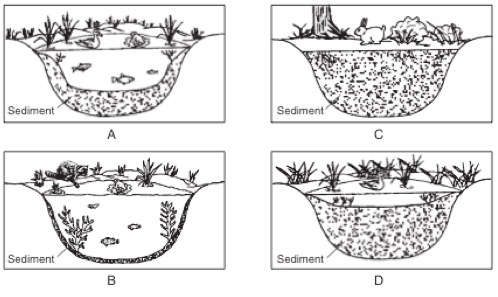
eruption.
b)
landslides.
c)
erosion.
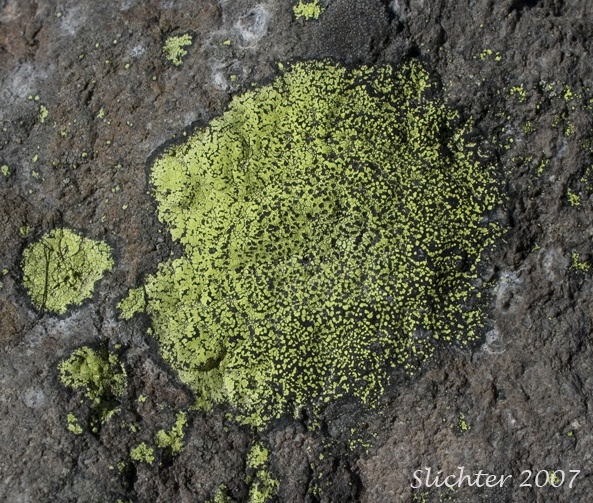
d)
weathering.
13.
Which of the following occurs because of convection currents?
a)
Tectonic plates on the crust move.
b)
The mantle increases in size.
c)
Pressure in the crust increases.
d)
Pressure in the crust decreases.
14.
Which type of graph is this?
a)
Histogram
b)
Bar Graph
c)
Stem Plot
d)
Box Plot
15.
What type of graph is this?
a)
Bar graph
b)
Histogram
c)
Pie Chart
d)
Stem Chart
16.
A pie chart allows you to easily see
a)
information about the proportion of parts relative to the whole.
b)
the total number of each category.
c)
how much data occurs within a range of numbers.
d)
the spread of the data.
17.
What type of graph shows the change in one value over time?
a)
Line Graph
b)
Pie Chart
c)
Histogram
18.
What type of graph works best for percents?
a)
Pie Charts
b)
Line Graphs
c)
Histograms
19.
In which year did exactly 60 students have scholarships?
a)
2010
b)
2011
c)
2012
d)
2013
20.
This image represents this type of boundary
a)
divergent
b)
transform
c)
convergent
d)
tectonic
21.
This is the theory that states that all the continents started as a single massive continent and have been MOVING apart for over 200 million years and the man that proposed it.
a)
The Big Bang Theory, Einstein
b)
The Pangea Theory, Hutton
c)
The Tectonic Plate Theory, Darwin
d)
The Continental Drift Theory, Wegner
22.
 A land feature that is produced at a convergent boundary is
a)
a valley
b)
an ocean
c)
a canyon
d)
a volcano
23.
This is an example of -
a)
convergent
b)
divergent
c)
transform
24.
What special force is found in the asthenosphere?
a)
Wind
b)
Convection currents
c)
Tides
d)
Lava
25.
Earthquakes and volcanoes are most likely found in which locations? 
a)
at plate boundaries
b)
in oceans
c)
in the middle of continents
d)
in the middle of plates
26.
The process by which rocks are broken down chemically or physically is known as:
a)
Weathering
b)
Erosion
c)
Deposition
d)
Transportation
27.
Which is a type of chemical weathering?
a)
Abrasion
b)
Ice Wedging
c)
Acid Rain 
d)
Organic Activity
28.
What type of weathering is it when acid rain breaks down and changes the rock?
a)
chemical weathering 
b)
physical or mechanical weathering
c)
erosion
29.
Precipitation, such as rain, sleet, or snow that contains a high concentration of acids, often because of the pollution of the atmosphere, is called...
a)
acid precipitation
b)
creep
c)
chemical weathering
d)
differential weathering
30.
What is it called when plants give off water vapor as a waste product?
a)
condensation
b)
evaporation
c)
sublimation
d)
transpiration
31.
During which stage do clouds form?
a)
condensation
b)
evaporation
c)
precipitation
32.
During which stage do clouds form?
a)
condensation
b)
evaporation
c)
precipitation
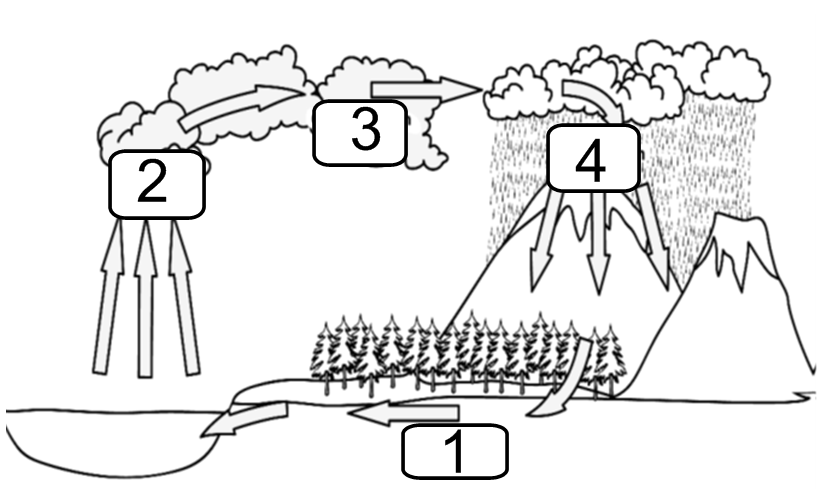
33.
Which stage does the #2 show in the diagram?
a)
condensation
b)
evaporation
c)
precipitation
d)
run off
34.
Which stage does the #3 show in the diagram?
a)
condensation
b)
evaporation
c)
precipitation
d)
run off
35.
Which one of these does not add CO2 to the atmosphere?
a)
cooking with gas
b)
planting trees
c)
burning wood
d)
riding in a bus
36.
In the process of photosynthesis, plants use the energy of the Sun to form ___ and ___ from ___ and ___.
a)
glucose and oxygen; carbon dioxide and water
b)
carbon dioxide and water; glucose and oxyge
37.
What are the products (what's made) during photosynthesis?
a)
glucose and oxygen
b)
water, light, and carbon dioxide
38.
What is cellular respiration?
a)
the breakdown of glucose  to release ATP
b)
the breakdown of glucose to release NADH
c)
the breakdown of glucose to release FADH
d)
the breakdown of glucose to release carbon
39.
What is the correct equation for cellular respiration?
a)
6O2 + C6H12O6 -> 6CO2 + 6H2O + Energy
b)
6O2 + C6H12O6 + Energy -> 6CO2 + 6H2O
c)
6CO2 + 6H2O -> 6O2 + C6H12O6 + Energy
d)
6CO2 + 6H2O + Energy -> 6O2 + C6H12O6
40.
Which of the following is the correct equation for PHOTOSYNTHESIS?
a)
CO+ light + H2O --> O+ Sugar
b)
CO+ sugar + H2O --> O+ light
c)
O2 + light + H2O --> CO+ Sugar
d)
CO+ O2 + H2O --> Light+ Sugar
41.
C6H12O6 is the molecular formula for 
a)
Photosynthesis
b)
Biomass
c)
Glucose
d)
Carbonic acid
42.
What percentage of energy is passed on to each tropic level?
a)
10%
b)
50%
c)
90%
d)
100%
43.
How do producers obtain energy?
a)
They conduct photosynthesis.
b)
They consume plants.
c)
They consume primary consumers.
d)
They consume secondary consumers.
44.
Which organism do the owl and the weasel compete for in the food web?
a)
Hawk
b)
Spider
c)
Grasshopper
d)
Shrew
45.
What might happen if you remove a primary consumer from the ecosystem?
a)
There would be more food for secondary consumers.
b)
The number of primary consumers would increase.
c)
The number of plants would increase.
d)
The number of secondary consumers would increase.
46.
How many primary consumers are there in this food web?
a)
1
b)
2
c)
3
d)
4
47.
Which level has the most energy available?
a)
producer
b)
primary consumer
c)
secondary consumer
d)
tertiary consumer
48.
Which level will contain plants?
a)
A
b)
B
c)
C
d)
D
49.
Which organism recieves the least amount of energy from the producer?
a)
Owl
b)
Grasshopper
c)
Lilypad
d)
Mouse
50.
The fox in this food web would be considered a:
a)
Tertiary Consumer
b)
Producer
c)
Secondary Consumer
d)
Primary Consumer
51.
What is a trophic level?
a)
Each level represented within a food chain or web.
b)
Levels of ecosystems that the world is divided into.
c)
Different levels of nutrients present within an organism.
d)
The levels of sunlight an autotroph needs to survive. 
52.
How much of the atmosphere is composed of nitrogen gas?
a)
87%
b)
38%
c)
78%
d)
21%
53.
Which of the following describes the role of nitrogen-fixing bacteria in the nitrogen cycle? Nitrogen-fixing bacteria convert
a)
nitrates intro nitrogen gas
b)
ammonia into proteins
c)
nitrogen gas into ammonia
d)
proteins into nitrates
54.
Growing legumes such as alfalfa or soy beans increases
a)
denitrification
b)
nitrogen fixation
c)
ammonification
d)
ammonium oxidation
55.
Nitrogen fixation processes nitrogen from which of the following sources?
a)
lightning
b)
fertilizers
c)
dead plants
d)
atmosphere
56.
The step in the nitrogen cycle where bacteria convert ammonia (NH3) to nitrate (NO3-) is:
a)
nitrification
b)
ammonification
c)
nitrogen fixation
d)
assimilation
57.
The process where some bacteria remove nitrate from the soil by converting it to nitrogen gas is:
a)
nitrification
b)
nitrogen fixation
c)
denitrification
d)
nitrification
58.
What part of the nitrogen cycle deals with the conversion of nitrogen in waste products or dead organisms into ammonia?
a)
nitrification
b)
ammonification
c)
denitrification
d)
nitrogen fixation
59.
What is the first step in the nitrogen cycle, in which gaseous nitrogen is converted into ammonia?
a)
nitrification
b)
ammonification
c)
denitrification
d)
nitrogen fixation
60.
This is released by the weathering of rocks.
a)
Carbon
b)
Oxygen
c)
Phosphorus
d)
Nitrogen
61.
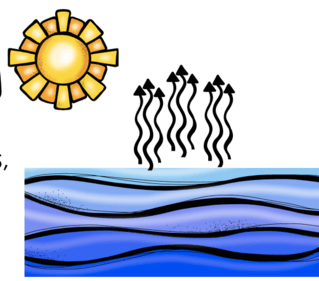
What part of the water cycle does this picture show?
a)
condensation
b)
precipitation
c)
evaporation
62.

What process involves pulling water downwards through layers of soil due to force of gravity?

a)

deposition

b)

percolation

c)

run off

d)

precipitation

63.
When humans burn fossil fuels, most of the carbon quickly enters the                       as carbon dioxide.
a)
Water
b)
Atmosphere
c)
Sun
d)
Air
64.
How do living organisms return carbon to the atmosphere in the carbon cycle?
a)
respiration and photosynthesis
b)
 decomposition and respiration
65.
If the plant population decreased, the amount of carbon would _________.
a)
Stay the same
b)
Increase
c)
Decrease
66.

Which describes the relationship between plants and animals in the carbon cycle?

a)

Plants use CO2 to produce glucose, which animals need for energy and as a source of carbon

b)

Plants produce and release carbon dioxide that animals need

c)

Animals produce and release oxygen that plants need

d)

Animals produce oxygen that plants turn into carbon dioxide

67.
In which organelle (part of the cell) does photosynthesis take place?
a)
mitochondria
b)
chloroplast
c)
nucleus
d)
cell membrane
68.
Which of the following is the correct equation for PHOTOSYNTHESIS?
a)
CO+ light + H2O --> O+ Sugar
b)
CO+ sugar + H2O --> O+ light
c)
O+ light + H2O --> CO+ Sugar
d)
CO+ O2 + H2O --> Light+ Sugar
69.
Which process moves carbon stored in fossil fuel into another carbon reservoir?
a)
When fossil fuels are burned, carbon enters the atmosphere as carbon dioxide.
b)
The denitrifying bacteria turns the fossil fuel into carbon dioxide gas.
c)
Decomposers convert the fossil fuels into greenhouse gases like carbon dioxide.
d)
The fossil fuels react with the soil to produce carbonates and carbon dioxide.
70.
Which nutrient is not cycled through the atmosphere?
a)
carbon
b)
nitrogen
c)
phosphorous
d)
water
71.
This is released by the weathering of rocks.
a)
Carbon
b)
Oxygen
c)
Phosphorus
d)
Nitrogen
72.
Which biome has deciduous trees (which lose their leaves)?
a)
Temperate Forest
b)
Rainforest
c)
Grasslands
d)
Taiga
73.
Which biome has the most variety of plants and animals?
a)
Temperate Forest
b)
Rainforest
c)
Tundra
d)
Grasslands
74.
Which type of trees is found in a temperate forest?
a)
deciduous
b)
evergreen
c)
ginko
d)
palm
75.
This biome is found around the equator and is home to a large amount of biodiversity.
a)
Deserts
b)
Tropical Rain Forests
c)
Savannas
d)
Chaparral 
76.
An area in which fresh water from a river mixes with salt water from the ocean
a)
Mangrove Swamp
b)
Estuary
c)
Marshes
d)
Wetland
77.
Area dominated by woody plants such as flood-tolerant trees and shrubs
a)
Mangrove Swamp
b)
Swamp
c)
Salt Marshes
d)
Wetland
78.

Tends to be higher in cold waters near the source of a river.

a)

Salinity

b)

Temperature

c)

Dissolved oxygen

d)

Sunlight

79.
Physical attributes that help an animal to survive
a)
structural adaptations
b)
behavioral adaptations
c)
migrating
d)
hibernating
80.
Activities performed by an animal that helps it survive
a)
structural adaptations
b)
behavioral adaptations
c)
migrating
d)
hibernating
81.
Which is NOT an example of an adaptation?
a)
a cactus has a thick cover to hold water in
b)
a tree loses its leaves in the winter
c)
a plant has green leaves
d)
a lily grows bright red flowers to attract pollinators
82.
Which of the following word pairs correctly completes the sentence below?
_______ are corrosive substances characterized as having a strong smell, a sour taste, and a _______.
a)
Acids; pH less than 7
b)
Acids; pH greater than 7
c)
Bases; pH greater than 7
d)
Bases; pH less than 7
83.
 Which of the following is an acid?
a)
shampoo
b)
baking soda
c)
orange juice
d)
water
84.
Many cleaning solutions are bases. Which of the following is a property of most bases?
a)
feels slippery
b)
white color
c)
can only be liquid
d)
tastes sour
85.
Tastes bitter.
a)
Acids
b)
Bases
c)
Salts
d)
All
86.
Which type of ion does a base produce when it is dissolved in water?
a)
oxide
b)
oxygen
c)
hydrogen
d)
hydroxide
87.
Which of the following is true about acids and bases?
a)
The lower the pH, the stronger the acid
b)
the higher the pH, the stronger the acid
c)
The lower the pH, the more neutral the acid
d)
The higher the pH, the weaker the base
88.
Chalky, soapy, slippery
a)
Acid 
b)
Base
c)
Neutral
d)
Indicator
89.
A group of organisms which are similar to each other and can combine to have offspring
a)
species
b)
characteristic
c)
club
d)
organisms
90.
A group of organisms of the same species
a)
ecosystem
b)
community
c)
population
d)
group
91.
All the populations in a specific area or region
a)
community
b)
ecosystem
c)
population
d)
species
92.
What is the difference between swamps and marshes?
a)
marshes attract birds, swamps attract amphibians
b)
marshes are freshwater, swamps are saltwater
c)
marshes contain non-woody plants, swamps contain woody plants
d)
marshes are mostly in the southeast U.S., swamps in the northeast U.S.
93.

At the river's headwaters (beginning of the river), the river is

a)

warm

b)

wider

c)

slow

d)

fast

e)

cold

94.
Surface runoff in a watershed that empties into the Mississippi river has become polluted by sewage and fertilizers.
Which of the following environments might become polluted as a result?
   
I. aquatic environments downstream of the watershed
II. land environments along the banks of the river
III. environments upstream
a)
II only
b)
IIII only
c)
I, II, and III
d)
I and II only
 
95.
Which term refers to the process by which individuals that are better suited to the environment survive and reproduce therefore passing down their genes to their offspring? 
a)
Evolution 
b)
Variation 
c)
Adaptation
d)
Natural Selection 
96.
Darwin referred to this as survival of the fittest. Over time, it results in changes in the inherited characteristics of a population because organisms with adaptations that make them fit for their environment will survive and reproduce better than those without favorable traits.
a)
Natural Selection
b)
Genetic Variation
c)
Survival of the Fittest
97.
The separation of a group of individuals from the rest of the population is referred to as 
a)
genetic drift
b)
natural selection
c)
geographic isolation
d)
survival of the fittest
98.
What is an organism that has similar characteristics and can reproduce?
a)
species
b)
organism
c)
embryology
d)
vestigial 
99.
Structures with the same parts have different functions; suggests that organisms share a common ancestry
a)
vestigial structures
b)
homologous structures
c)
adaptive radiation
d)
fossil
100.
All rabbits living in a particular area would be an example of a(n)
a)
population
b)
species
c)
fossil
d)
individual organism
101.

What is suggested by the anatomical similarity of different species of vertebrates?

a)

no evolutionary relationships between the groups

b)

recent common ancestry

c)

similar environments in the past

d)

evolution from a distant common ancestor

102.
Some organisms that share a common ancestor have features that have different functions, but similar structures.  These are known as
a)
vestigial structures
b)
analogous structures
c)
homologous structures
d)
fossil structures
103.
What is speciation?
a)
combining of tow species to form one with different traits
b)
isolation that affects mating behaviors
c)
timing of mating that prevents normal sexual selection
d)
divergence of two or more species from an existing one
104.
two species are in different environments and look very similar.  However, that are not closely related (analogous).  Their resemblance is most likely an example of.
a)
sexual selection
b)
temporal isolation
c)
convergent evolution
d)
divergent evolution
105.

Other insects cannot, but, a bumble bee has just enough weight to open up the snapdragon flower and pollinate. This adaption is ....

a)

convergent evolution

b)

co-evolution

c)

divergent evolution

d)

speciation

106.

When two organisms evolve in response to the other

a)

Speciation

b)

Coevolution

c)

Gradualism

d)

Convergent evolution

107.

Which pattern of evolution results in one species splitting into many over time?

a)

Convergent evolution

b)

Sexual selection

c)

Coevolution

d)

Divergent evolution

108.

Organisms that live in similar environments, such as the ocean, often have similar adaptations. This is often due to....

a)

Sexual selection

b)

Gradualism

c)

Coevolution

d)

Convergent evolution

109.

An earthquake causes an ocean channel to open up on an island where a low area previously existed. The island’s lizard population is now separated on the two parts of the island, providing an example of

a)

geographic isolation.

b)

behavioral isolation.

c)

disruptive selection.

d)

temporal isolation.

110.

The wings of robins and the wings of dragonflies are examples of

a)

divergent adaptation

b)

convergent evoltuion

c)

adaptive radiation

d)

punctuated equilibrium

111.

The Galápagos Islands in the Pacific Ocean have varied habitats. Divergent evolution is occurring on these islands, meaning that the species that live there

a)

have lived unchanged through long periods of stability.

b)

are becoming more like each other in response to their habitats.

c)

change in response to changes in other species they interact with.

d)

had common ancestors but have become increasingly different.

112.

Occurs when stable environment favours the intermediate phenotype

a)

Directional selection

b)

Disruptive selection

c)

Stabilizing selection

d)

Inbeeding

113.

A balanced polymorphism exist through disruptive selection in seed cracker finches from Cameroon in which small and large billed birds specialized in cracking soft and hard seeds, respectively. If long term climatic change resulted in all seeds becoming hard, what type of selection would then operate on the finch population?

a)

Sexual selection

b)

Stabilizing selection

c)

Directional selection

d)

Disruptive selection

114.

Occurs when changing environment favours one extreme phenotype

a)

stabilizing selection

b)

Directional selection

c)

Disruptive selection

d)

Outbreeding

115.

Occurs when environmental conditions fluctuate between two opposite extreme values.

a)

Artificial selection

b)

Distruptive selection

c)

Directional selection

d)

Stabilizing selection

116.
Sharks and dolphins both have streamlined bodies that allow them to move through water efficiently, this is an example of which type of evolution?
a)
Divergent
b)
Coevolution
c)
Convergent
d)
Artificial
117.

What type of selection is depicted in the picture?

a)

stabilizing

b)

directional

c)

disruptive

118.

Robins typically lay fours eggs. If more then four eggs are produced then the baby chicks are malnourished while smaller egg numbers result in no viable (able to live) baby chicks. This is an example of

a)

stabalizing

b)

disruptive

c)

directional

119.
What type of selection?
a)
Directional 
b)
Stabilizing
c)
Disruptive
120.
Which of the three graphs shows stabilizing selection?
a)
A
b)
B
c)
C
121.
If finches with large beaks and finches with small beaks increase in a population while finches with average sized beaks decreases, which pattern of natural selection has occurred?
a)
Directional selection
b)
Disruptive selection 
c)
Stabilizing selection
122.
What is the correct explanation for what is happening in this graph?
a)
There are a lot of average-sized beaks
b)
There are no beaks
c)
There are a lot of small beaks only
d)
There are a lot of small and large beaks, but not average-sized ones
123.
Human babies don't do well if they are born too small. If they are too big complications can occur during birth. Baby size should then be selected for by which method?
a)
stabilizing
b)
directional
c)
disruptive
d)
Beyonce is having twins
124.
An extreme phenotype is favored causing the alleles to shift toward that phenotype
a)
Disruptive Selection
b)
Directional  Selection
c)
Stabilizing Selection
d)
Artificial Selection
125.
What is the order of succession shown in this figure?
a)
A, B, C, D
b)
B, A, D, C
c)
C, D, A, B
d)
D, A, B, C
126.
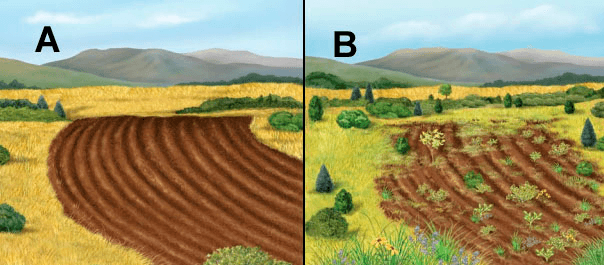
What type of succession is shown going from figure A to figure B?
a)
primary succession
b)
ecological succession
c)
secondary succession
d)
intermediate
127.
What is the goal of the pioneer species in Primary Succession?
a)
To kill the dead materials after a disaster
b)
To rebuild soil
c)
To feed Johnny
d)
To put fresh oxygen into the air
128.
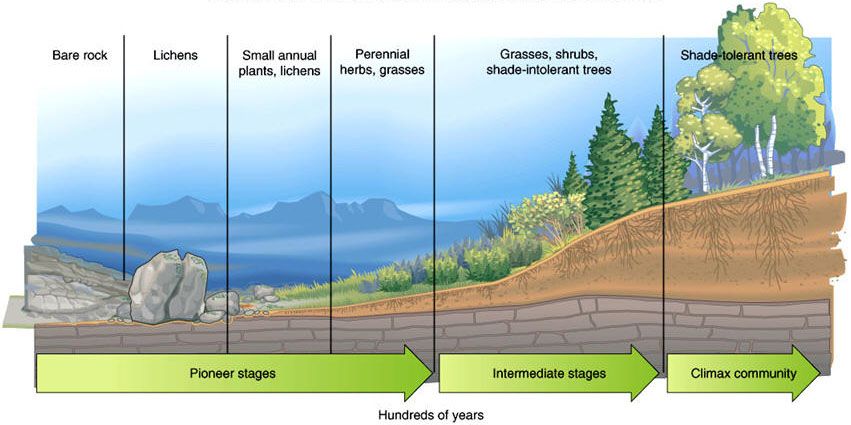
The picture shows what type of succession?
a)
primary
b)
secondary
c)
tertiary
d)
quadanary
129.
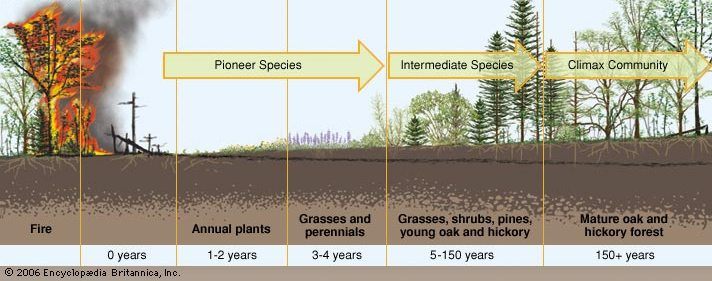
The picture shows what type of succession?
a)
primary
b)
secondary
c)
tertiary
d)
quadanary
130.
What is the name given to lichen or algae after a primary succession?
a)
pioneer species
b)
volunteer species
c)
founder species
d)
conqueror species
131.
After a volcanic eruption, lava covers the land. What is the order that plants grow to repopulate the area?
a)
Lichens → Shrubs → Grasses → Trees
b)
Lichens → tree → shrubs→Grasses
c)
Grasses → Lichens → Shrubs → Trees
d)
Lichens → Grasses → Shrubs → Trees
132.
What is the correct order from oldest (happened first) to youngest (happened last) in this pond succession?
a)
A, B, C, D
b)
D, C, B, A
c)
B, A, D, C
d)
C, D, A, B
133.
Reaches a climax community quicker because soil is already present
a)
primary succession 
b)
secondary succession
c)
both types of succession
134.
Final illustration (#8) shows
a)
pioneer species
b)
climax community
c)
only biotic factors
d)
only abiotic factors
135.
What type of speciation involves geographic isolation?
a)
Allopatric
b)
Sympatric
c)
Both
136.
What is geographic isolation?
a)
Members of a population live together within an geographic boundary
b)
Members of a population may become isolated from one another by geographic boundaries
c)
An isolation that is geographic
d)
None of these
137.
What is allopatric speciation?
a)
Occurs when a physical barrier divides one population into two or more populations
b)
Occurs when a reproductive barrier divides one population into two or more populations
c)
Occurs when species evolve into a new species without a physical barrier
d)
Occurs when species into into a new species at random
138.
What type of selection is this?
a)
Directional Selection
b)
Stabilizing Selection
c)
Disruptive Selection
d)
Natural Selection
139.
What type of selection is this?
a)
Directional Selection
b)
Stabilizing Selection
c)
Disruptive Selection
d)
Natural Selection
140.
What type of selection is this?
a)
Directional Selection
b)
Stabilizing Selection
c)
Disruptive Selection
d)
Natural Selection
141.
What type of speciation involves geographic isolation?
a)
Allopatric
b)
Sympatric
c)
Both
142.
What type of speciation involves isolation due to behavior such as sexual selection or habitat differentiation?
a)
Allopatric
b)
Sympatric
c)
Both
143.

A new river forms and splits two populations, causing ______________ speciation

a)

Sympatric

b)

Allopatric

c)

Extreme

d)

Convergent

144.
The process by which populations slowly change over time is called__________
a)
selective breeding
b)
adaptation
c)
sepeciation
d)
evolution