wayground logo

Free Printable Worksheets

Font size

S
M
L
XL
Worksheets

Biomes

Total questions: 100

Worksheet time: 1hrs 19mins

Name
Class
Date
1.

In which biome would you find animals with adaptations for a climate with very little precipitation?

a)

Rain Forest

b)

Desert

c)

Estuary

d)

Taiga

2.

Which biome has a rainy season and a dry season?

a)

Savanna

b)

Taiga

c)

Desert

d)

Rain Forest

3.

What is an organism that eats other animals called

a)

Decomposer

b)

Producer

c)

consumer

4.

Where are the most fertile soils found?

a)

Rainforest

b)

Grasslands

c)

Tropical Savannah

d)

Deciduous Forest

5.

The largest terrestrial biome on Earth is the

a)

Tundra

b)

Deciduous Forest

c)

Taiga

d)

Desert

6.

The following is true about the Tropical Savannah:

a)

There are lots of trees

b)

The grasses are short and grow slowly

c)

The animals migrate in order to find water

d)

It is located on either side of Deciduous Forests

7.

The Tundra biome gets lots of snow.

a)

Truth

b)

False

8.

An adaptation of plants and animals found in Deciduous Forests is:

a)

Plant leaves are broad and light weight

b)

The animals hibernate

c)

Plants drop there leaves when sunlight is limited

d)

All of the above

e)

Nun of the above

9.

What is the earths coldest and harshest biome

a)

Rainforest

b)

dessert

c)

Grassland

d)

Tundra

10.

Which biome has the least amount of precipitation

a)

Grassland

b)

Rainforest

c)

desert

d)

Decidous forest

11.

Which biome has the greatest diversity of living things

a)

Grassland

b)

Tundra

c)

none of the above

12.

Which biome is treeless, with low shrubs, lichens and mosses because of its extremely low temperatures?

a)

Tundra

b)

Desert

c)

Temperate Deciduous Forest

d)

Tropical Rain Forest

13.

. A large variety of plants grows in tropical rain forest because

a)

many insects live there.

b)

it has very good soil.

c)

the forest floor is very dark.

d)

it is warm, humid, and rainy.
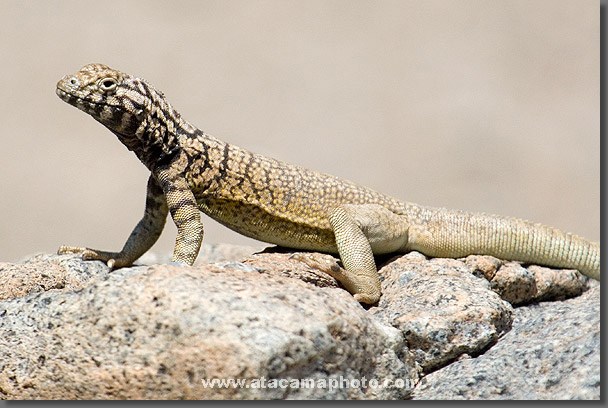
14.
What is the main factor that separates the biomes?
a)
Land
b)
Water
c)
Climate
d)
Longitude
15.
Which biome is the driest?
a)
Desert
b)
Tundra
c)
Taiga
d)
Rainforest
16.
Which Biome has permafrost?
a)
Temperate Forest
b)
Rainforest
c)
Taiga
d)
Tundra
17.
Which biome has deciduous trees (which lose their leaves)?
a)
Temperate Forest
b)
Rainforest
c)
Grasslands
d)
Taiga
18.
Which biome has coniferous trees (which don't lose their leaves)?
a)
Taiga
b)
Temperate Forest
c)
Tundra
d)
Grasslands
19.
Which biome has wide-open fields of grass?
a)
Taiga
b)
Grasslands
c)
Temperate Forest
d)
Rainforest
20.
Which biome has the most variety of plants and animals?
a)
Temperate Forest
b)
Rainforest
c)
Tundra
d)
Grasslands
21.
Which biome has 4 seasons?
a)
Taiga
b)
Tundra
c)
Grasslands
d)
Temperate Forest
22.
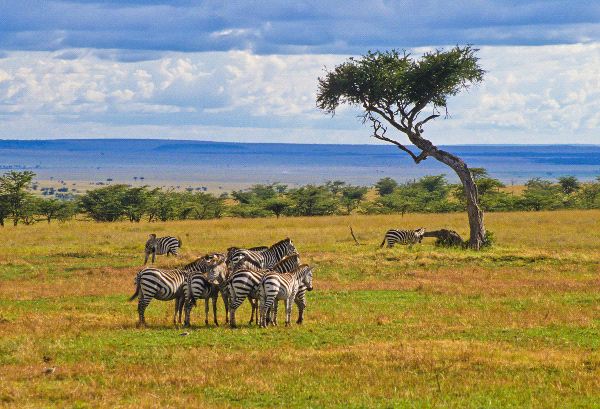
Which biome is home to lions, zebras, wildebeests, giraffes, and elephants?
a)
Grasslands
b)
Tundra
c)
Rainforest
d)
Temperate Forest
23.
Which biome is home to cacti, scorpions, coyotes, kangaroo rats, and lizards?
a)
Desert
b)
Grasslands
c)
Temperate Forest
d)
Taiga
24.
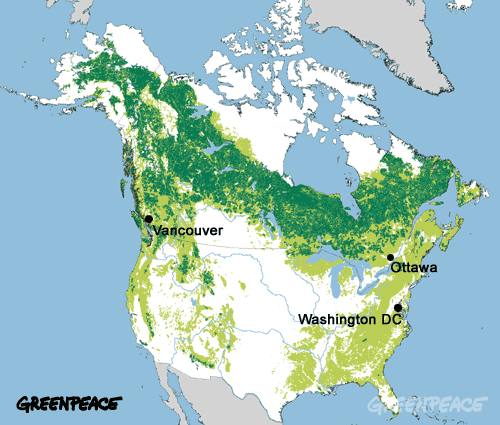
Which biome is Canada in?
a)
Tundra
b)
Taiga
c)
Temperate Forest
d)
Desert
25.
Which biome is home to jaguars, anacondas, leopards, gorillas, and poisonous tree frogs?
a)
Grasslands
b)
Temperate Forest
c)
Rainforest
d)
Tundra
26.
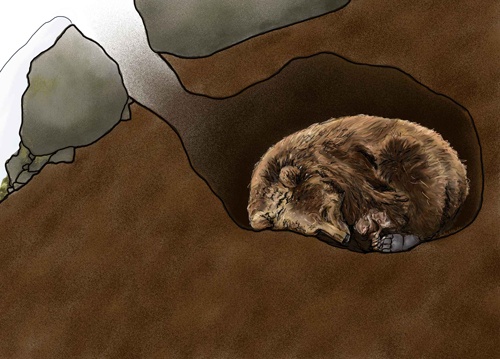
Which biome could an animal who hibernates in the winter to survive the cold live in?
a)
Grasslands
b)
Taiga
c)
Desert
d)
Rainforest
27.
In which biome does an organism have to be able to conserve water to survive?
a)
Rainforest
b)
Taiga
c)
Desert
d)
Temperate Forest
28.
Biotic factors in a biome
a)
sand
b)
water
c)
kinds of birds
d)
air
29.
Abiotic factor in a marine biome
a)
seaweed
b)
water depth
c)
coral
d)
dolphin
30.
Found above the tree line of mountains
a)
polar tundra
b)
alpine tundra
c)
taiga
d)
desert
31.
Has permafrost; in the Arctic or Antarctic
a)
alpine tundra
b)
savanna
c)
desert
d)
polar tundra
32.
Has clumps of trees and seasonal rains
a)
temperate deciduous forest
b)
coniferous forest
c)
savanna
d)
temperate grassland
33.
Has many trees that do not change much seasonally
a)
desert
b)
coniferous forest
c)
temperate deciduous forest
d)
savanna
34.
Has many trees that lose all their leaves to save water
a)
coniferous forest
b)
tundra
c)
temperate grassland
d)
temperate deciduous forest
35.
Has organisms with special adaptations to a hot, dry climate
a)
desert
b)
savanna
c)
tundra
d)
taiga
36.

This is the wettest biome.

a)

Taiga

b)

Polar

c)

Savanna

d)

Tropical Rain Forest

e)

Temperate Forest

37.

This is the driest biome.

a)

Taiga

b)

Temperate Grassland

c)

Savanna

d)

Tropical Rain Forest

e)

Desert

38.

This biome has drought resistant trees

a)

Taiga

b)

Temperate Grassland

c)

Savanna

d)

Tropical Rain Forest

e)

Desert

39.

This biome has coniferous trees

a)

Taiga

b)

Temperate Grassland

c)

Savanna

d)

Tropical Rain Forest

e)

Desert

40.

This biome has Deciduous trees

a)

Taiga

b)

Temperate Forest

c)

Savanna

d)

Tropical Rain Forest

e)

Desert

41.

This biome has very fertile soil

a)

Taiga

b)

Temperate Forest

c)

Savanna

d)

Tropical Rain Forest

e)

Temperate Grassland

42.

This biome has permafrost

a)

Taiga

b)

Temperate Forest

c)

Tundra

d)

Tropical Rain Forest

e)

Temperate Grassland

43.

What is permafrost?

a)

solid ground

b)

fertile ground

c)

new Slurpee flavor

d)

permanently frozen ground

44.

This biome is very hot during the day (and often cold at night)

a)

desert

b)

Temperate Forest

c)

Tundra

d)

Tropical Rain Forest

e)

Temperate Grassland

45.

This biome is also called Boreal Forest

a)

desert

b)

Temperate Forest

c)

Taiga

d)

Tropical Rain Forest

e)

Temperate Grassland

46.

This biome has the Greatest biodiversity

a)

desert

b)

Temperate Forest

c)

Taiga

d)

Tropical Rainforest

e)

Temperate Grassland

47.

This biome has very little vegetation, cacti are common here

a)

desert

b)

Temperate Forest

c)

Taiga

d)

Tropical Rainforest

e)

Temperate Grassland

48.

This biome has lions and elephants.

a)

desert

b)

Temperate Forest

c)

Savanna

d)

Tropical Rainforest

e)

Temperate Grassland

49.
The biome known for trees with broad leaves that fall off the trees in the winter.
a)
Coniferous Forests
b)
Deciduous Forests
c)
Deserts
d)
Tropical Rain Forests
50.
The kangaroo rat is able to get all of the water it needs through it's food and therefore, never needs to drink liquid. This animal has adapted to survive in which biome that rains less than 2 inches a year?
a)
Forest
b)
Tundra
c)
Desert
d)
Grassland
51.
Which of the following is NOT an example of a biome?
a)
Desert
b)
Marine
c)
Freshwater
d)
Waterpark
52.
One characteristic feature of the tundra is that only the surface thaws in the summer and refreezes in the winter, leaving a permanently frozen subsoil. This characteristic is known as 
a)
winter frost
b)
Glaciation
c)
Permafrost
d)
Crystallization 
53.
The kangaroo rat is able to get all of the water it needs through it's food and therefore, never needs to drink liquid. This animal has adapted to survive in which biome?
a)
Forest
b)
Tundra
c)
Desert
d)
Grassland
54.
Which biome is characterized by low temperatures and low amounts of rainfall?
a)
Tundra
b)
Desert
c)
Temperate Deciduous Forest
d)
Tropical Rainforest
55.
Which biome, because of its climate, has the largest number of species of plants and animals?
a)
Tundra
b)
Rainforest
c)
Desert
d)
Pineforest
56.
Which of the following in an ecosystem is classified as BIOTIC?
a)
Rock
b)
Sand
c)
Wind
d)
Tree
57.
Which of the following in an ecosystem is ABIOTIC?
a)
Sunlight
b)
Frog
c)
Scorpion
d)
Snake
58.
What biome? 
a)
Savannah
b)
Temperate Rainforest
c)
Taiga
d)
Desert
59.
What are the biotic factors of the savanna
a)
animals 
b)
plants 
c)
grass
d)
all of the above
60.
Which of these describes the rainforest?
a)
populated by squirrels, bears and pine trees
b)
relatively few trees
c)
generally close to the equator
d)
short, mild, dry summers
61.
The rainforest has the greatest variety of different organisms that live there. In other words, the rainforest has the greatest ______.
a)
speciation
b)
biodiversity
c)
climate
d)
succession
62.
What biome?
a)
Mountains
b)
Tundra
c)
Tropical Rainforest
d)
Temperate Forest
63.
How much rain falls in the desert?
a)
10 inches
b)
more than 10 inches
c)
less than 10 inches
d)
none at all
64.
What kind of soil is found in the desert?
a)
humus
b)
sand
c)
dirt
d)
flowers
65.
The taiga
a)
a cold, treeless, desert-like biome found near the North and South Poles
b)
found mostly in Africa
c)
a forest biome dominated by coniferous trees, such as pine, fir, and spruce
d)
a dry, rocky biome found in the central part of South America.
66.
 As you travel from the North Pole toward the equator, you would expect to see
a)
tropical rain forests, then deserts, then taiga.
b)
temperate deciduous forests, then taiga, then tropical rain forests.
c)
tundra, then grasslands, then tropical rain forests.
d)
taiga, then desert, then tundra.
67.
We would NOT find this animal in the deciduous forest
a)
squirrel
b)
deer
c)
bear
d)
giraffe
68.
What is the average, year-to-year conditions of weather in an area?
a)
Biome
b)
Air Mass
c)
Climate
d)
Precipitation
69.
Nonliving elements in an ecosystem are called _______________. 
a)
biotic factor
b)
abiotic factor
c)
limiting factor
d)
carrying capacity 
70.
Is a deer an abiotic or biotic factor? 
a)
abiotic
b)
biotic
71.
Is a weather an abiotic or biotic factor? 
a)
abiotic
b)
biotic
72.
A living or once-living organisms in an ecosystem is a
a)
population
b)
biotic factor
c)
abiotic factor
d)
community
73.
A large, relatively distinct region with a similar climate, soil, plants, and animals
a)
ecozones
b)
biotopes
c)
biomes
d)
biodomes
74.
TRUE or FALSE?
Each biome also has a characteristic set of organisms that are adapted to living there. o
a)
true
b)
false
75.
Which biome is a treeless biome in the far north with harsh, cold winters and extremely short summers
a)
tundra
b)
desert
c)
temperate deciduous forest
d)
tropical rain forest
76.
Which major biome's lack of precipitation limits plant grow and is home to cacti, mesquite, white thorn, pack rats, small reptiles, and coyotes?
a)
desert
b)
taiga
c)
tundra
d)
grassland
77.
90% of this biome has been lost to farmland
a)
taiga
b)
tundra
c)
temperate deciduous forest
d)
grasslands
78.

This biome is just south of the tundra. It contains mostly spruce trees and Douglas firs, which are both evergreen. The winters are long and cold and the summers are short and rainy. The soil is very rich. Moose and elk live here.

a)

boreal forest or taiga

b)

chaparral

c)

temperate deciduous forest

d)

temperate rainforest

79.
The biome known for trees with broad leaves that fall off the trees in the winter.
a)
Coniferous Forests
b)
Temperate Deciduous Forests
c)
Deserts
d)
Tundra
80.
The most important abiotic factors when studying biomes are...
a)
Food and Water
b)
Water and Sunlight
c)
Temperature and Oxygen
d)
Precipitation and Temperature 
81.
Which biome is MOST LIKE the "desert" in terms of precipitation?
a)
tropical rainforest
b)
temperate deciduous forest
c)
tundra
d)
coniferous forest
82.
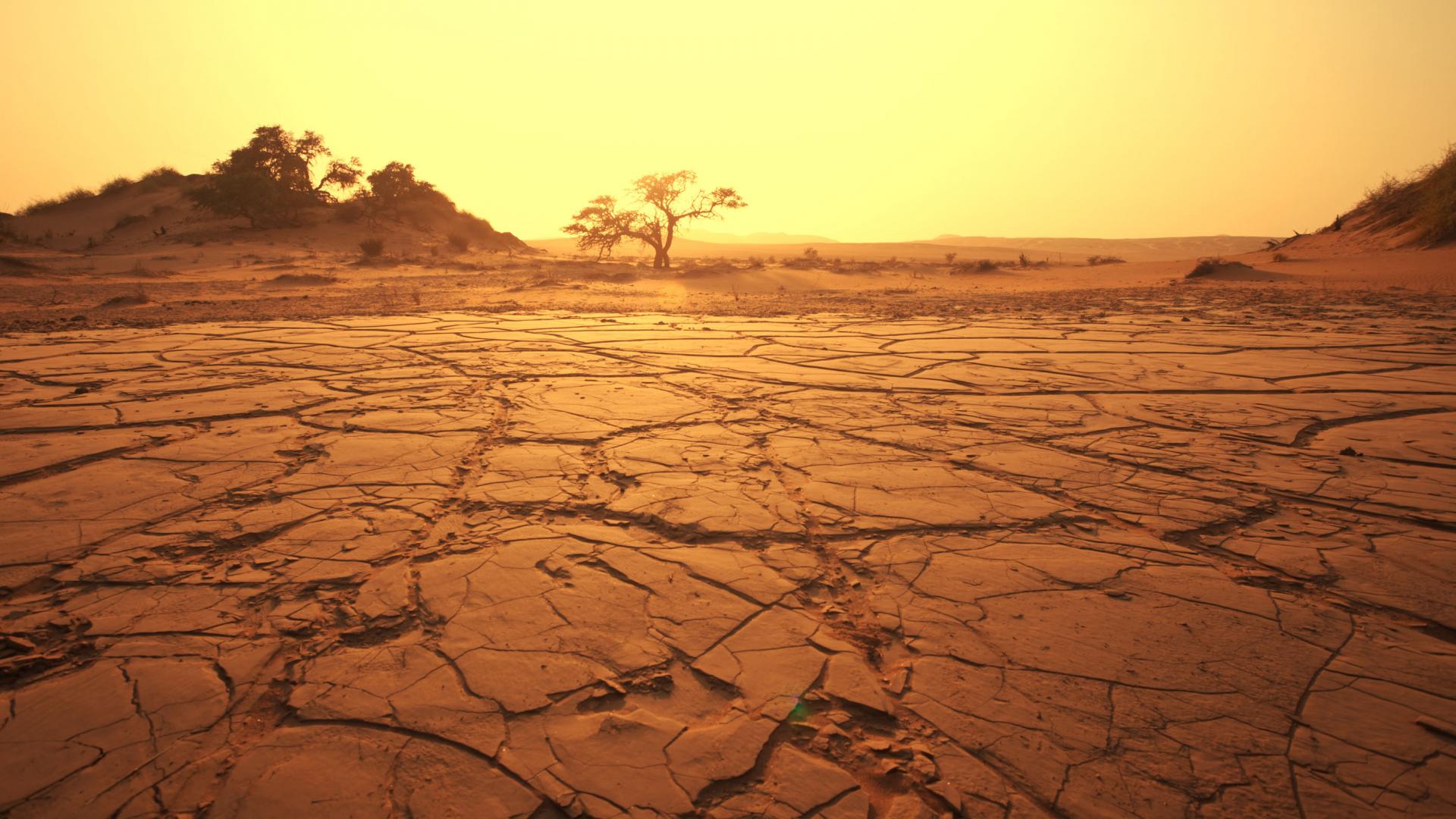
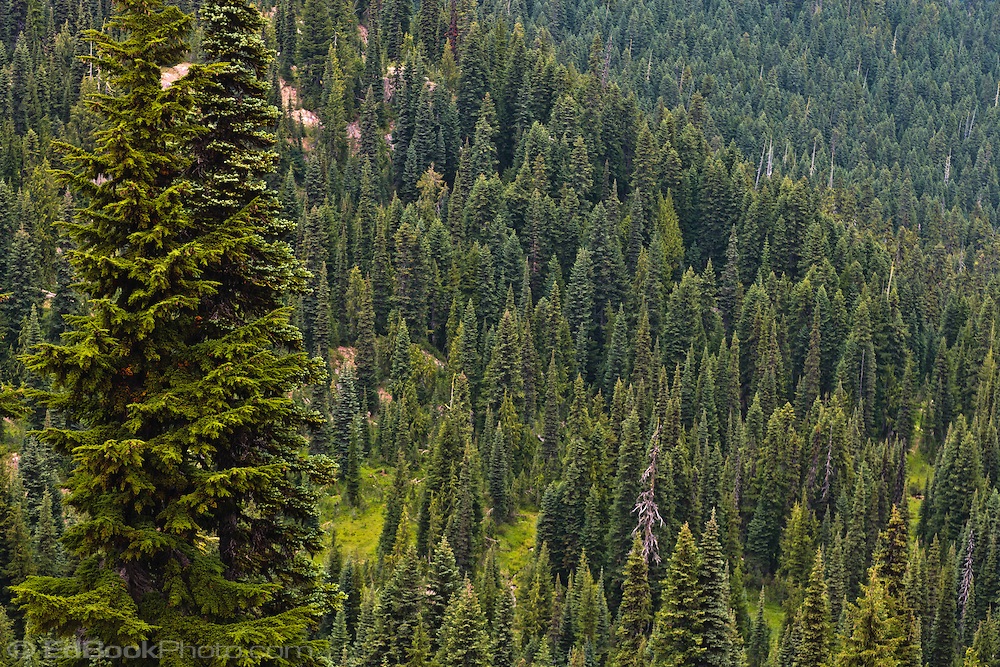
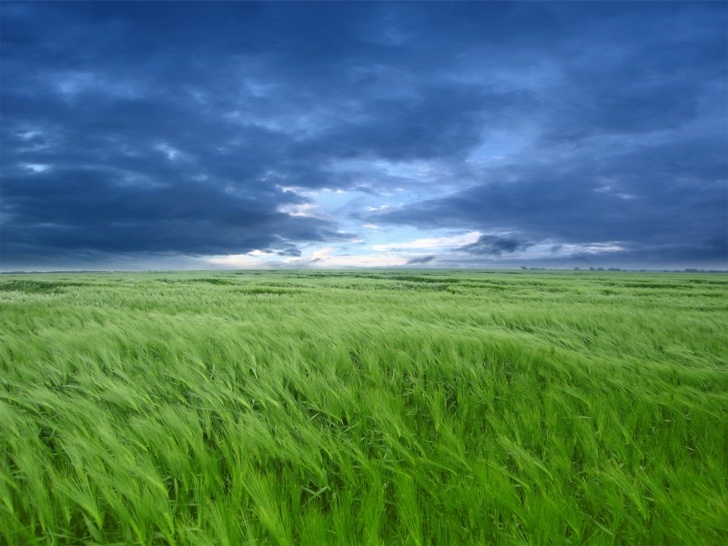
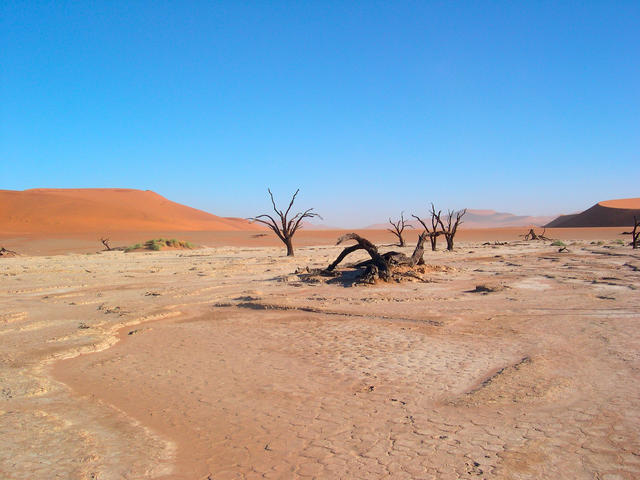
 What type of biome is pictured?
a)
Desert
b)
Tundra
c)
Tropical Rainforest
d)
Grassland
83.
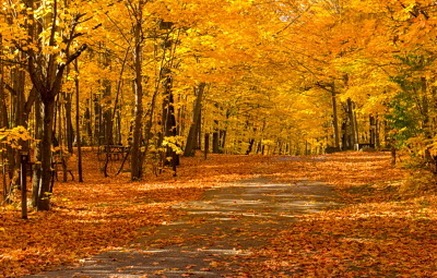
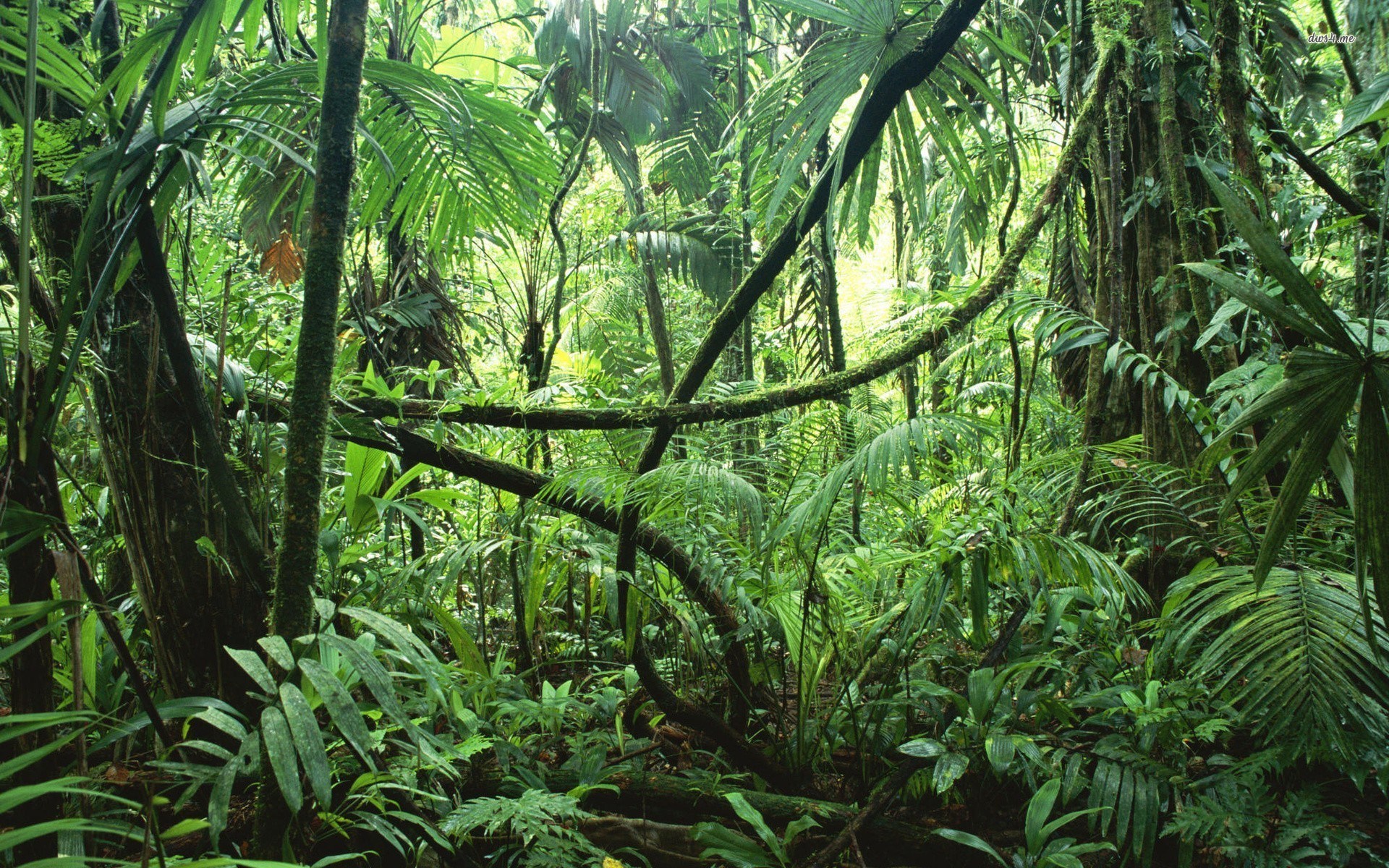
 What type of biome is pictured?
a)
Temperate Deciduous Forest
b)
Boreal Forest
c)
Tropical Rainforest
d)
Grassland
84.
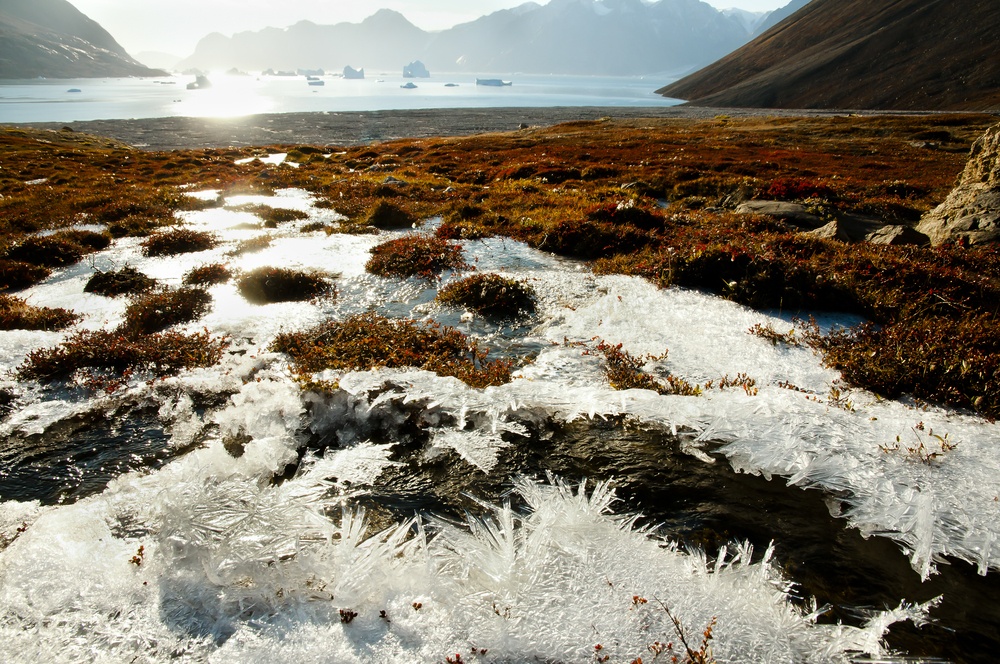
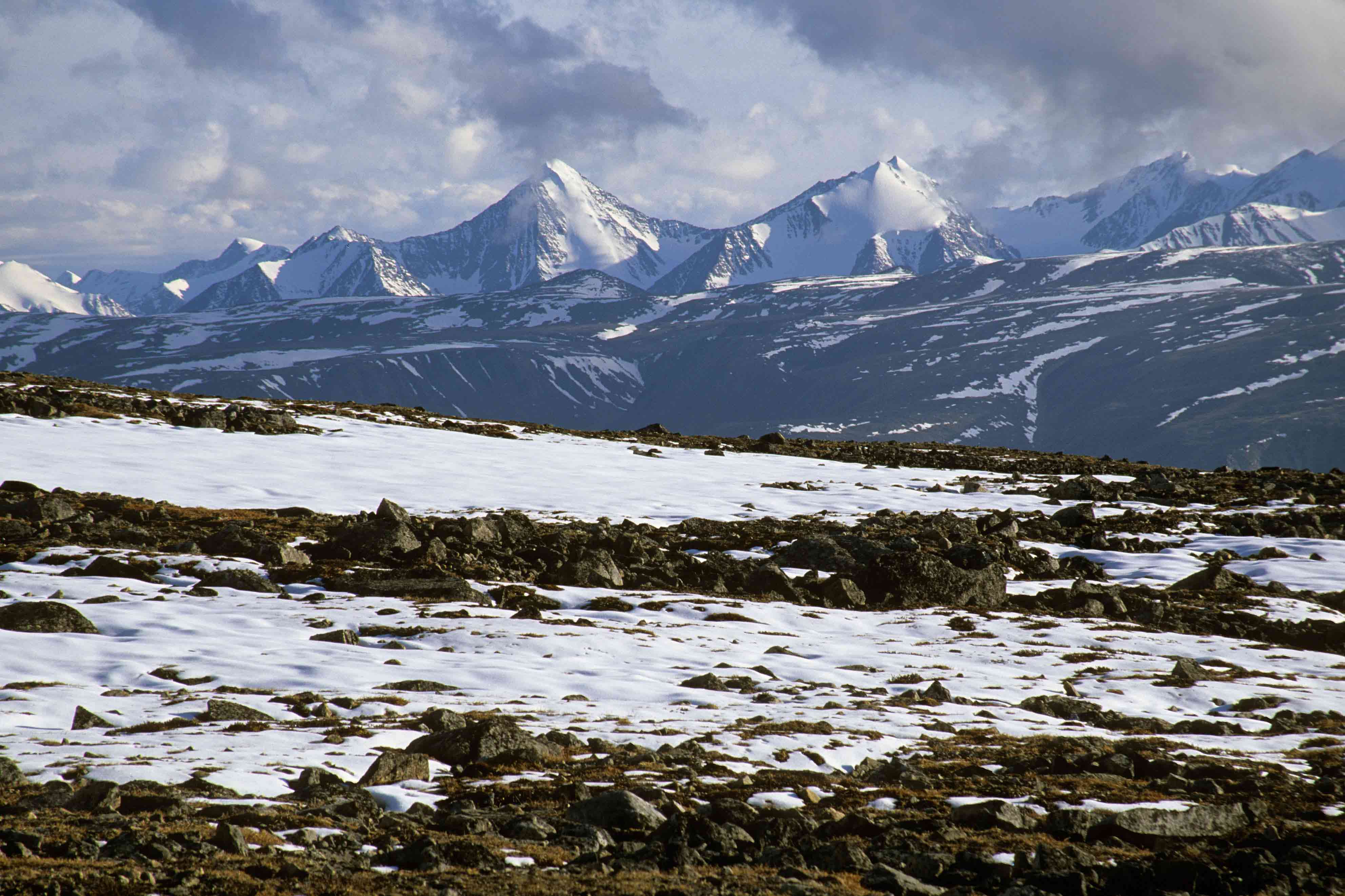
 What type of biome is pictured?
a)
Tundra
b)
Temperate Rainforest
c)
Grassland
d)
Desert
85.
 What type of biome is pictured?
a)
Tundra
b)
Temperate Rainforest
c)
Grassland
d)
Desert
86.
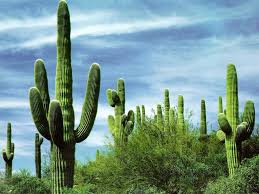
In which biome would you MOST LIKELY find this organism?
a)
tundra
b)
desert
c)
tropical rainforest
d)
temperate deciduous forest
87.
In which biome would you MOST LIKELY find this organism?
a)
tropical rainforest
b)
tundra
c)
desert
d)
temperate deciduous forest
88.
Which biome has a climate is warm and moist throughout the year, and has more species of plants and animals than any other biome?
a)
Chaparral
b)
Tropical Rainforest
c)
Boreal Forest
d)
Tundra
89.
This biome is a type of tropical grassland with widely scattered trees and herds of hoofed animals.
a)
savanna
b)
chaparral
c)
taiga
d)
desert
90.

In which biome would you find Tennessee?

a)

coniferous forest (taiga)

b)

tundra

c)

grassland

d)

deciduous forest

91.

Which biome has the least amount of biodiversity? (the least different kinds of organisms)

a)

tropical rain forest

b)

savanna

c)

grassland

d)

desert

92.

Which biome is the driest? It receives less than 10 inches of rain a year.

a)

desert

b)

grassland

c)

deciduous forest

d)

tropical rain forest

93.

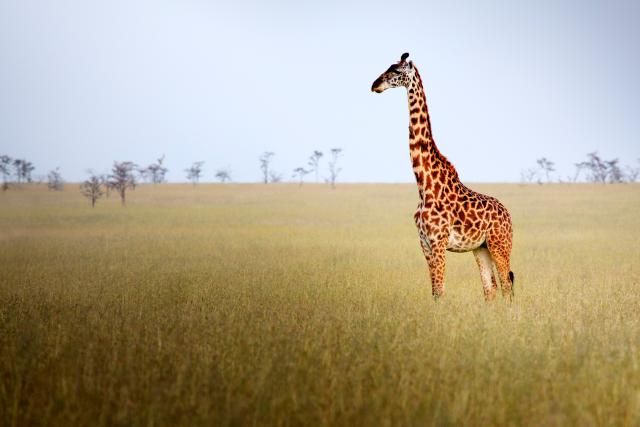
In which biome would you find giraffes and elephants?

a)

desert

b)

deciduous forest

c)

savanna

d)

tundra

94.

Which biome is the largest land biome?

a)

coniferous forest (taiga)

b)

desert

c)

tundra

d)

tropical rain forest

95.

Which biome has the greatest amount of biodiversity? (the most different kinds of organisms)

a)

tundra

b)

grassland

c)

desert

d)

tropical rain forest

96.

Which biome has trees that lose their leaves in the fall and regrow them in the spring?

a)

deciduous forest

b)

coniferous forest (taiga)

c)

tropical rain forest

d)

desert

97.

Which biome is the coldest?

a)

tundra

b)

desert

c)

grassland

d)

savanna

98.

Which biome has conifer trees or evergreens? These trees have needles that are coated in a waxy substance and drop cones.

a)

deciduous forest

b)

desert

c)

coniferous forest (taiga)

d)

tropical rain forest

99.

In which biome would I find prairie dogs, is also known as “Tornado Alley”, and is flat with lots of grasses?

a)

desert

b)

grassland

c)

tundra

d)

tropical rain forest

100.

Which biome has NO trees because much of the ground is frozen all the time?

a)

tundra

b)

desert

c)

savanna

d)

coniferous forest (taiga)