
 Worksheets
7th Grade Benchmark #2
Total questions: 100
Worksheet time: 1hrs 29mins

What type of energy is being used?
electromagnetic
mechanical
thermal
sound

What type of energy is being used?
electromagnetic
mechanical
chemical (photosynthesis)
sound


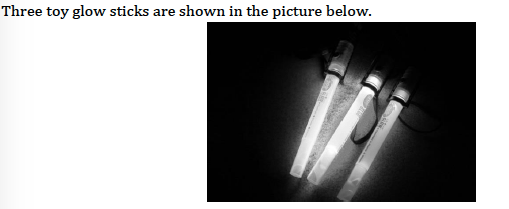
Which of the following is NOT an example of chemical energy?
A glow stick
A battery
A rock about to fall off a cliff
A burning match

Objects with MORE MASS have______________
lower potential energy
lower number of atoms
higher thermal energy
higher temperature
Temperature always measures the ___________ movement of molecules
median
mode
total
average
As temperature increases, molecules _____________
move slower
move the same
move faster
stop moving

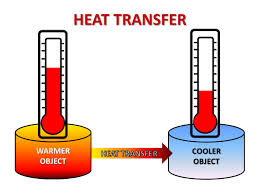
Which type of heat transfer is shown?
convection
conduction
radiation
ironing

Transfer of energy by electromagnetic waves is called
conduction
convection
radiation
infrared proton rays (sounds cool, but I made it up so don't pick this one)
A material that doesn’t allow heat to pass through it easily is a/an
conductor
insulator
metal
rock
When heat is passed on by direct contact of particles, this occurs
conduction
condensation
convection
radiation
Temperature scale starting with absolute zero at 0 is the
coldness scale
Farenheit scale
Celcius scale
Kelvin scale

The diagram above represents a thermometer. Which of the following best explains how the thermometer works?
Liquid changes to a gas when heated.
Gas changes to a liquid when heated.
Liquids expand when heated and contract when cooled.
Liquids contract when heated and expand when cooled.

Heat
The total kinetic and potential energy of all the particles in an object.
Energy that is transferred from a warmer object to a cooler object.
A measure of the average kinetic energy of the particles in a substance.
The heating of a substance that causes its particles to move more quickly.

Thermal Energy
The total kinetic and potential energy of all the particles in an object.
Energy that is transferred from a warmer object to a cooler object.
A measure of the average kinetic energy of the particles in a substance.
The heating of a substance that causes its particles to move more quickly.

In this example, explain the movement of thermal energy in the glass.
Heat is moving from the lemonade to the glass
Heat is moving from the lemonade to the ice
Cold is moving from the ice to the lemonade
Cold is moving from the ice to the glass

This Styrofoam cup is a good example of a _________.
Conductor
Insulator
Drinking device
Solid
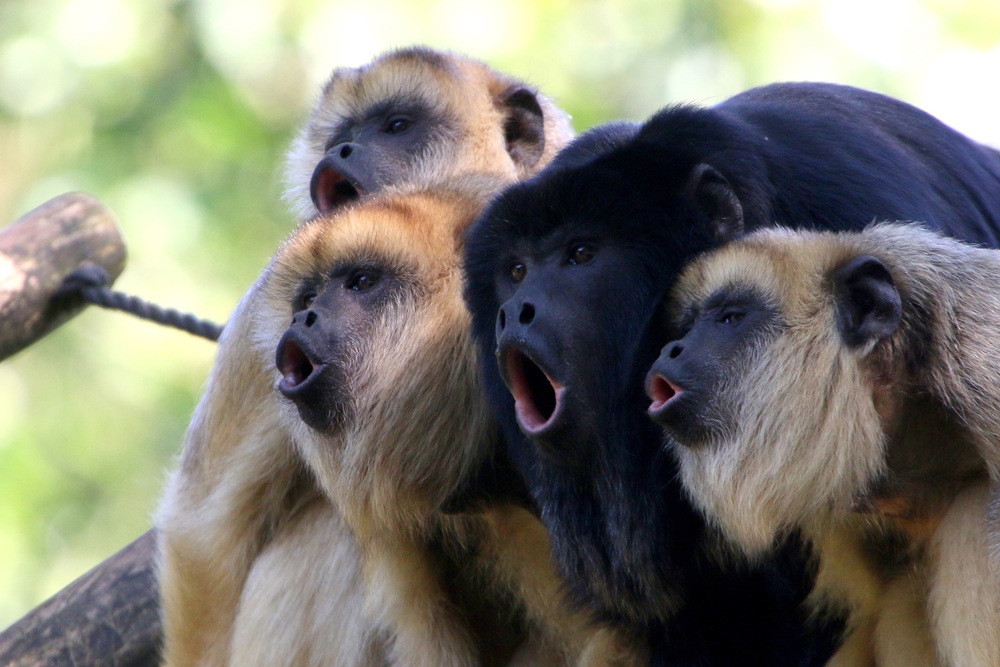
What energy transformation occurs as howler monkeys loudly call to each other in the forest?
Chemical --> Mechanical --> Sound
Chemical --> Sound --> Thermal
Sound --> Chemical --> Radiant
Mechanical --> Chemical --> Sound

What energy transformation occurs during photosynthesis?
Chemical --> Radiant
Thermal --> Chemical
Radiant --> Chemical
Mechanical --> Thermal

What energy transformation occurs as a mouse produces body heat?
Chemical --> Thermal
Thermal --> Chemical
Electrical --> Thermal
Thermal --> Mechanical

the continuous flow of electrical charges through a material
electron
electric force
electric field
electric current
static electricity
the region around a charged object where the object's electric force is exerted on other charged objects
electron
electric force
electric field
electric current
static electricity
the force between charged objects
electron
electric force
electric field
electric current
static electricity
a negatively-charged particle that moves around the outside of the nucleus of an atom
electron
electric force
electric field
electric current
static electricity
either end of a magnetic object, where the magnetic force is strongest
magnet
magnetic force
magnetic pole
magnetic field

Where are the strongest and weakest parts of the magnetic field shown in the diagram?
strongest: A, weakest: B
strongest: A, weakest: D
strongest: C, weakest: A
strongest: C, weakest: B
Which of the following statements describes the similarities between electric and magnetic fields?
The field lines in both magnetic and electric fields are always straight.
Each charged particle and magnet have both a positive and negative side.
Opposite charges and poles are always attracted to each other.
The potential energy increases as like charges or poles get farther apart.
How does the magnetic field protect life on Earth?
The magnetic field directs charged particles toward the poles and then past Earth.
The magnetic field directs charged particles toward the equator and then past Earth.
The magnetic field absorbs the charged particles coming from the sun.
The magnetic field directs charged particles toward the poles then absorbs them.

How does separating two magnets, as shown in the diagram, affect the energy in the system?
Separating the magnets increases potential energy.
Separating the magnets increases kinetic energy.
Separating the magnets decreases potential energy.
Separating the magnets decreases the electric energy.

Which of the following would NOT increase the magnitude of the electric force between the positively and negatively charged objects?
increasing the amount of positive charges
increasing the amount of negative charges
increasing the distance between the charged objects
decreasing the distance between the charged objects


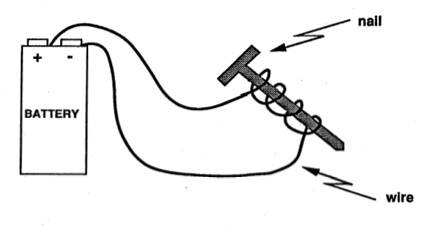
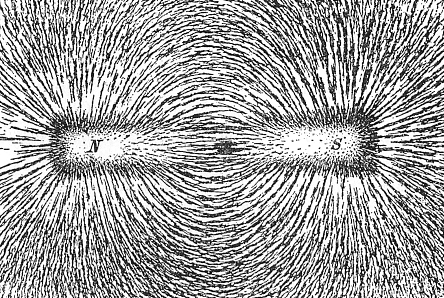
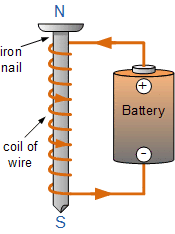
What are Motors?
machines that convert electrical energy to mechanical energy
machines that convert mechanical energy to electrical energy
transfers voltages from one value to another
machines that transfer energy to matter
What kind of energy transfer occurs in a generator?
mechanical to electrical
electrical to mechanical
thermal to electrical
mechanical to thermal
What type of energy would be EXERTED by a motor?
thermal
electrical
mechanical
potential

Transformers only transfer electricity only if...
the current is alternating
there's at least one coil (primary)
none of these
all of these
What is the function of the generator?
Convert electrical energy to mechanical (kinetic) energy
Convert electrical energy to thermal energy (heat)
Convert mechanical (kinetic) energy to electrical energy
What is the function of the motor?
Convert electrical energy to mechanical (kinetic) energy
Convert electrical energy to thermal energy (heat)
Convert mechanical (kinetic) energy to electrical energy
What is the function of the transformer?
Convert electrical energy to mechanical (kinetic) energy
Convert electrical energy to thermal energy (heat)
Convert mechanical (kinetic) energy to electrical energy
Step up or step down the voltage

What type of transformer is A?
Step up
Step down

At what part of the atom is the arrow pointing?
electron
neutron
proton
nucleus

At what part of the atom is the arrow pointing?
Cloud
energy level
electron
neutron

At what part of the atom is the arrow pointing?
proton
neutron
electron
nucleus
Subatomic particles with a negative charge
Electrons
Neutrons
Protons
Quarks
which of the following is a picture of a transformer


The thinnest layer of Earth.
Inner Core
Outer Core
Crust
Mantle
Least dense layer of Earth's geosphere.
crust
Outer core
inner core
mantle
Liquid Layer of Earth
Crust
Mantle
Outer Core
Inner Core
A wave that travels through Earth after an Earthquake. Used as indirect evidence to determine the interior of Earth.
Earthquake waves
Seismic Waves
Directional wave
crustal waves
Thickest layer of Earth, have convection currents
Crust
Mantle
Outer Core
Inner Core
The bendable layer under the crust and upper mantle is called
Lithosphere
Crust
Asthenosphere
Mesosphere
Liquid layer of Earth made up of iron and nickel
Lithosphere
Asthenosphere
Outer Core
Inner Core
As you move from the surface to the center of Earth, TEMPERATURE will
Increase
Decrease
Stay the same
As you move from the surface to the center of Earth, PRESSURE will
Increase
Decrease
Stay the same
Crust that is thinner, denser, and newer is this type of crust.
Oceanic Crust
Continental Crust
The crust and upper part of the mantle is called this
Lithosphere
Crust
Asthenosphere
Mesosphere
Layer of Earth Responsible for Earth's magnetic field
Crust
Mantle
Outer Core
Inner Core
Crust, Mantle, and Core is considered
Chemical Layers
Mechanical Layers

The arrow pointing to the brown layer is
Crust
Mantle
Outer Core
Inner Core

The arrow pointing to the orange layer is
Crust
Mantle
Outer Core
Inner Core

The arrow pointing to the yellow layer is
Crust
Mantle
Outer Core
Inner Core

The arrow pointing to the white layer of the Earth is
Crust
Mantle
Outer core
Inner Core
Which of the following increases as depth increases into the Earth? (choose all that apply)
time
Pressure
temperature
density


What is this a picture of?
plate tectonics
continental drift
pangaea
glacier scaring
What is the Theory of Continental Drift?
There is a gravitational force that is acting on Earth's land masses, pulling them apart at a rate of 1-2 cm per year.
The continents are located exactly where they will remain for the next 250 million years.
The Earth was once a molten mass that has since cooled and contracted, separating the continents by vast oceans.
The continents were once together in one large land mass but they have since drifted apart.
What type of evidence supported Wegener's Theory of Continental Drift?
Evidence of Climate C
hange
Fossils
Mountain Ranges and landforms
All of the Above
One of the pieces of fossil evidence Wegener found was from a fern-like plant called what?
Gabagool
Glossopteris
Gladiolus
Gargantuan
What is the force that moves the continents?
Convection Currents in the Mantle
Radiation in the Mantle
Convection Currents in the Outer Core
Conduction in the Mantle
There were glacial scars found on rocks in the deserts of Africa. What are these evidence for?
Africa was once in an area of the Earth that had a very cold climate
Africa has always been near the equator
Sea floor spreading
The continents have not moved
Why was Alfred Wegener's continental drift hypothesis rejected in the early 1900's?
He was not a scientist.
He did not have enough evidence.
He could not explain what caused the continents to move.
People were dumb back then.

