wayground logo

Free Printable Worksheets

NEW

Font size

S
M
L
XL
Worksheets

Rock & Rock Cycle Quiz Review - Luli 2025

Total questions: 50

Worksheet time: 38mins

Name
Class
Date
1.
Which of the choices below is NOT one of the three types of rocks?
a)
Metamorphic
b)
Indigenous
c)
Sedimentary
d)
Igneous
2.
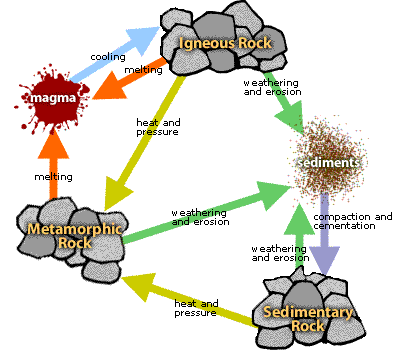
What process is used to form sedimentary rocks?
a)
Lava cools and hardens to form a rock.
b)
Bits of sand and gravel form layers that turn into rock from pressure.
c)
Extreme heat and pressure from inside the Earth turn rocks into new rocks.
d)
Magma trapped under the Earth's surface cools and solidifies.
3.
Which of the words below describe mud, sand, and tiny bits of rocks that cement together to form a type of rock?
a)
stalactites
b)
magmas
c)
metamorphs
d)
sediments
4.
What process is used to form metamorphic rocks?
a)
Lava cools and hardens to form a rock.
b)
Bits of sand and gravel form layers that turn into rock from pressure.
c)
Extreme heat and pressure from inside the Earth turn rocks into new rocks.
5.
What type of rock can turn into a metamorphic rock?
a)
Igneous only
b)
Sedimentary only
c)
Metamorphic only
d)
Any type of rock
6.
Which type of rock would you expect to find by a volcano?
a)

Metamorphic

b)
Igneous
c)

Sedimentary

7.
The process by which metamorphic rocks are formed...
a)
heat and pressure
b)
compaction and cementation
c)
melting and cooling
8.
The process by which igneous rocks are formed...
a)
heat and pressure
b)
melting and cooling
c)
compaction and cementation
9.
what is the rock cycle.
a)
molten rock that is stored underground.
b)
rock material that forms where rocks are broken down into smaller pieces.
c)
a process that changes one type of rock into another type of rock.
10.

Intrusive igneous rocks form from

a)

magma cooling

b)

lava cooling

c)

heat and pressure

d)

weathering and cementing

11.

Intrusive igneous rocks

a)

are baked

b)

cool quickly

c)

cool slowly

d)

are cemented particles

12.

Extrusive igneous rocks

a)

cool from magma

b)

cool from lava

c)

are pressed particles

d)

dissolve in water

13.

Granite is durable which means it is a good choice for

a)

cutting tools

b)

mirrors

c)

jewelry

d)

buildings

14.

Weathering is the

a)

process of rocks breaking down

b)

melting of rocks

c)

baking of rocks

d)

cementing of particles

15.

Erosion is

a)

dissolving of minerals

b)

breaking down of rocks

c)

movement of sediment to a new location

d)

evaporation of minerals

16.

Deposition is

a)

the breaking down of rock

b)

the cementing of particles

c)

the pressure of layers of sediment

d)

the dropping of sediment from wind or water

17.

Cementation is the

a)

pressing together of sediment layers

b)

transportation of sediment

c)

baking of rock near magma

d)

cooling of lava

18.

Sedimentary rocks are often found near

a)

lakes, river, and oceans

b)

volcanoes

c)

plates colliding

19.

Dinosaur fossils are often found in layers of

a)

sedimentary rock

b)

igneous rock

c)

metamorphic rock

20.

Metamorphic rocks are formed from

a)

heat and pressure

b)

melted rock

c)

sediment cementing together

d)

minerals dissolving

21.

Marble is a good building material because it is

a)

strong and beautiful

b)

fragile and brittle

c)

found near every river

22.

Metamorphic rocks are formed by heat, hot water, and

a)

sedimentation

b)

cementation

c)

pressure

d)

weathering

23.
How are Sedimentary Rocks formed?
a)
Cooling and Hardening
b)
Heat and Pressure
c)
Compacting and Cementing
d)
Melting
24.

In a sedimentary rock, where would the oldest layer be found?
a)
The top layer
b)
The middle layer
c)
They are all the same age
d)
The bottom layer
25.
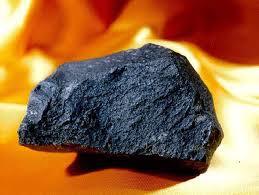
This rock was found near the mouth of a volcano. What type of rock is this?
a)
Sedimentary
b)
Igneous
c)
Metamorphic
26.
After lots of time, pressure, and heat, you get this kind of rock. What type of rock is this?
a)
Sedimentary
b)
Igneous
c)
Metamorphic
27.
What is molten rock that erupts onto or above the Earth’s surface?
a)
grain
b)
lava
c)
magma
d)
sediment
28.
The process of rocks changing from one form to another, melting, eroding, and changing is known as ........
a)
The Water Cycle
b)
The Rock Cycle
c)
The Compaction Erosion
d)
trick question...rocks don't change
29.
When you are describing the sizes of the mineral grains in a rock, you are detailing the rock's _____
a)
Texture
b)
Composition
c)
Sedimentation
d)
Igneous-ness
30.

All three types of rock can have layers.

a)

True

b)

False

31.

The name of a person that studies rocks and the earth.

a)

veterinarian

b)

geologist

c)

podiatrist

d)

teacher

32.
Earth's rocks change from one type into another over time due to various Earth processes. Changes occur in mineral compositions and physical structures.
a)
Rock cycle
b)
Igneous rock
c)
Mineral composition
d)
Sedimentary rock
e)
Weathering
33.

This rock is often found near water.

a)

Sedimentary

b)

Igneous

c)

Metamorphic

34.

What kind of rock is "Granite"?

a)

Sedimentary

b)

Igneous

c)

Metamorphic

35.

What kind of rock is "Marble"?

a)

Sedimentary

b)

Igneous

c)

Metamorphic

36.

What kind of rock is "Limestone"?

a)

Sedimentary

b)

Igneous

c)

Metamorphic

37.

What kind of rock is "Basalt"?

a)

Sedimentary

b)

Igneous

c)

Metamorphic

38.

This rock is usually made up of pieces of rock called sediments that have been pressed and cemented together.

a)

Sedimentary

b)

Igneous

c)

Metamorphic

39.
A __________ is a natural, nonliving substance that makes up rocks. 
a)
Sedimentary rock
b)
Igneous Rock
c)
Mineral
d)
Sediment
40.
Has wavy bands.
a)
sedimentary rock
b)
metamorphic rock
c)
extrusive igneous rock
d)
intrusive igneous rock
41.
Has small or no crystals because of rapid cooling
a)
sedimentary
b)
metamorphic
c)
extrusive igneous
d)
intrusive igneous
42.
Has large crystals because of slow cooling
a)
sedimentary rock
b)
metamorphic rock
c)
intrusive igneous rock
d)
extrusive igneous rock
43.
Formed by compacting & cementing of sediments
a)
Sedimentary
b)
Metamorphic
c)
Extrusive Igneous
d)
Intrusive Igneous
44.
Formed by weathering & erosion
a)
magma
b)
sediments
c)
sedimentary rock
d)
intrusive igneous
45.
Formed by melting
a)
magma
b)
sediments
c)
sedimentary rock
d)
intrusive igneous
46.
What type of rock might contain fossils? 
a)
sedimentary
b)
igneous
c)
metamorphic
47.
What type of rock has wavy layers that may be bent? 
a)
sedimentary
b)
igneous
c)
metamorphic
48.
What type of rock changes by intense heat AND pressure? 
a)
sedimentary
b)
igneous
c)
metamorphic
49.
What type of rock might contain holes from gases of quickly cooled lava? 
a)
sedimentary
b)
igneous
c)
metamorphic
50.
What type of rock has visible flat layers? 
a)
sedimentary
b)
igneous
c)
metamorphic