
 Worksheets
EOC Review: SPS1, 2, 4, 7, 8 (45 min)
Total questions: 89
Worksheet time: 3hrs 39mins
Name
Class
Date
1.
The positive particles of an atom are
a)
electrons
b)
positrons
c)
neutrons
d)
protons
2.
the central region of an atom where its neutrons and protons are is its
a)
nucleus
b)
electron cloud
c)
core
d)
center
3.
An atom's mass number equals the number of...
a)
protons plus the number of electrons
b)
protons plus the number of neutrons
c)
protons
d)
neutrons
4.
Atoms have no electric charge because they...
a)
have an equal number of charged and non charged particles
b)
have neutrons in their nuclei
c)
have an equal number of electrons and protons
d)
have an equal number of neutrons and protons
5.
Matter always has mass.
a)
true
b)
false
6.
What is the smallest?
a)
worm
b)
molecule
c)
galaxy
d)
atom
7.
Which particle has a similar mass to a proton?
a)
Electron
b)
Neutron
c)
Photon
d)
Marble
8.
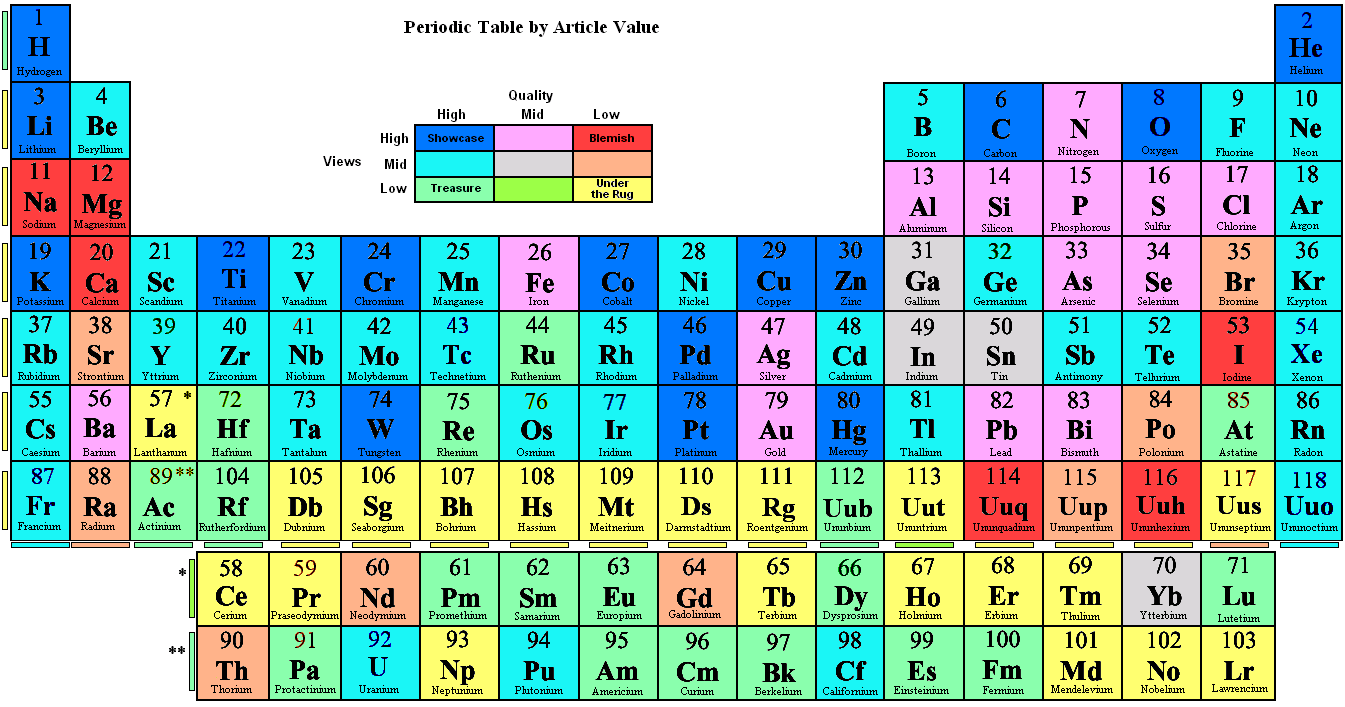
Sodium (Na) is found in period
a)
3
b)
2
c)
4
d)
1
9.
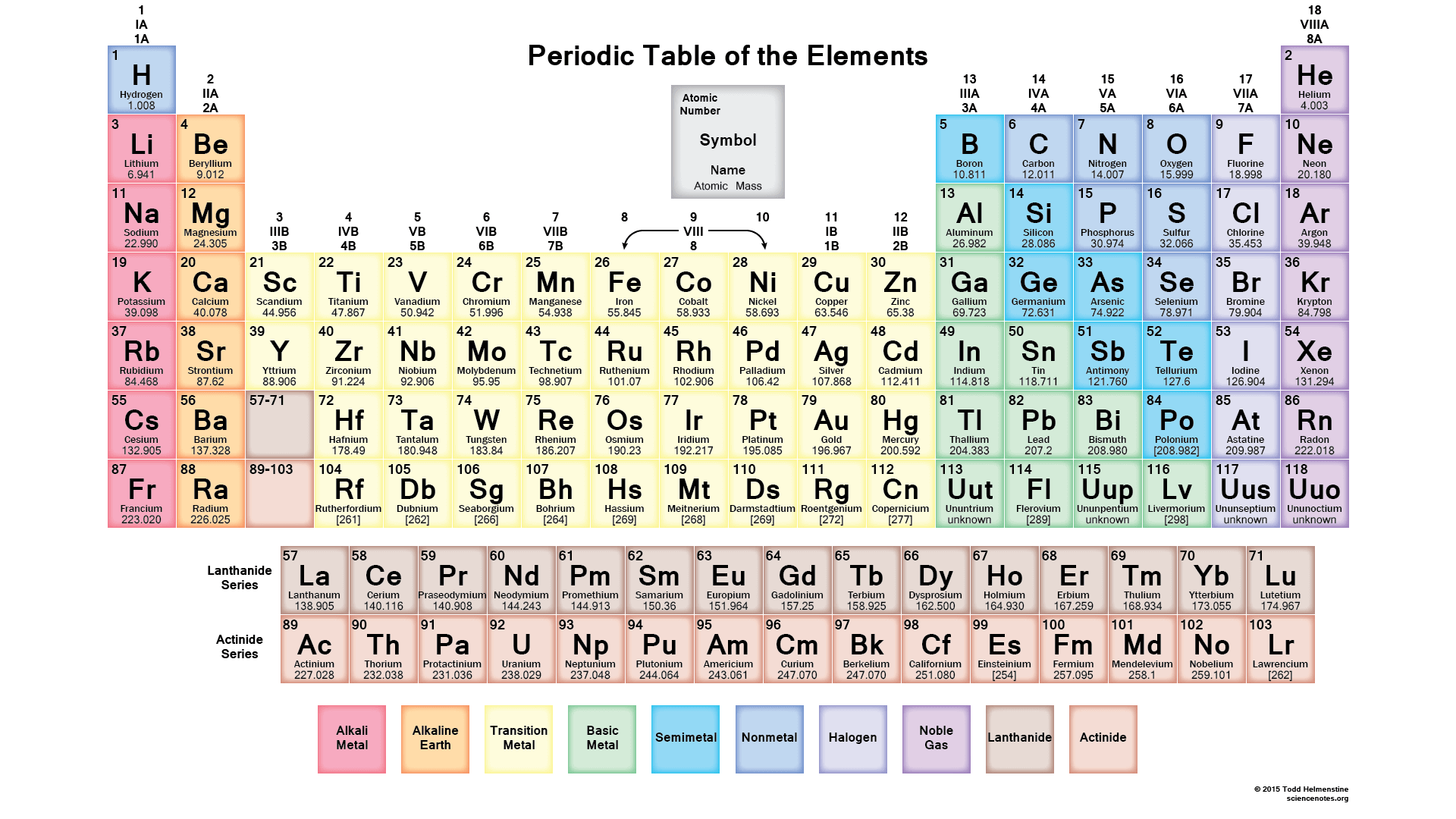
Sodium (Na) is found in group
a)
1
b)
2
c)
3
d)
4
10.
The atomic number tells you what? READ THE ANSWERS CAREFULLY
a)
only the number of electrons
b)
only the number of protons
c)
only the number of neutrons
d)
the number of both electrons and protons in an atom.
11.
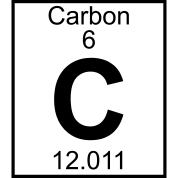
What does the 6 represent?
a)
atomic mass
b)
atomic number
c)
element name
d)
chemical symbol
12.
What category is silicon (Si) a part of?
a)
Metal
b)
Nonmetal
c)
Metalloid
d)
Halogens
13.
What is the ionic charge of Phosphorus (P)?
a)
+5
b)
-3
c)
+3
d)
-5
14.
How many electrons does Barium (Ba) have?
a)
13
b)
2
c)
71
d)
56
15.
How many neutrons does Bromine (Br) have?
a)
35
b)
80
c)
45
d)
7
16.
How many valence electrons does a carbon atom have?
a)
8
b)
4
c)
2
d)
6
17.

Elements in the same group have similar _______.
a)
Atomic Mass
b)
Symbol
c)
Chemical Properties
d)
Atomic Number
18.
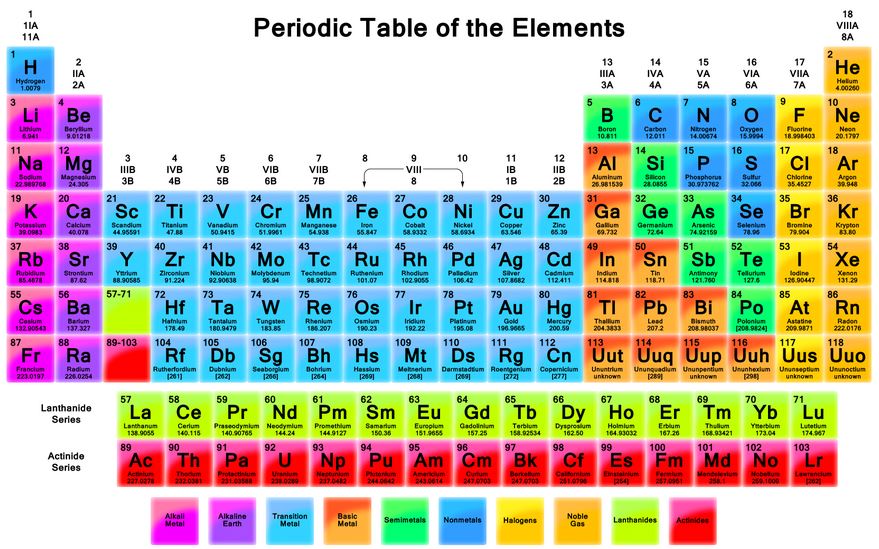
Elements on the LEFT side of the periodic table will most likely form:
a)
Positive ions
b)
Negative ions
c)
Neutral Ions
d)
None of these
19.
Which of the following has a full valence shell?
a)
Oxygen
b)
Neon
c)
Barium
d)
Carbon
20.
An ionic bond forms when atoms ___________ electrons.
a)
gain
b)
share
c)
increase
d)
transfer
21.
If an atom loses two electrons what charge will it have?
a)
+ 2
b)
- 2
c)
+1
d)
-1
22.
If an atom gains one electron what charge will it have?
a)
-2
b)
-1
c)
+1
23.

How many valence electrons in this structure?
a)
6
b)
5
c)
4
d)
7
24.
Atoms joined together by SHARING electrons are?
a)
Ionic bonds
b)
Covalent bonds
c)
Metallic Bonds
d)
James Bonds
25.
Calcium carbonate
a)
Ionic
b)
covalent
26.
What is the name for LiF?
a)
Lithium Fluoride
b)
Lithium Fluorine
c)
Fluorine Lithide
27.
Which is the correct name for CaBr2?
a)
Calcium Bromine
b)
Bromine Calcium
c)
Calcium Bromide
28.
A charged particle that has gained or lost electrons is called a _____.
a)
molecule
b)
ion
c)
isotope
d)
element
29.
How many electrons are needed in the outer energy levels of an atom to be stable?
a)
2
b)
4
c)
6
d)
8
30.
A cation is a ____ ion.
a)
negative
b)
positive
31.
Nitrogen will ____ valence electrons when forming an ionic bond.
a)
gain 1
b)
lose 1
c)
gain 3
d)
lose 3
32.
Ionic bonds form between metals and ____.
a)
metalloids
b)
metals
c)
nonmetals
33.
What determines ionic bonds to form?
a)
Number of protons
b)
Mass of the atom
c)
Number of total electrons
d)
Number of valence electrons
34.
How many valence electrons does Oxygen have?
a)
0
b)
16
c)
6
d)
8
35.
Name the compound S2F8
a)
sulfur (II) fluoride
b)
disulfur octafluoride
c)
sulfur fluorine
d)
sulfur octafluoride
36.
What is Ca3N2 called?
a)
calcium nitride
b)
calcium (II) nitride
c)
calcium nitrogen
d)
tricalcium dinitride
37.
Ionic compounds must have...
a)
a metal and a polyatomic ion
b)
a metal and a nonmetal
c)
only nonmetals
d)
only metals
38.
Phosphorous trichloride
a)
PCl3
b)
P3Cl
c)
P3Cl3
d)
PCL
39.
SeF4
a)
Tetraselenium fluoride
b)
Selenium Fluoride
c)
Selenium tetraflouride
d)
Selenium (IV) Fluoride
40.

What is the atomic mass of "F"
a)
9
b)
18
c)
17
d)
19
41.
How do the following two elements bond together?
Cr3+ O2-
Cr3+ O2-
a)
CrO
b)
Cr3O2
c)
Cr2O3
d)
CrO3
42.
When a metal loses electrons, it becomes this type of ion.
a)
anion
b)
cation
43.
When a nonmetal gains electrons, it becomes this type of ion.
a)
Anion
b)
Cation
44.
The chemical formula for an ionic compound of potassium and oxygen is
a)
KO.
b)
K2O.
c)
K2O2.
d)
KO2.
45.
How many valence electrons does a bromine atom have?
a)
1
b)
2
c)
6
d)
7
46.
What is the formula for Tetraphosphorus decoxide
a)
(PO4)4O2
b)
P4O2
c)
P4O10
d)
none of the above
47.
SiCl4
a)
silicon tetrachloride
b)
silicon quadchloride
c)
monosilicon tetrachloride
d)
silicon chloride
48.
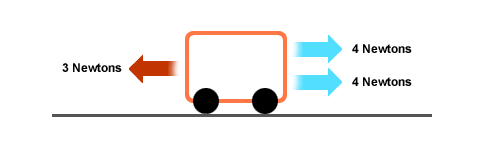
What will happen to the cart in the illustration?
a)
It will stand still.
b)
It will move at constant velocity.
c)
It will accelerate to the right.
d)
It will accelerate to the left.
49.
Unbalanced forces cause an object to _____.
a)
remain motionless
b)
move at constant velocity
c)
speed up, slow down, or change direction
50.
When a magician yanks the tablecloth off of a table without knocking over the dishes on the table, he's demonstrating Newton's _____ Law of Motion.
a)
1st
b)
2nd
c)
3rd
d)
4th
51.
Newton's First Law of Motion is also known as the Law of _____.
a)
Inertia
b)
Conservation of Mass
c)
Action and Reaction
d)
Mass and Acceleration
52.
Which of Newton's Laws best explains how a rocket can accelerate by pushing against its own burning fuel?
a)
Newton's First Law
b)
Newton's Second Law
c)
Newton's Third Law
d)
None of these
53.
Newton's Third Law says that forces _____.
a)
always come in equal and opposite pairs
b)
always come in groups of three
c)
are always balanced
d)
are never balanced
54.
A book resting on a desk is an example of _____.
a)
balanced forces
b)
unbalanced forces
c)
centrifugal forces
55.
A car starts from rest at a stop light and reaches 20 m/s in 3.5 s. Determine the acceleration of the car.
a)
2.2m/s2
b)
7.0m/s2
c)
5.7m/s2
d)
70m/s2
56.
Find the velocity of a truck that travels 75 miles north in 2.5 hours.
a)
187.5 mph north
b)
30 mph north
c)
300 mph north
d)
200 mph north
57.
When are you undergoing an acceleration in a car?
a)
speed up
b)
slow down
c)
make turns
d)
All of the above
58.
Why does a car accelerate as it round a corner at a constant speed?
a)
Its direction changes
b)
It doesn't
c)
It slows down
d)
Its speeds up
59.
Acceleration is defined at a change in velocity. Velocity is ______
a)
Speed in one direction
b)
The same thing as speed
c)
distance/time
d)
time/distance
60.

Determine the motion of the car.
a)
at rest
b)
constant velocity
c)
speeding up
d)
slowing down
61.
A car accelerates from a standstill to 70 m/s in 10 seconds. What is the acceleration?
a)
0.7m/s2
b)
7m/s2
c)
14m/s2
d)
none of the above
62.
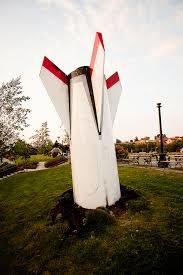
A rocket with an initial velocity of 8 m/s hits the ground at 640 m/s in eight seconds. Find the acceleration.
a)
79 m/s2
b)
80 m/s2
c)
0.0125m/s
d)
80 mi/hr
63.

What is the net force?
a)
400 N Up
b)
400 N Down
c)
- 400 N Down
d)
800 N Down
64.
The force that opposes the motion of two surfaces sliding past each other is called ___________.
a)
acceleration
b)
inertia
c)
friction
d)
unbalanced
65.

On which surface would friction be the greatest?
a)
carpet
b)
ice
c)
snow
d)
satin
66.
Find the average speed of a train that traveled 540 km in 6 hours?
a)
80 km/h
b)
100 km/h
c)
90 km/h
d)
3240 km/h
67.
How far will a person go if they jog for 2 hours at a speed of 12 km/hr?
a)
6 km
b)
0.5 km
c)
10 km
d)
24 km
68.
What is the SI unit used to measure force?
a)
pounds
b)
grams
c)
newtons
d)
friction
69.
Any object with mass has gravity.
a)
True
b)
Sometimes
c)
False
d)
Never
70.
The force of gravity acting on an object is the object's ______.
a)
mass
b)
matter
c)
weight
d)
friction
71.
The amount of matter in an object is
a)
pressure
b)
weight
c)
mass
d)
force
72.
A person would weigh less on on the Moon than on the Earth because . . .
a)
Moon has more mass, and therefore more gravity
b)
Moon has less mass, and therefore more gravity
c)
Moon has more mass, and therefore less gravity
d)
Moon has less mass and therefore less gravity
73.
Two factors effecting the magnitude of the force of gravity between 2 objects are...
a)
mass and distance
b)
mass and matter
c)
distance and weight
d)
weight and mass
74.
If Earth's mass was cut in half, what would happen to your weight?
a)
Increase because gravitational force increases
b)
decrease because gravitational force decreases
c)
decrease because gravitational force increases
d)
nothing, weight is not affected by gravitational force
75.
What type of simple machine is found on the cap of a pickle jar?
a)
lever
b)
inclined plane
c)
screw
d)
wheel and axle
76.
What is the fixed point upon which a lever rotates?
a)
fulton
b)
fulcrum
c)
furmen
d)
falcon
77.
Which of these is not an example of an inclined plane?
a)
ladder
b)
stairs
c)
wall
d)
driveway
78.

The flag pole mechanism is an example of which simple machine?
a)
Inclined Plane
b)
Lever
c)
Wedge
d)
Pulley
79.
Simple machines allow us to do less work.
a)
TRUE
b)
FALSE
80.
The force placed on the simple machine to move the load is called the ____.
a)
Effort
b)
Fulcrum
c)
Load
d)
Lever
81.

A door stop is an example of a
a)
Screw
b)
Wedge
c)
Lever
d)
Inclined Plane
82.

A 62 kg box is lifted 12 m off the ground. How much work was done? (hint: calculate Fw first)
a)
5.17 J
b)
72.91 J
c)
744.0 J
d)
7291.2 J
83.
Calculate the amount of work done if you use a 100N force to push a 50 kg box 5 m across the kitchen floor.
a)
250 J
b)
500 J
c)
5000 J
d)
50,000 J
84.

What is the mechanical advantage of the block and tackle used to lift the bale of cotton?
a)
1
b)
2
c)
3
d)
4
85.
A 16 N force is applied to an object and 96 J of work is done. How far was the object moved?
a)
6 m
b)
16 m
c)
80 m
d)
1536 m
86.

Identify this simple machine
a)
Lever
b)
Wheel & Axle
c)
Inclined Plane
d)
Screw
87.
Two examples of a pulley...
a)
knife & axe blade
b)
lightbulb & screw
c)
flagpole hoist & window blinds
d)
catapult & teeter totter
88.
Which of the following does a simple machine do?
a)
allows the users to apply less force over a longer distance
b)
reduce the amount of force needed to do work
c)
change the direction of the applied force
d)
all of the above
89.

What type of simple machines does the photo show?
a)
Lever and wedge
b)
Inclined Plane and lever
c)
Pulley and wedge
d)
Lever and screw
100 %

